
Sega Mega Drive Controller (1998)
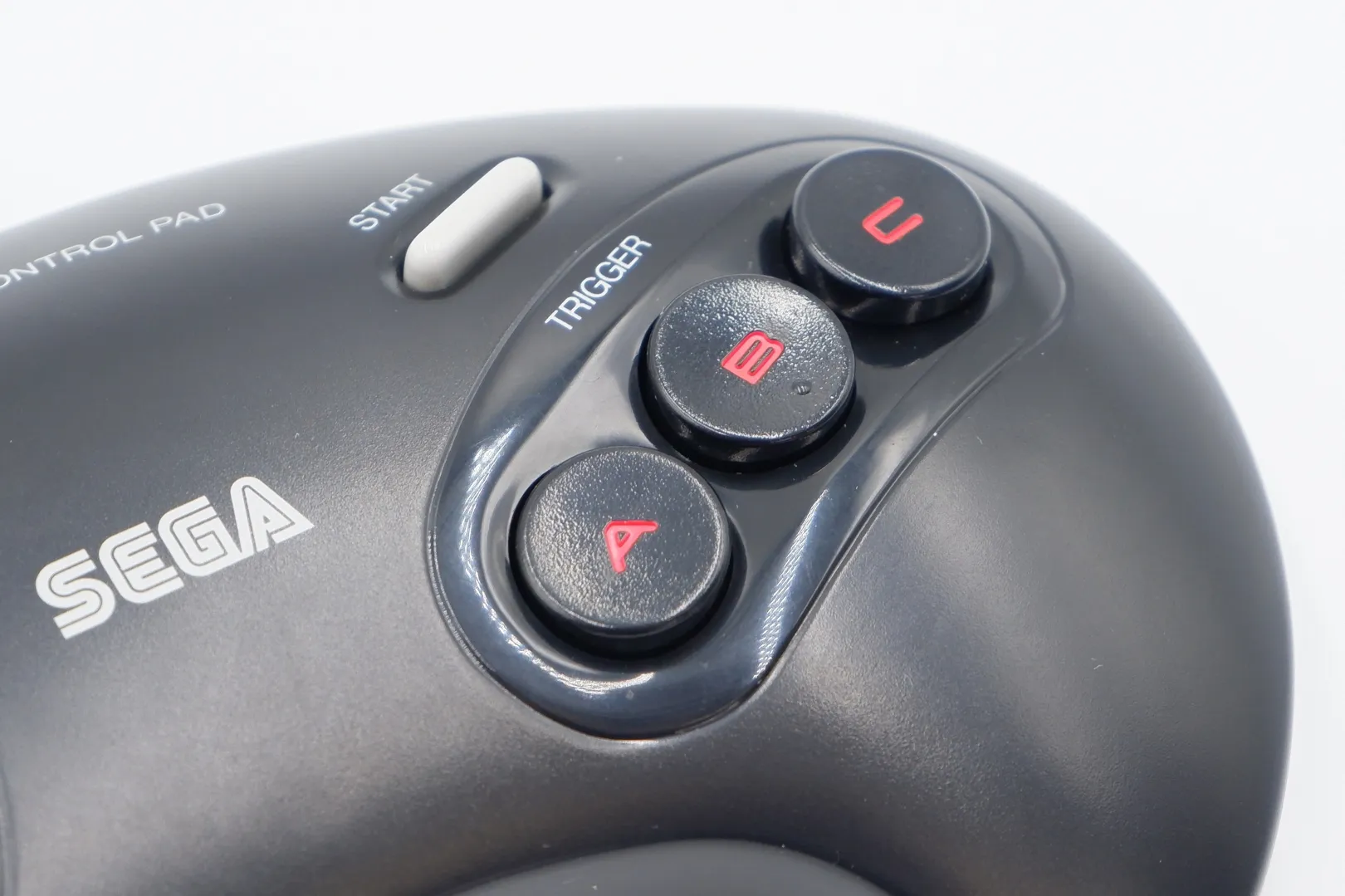
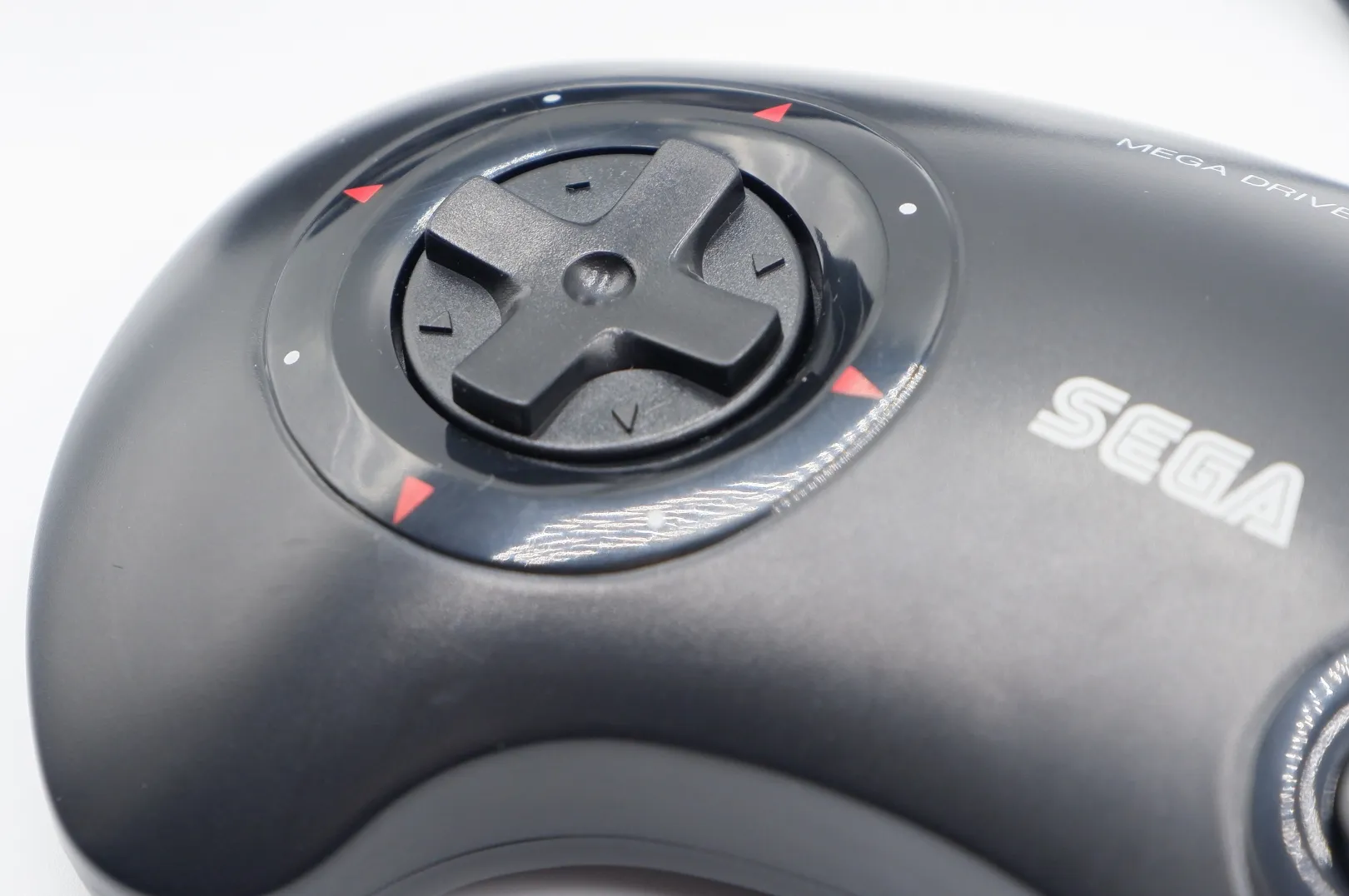
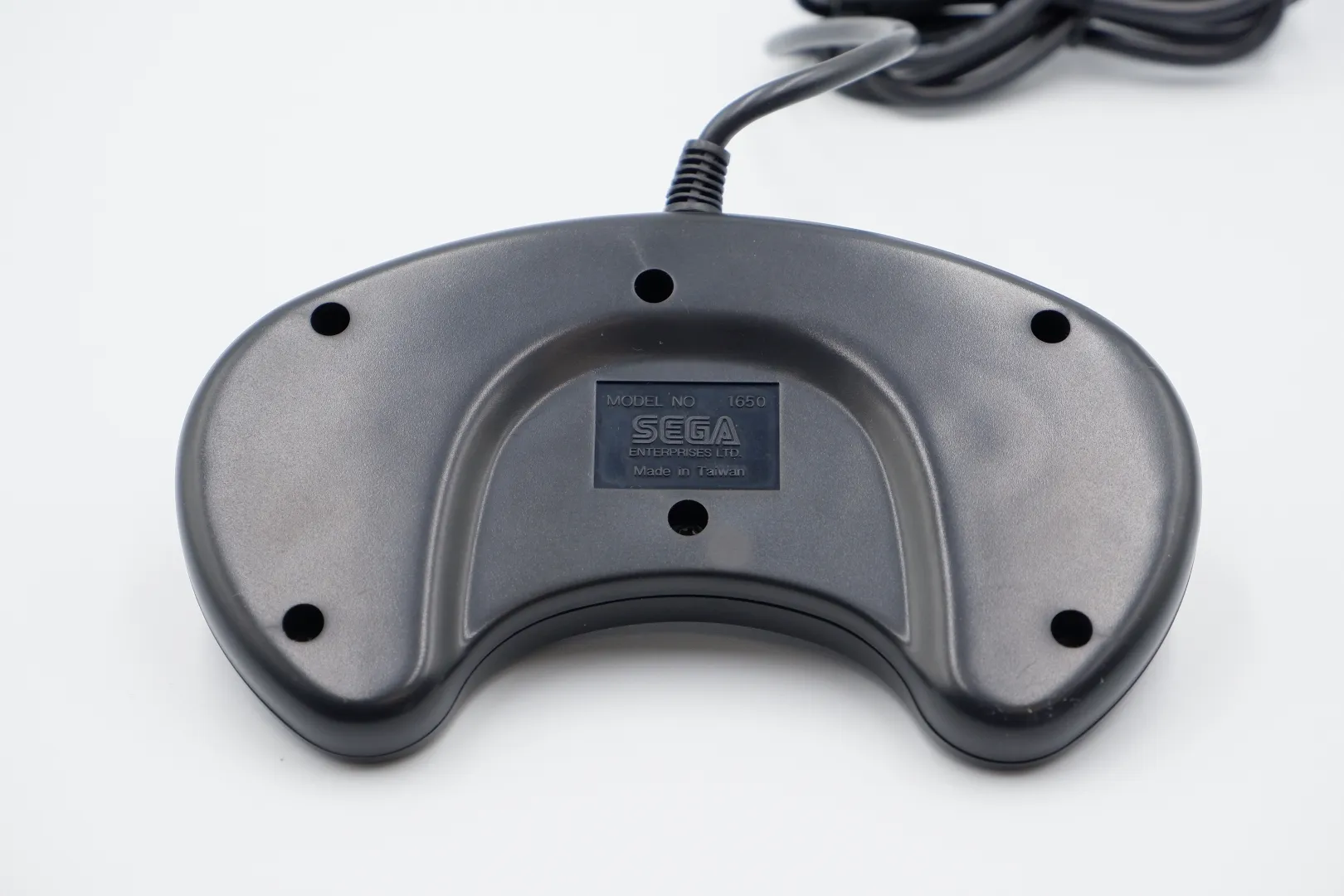
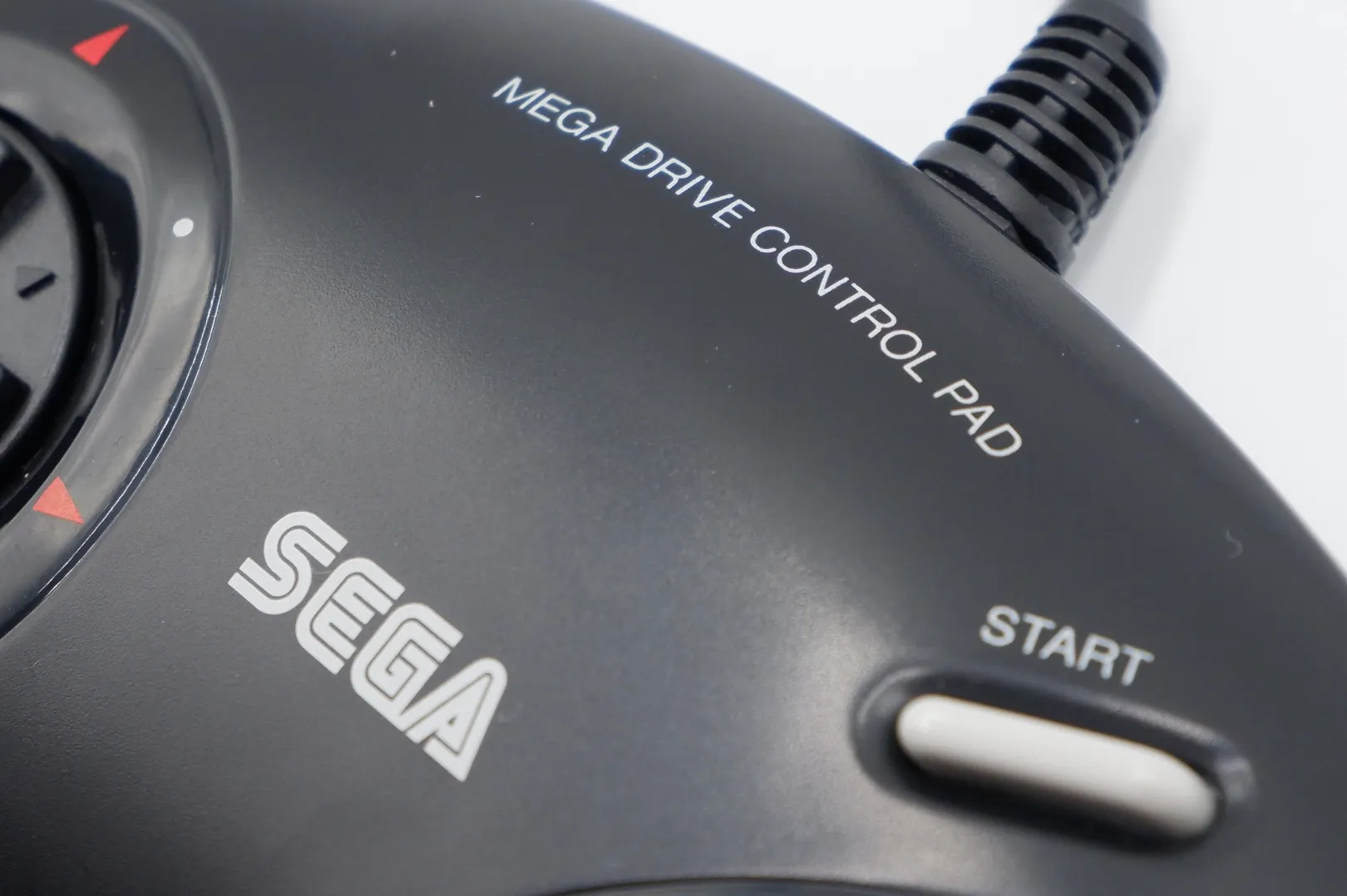
Launched alongside the Sega Mega Drive in 1988, the official 3-button controller marked a major leap forward from the blocky 8-bit pads of the prior generation. Featuring an iconic wing-shaped crescent design with smooth, rounded contours, it was built specifically to mimic an arcade feel at home while fitting comfortably in the hands. Its face housed a raised, floating 8-way directional pad on a central pivot—ideal for precise platforming and fighter inputs—alongside three distinct face buttons labelled A, B, and C set along a natural thumb arc, with a single Start button placed at the centre.
Under the hood, the controller relied on standard conductive rubber membranes and a clever bit of engineering to handle its eight input signals over a standard DE-9 port. Sega integrated a 74HC157 multiplexer chip inside the pad, which rapidly toggled output signals based on a high/low clock pulse sent from the console’s Select pin. When the signal was high, the data lines reported the D-pad, B, and C buttons; when low, the chip switched the lines to read the A and Start buttons instead. This multiplexing happened so fast that input latency was imperceptible, and because its default state mirrored basic digital joystick signals, the pad was naturally backwards-compatible with systems like the Master System, Commodore 64, and Atari 2600.
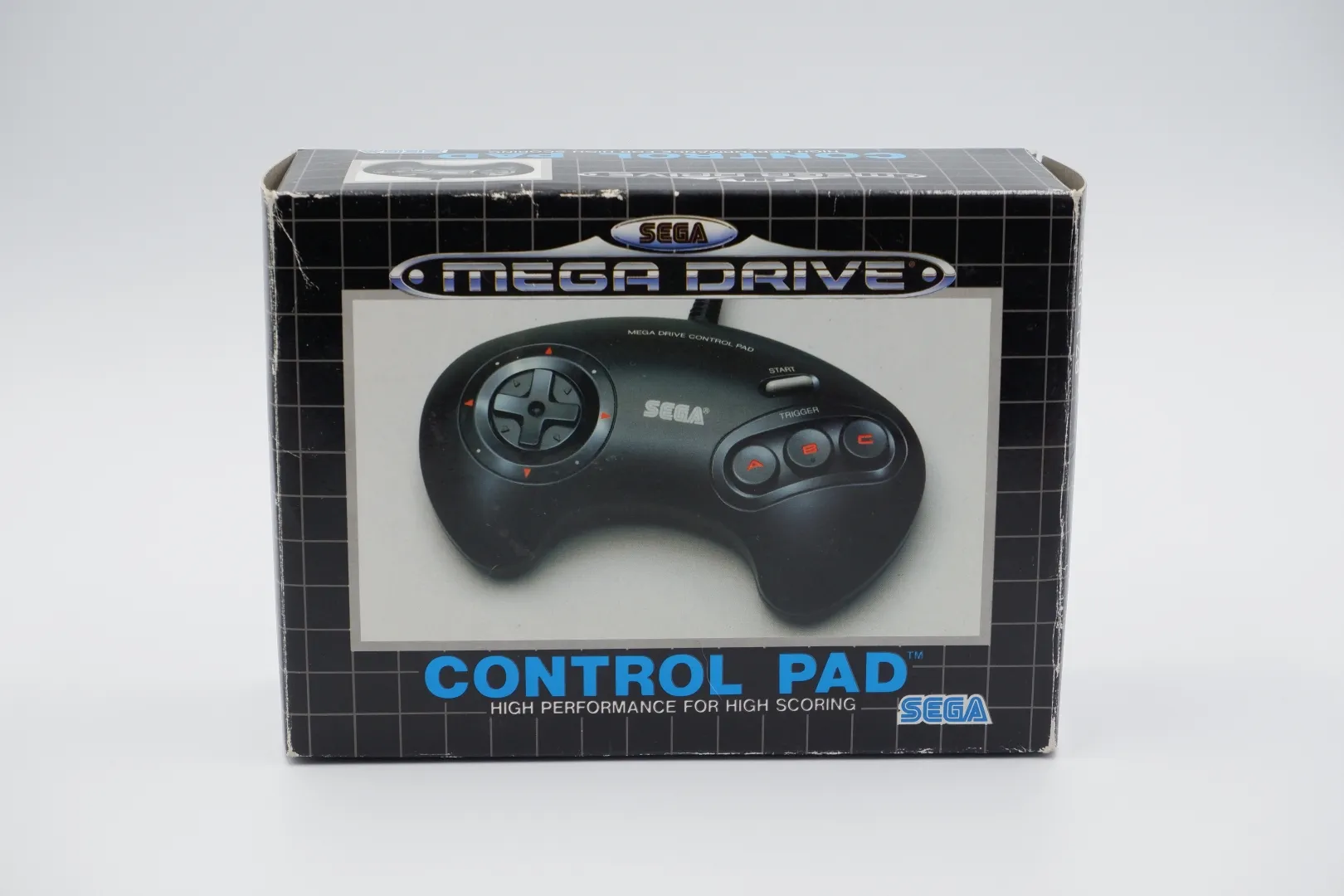
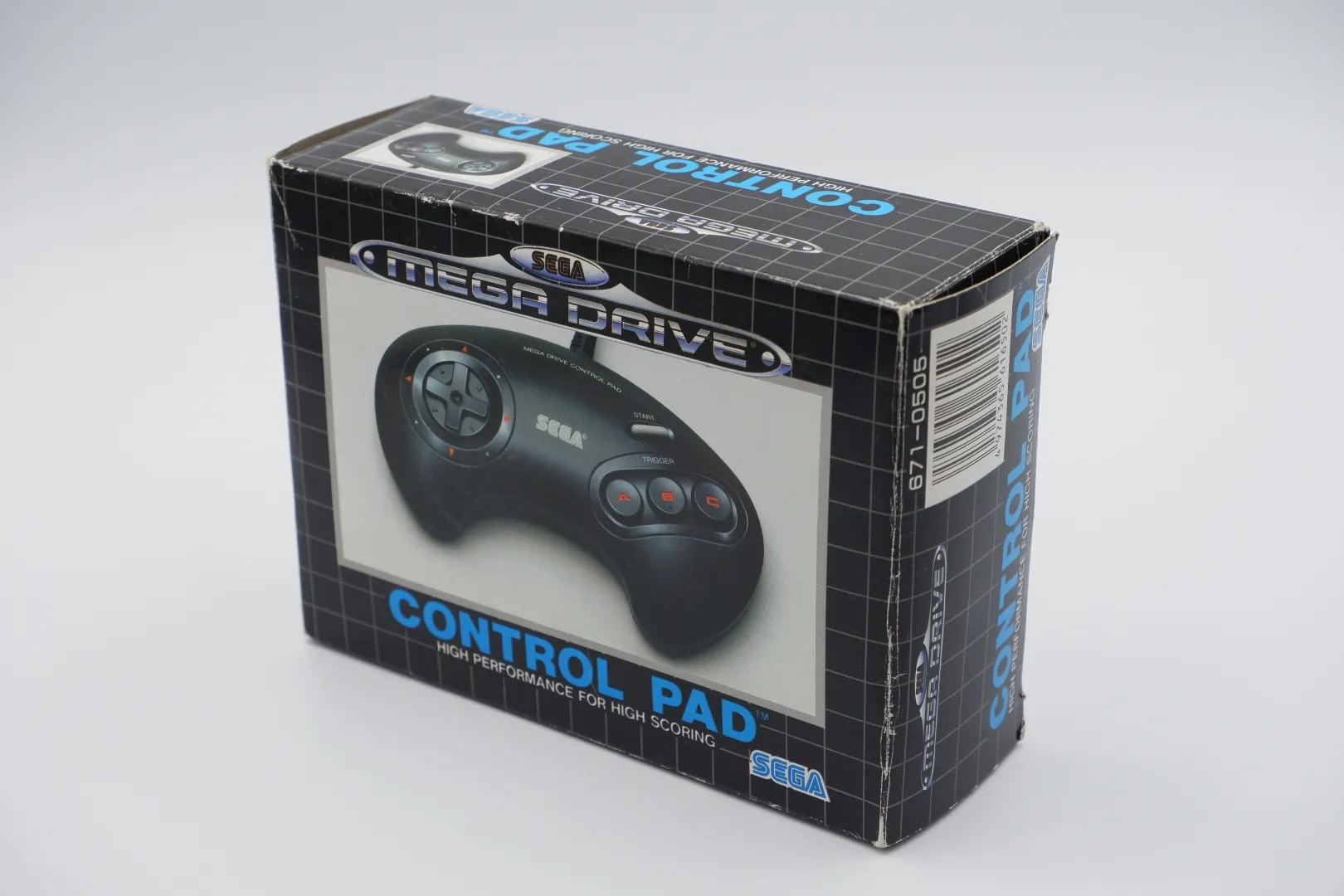
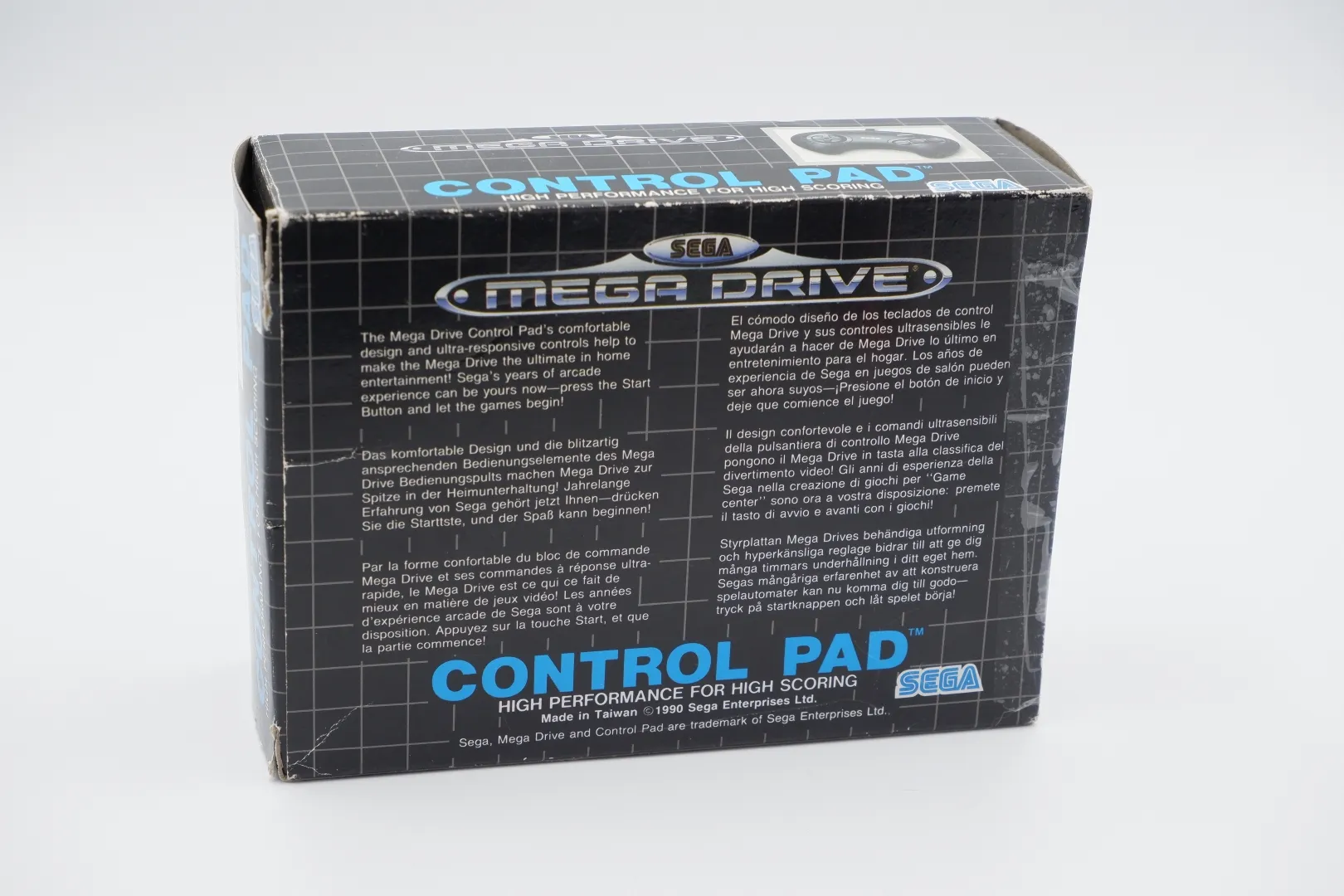
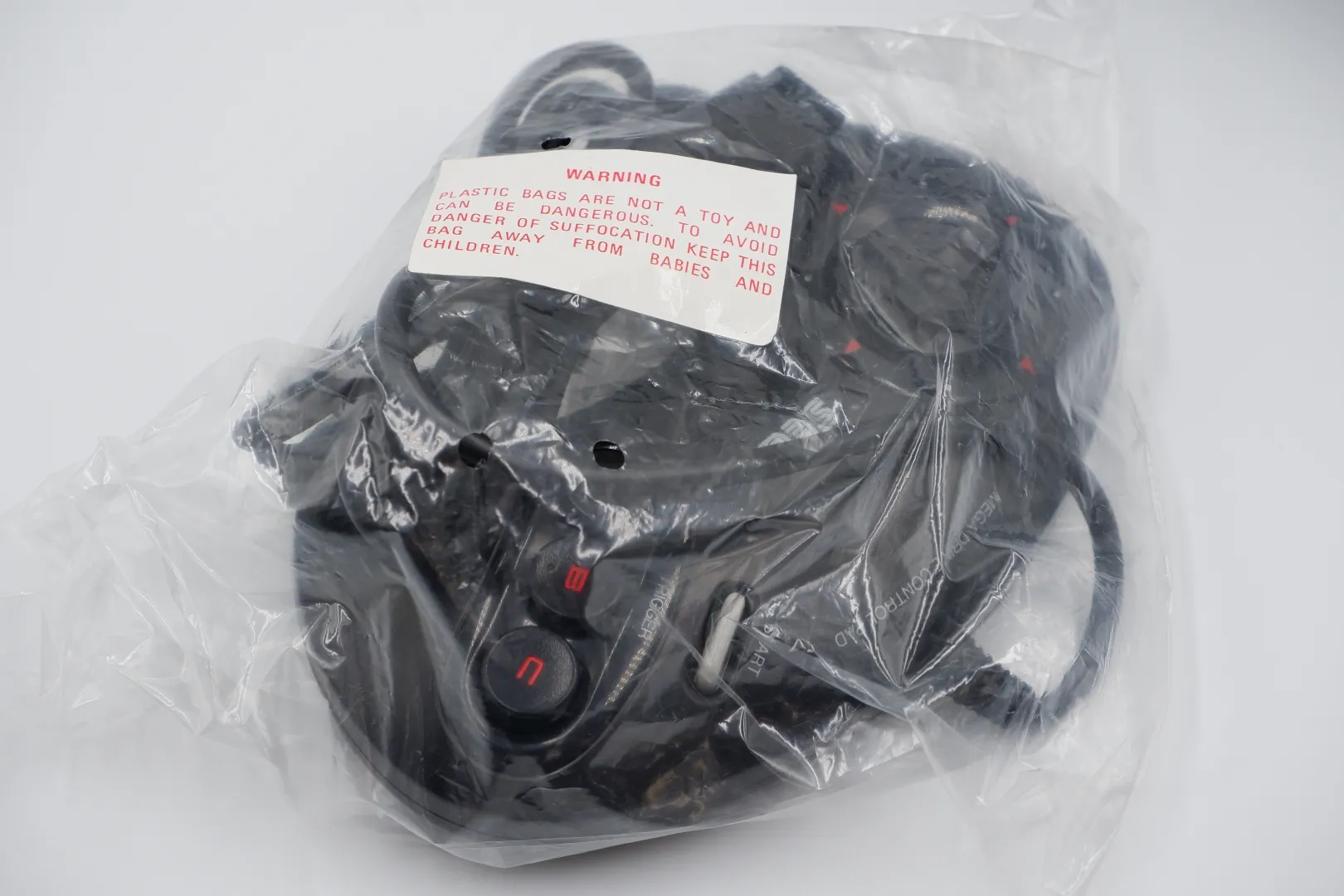
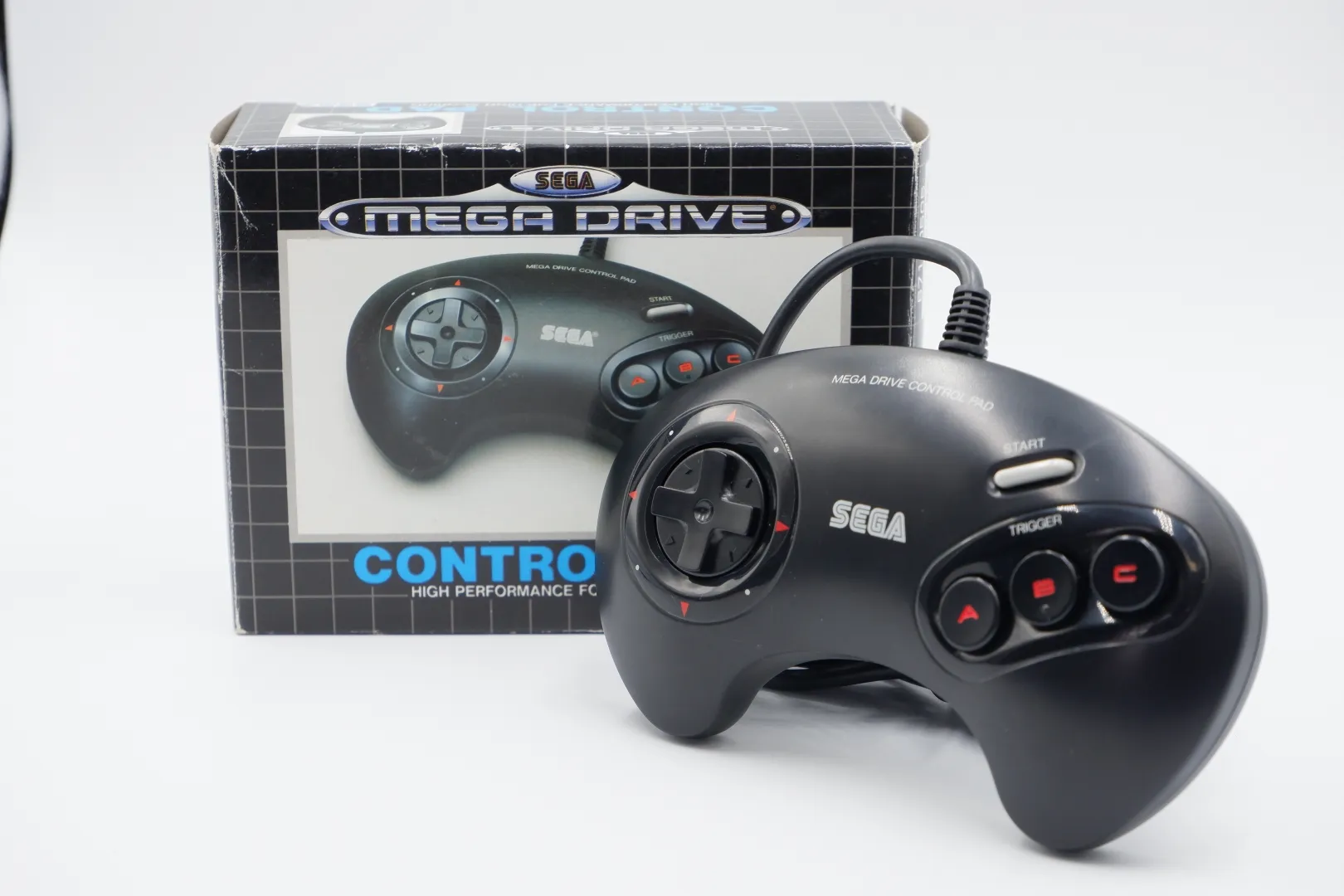
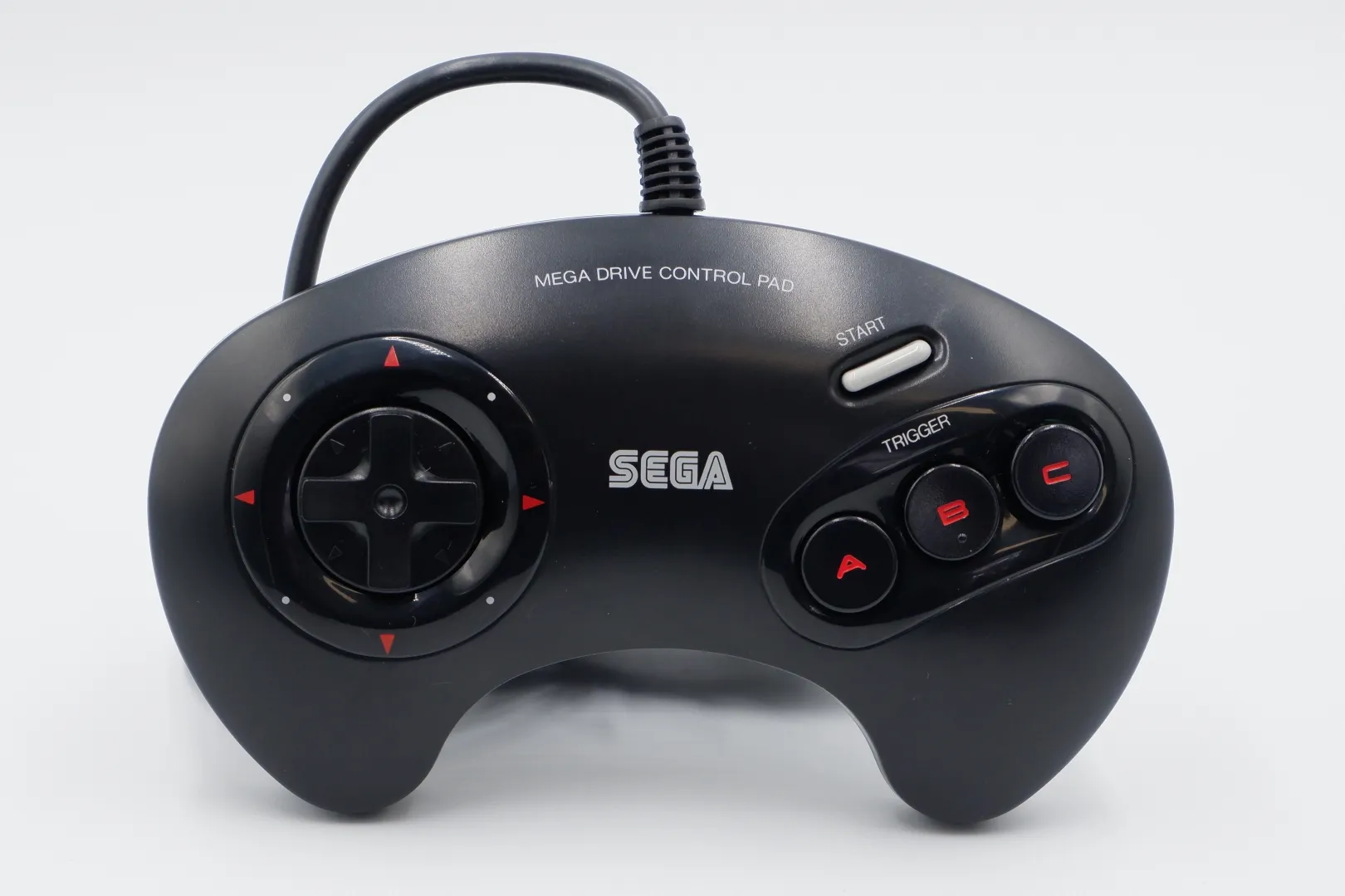
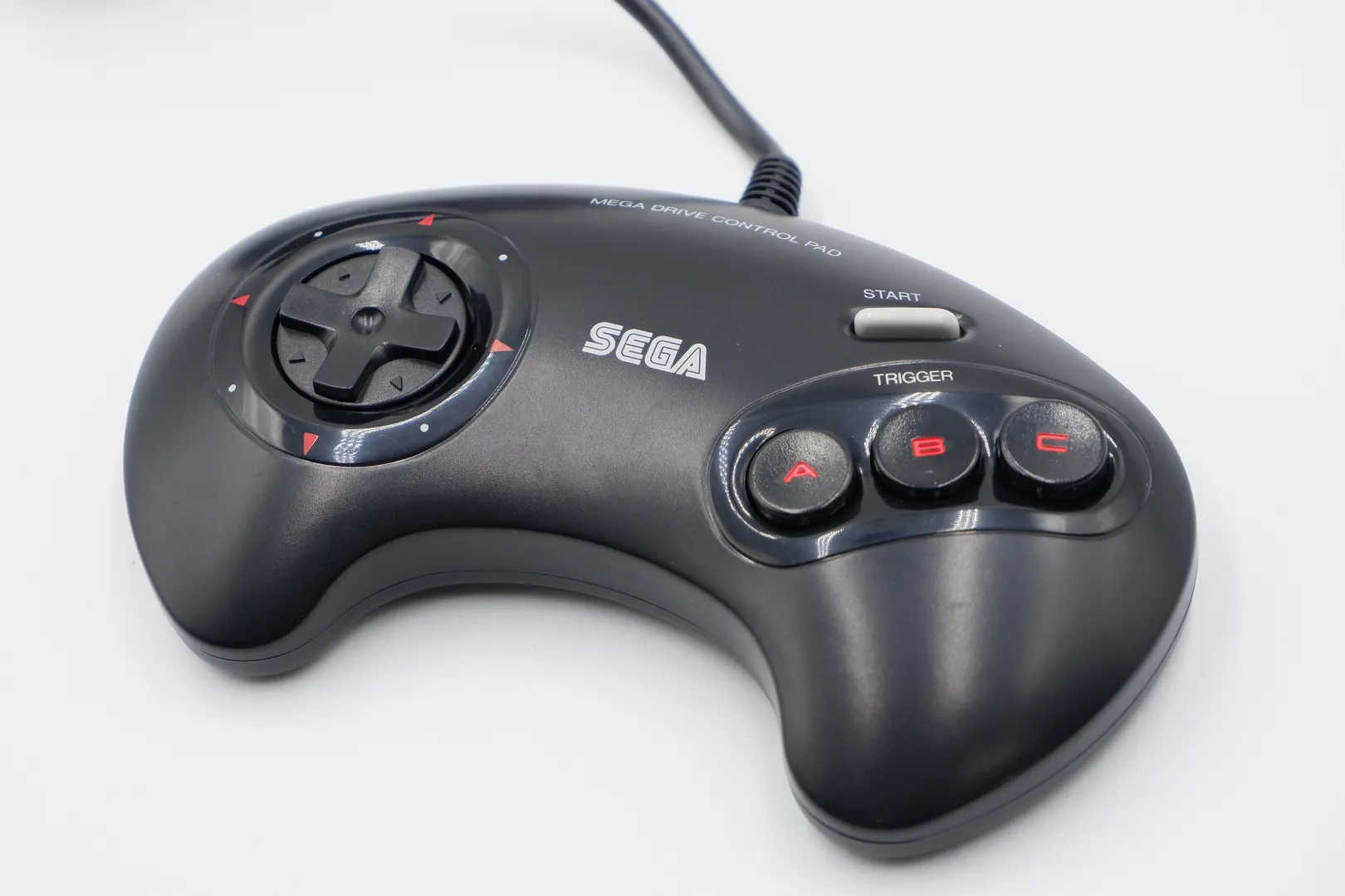
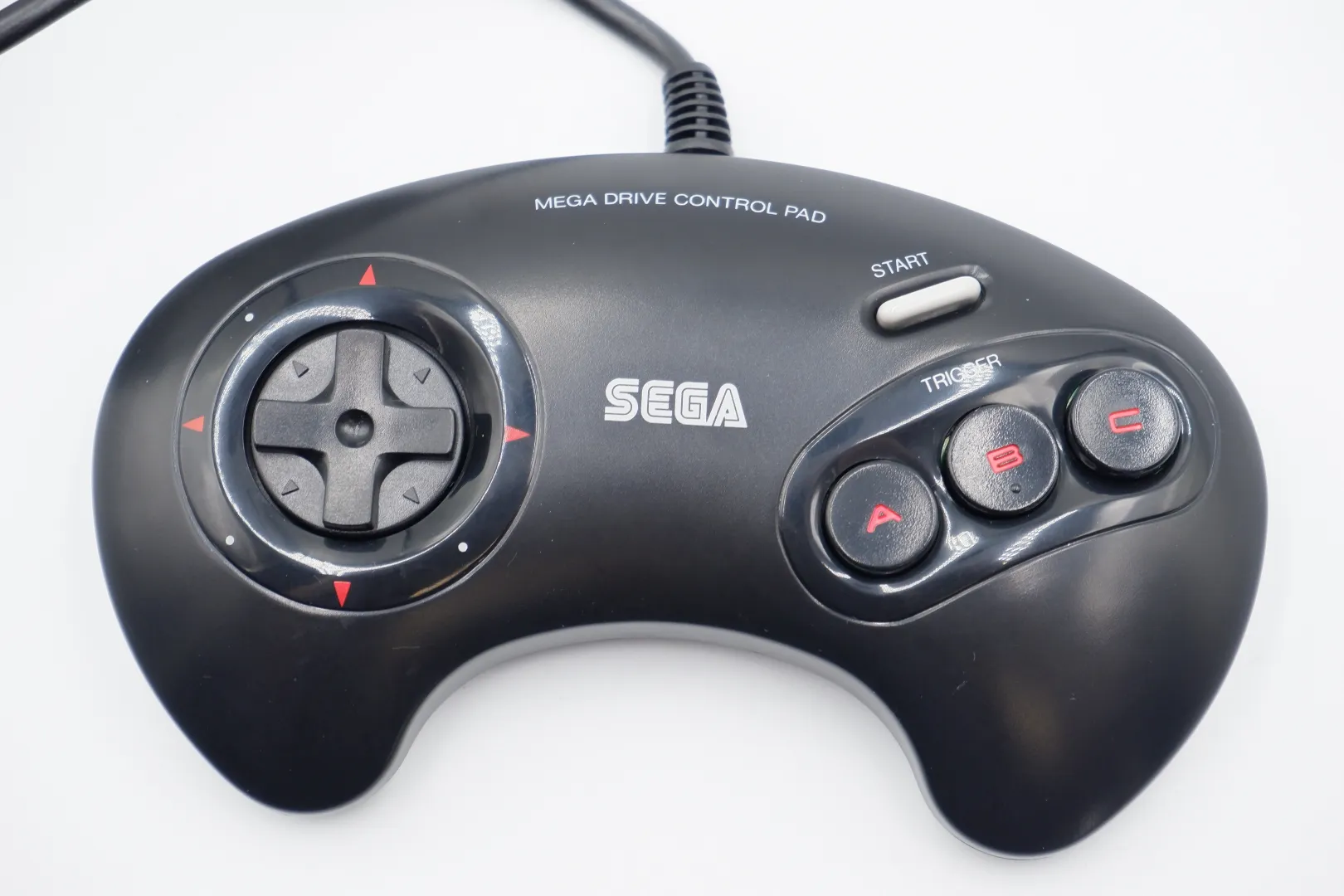
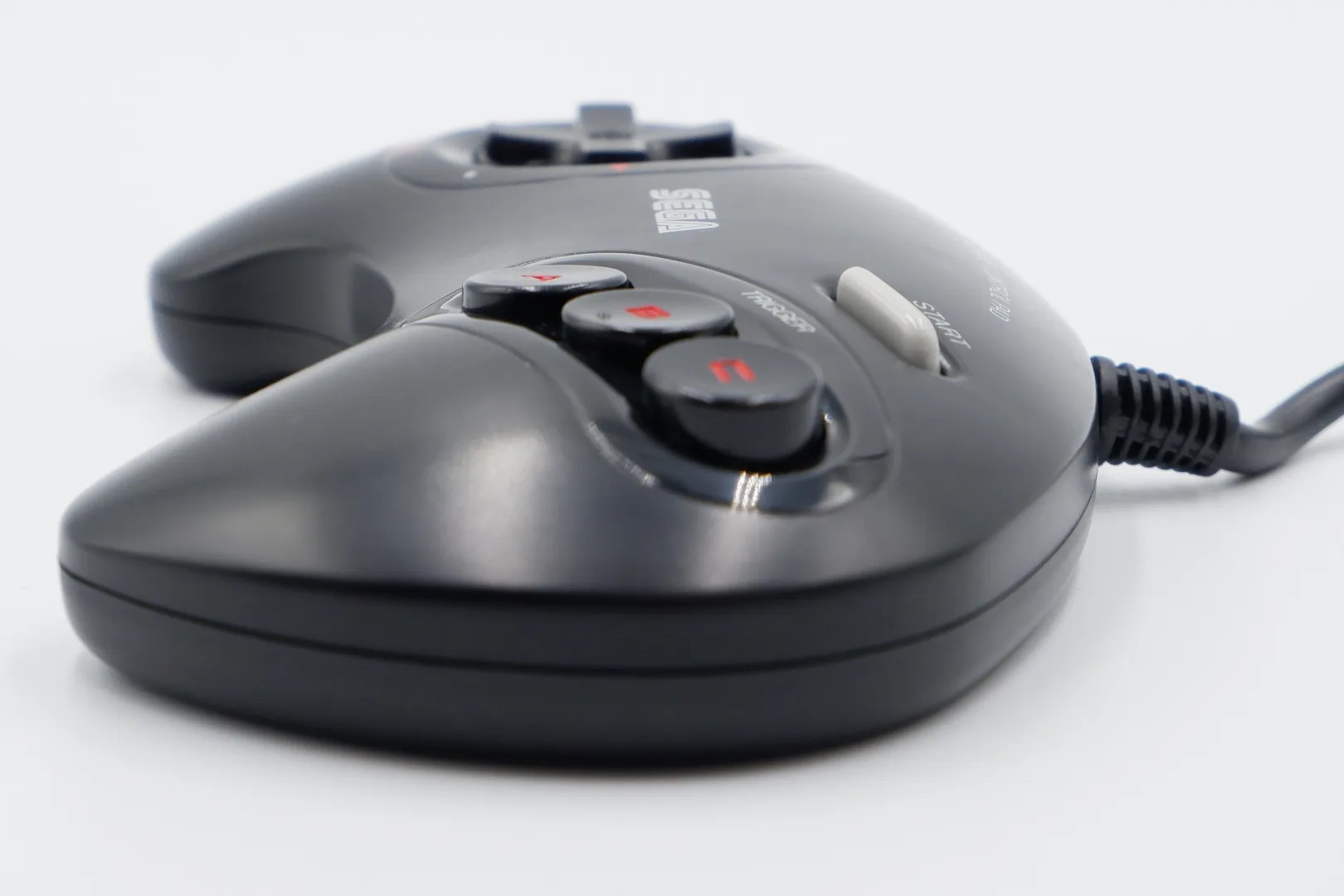
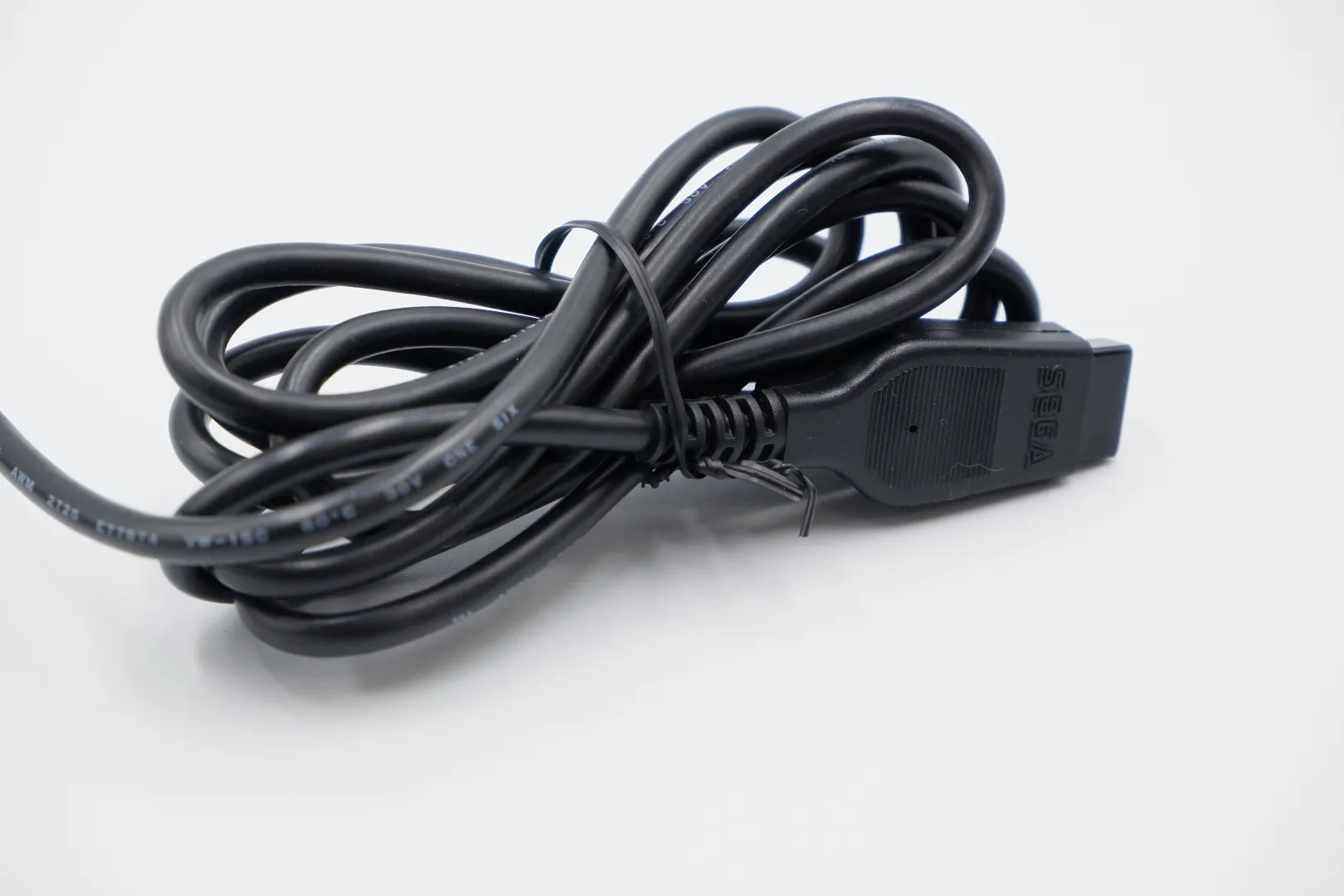
| Sega Mega Drive 3 Button Controller (1998) | ||||
| Item | Box | Manual | Insert | Price |
 | |  | | £14.99 |
| Boxed – No Manual Or Insert | ||||