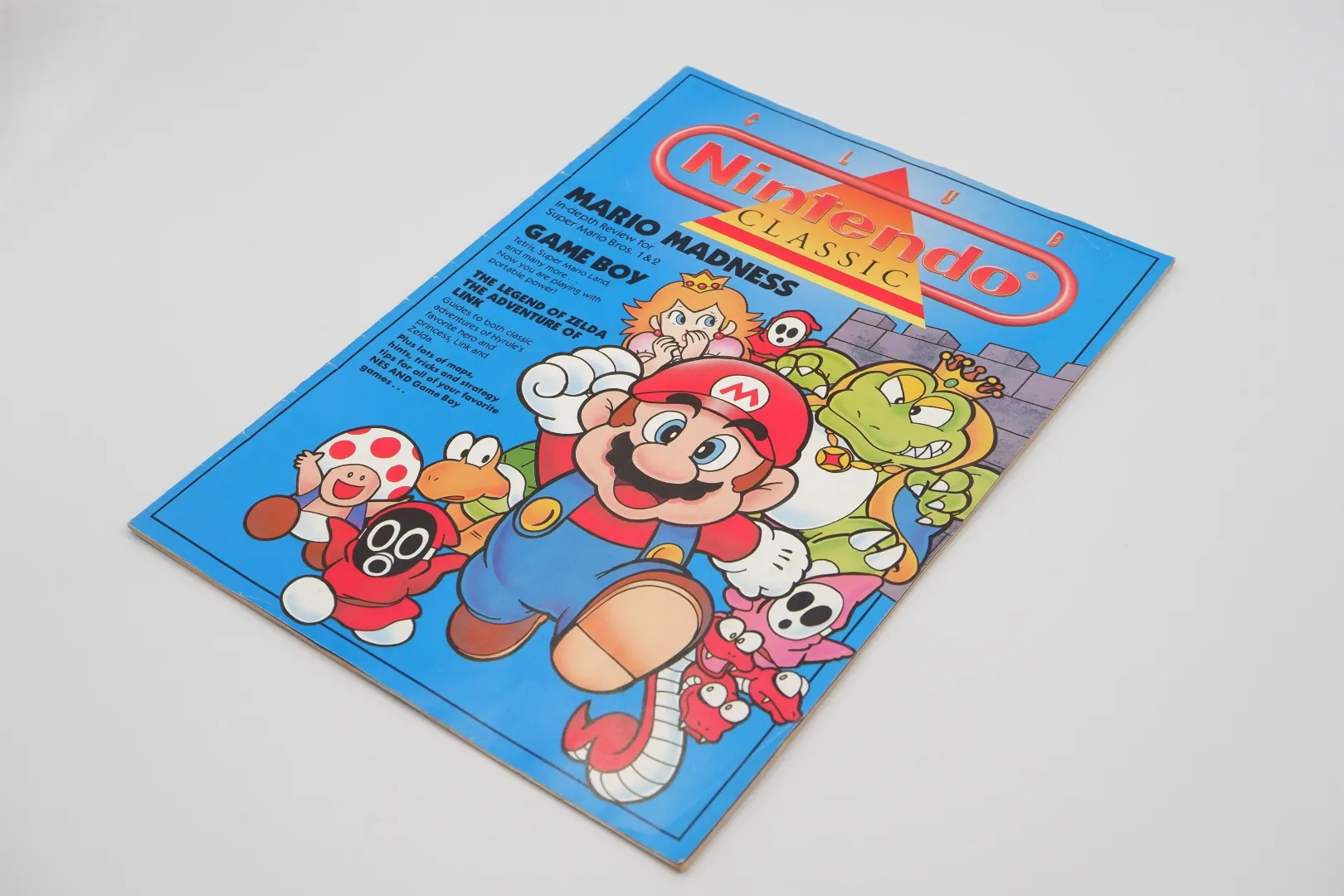
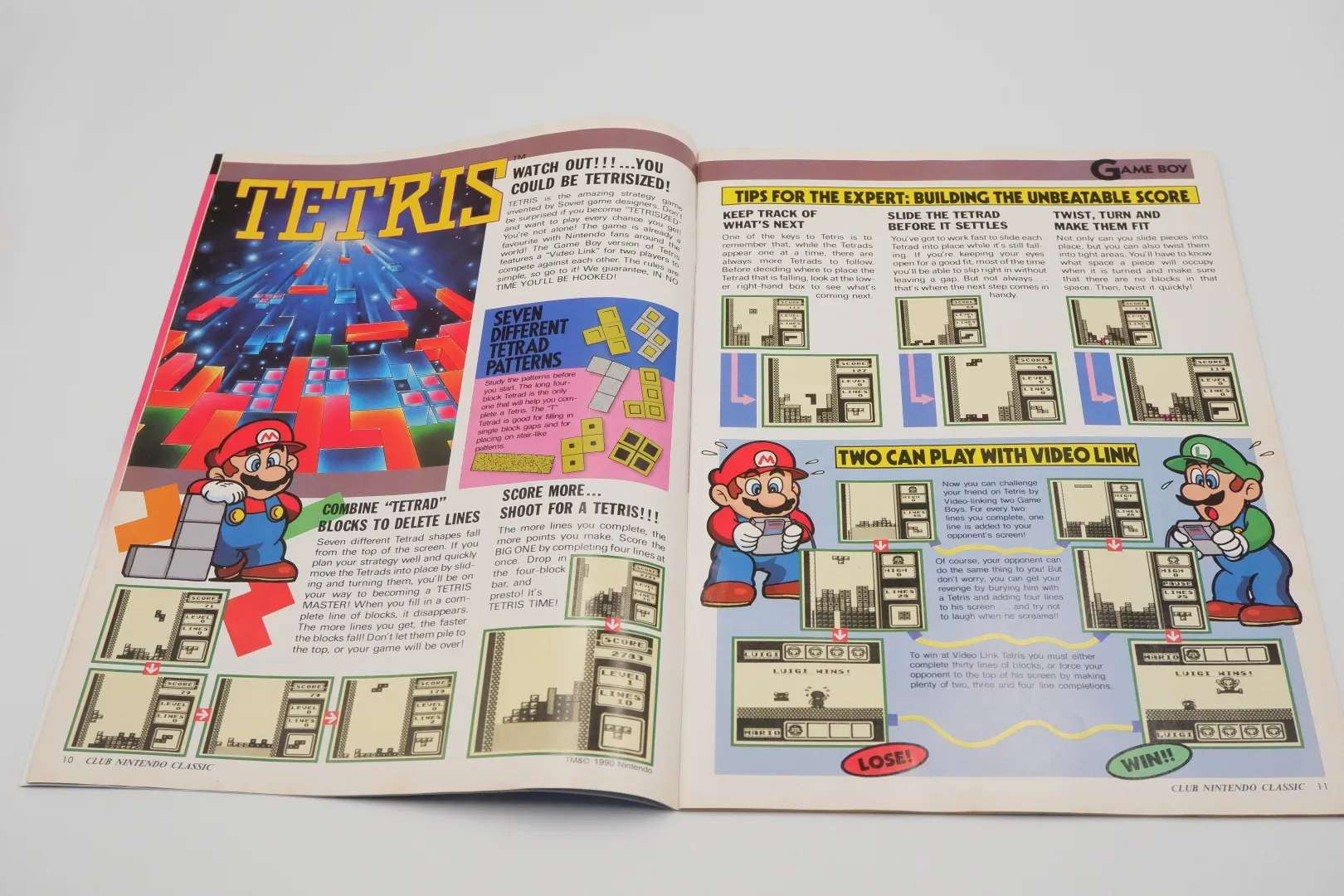
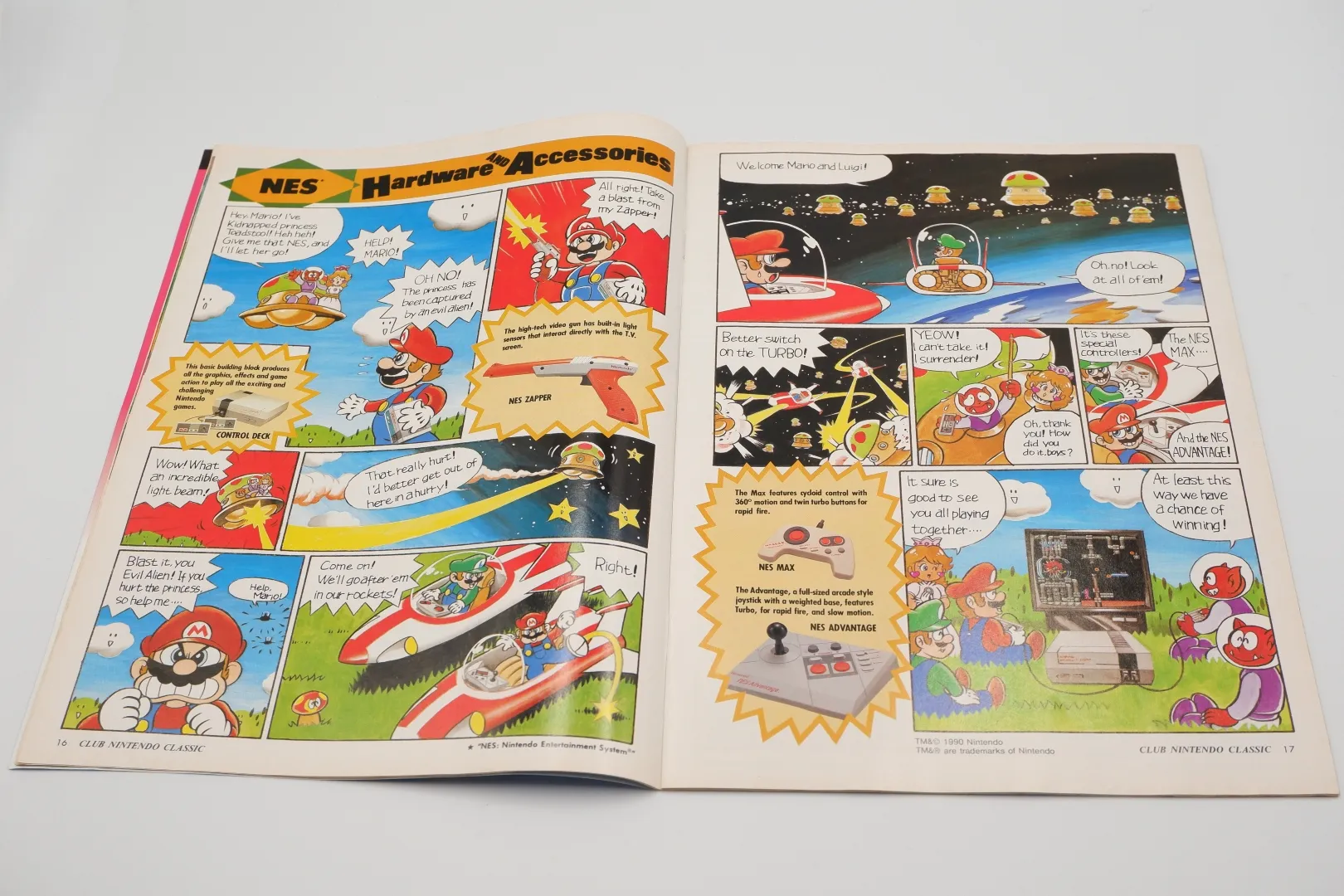
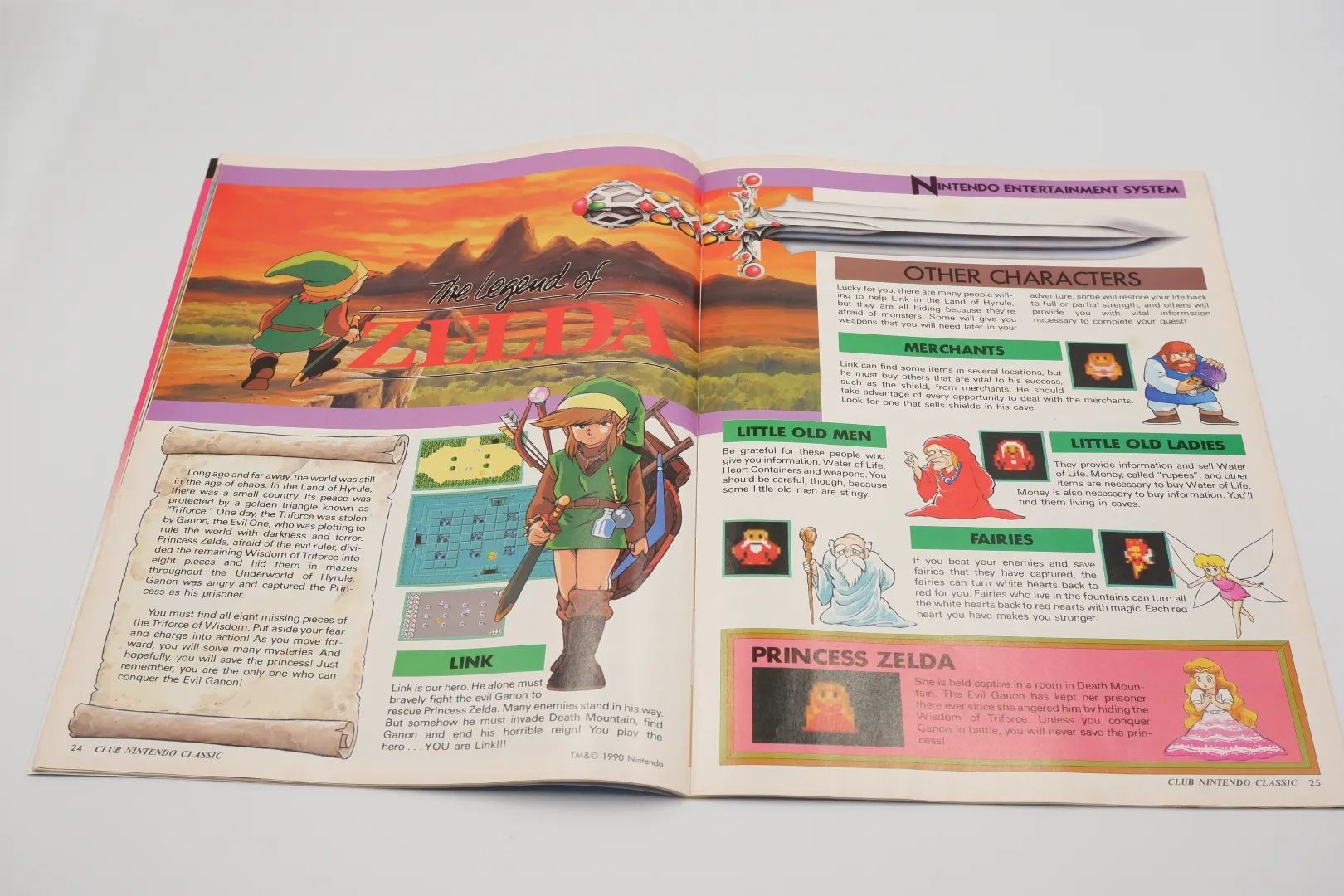
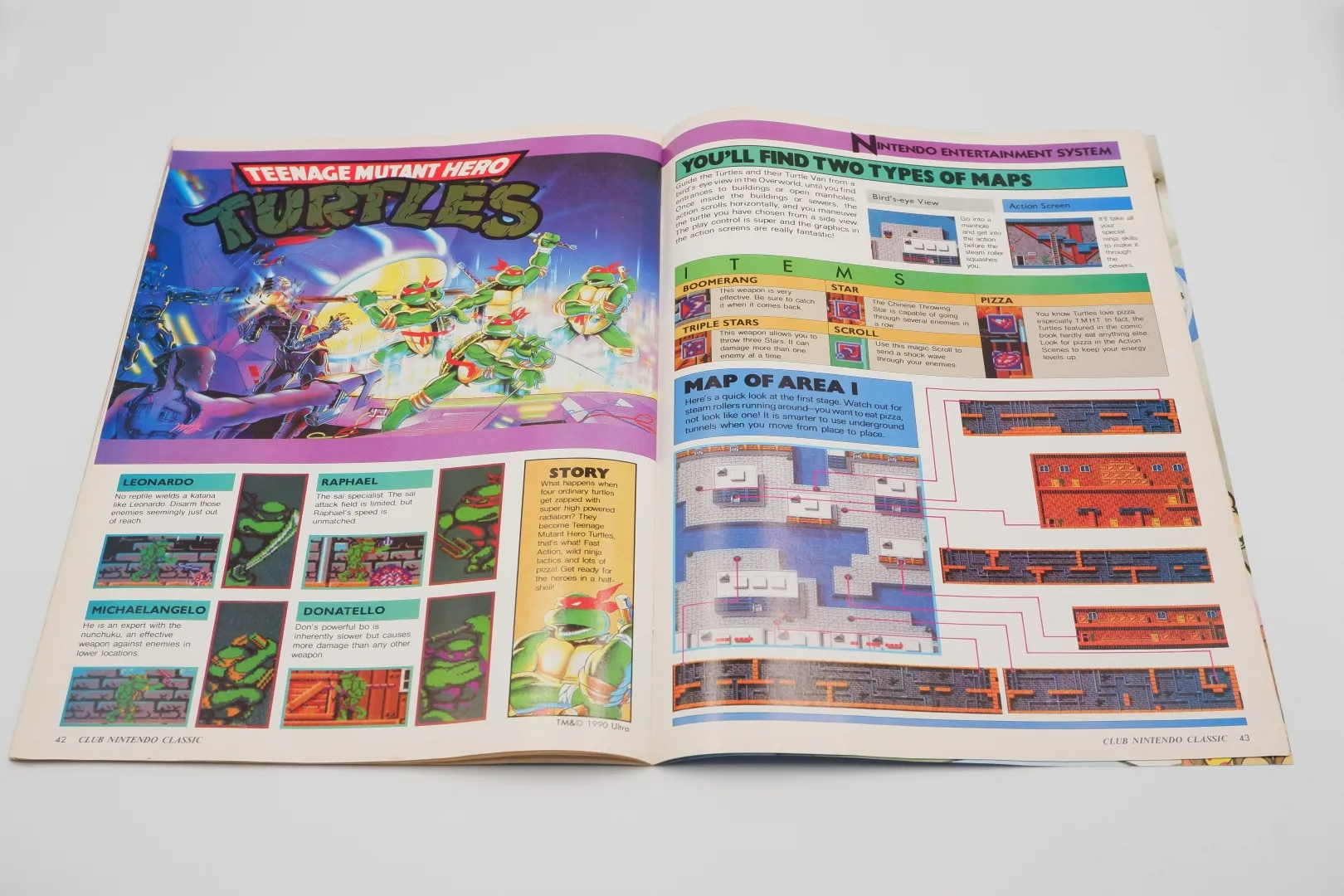
Club Nintendo Classic Magazine
Launched in 1989, Club Nintendo Classic was Nintendo’s official promotional print publication for Europe and Australia during the 8-bit and 16-bit eras, serving as the PAL region’s direct equivalent to North America’s Nintendo Power. Distributed directly through the mail to members of the official Club Nintendo fan service, it operated as a loyalty perk rather than a traditional newsstand magazine like Mean Machines or Total!.
Early issues featured a thin-paper, staple-bound format dedicated to NES and Game Boy coverage, packed with official game previews, walkthrough strategies, level maps, and character artwork.
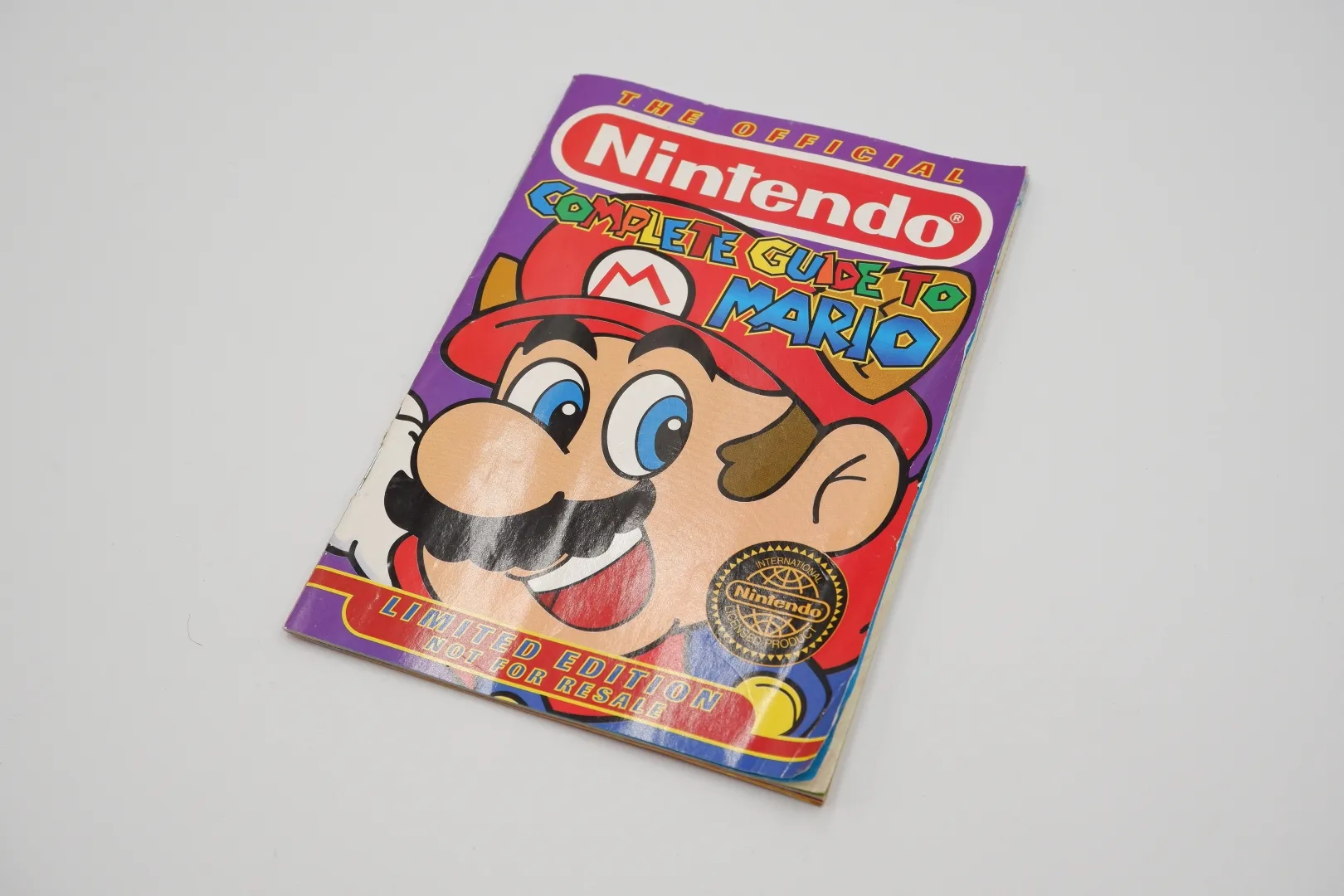
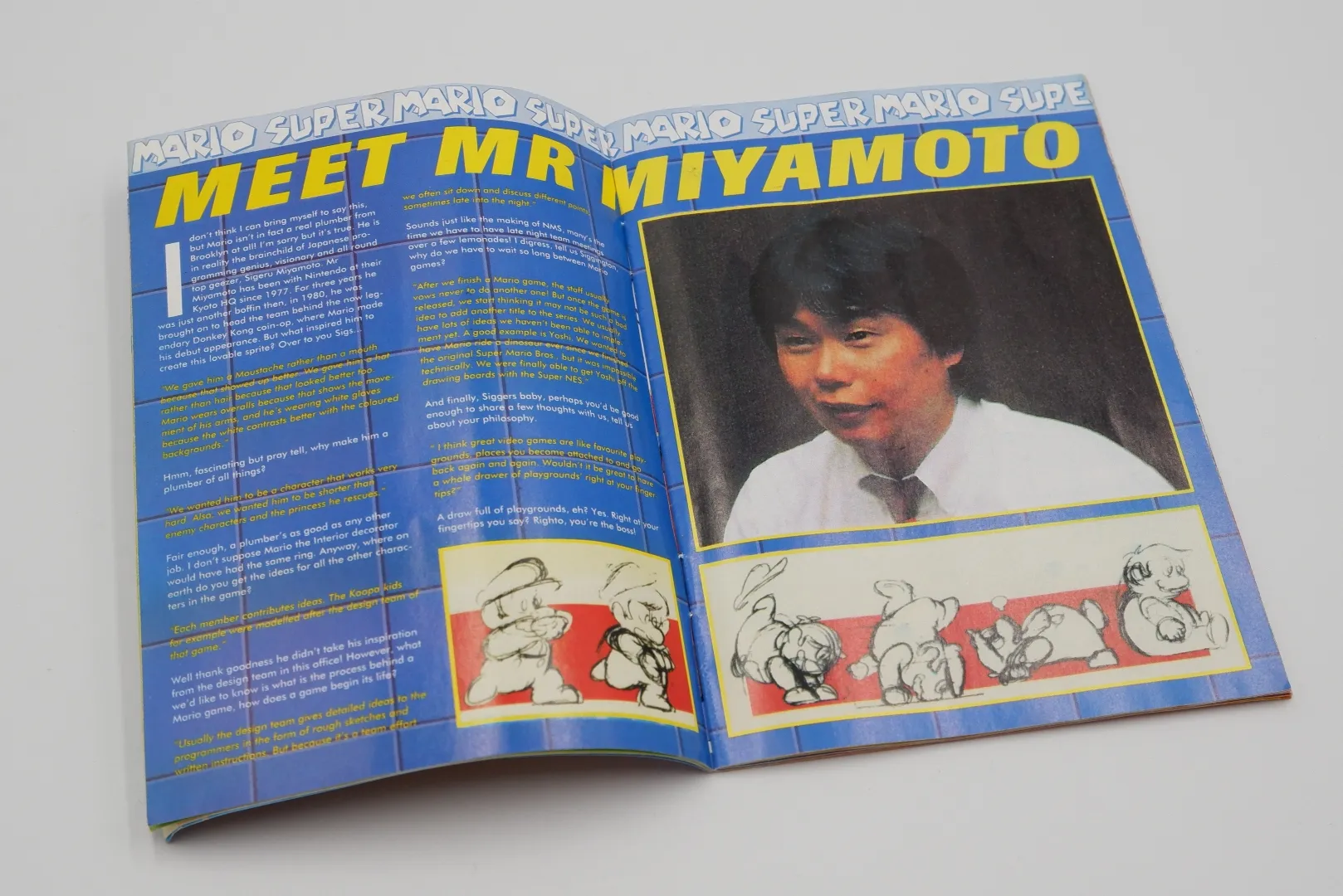
The Official Nintendo Complete Guide To Mario
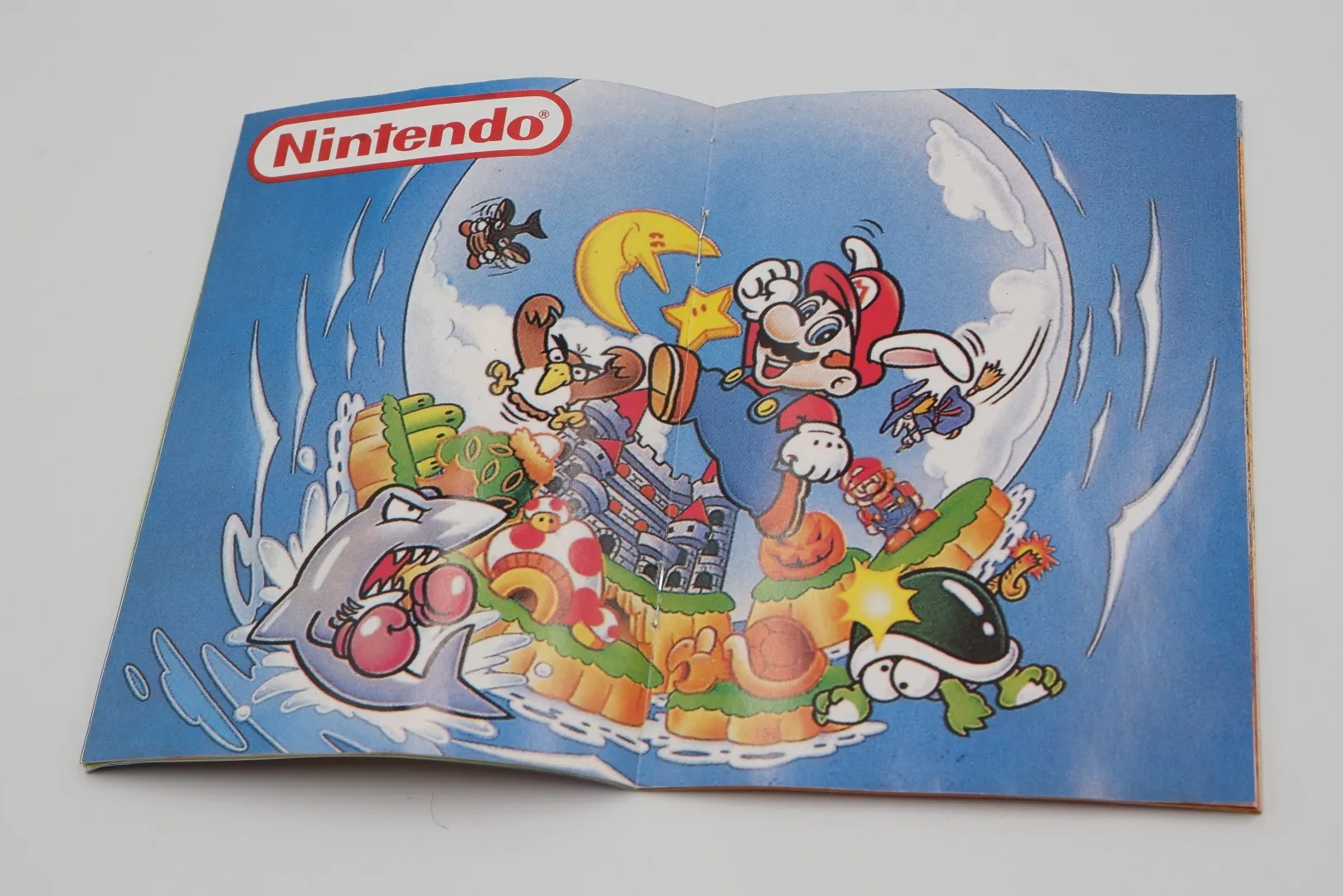
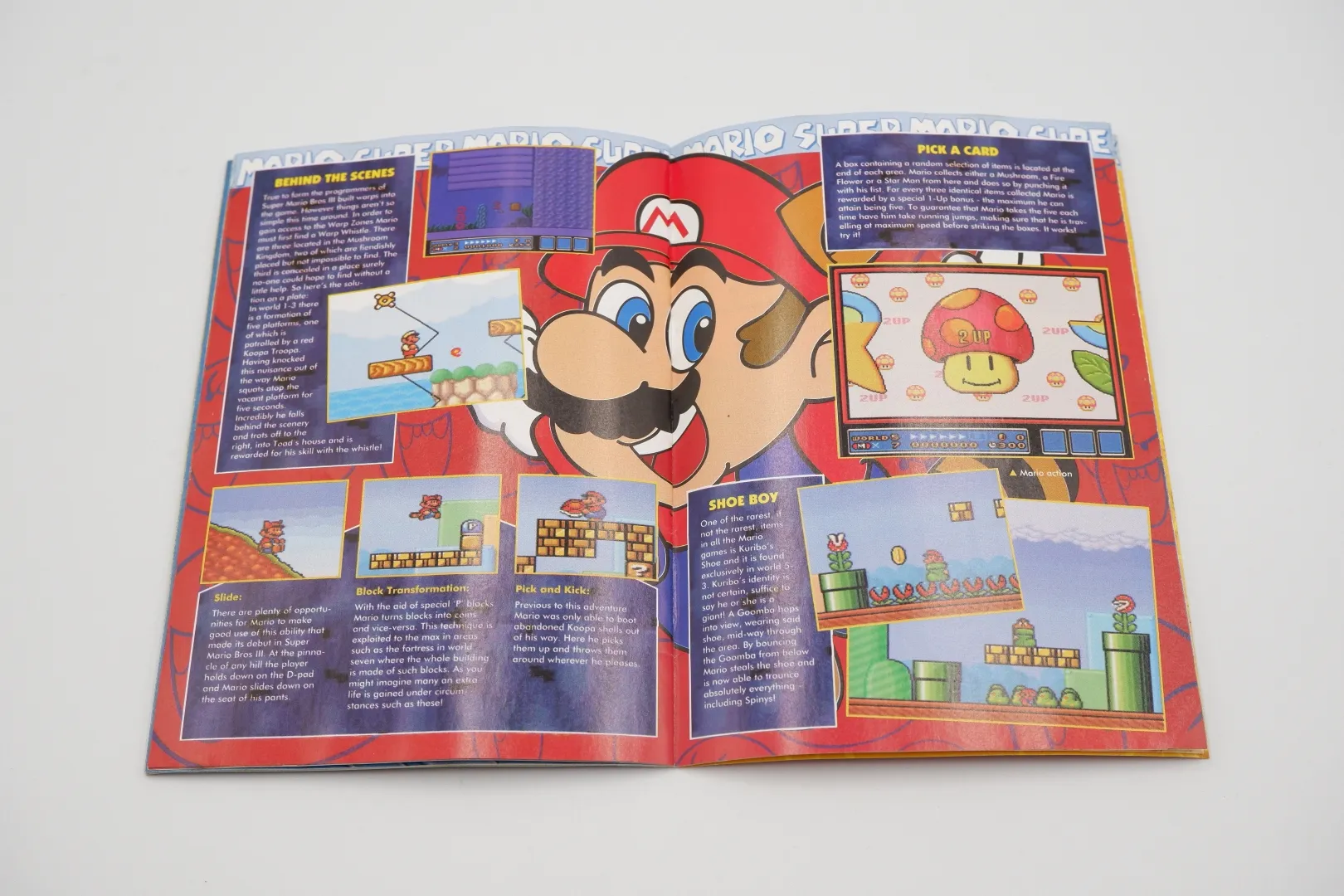
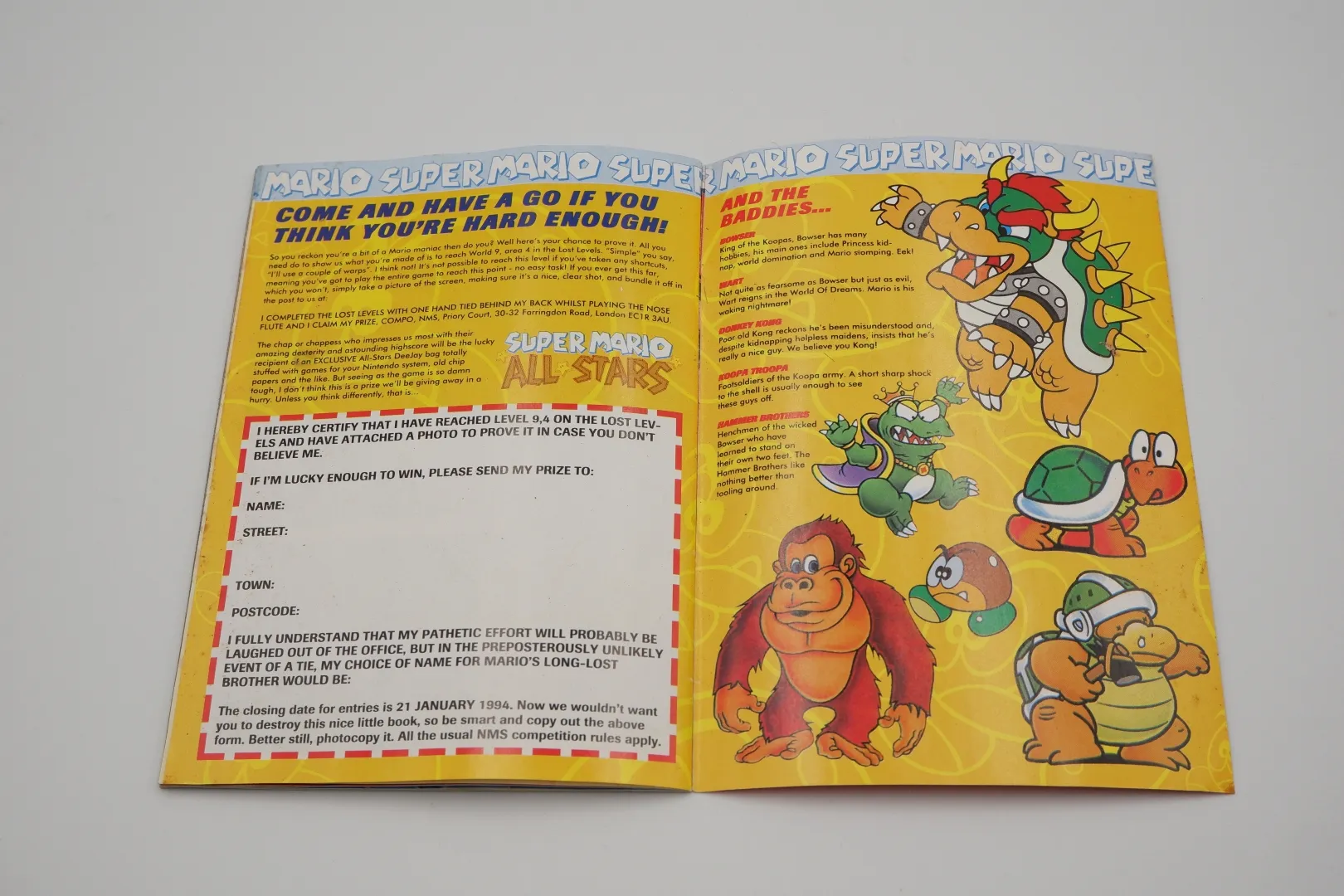
Published in the UK during the early 1990s, The Official Nintendo Complete Guide to Mario was a rare, limited-edition promotional booklet distributed exclusively as a cover-mounted supplement alongside official gaming publications like Nintendo Magazine System. Marked “Not for Resale,” this staple-bound mini-magazine was created as a collector’s strategy guide and a celebration of the franchise rather than a standalone newsstand release.
Inside, the guide featured comprehensive coverage of Mario’s early legacy, spanning 8-bit NES classics like Super Mario Bros. 1, 2, and 3 alongside 16-bit heavyweights such as Super Mario World and Super Mario Land 2: 6 Golden Coins. Packed with full-colour official artwork, character bios, level maps, and hidden warp zone secrets, it offered players complete walkthroughs and tips for every major release of the era. Because it was distributed solely as a promotional pack-in, well-preserved physical copies remain prized items among retro PAL collectors today.
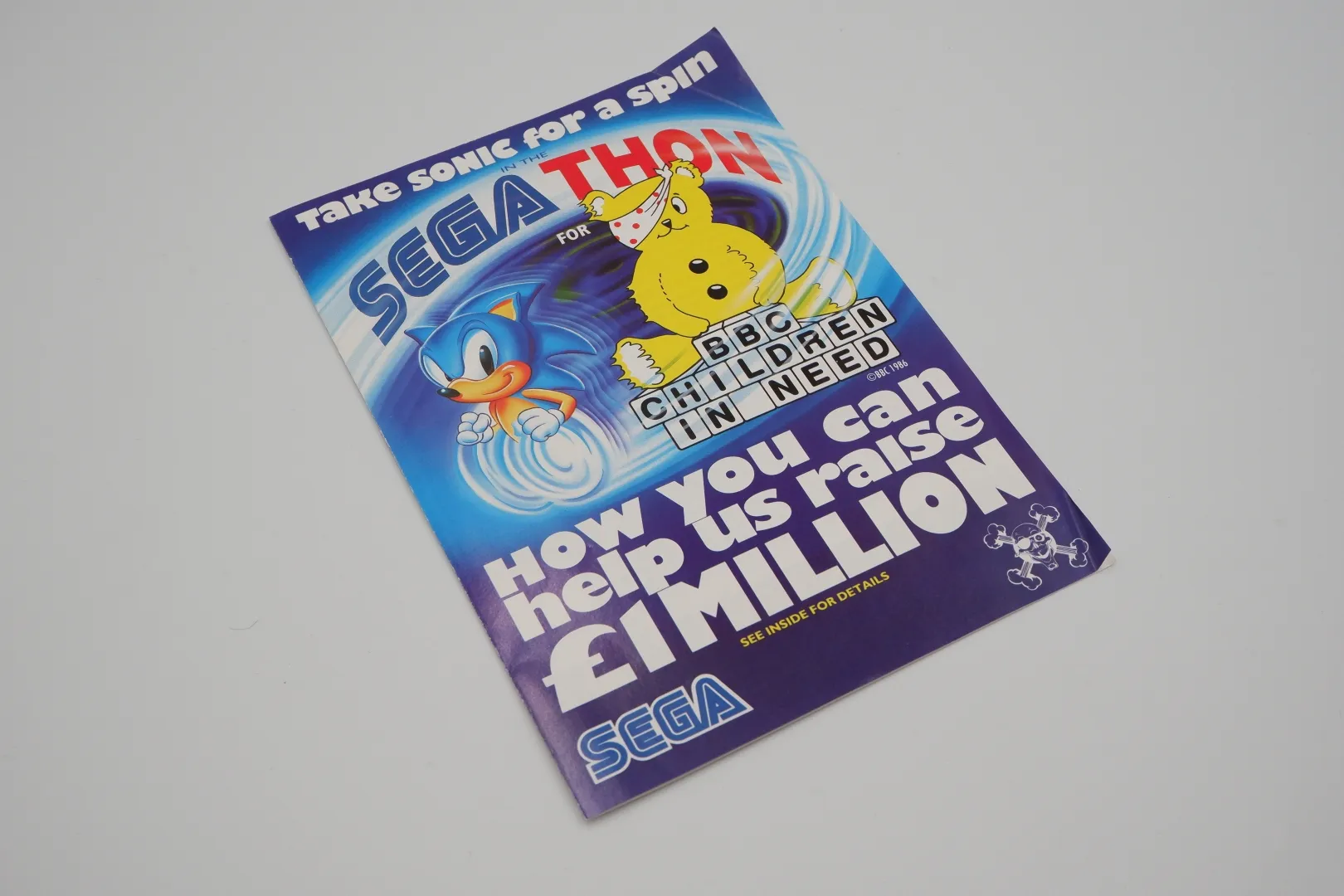
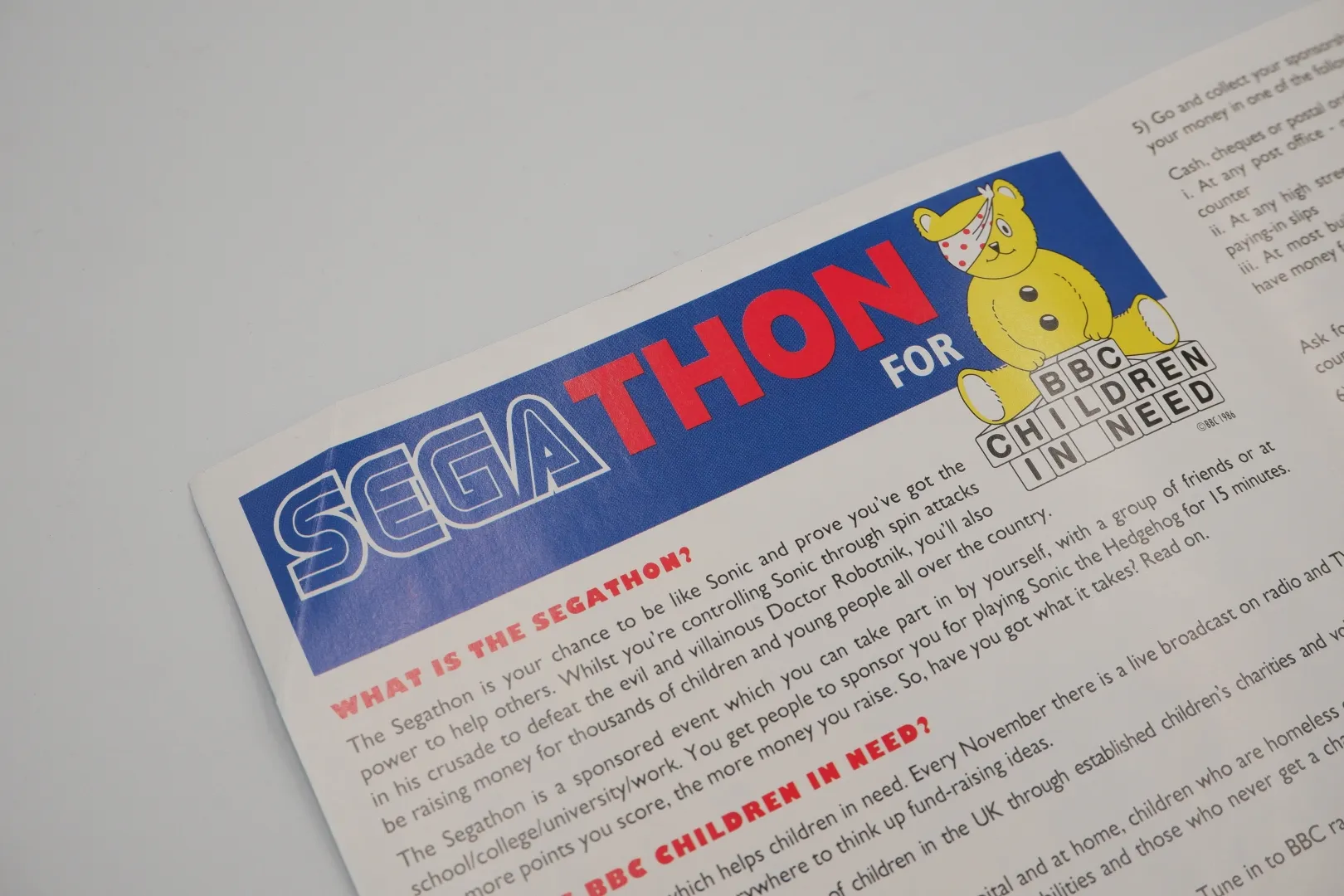
Children In Need Segathon Leaflet
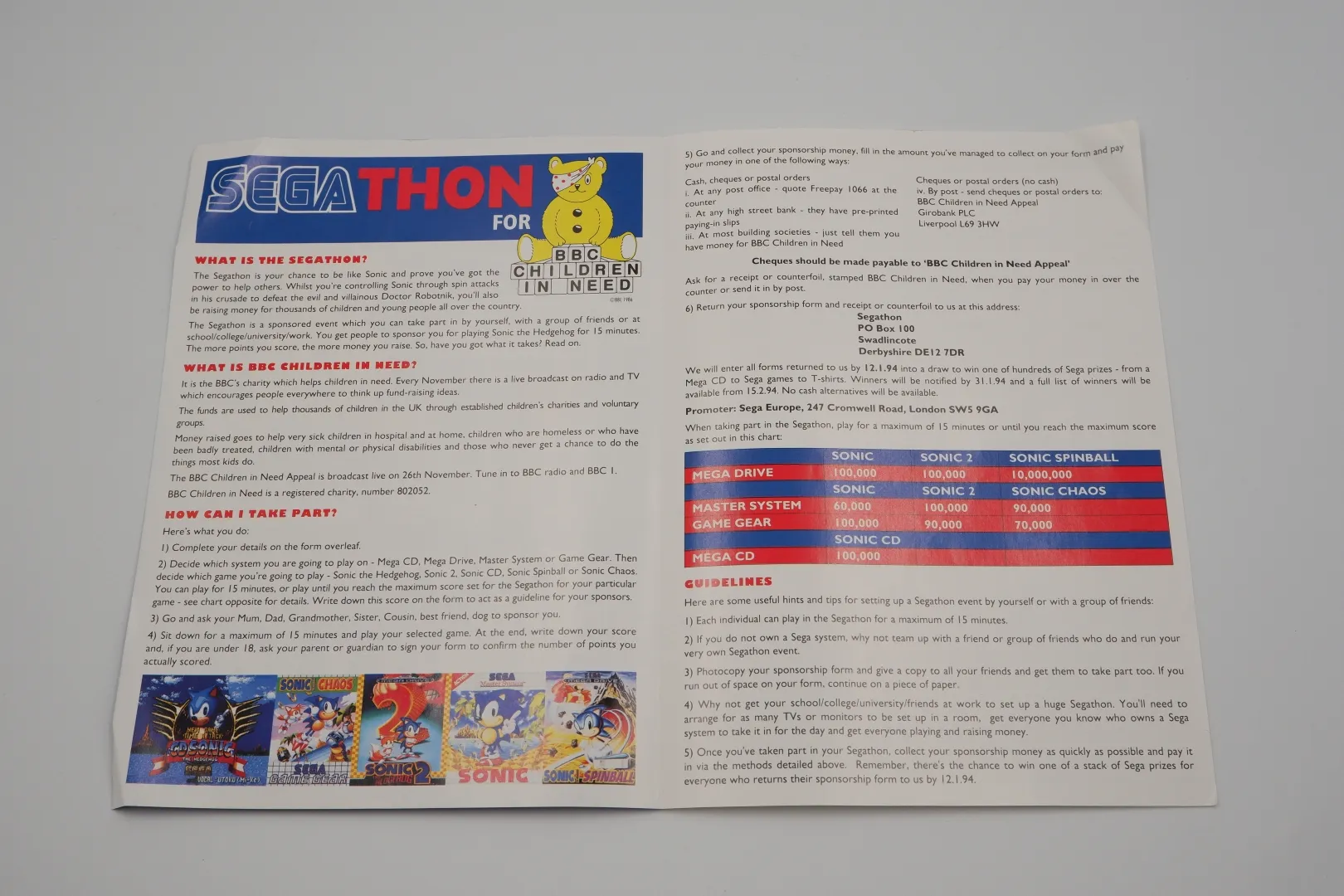
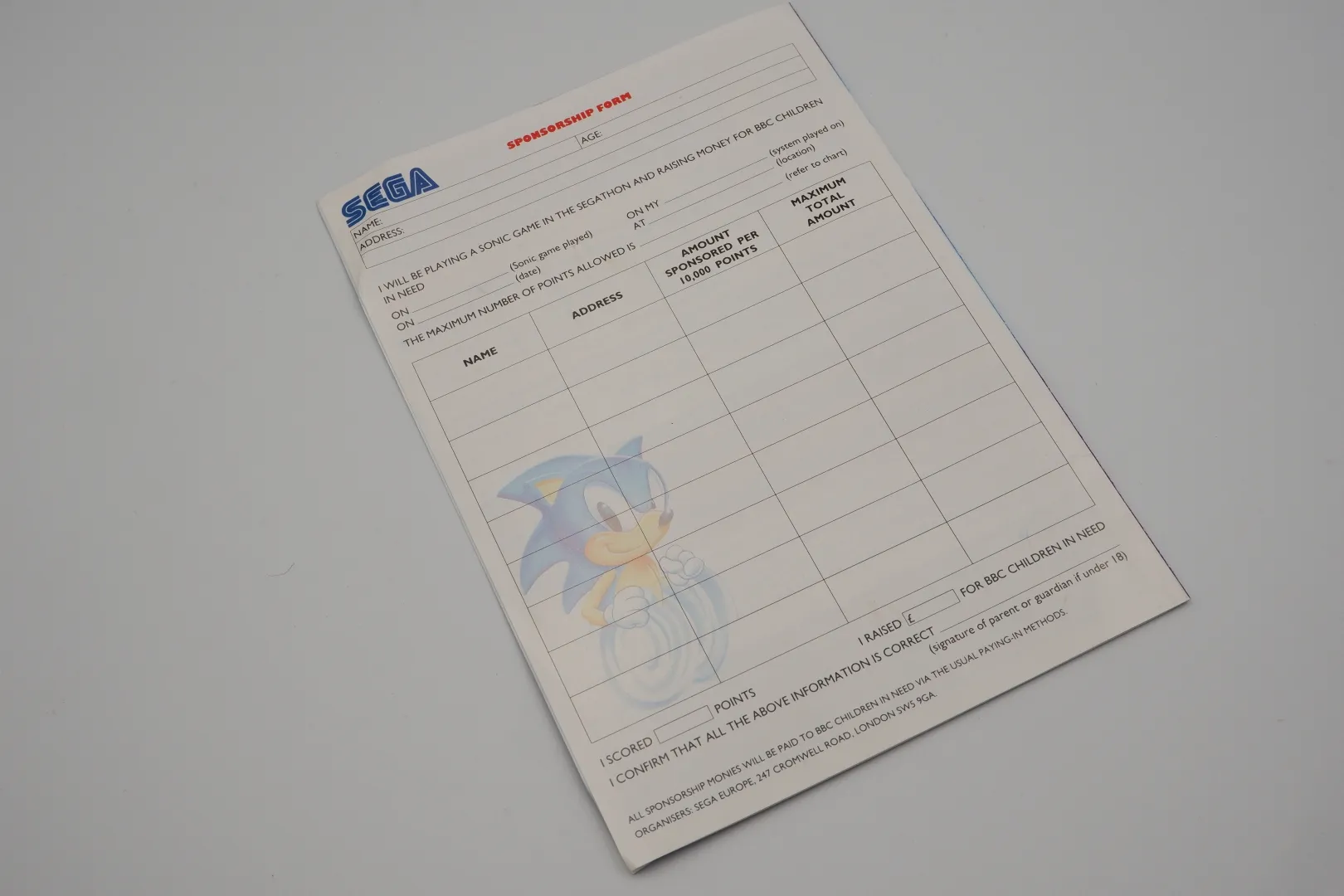
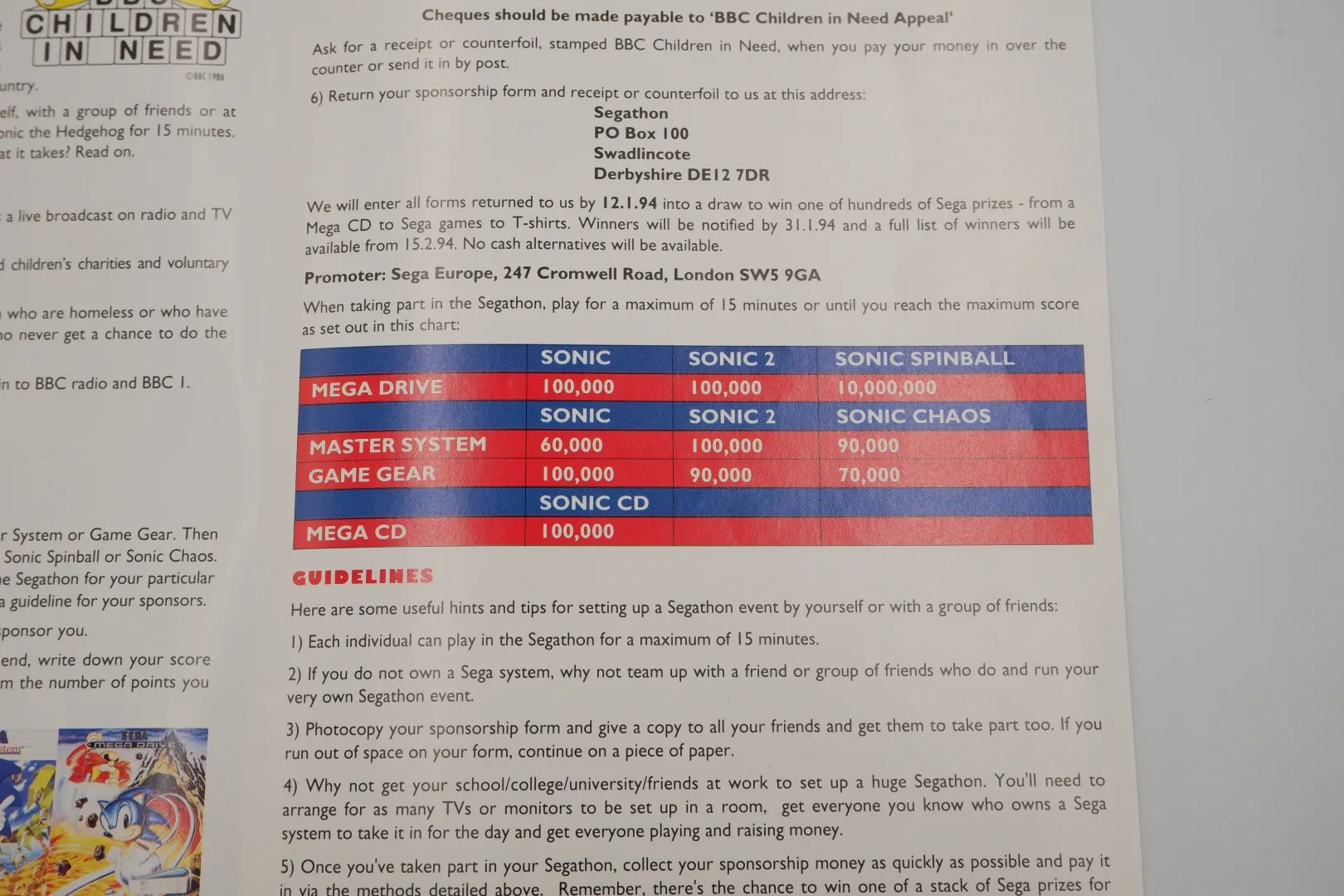
The Segathon (or SEGA-thon) was a major UK fundraising event sponsored by Sega Europe to support the BBC Children in Need charity appeal during the height of the 16-bit video game boom. While Sega backed various charity drives in the early 1990s, the official nationwide Segathon campaign launched in November 1993 and continued into 1994, capitalizing on the massive popularity of Sonic the Hedgehog on the Mega Drive. To participate, players collected official entry forms from major UK high street outlets like Blockbuster Video, Ritz Video, or clipped them from gaming magazines like Mega. Players then secured sponsorship from friends and family based on their gameplay performance. Sponsors typically pledged money either for a continuous 15-minute survival challenge or a set financial donation for every 10,000 points scored in a Sonic game. All collected funds went directly to BBC Children in Need to support disadvantaged youth across the UK. This promotion allowed Sega to generate significant charitable donations while heavily promoting its brand during the fierce console wars of the era.