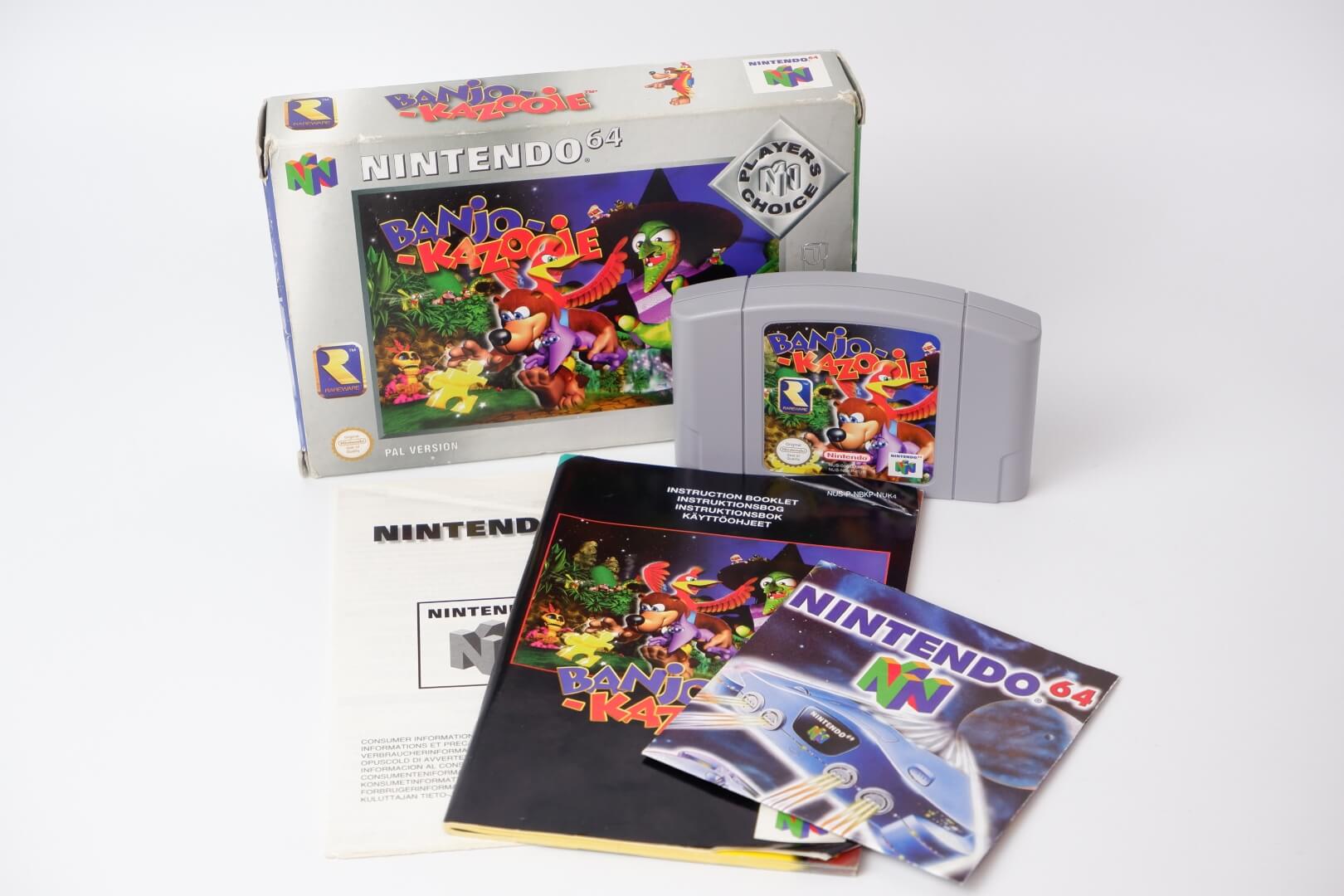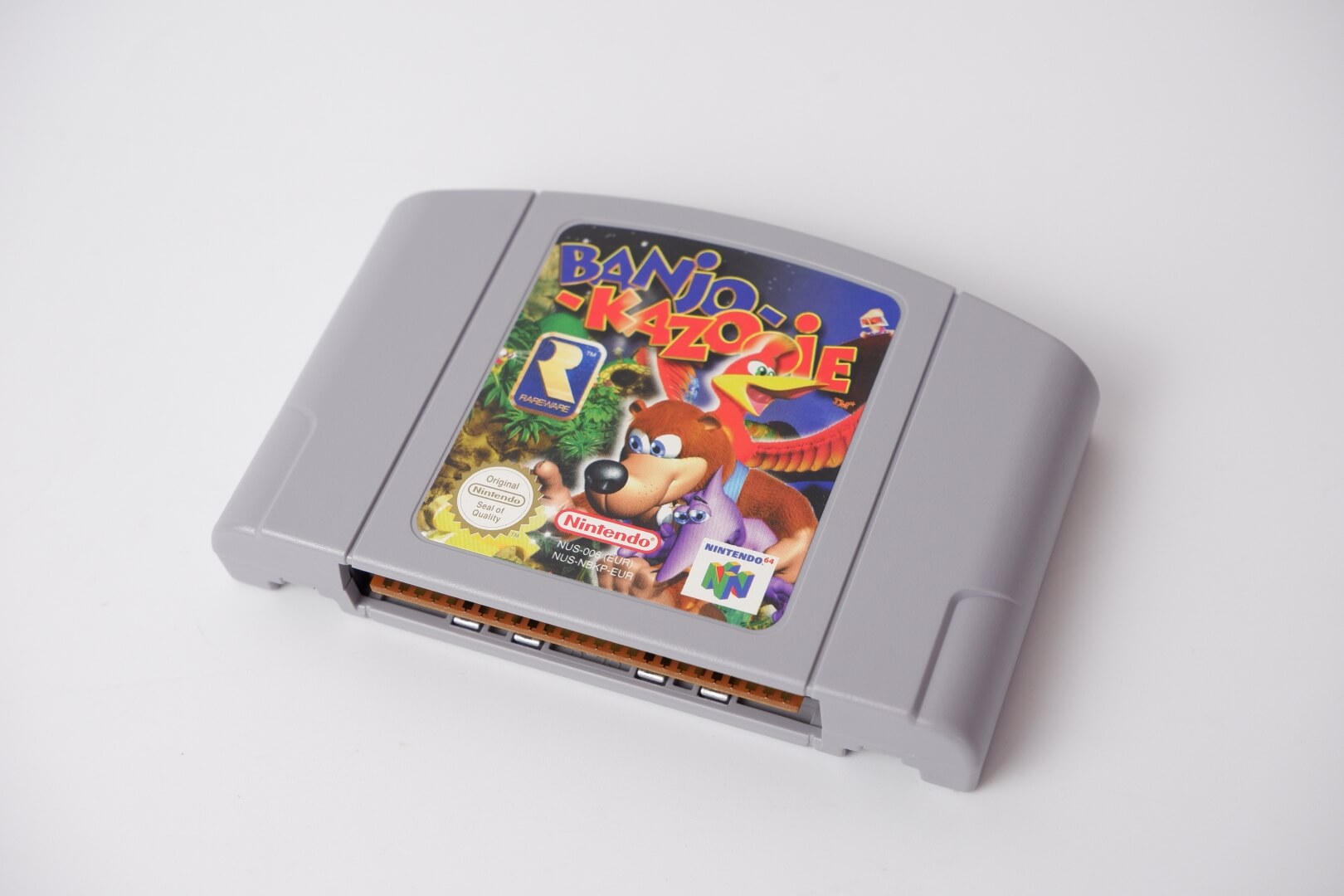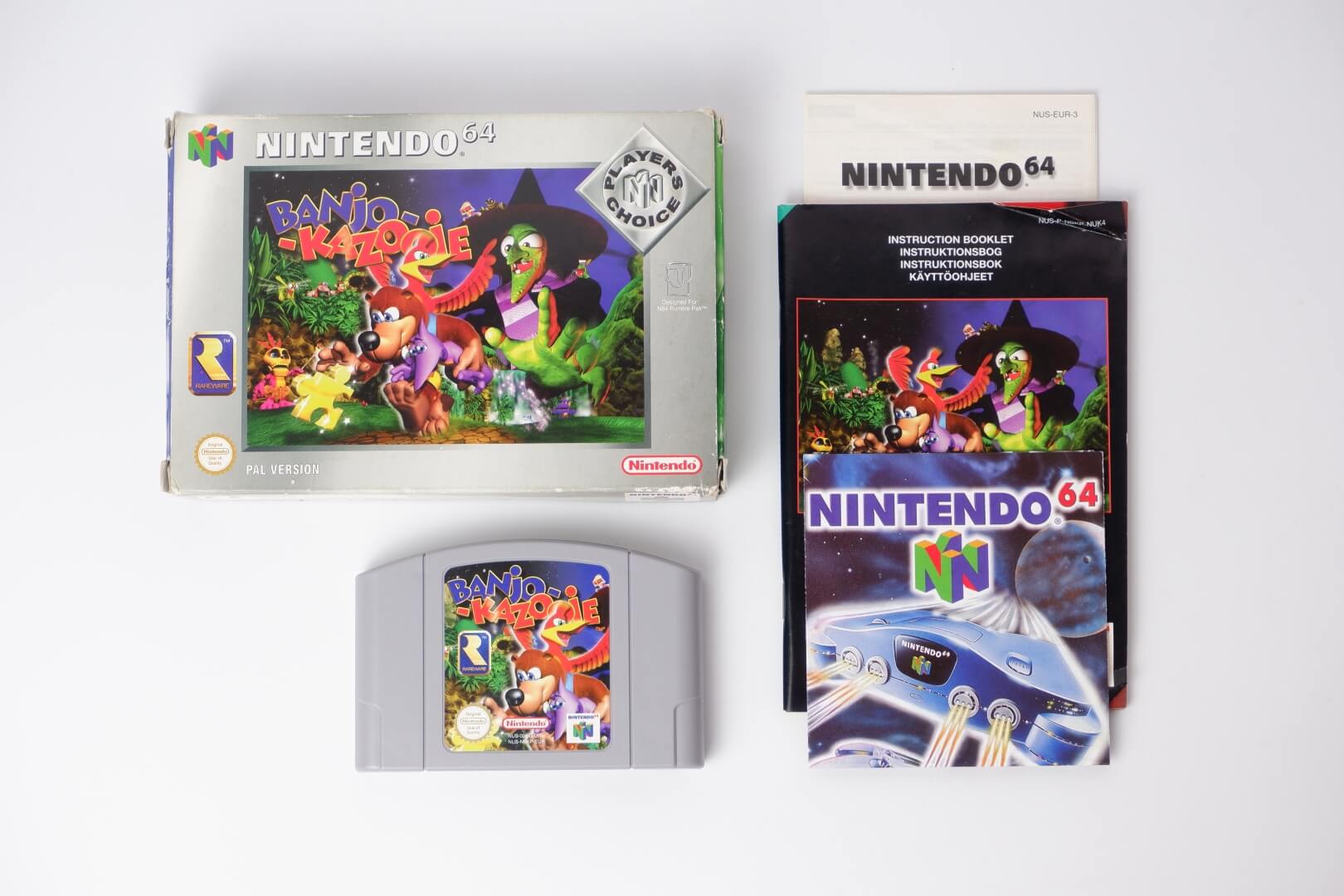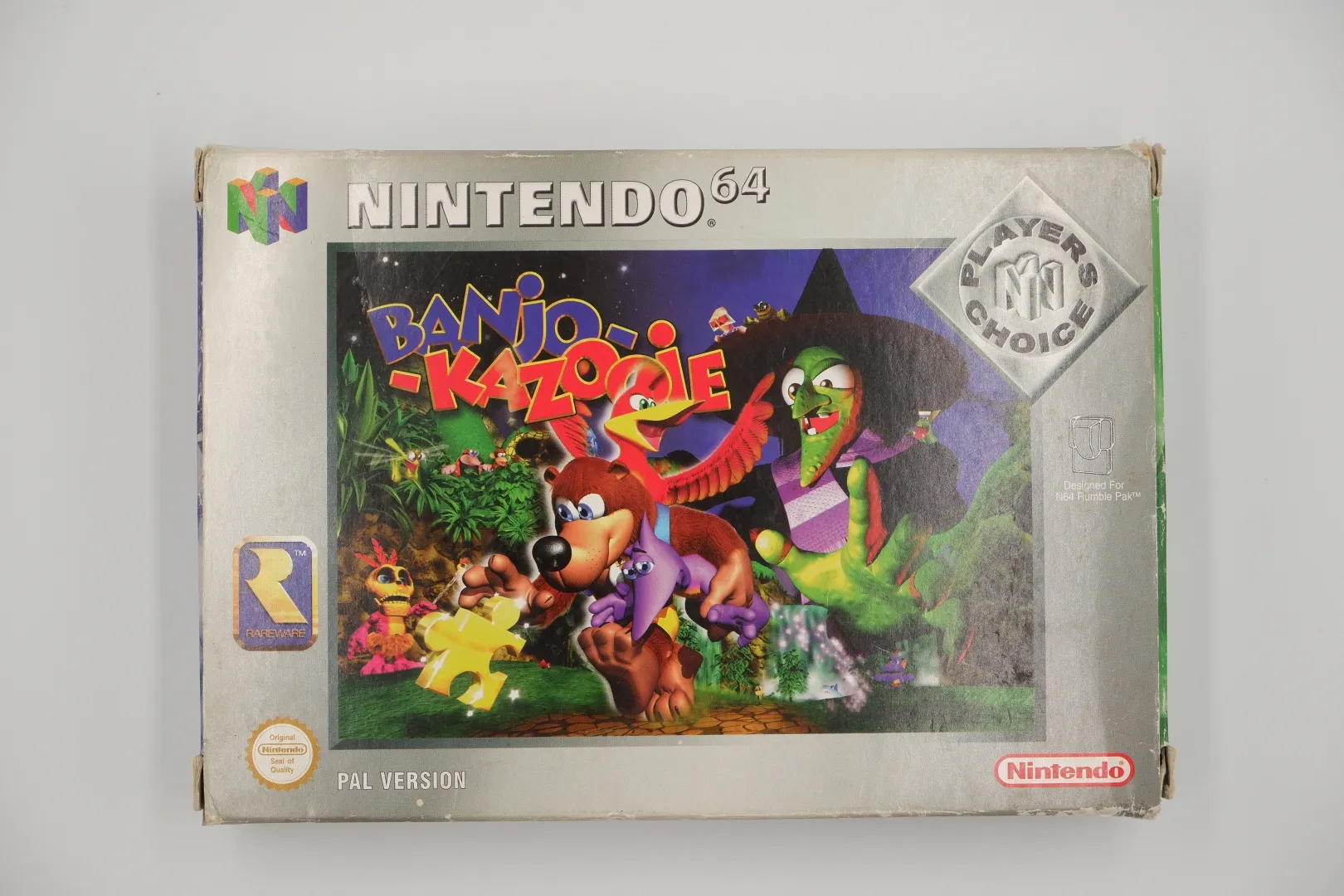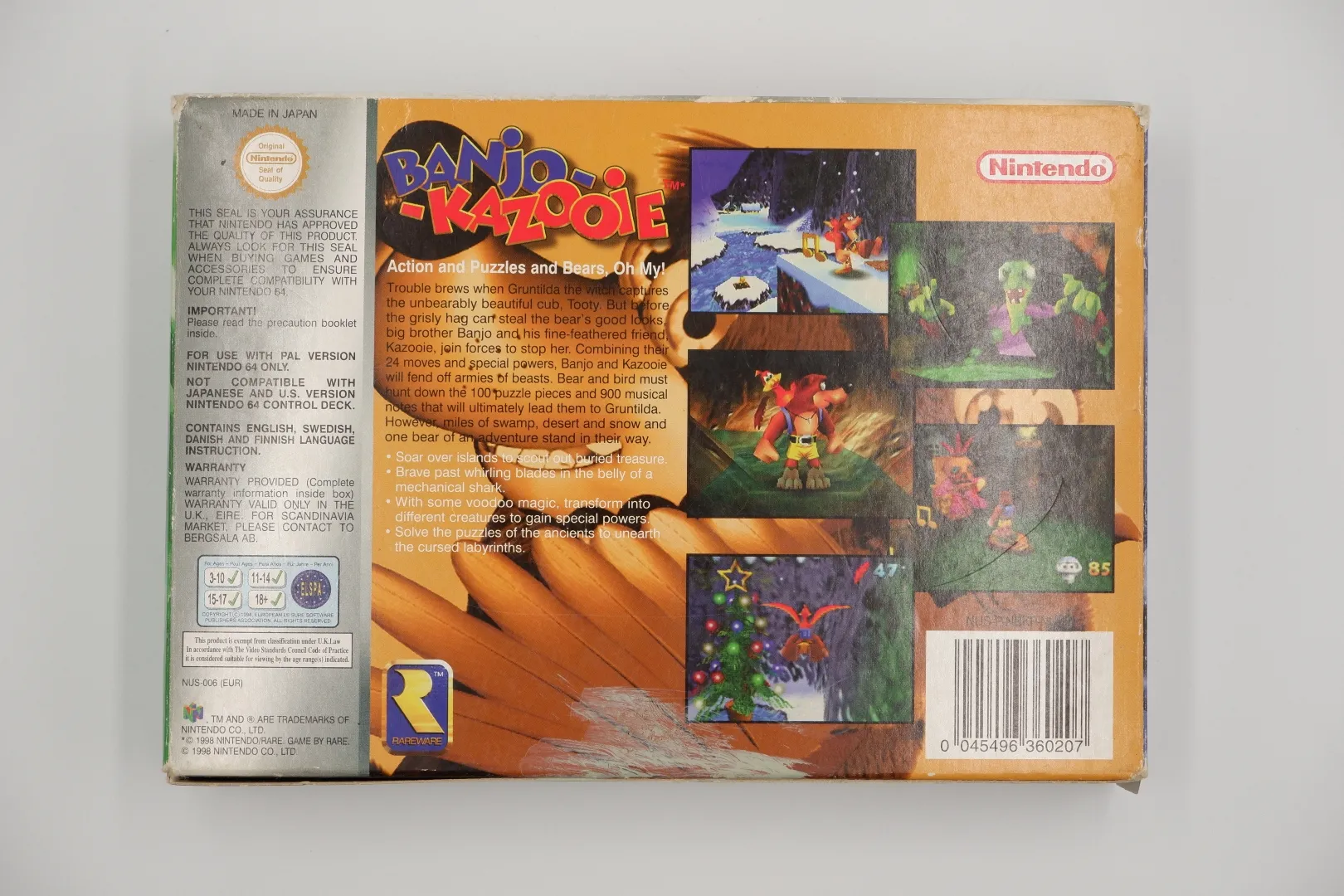
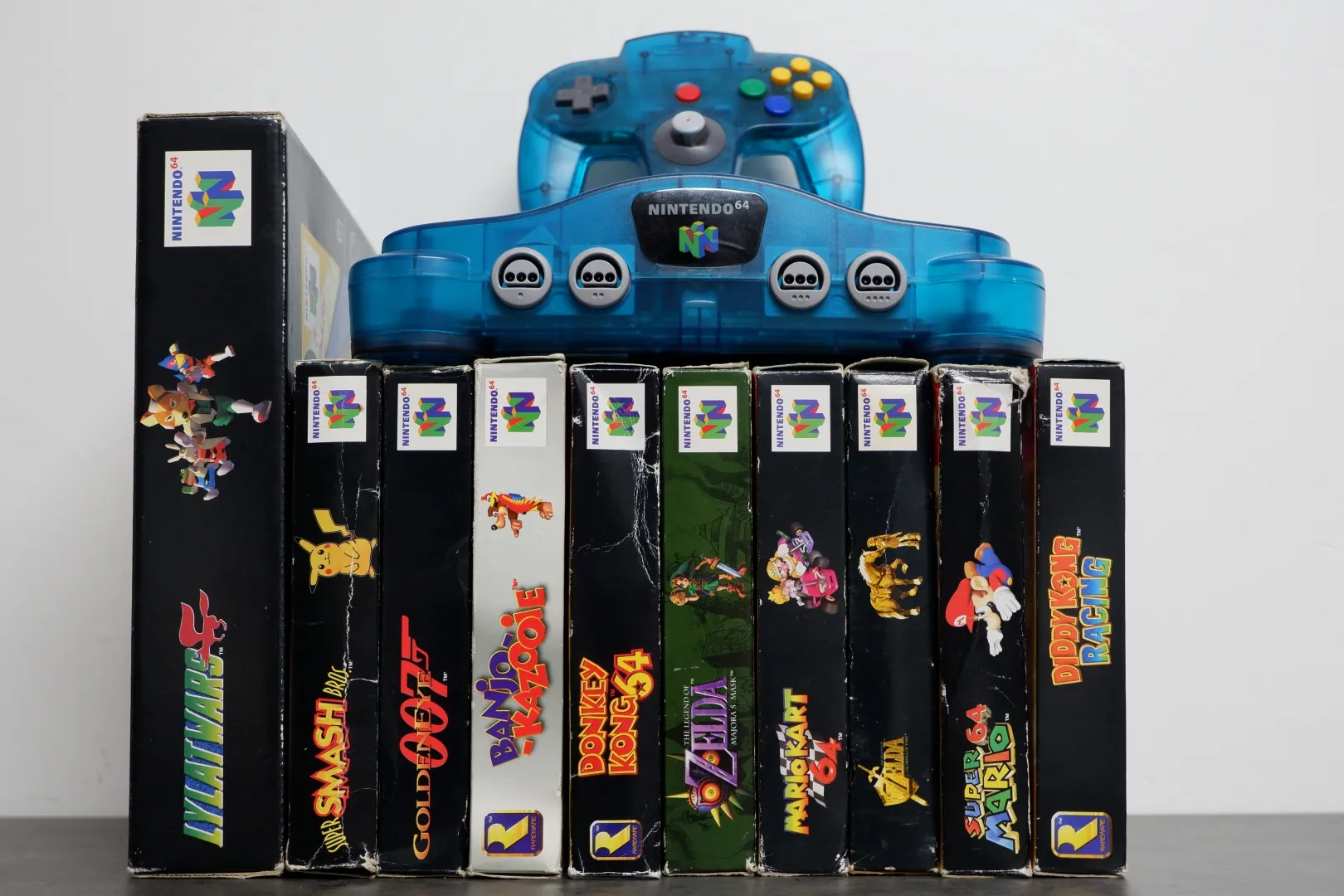
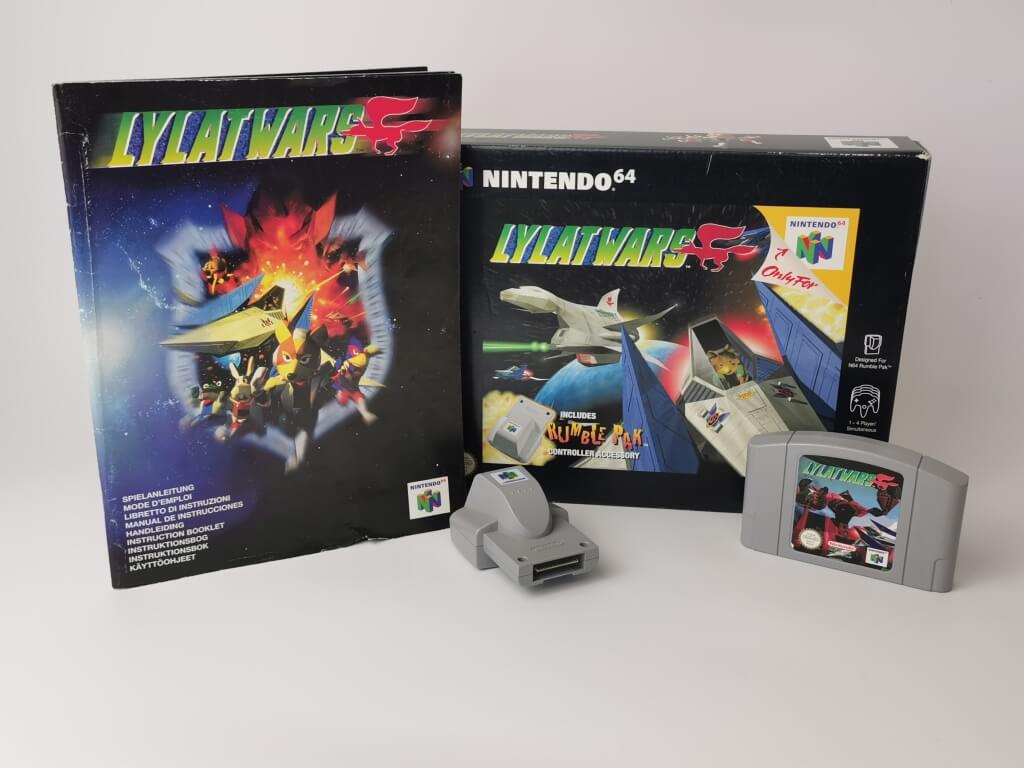
Collecting for the N64 is much like collecting for the other cartridge based games, it is difficult to find the boxes in a good acceptable condition. I will eventually need to swap out Banjo-Kazooie, as it is the classics version.
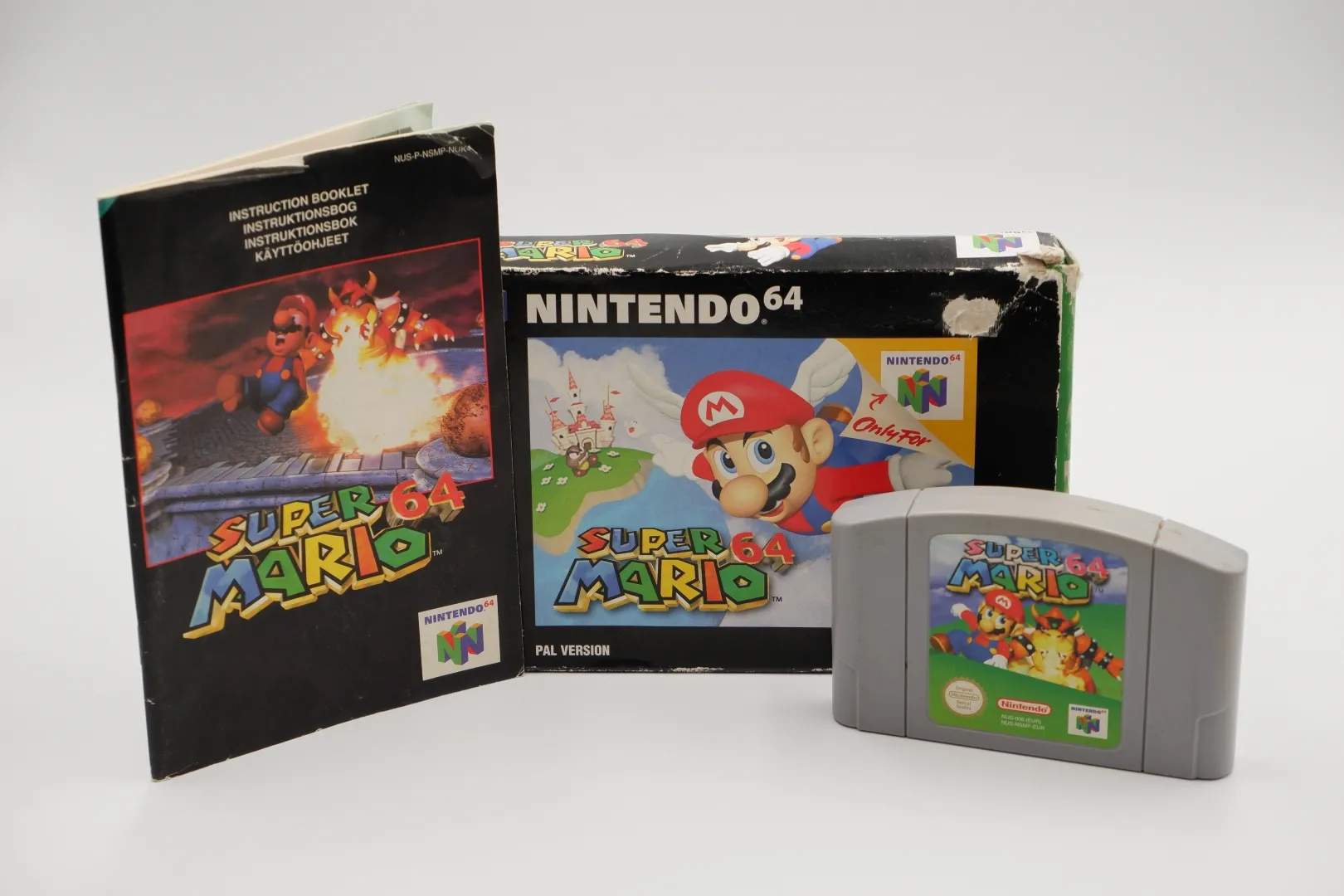
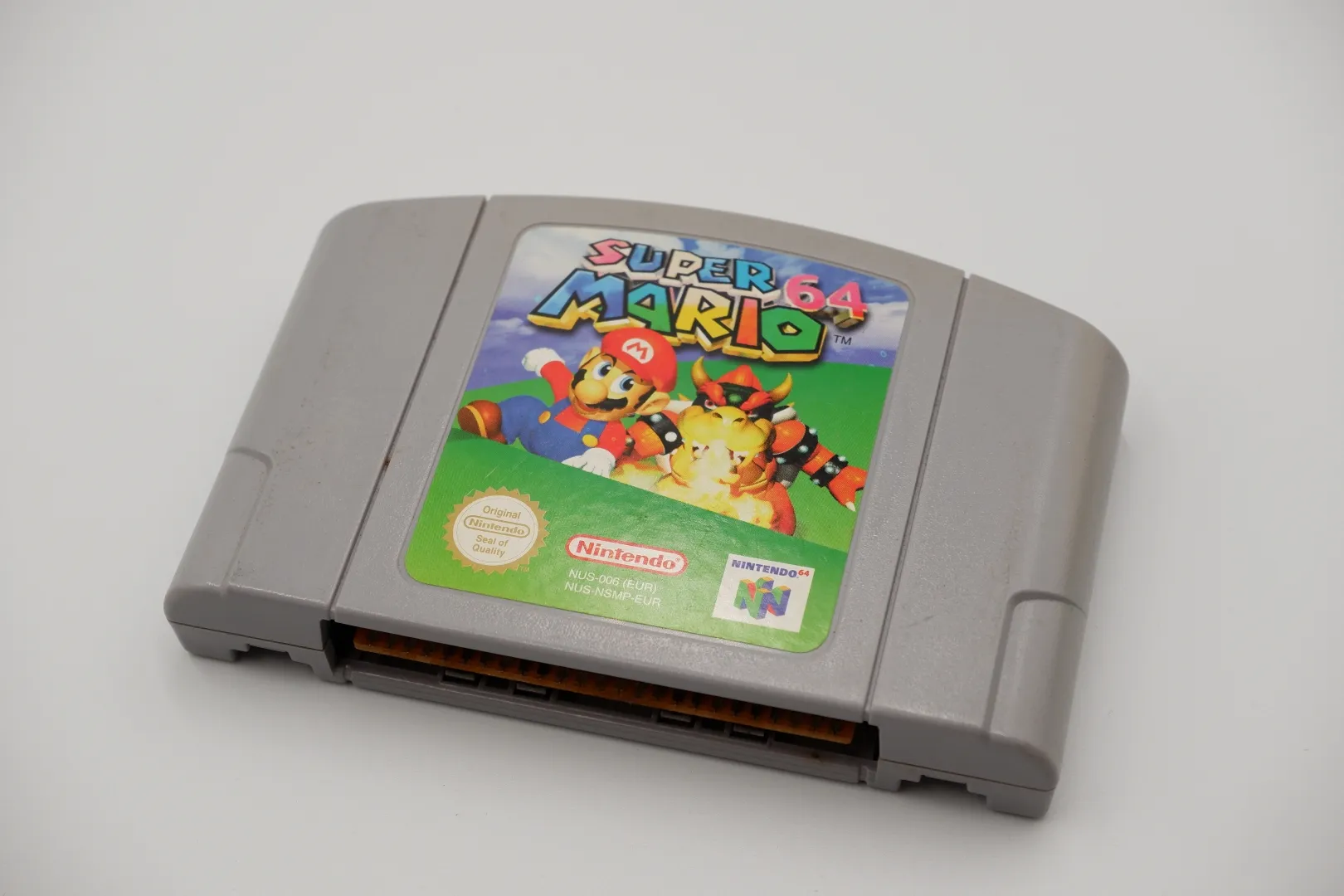
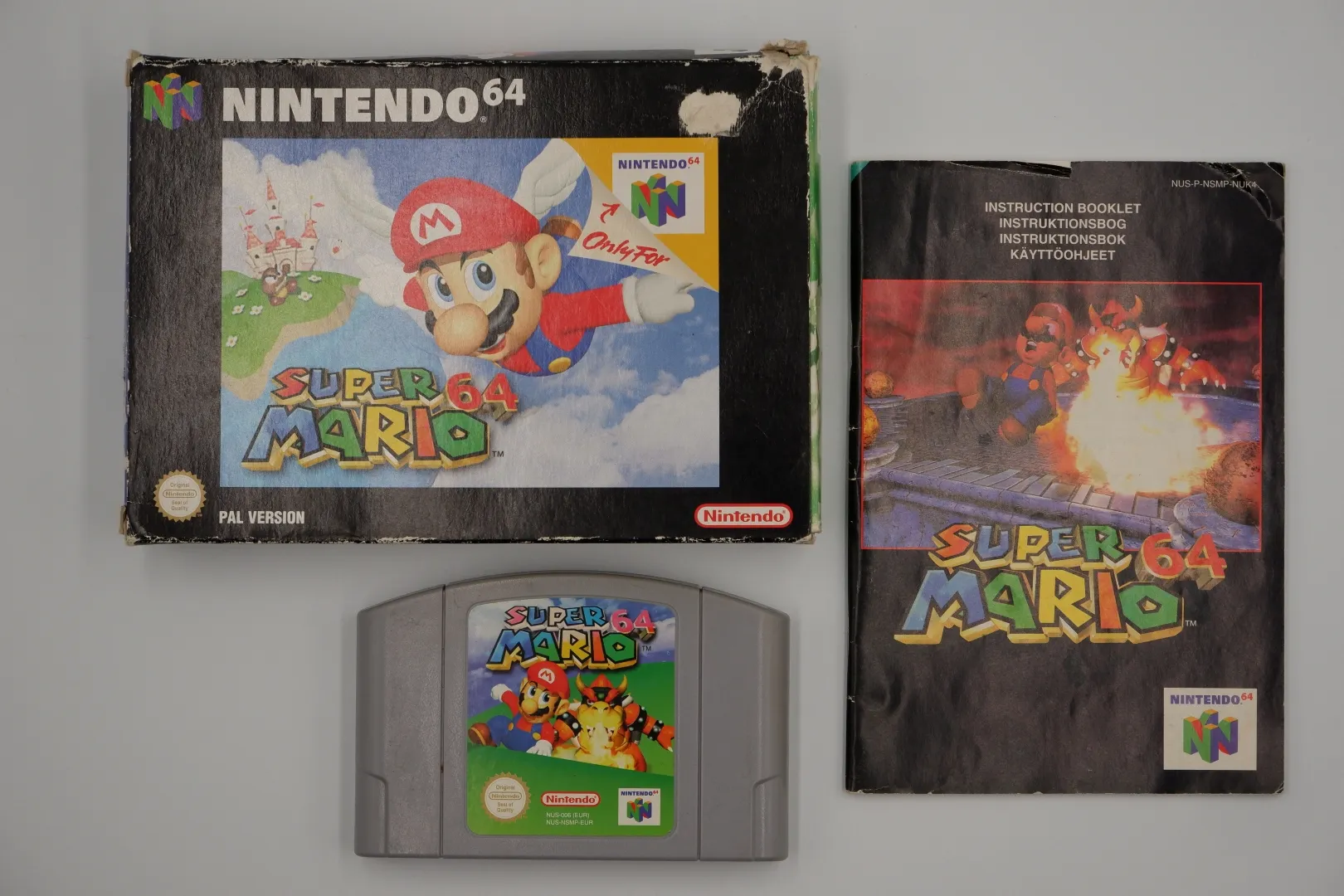
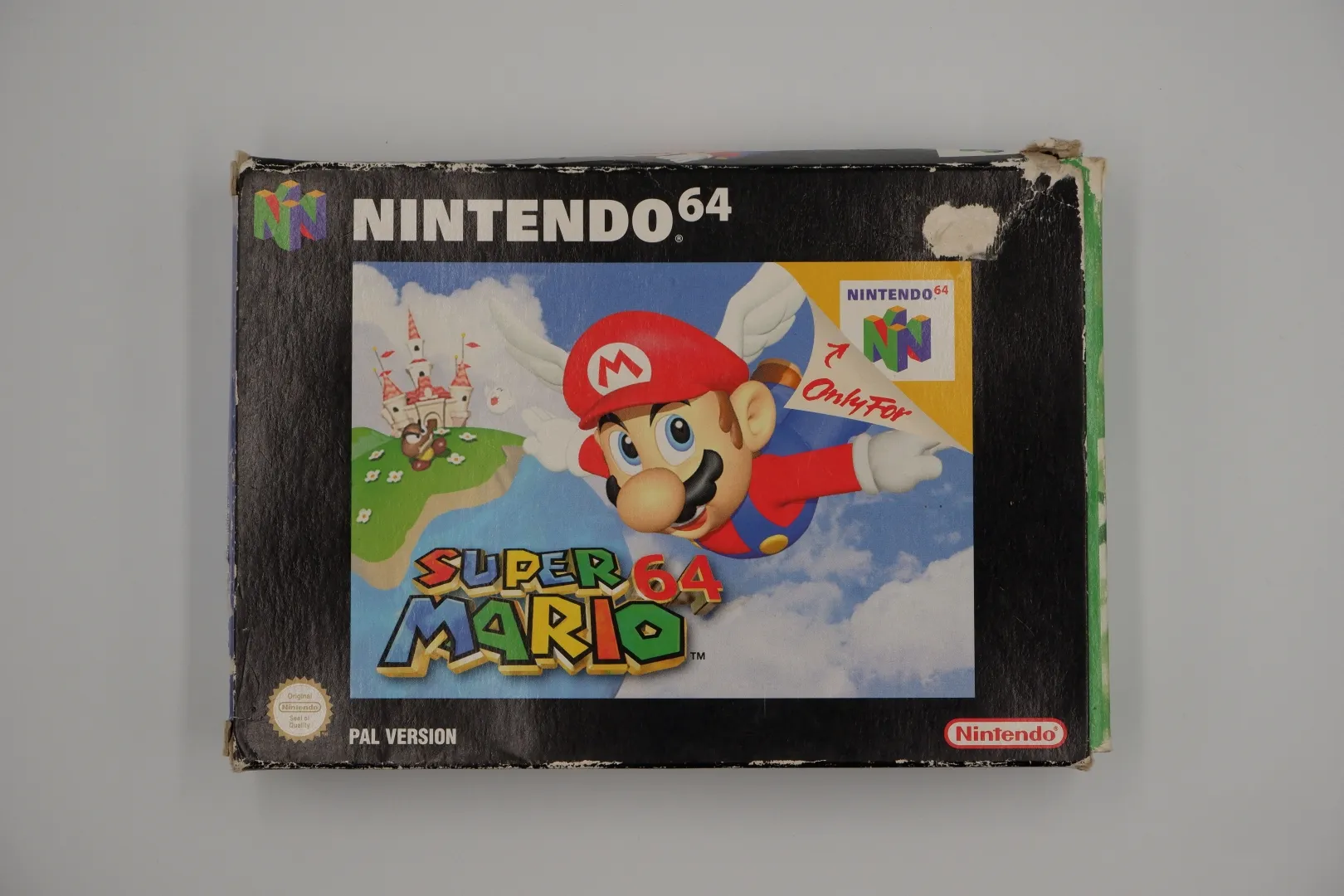
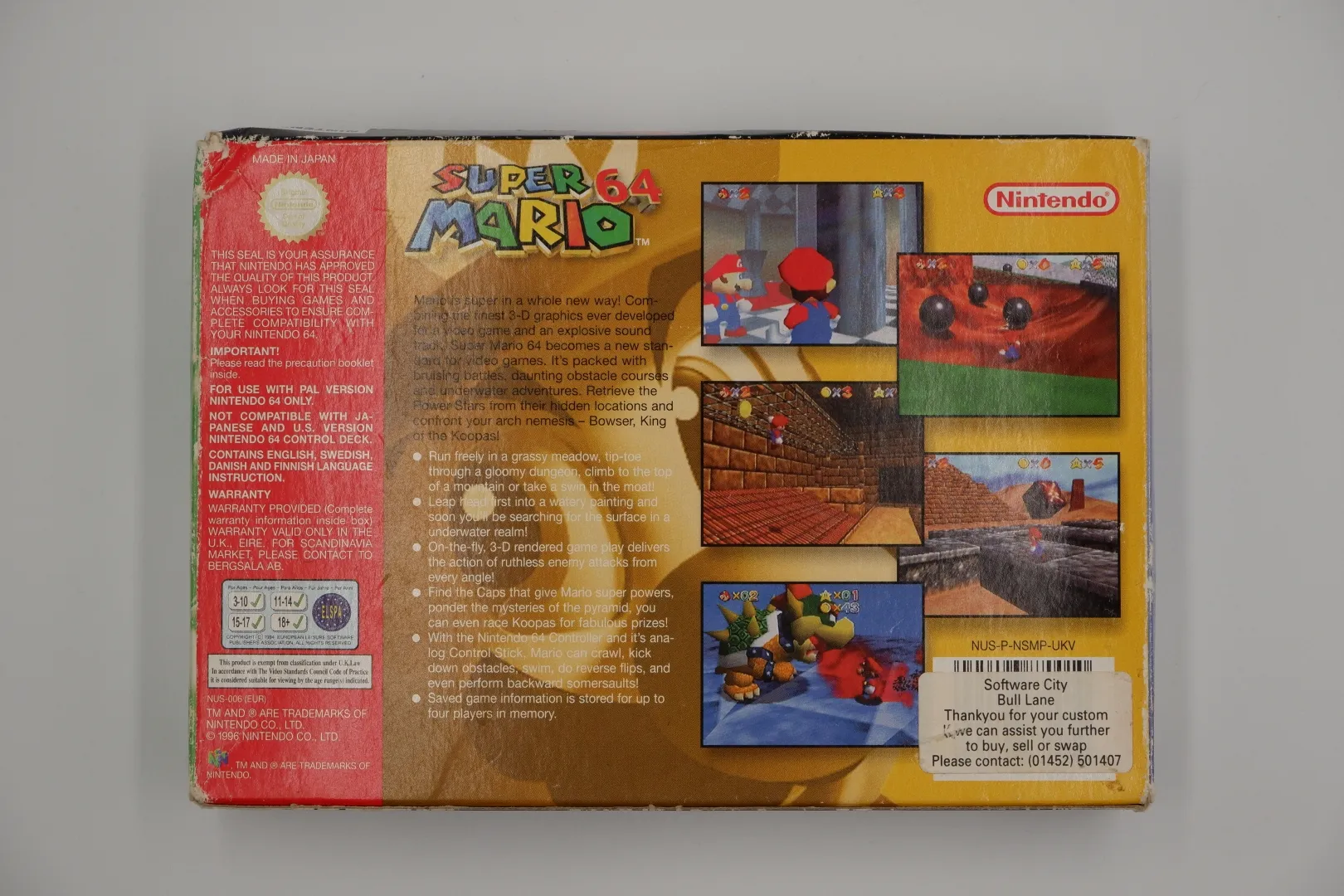
Super Mario 64 (1996)
Approx Units Sold – 11.91 million
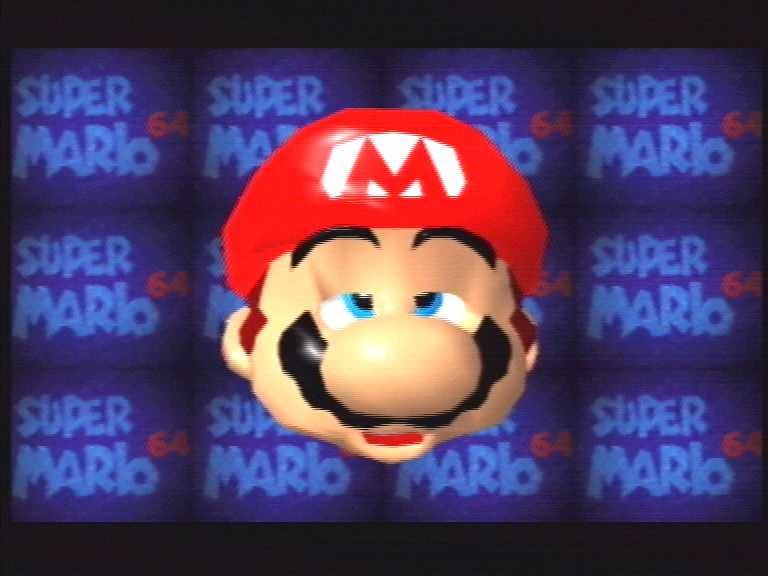
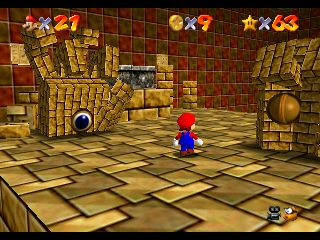
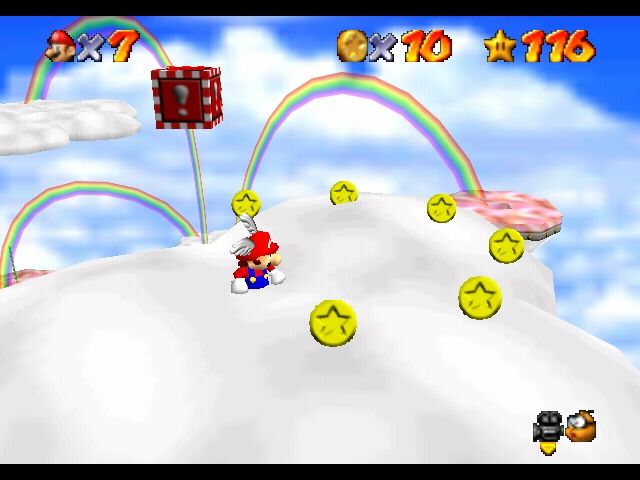
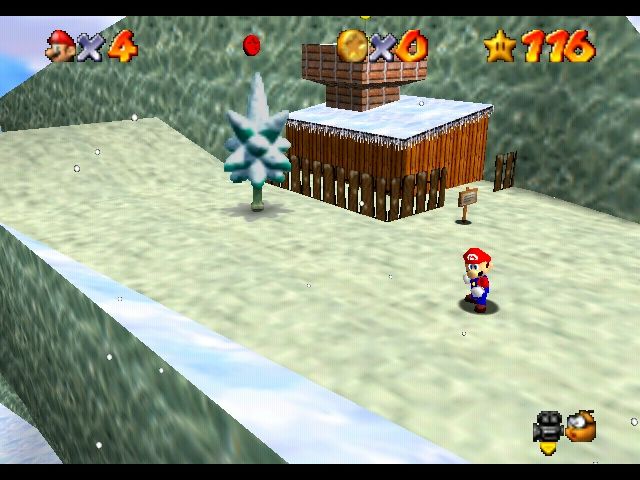
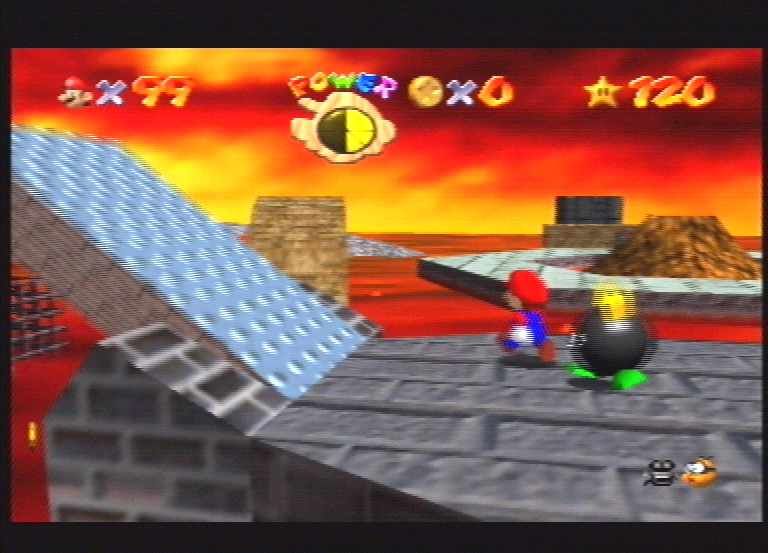
In Super Mario 64, Mario receives a letter from Princess Peach inviting him to her castle for some cake. However, upon arrival, he finds the castle empty, with Bowser having stolen the castle’s Power Stars and trapped the princess and her servants inside the castle’s paintings. Mario’s adventure takes him into these magical paintings, which serve as portals to various levels. The core gameplay revolves around exploring these large, open 3D worlds, a significant departure from previous 2D Mario games. Mario has a huge repertoire of moves, including jumping, punching, kicking, and swimming, that he uses to complete different missions within each level to collect Power Stars. These stars unlock new areas of the castle, allowing Mario to progress and eventually confront Bowser to rescue Peach. Upon its release, Super Mario 64 was met with critical acclaim for its innovative gameplay, 3D graphics, and level design. It’s often cited as one of the most influential games of all time, establishing a blueprint for future 3D platformers. Despite its age, it’s still considered a very solid and fun platformer, though some modern critiques point out the occasionally frustrating camera system.
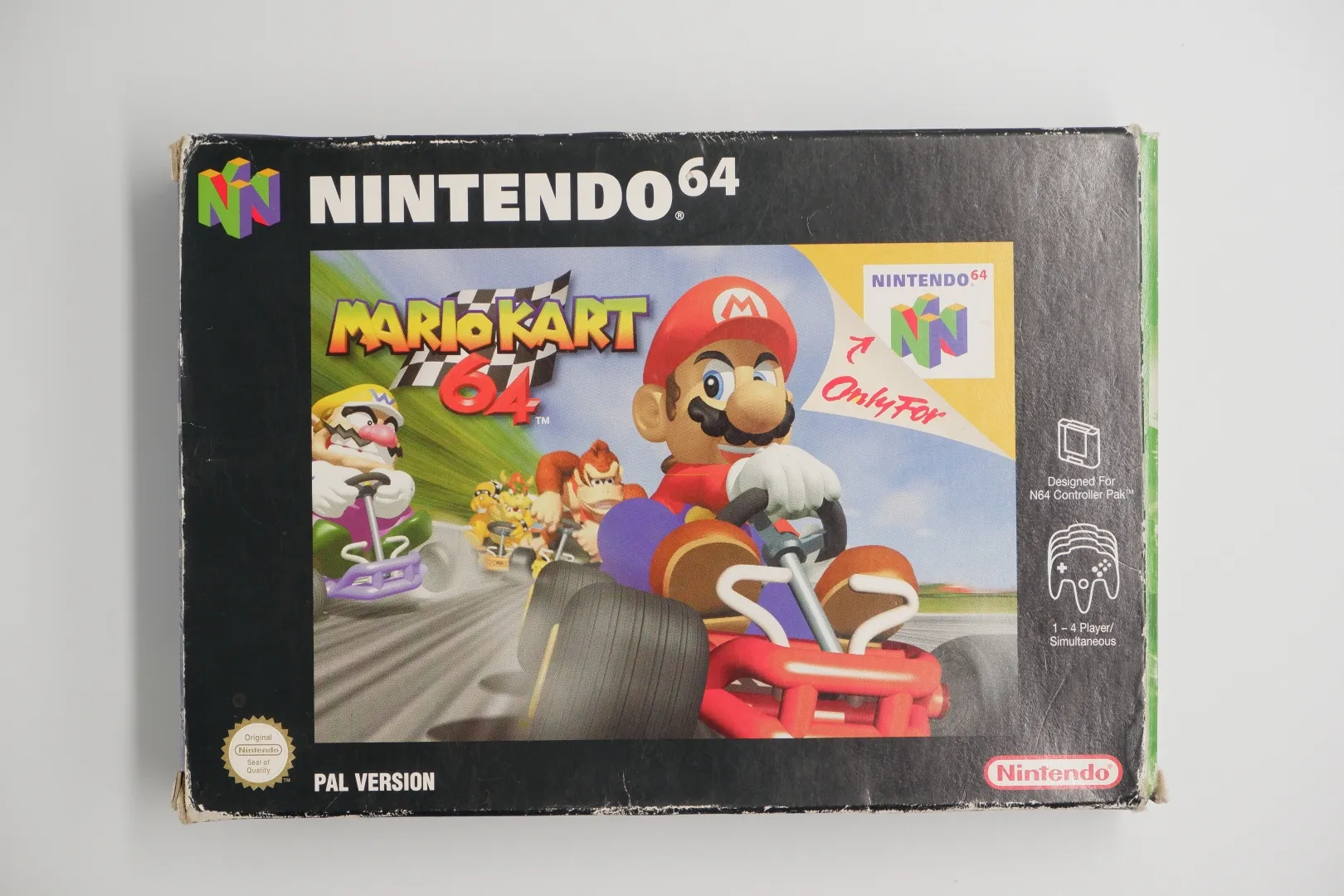
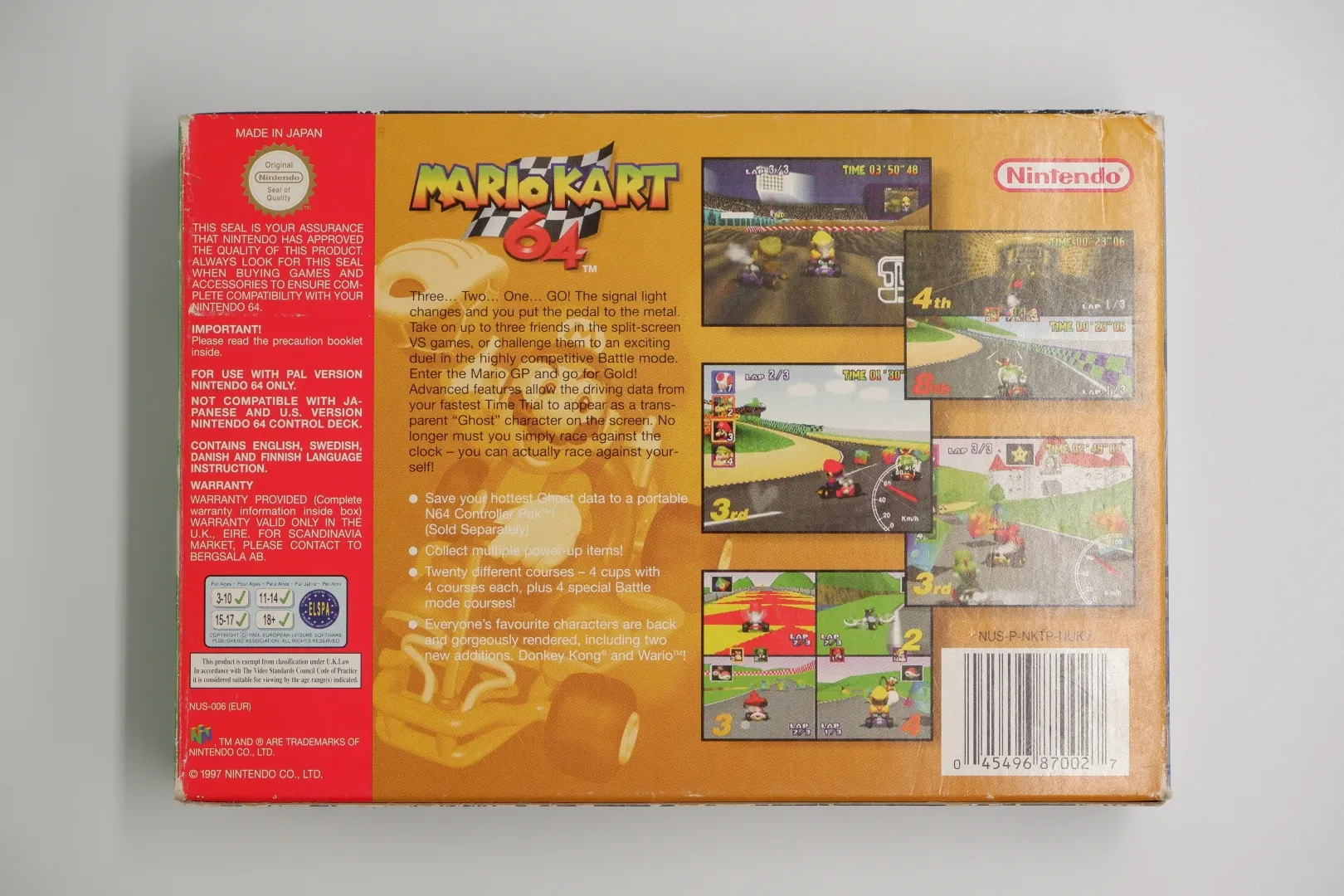
Mario Kart 64 (1996)
Approx Units Sold – 9.87 million
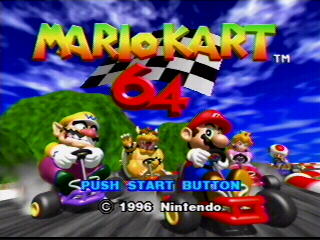
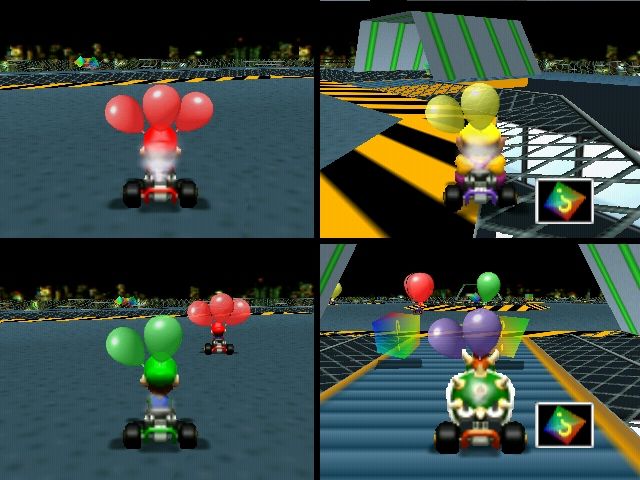
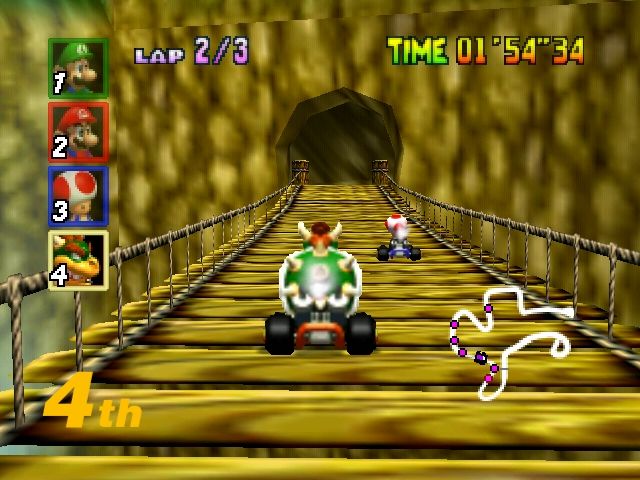
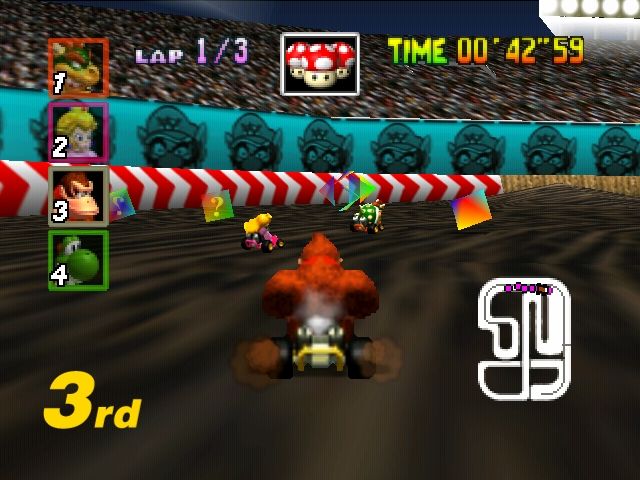
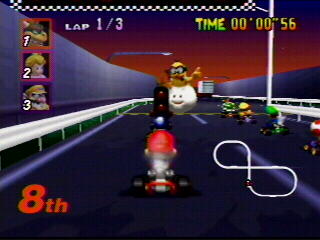
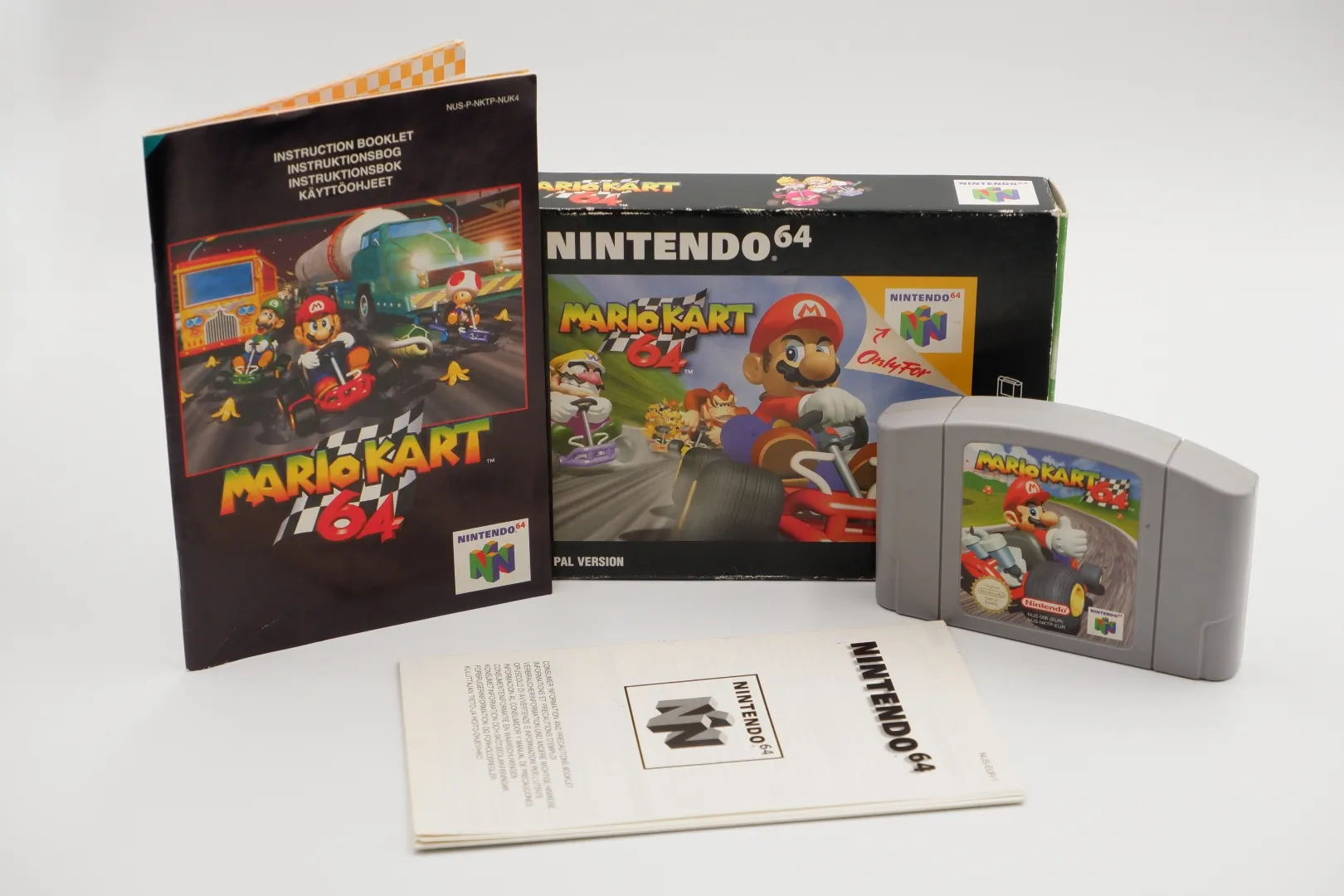
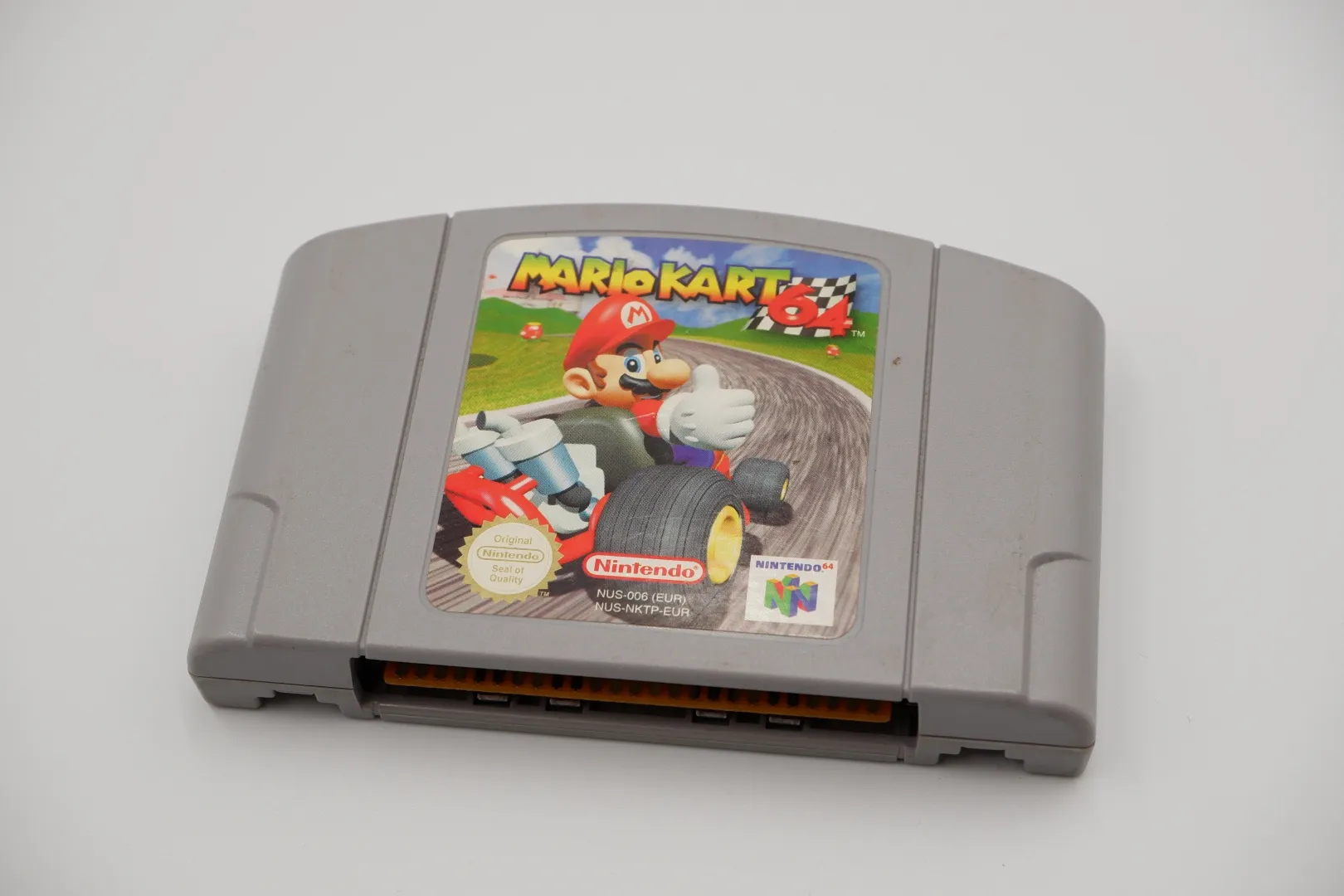
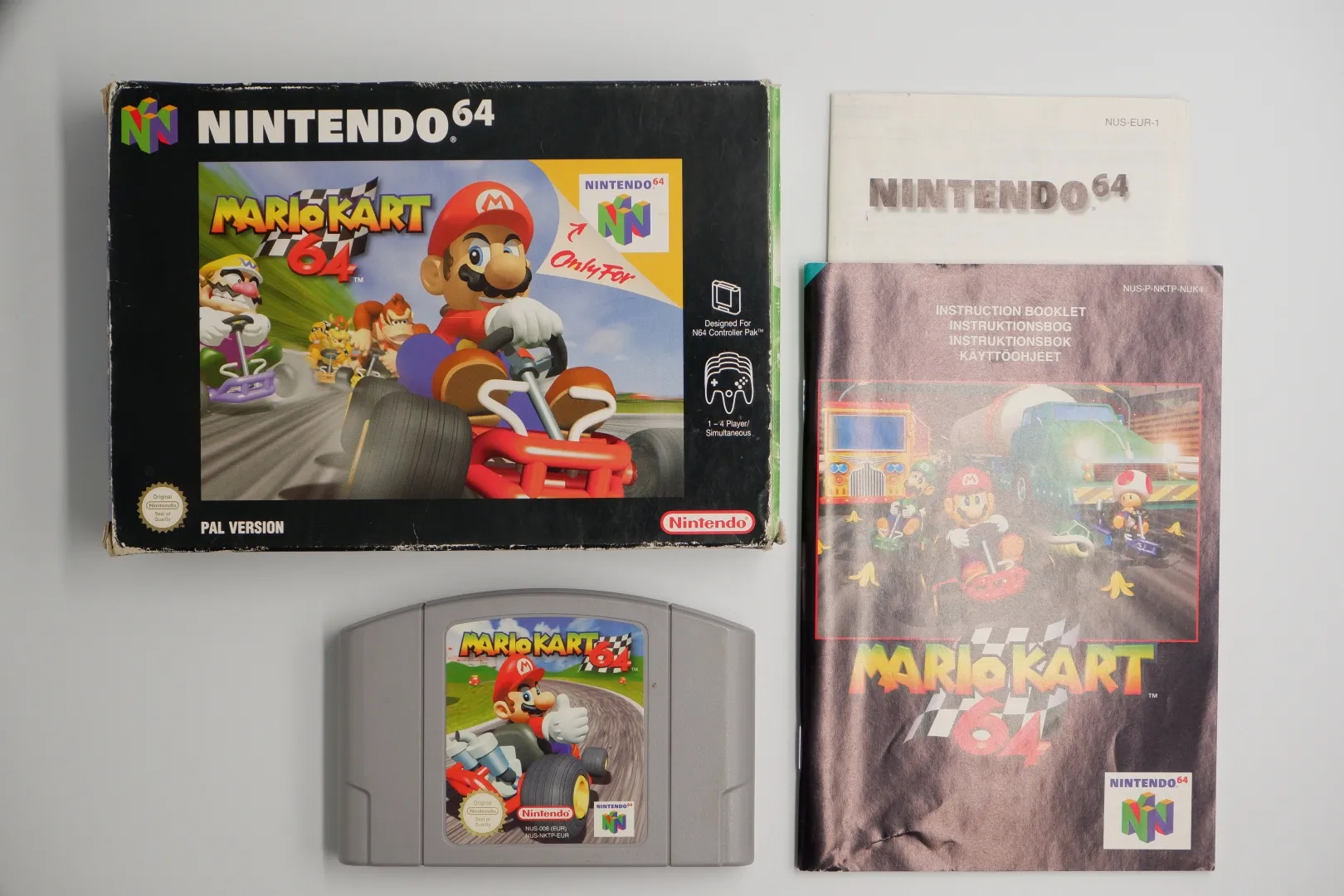
Mario Kart 64 is a kart racing game for the Nintendo 64 that serves as the second installment in the Mario Kart series. It has no major story, but it puts players in the driver’s seat of karts featuring eight iconic characters from the Super Mario franchise. The game’s primary mode is the Grand Prix, where players race against computer-controlled opponents across four distinct cups, each with four unique tracks. Other modes include a Time Trials for solo players, a multiplayer VS. mode for up to four players, and the beloved Battle Mode, where players compete in arenas to pop each other’s balloons with items. It’s known for introducing new gameplay mechanics like the “mini-turbo” drift boost and iconic items such as the Spiny Shell (also known as the Blue Shell). Upon its release, Mario Kart 64 was praised for its immersive 3D courses, four-player multiplayer, and overall fun gameplay, though some critics pointed out technical issues and a high difficulty level. It has since become a classic and one of the best-selling games on the N64, solidifying its legacy as a definitive party game.
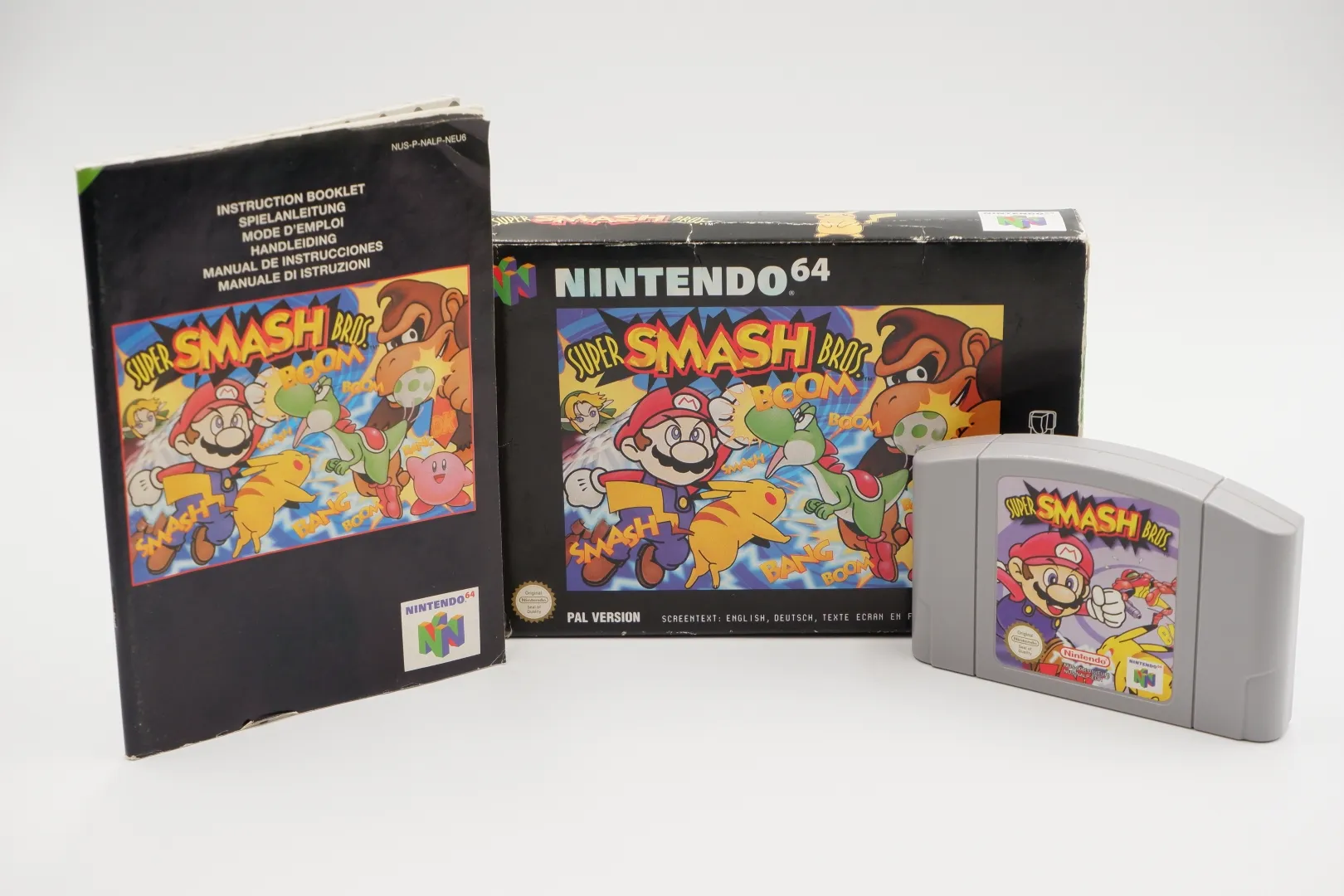
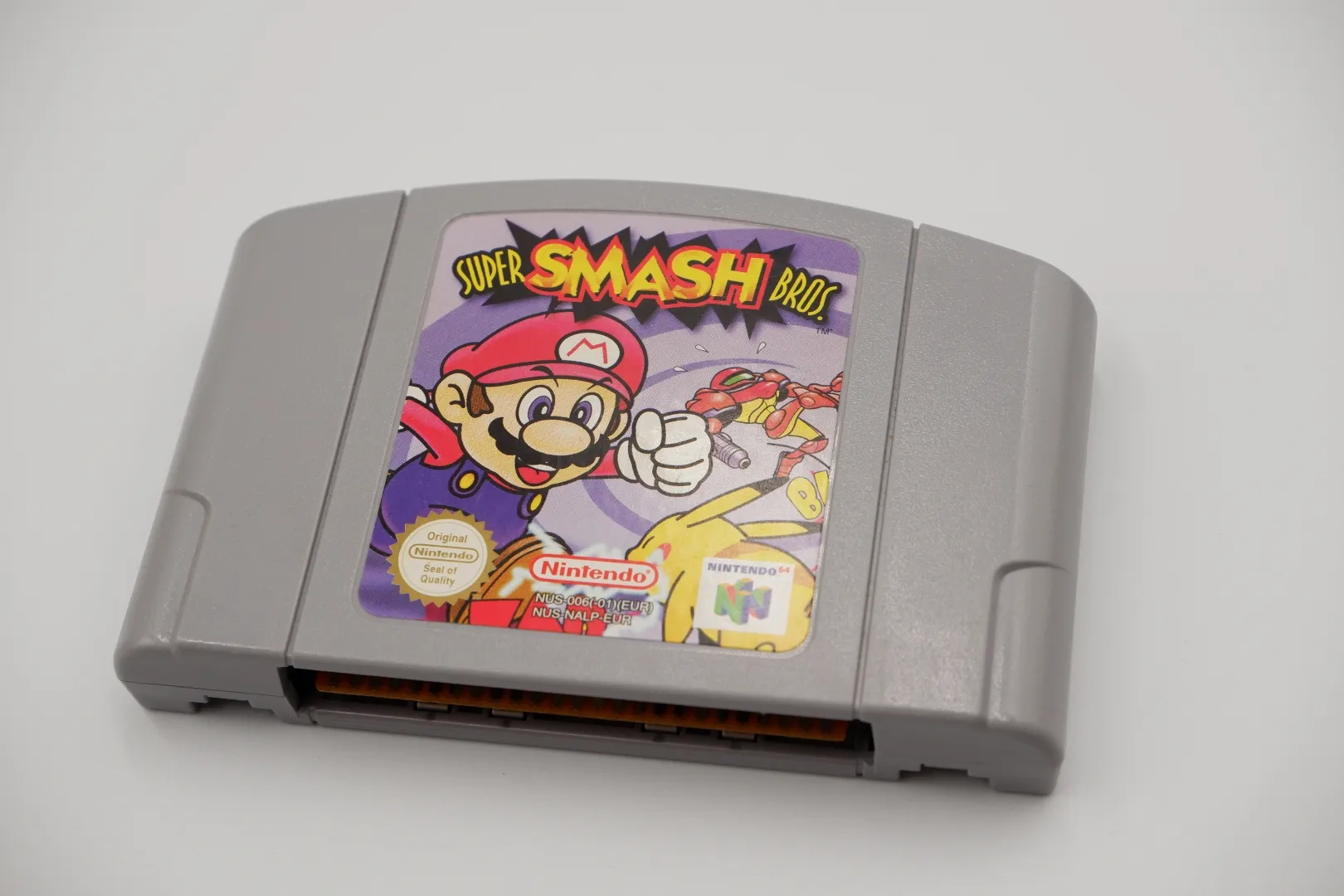
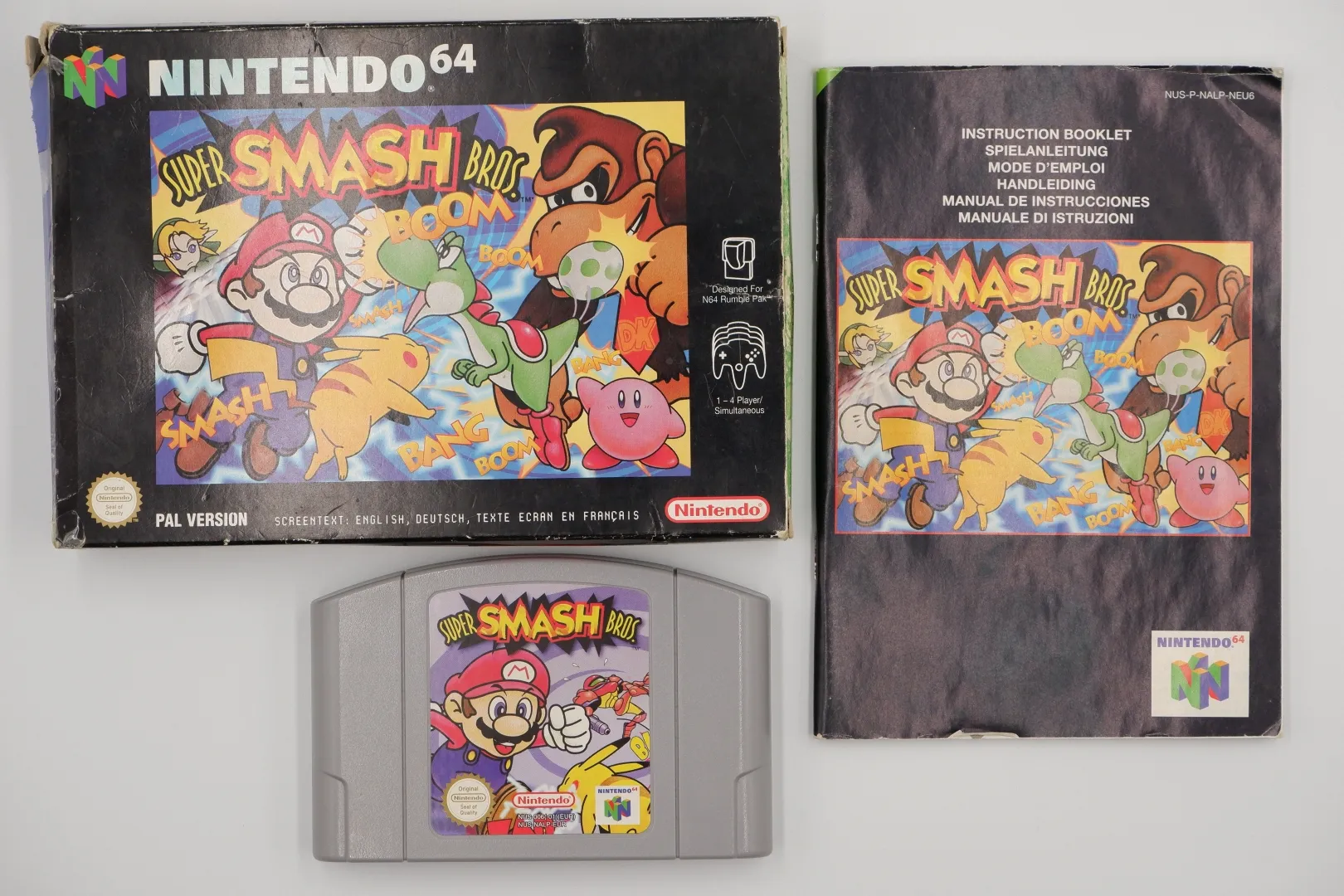
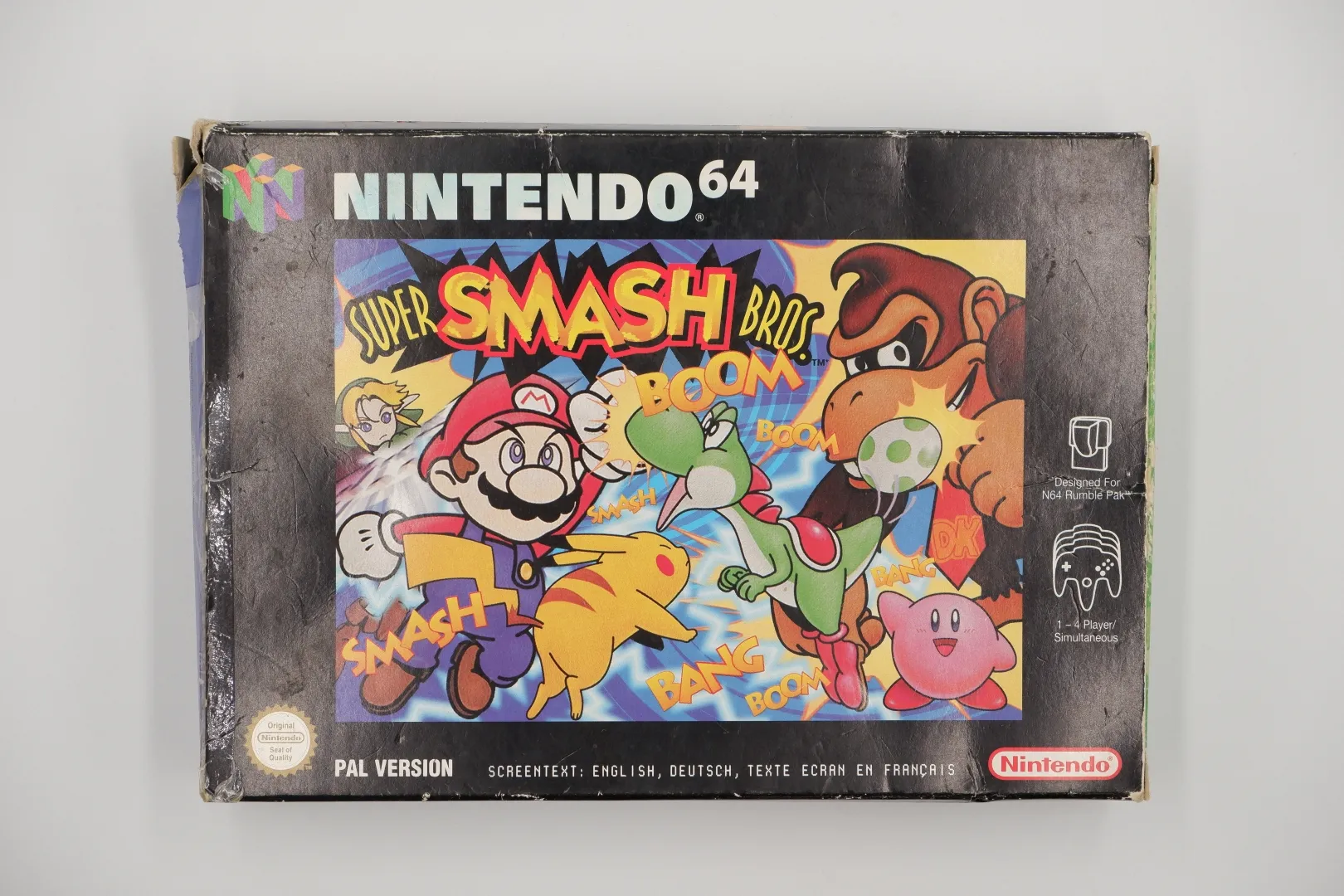
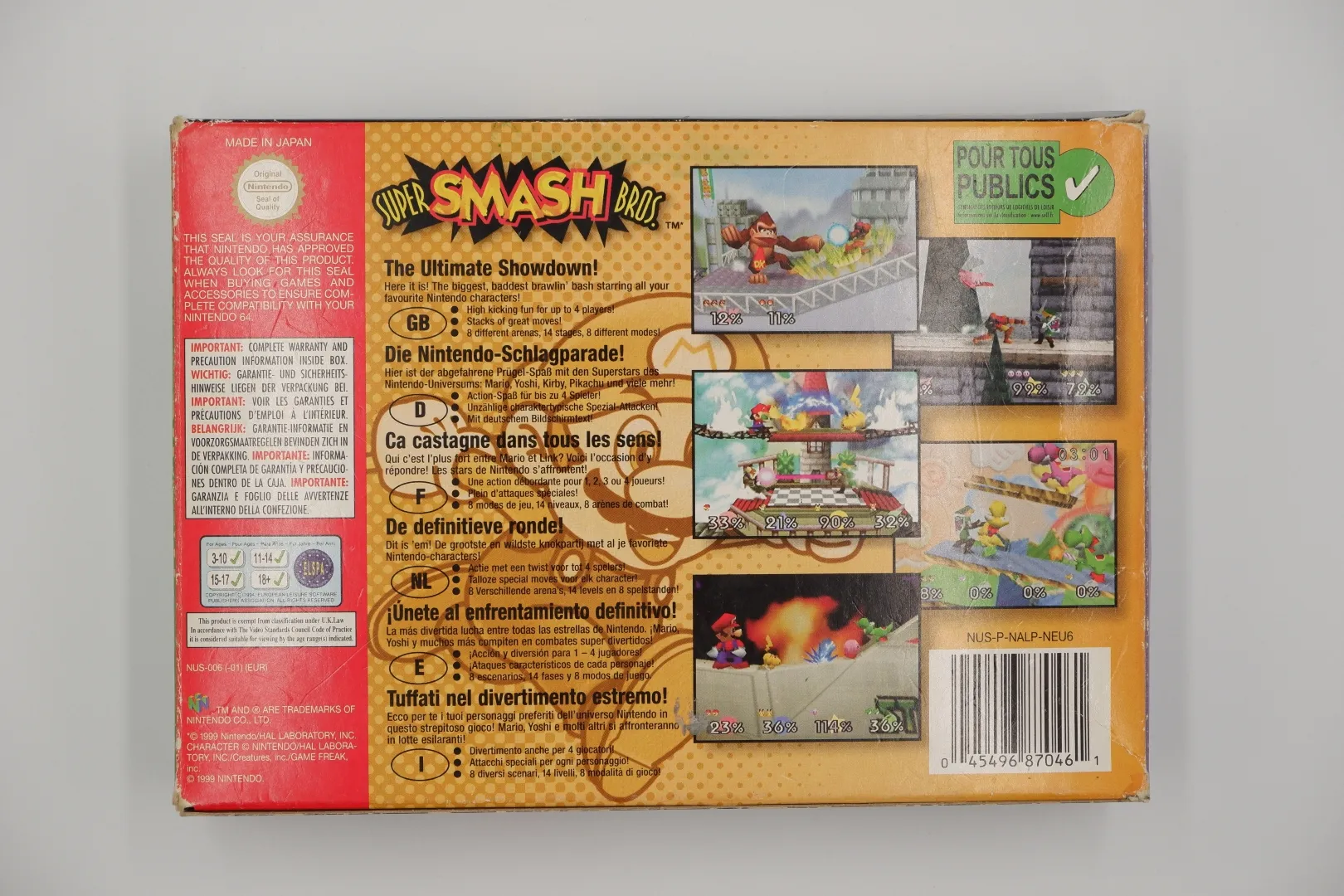
Super Smash Bros. (1999)
Approx Units Sold – 5.55 million
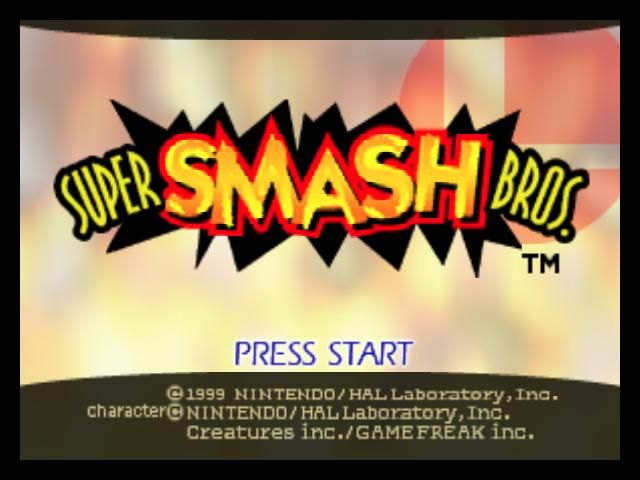
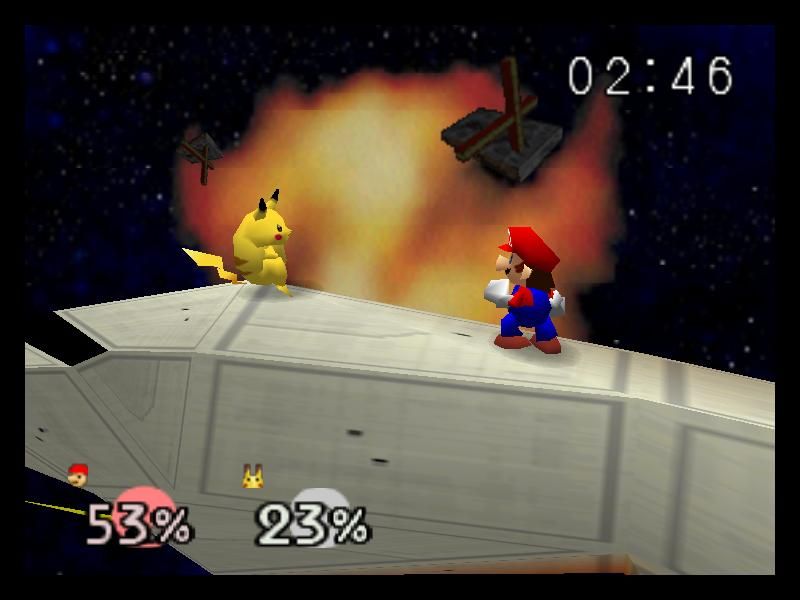
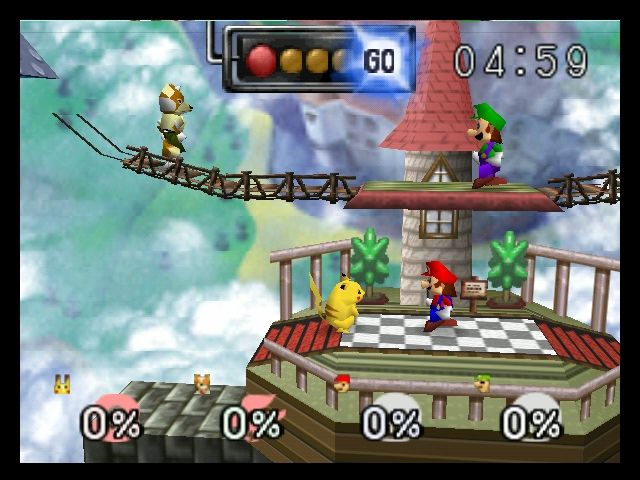
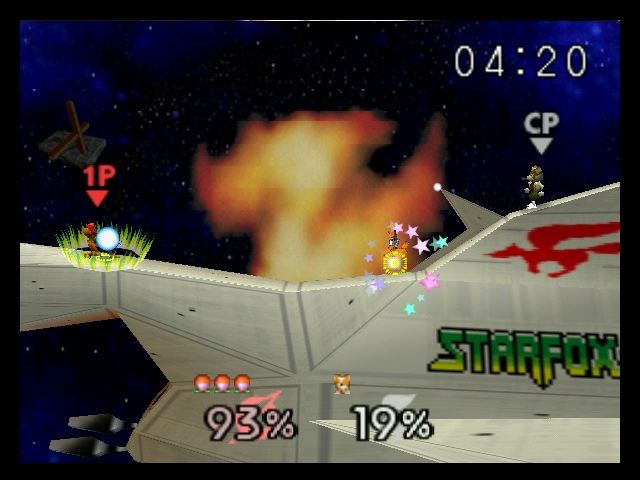
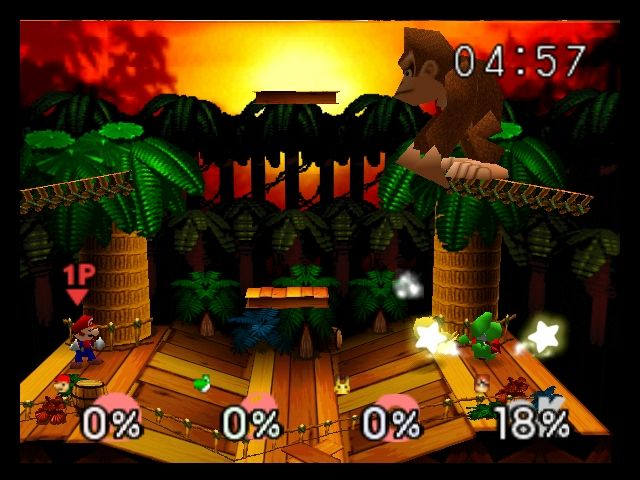
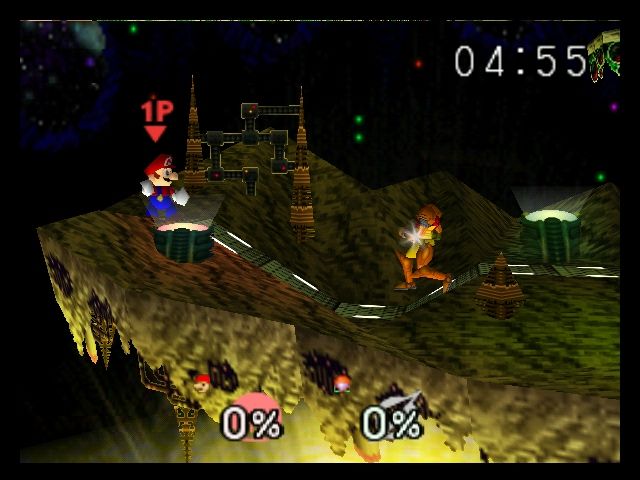
Super Smash Bros. is a crossover fighting game featuring a roster of popular Nintendo characters. Unlike traditional fighting games where the goal is to deplete a life bar, players in Super Smash Bros. aim to knock their opponents off the screen. As characters take damage, their percentage increases, making them easier to launch. The game’s story, while minimal, is that the characters are actually toys brought to life to battle. This is shown in the opening cinematic, where a giant hand, representing a child’s imagination, places toy figurines onto a desk that transforms into a battle stage. The game was a commercial success, selling over five million copies worldwide. It was praised for its simple controls, accessibility for new players, and its chaotic and fun multiplayer mode, which was a huge draw. Although its sequels are often seen as improvements, the original is still revered for its innovative concept and laid the groundwork for a beloved franchise.
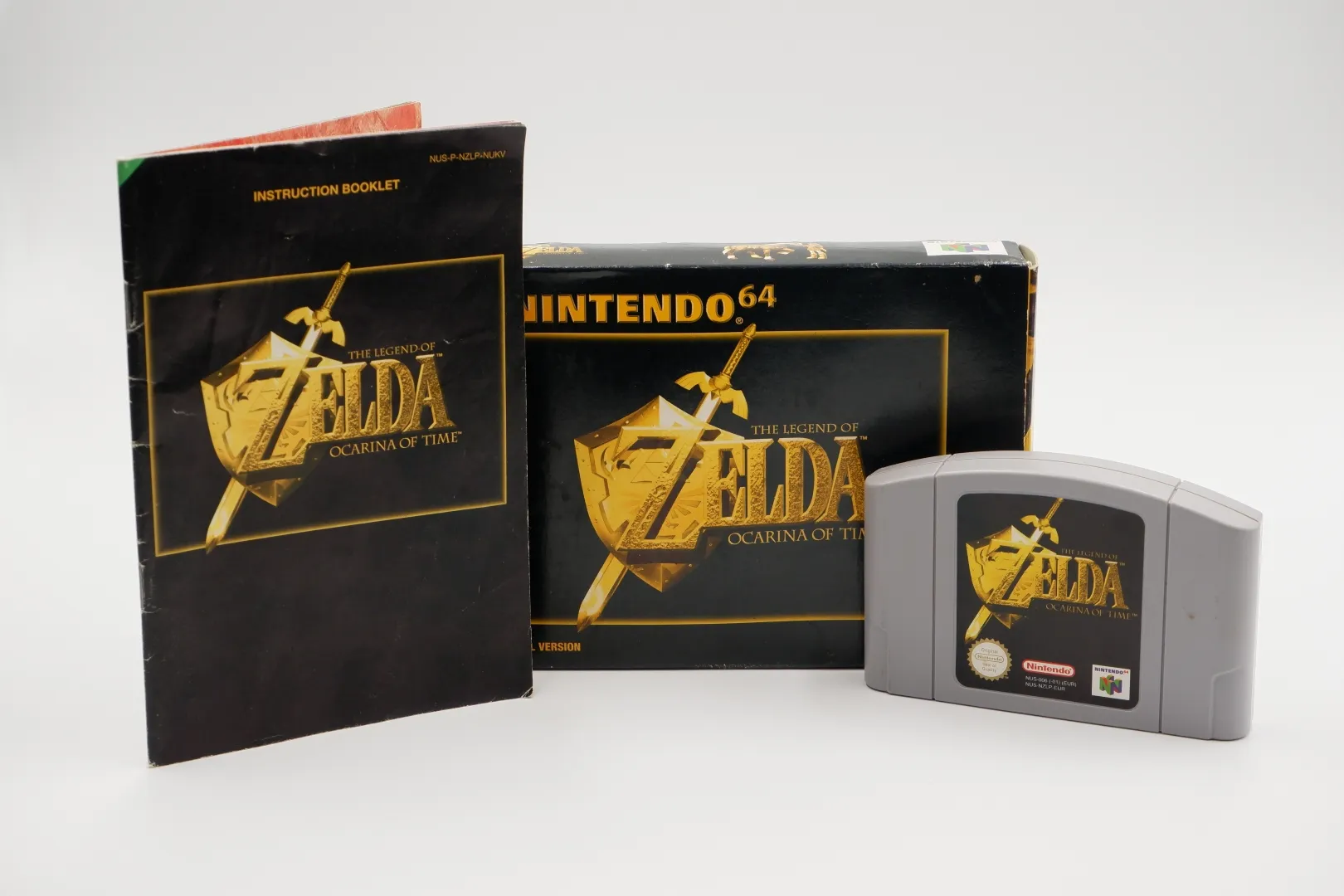
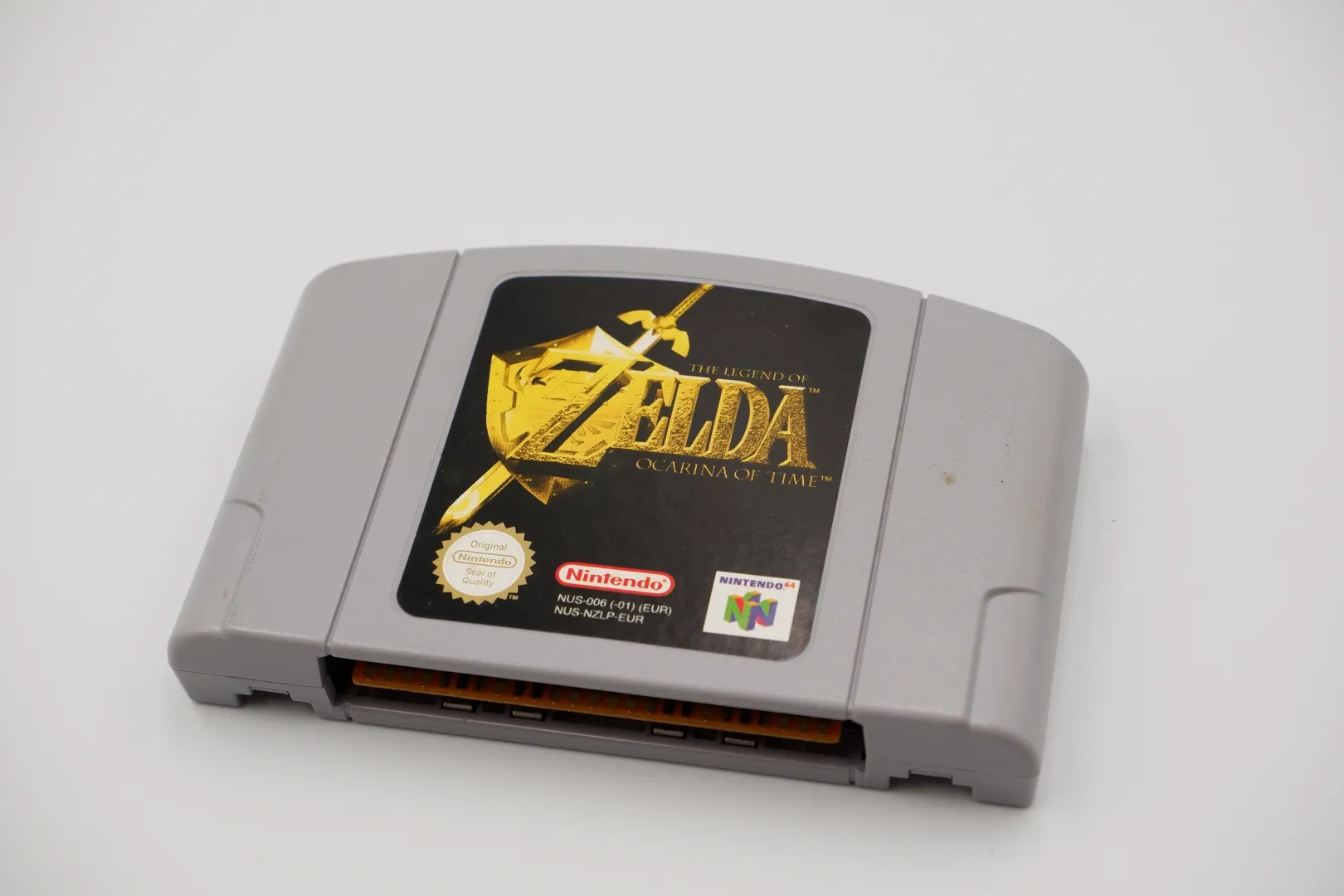
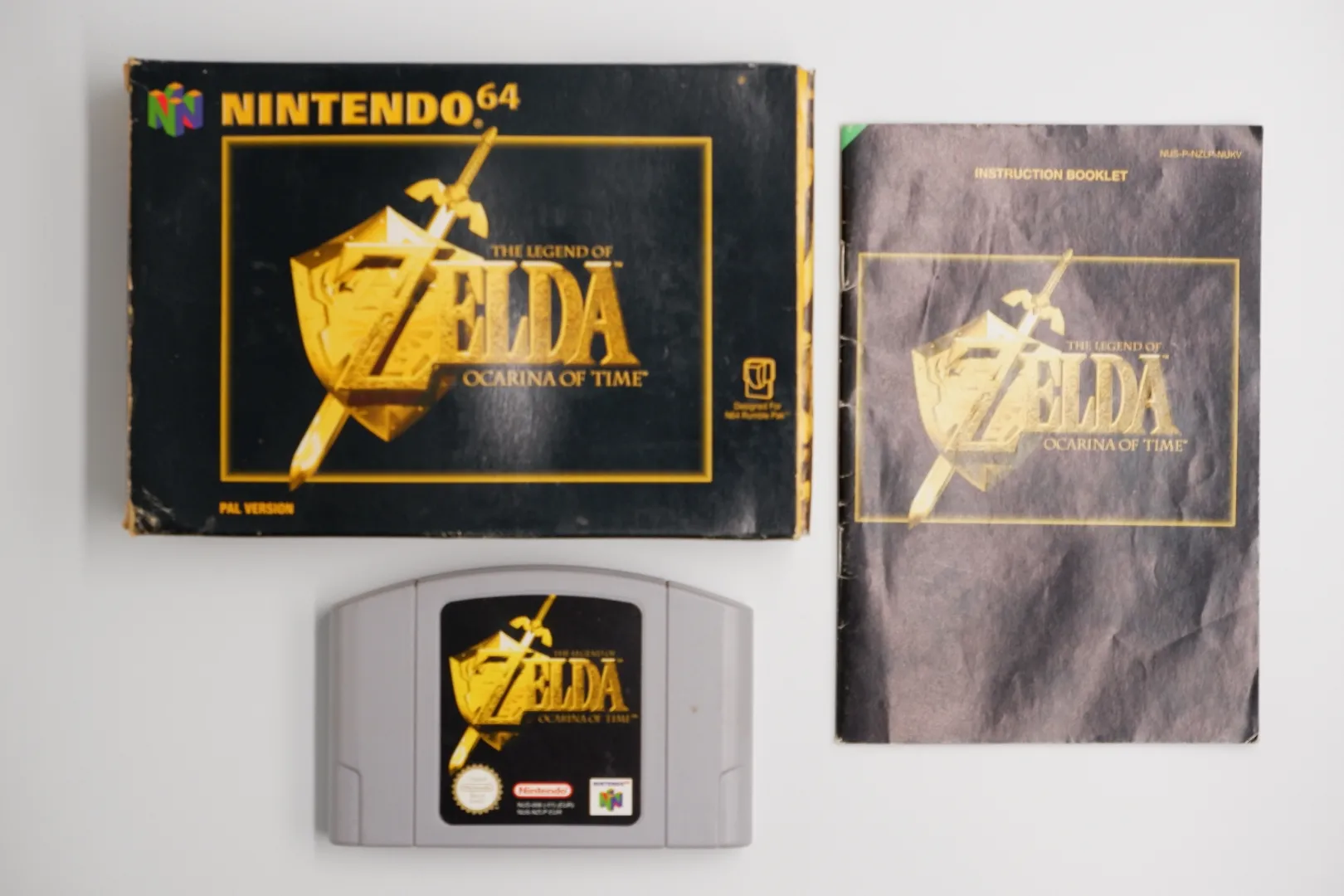
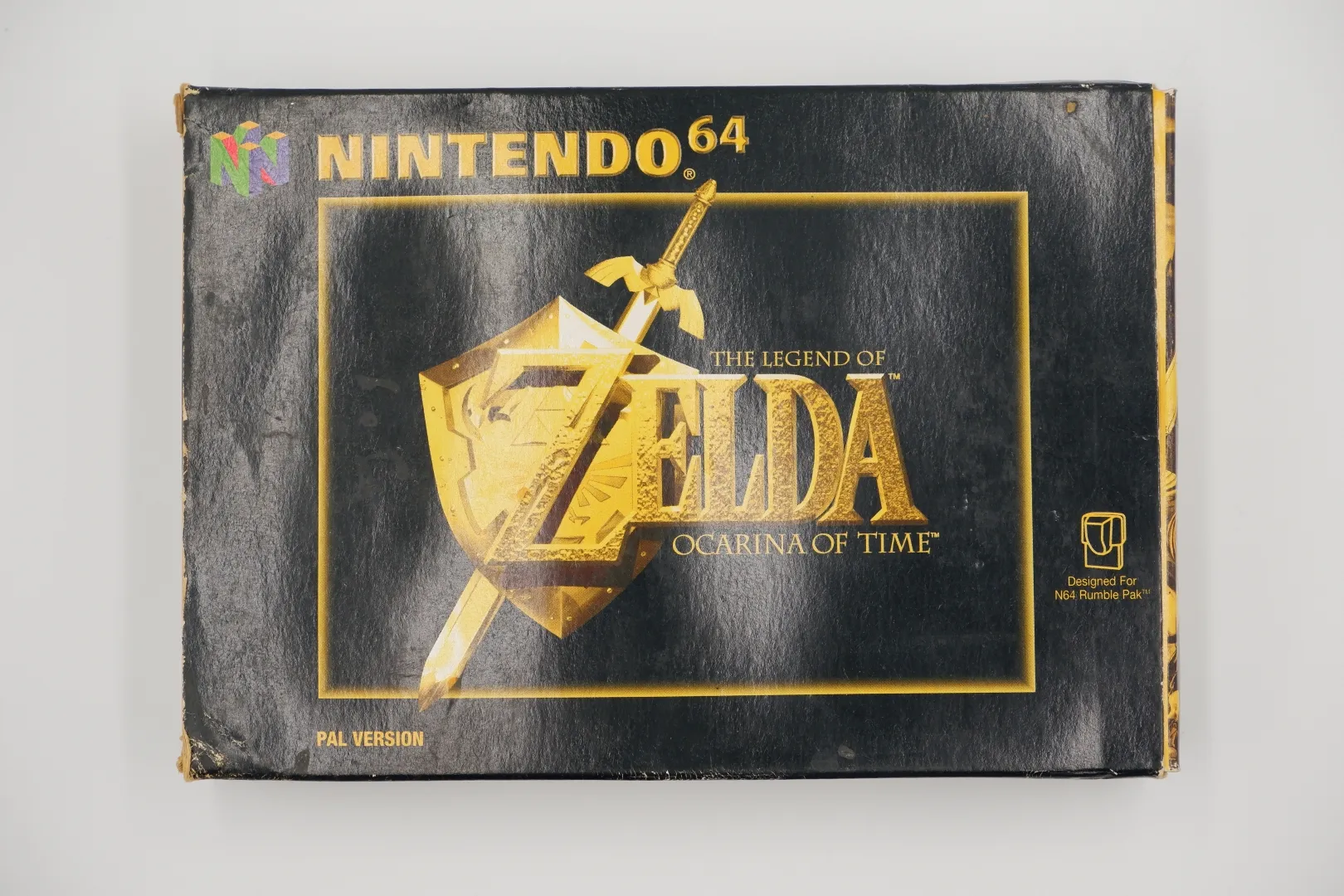
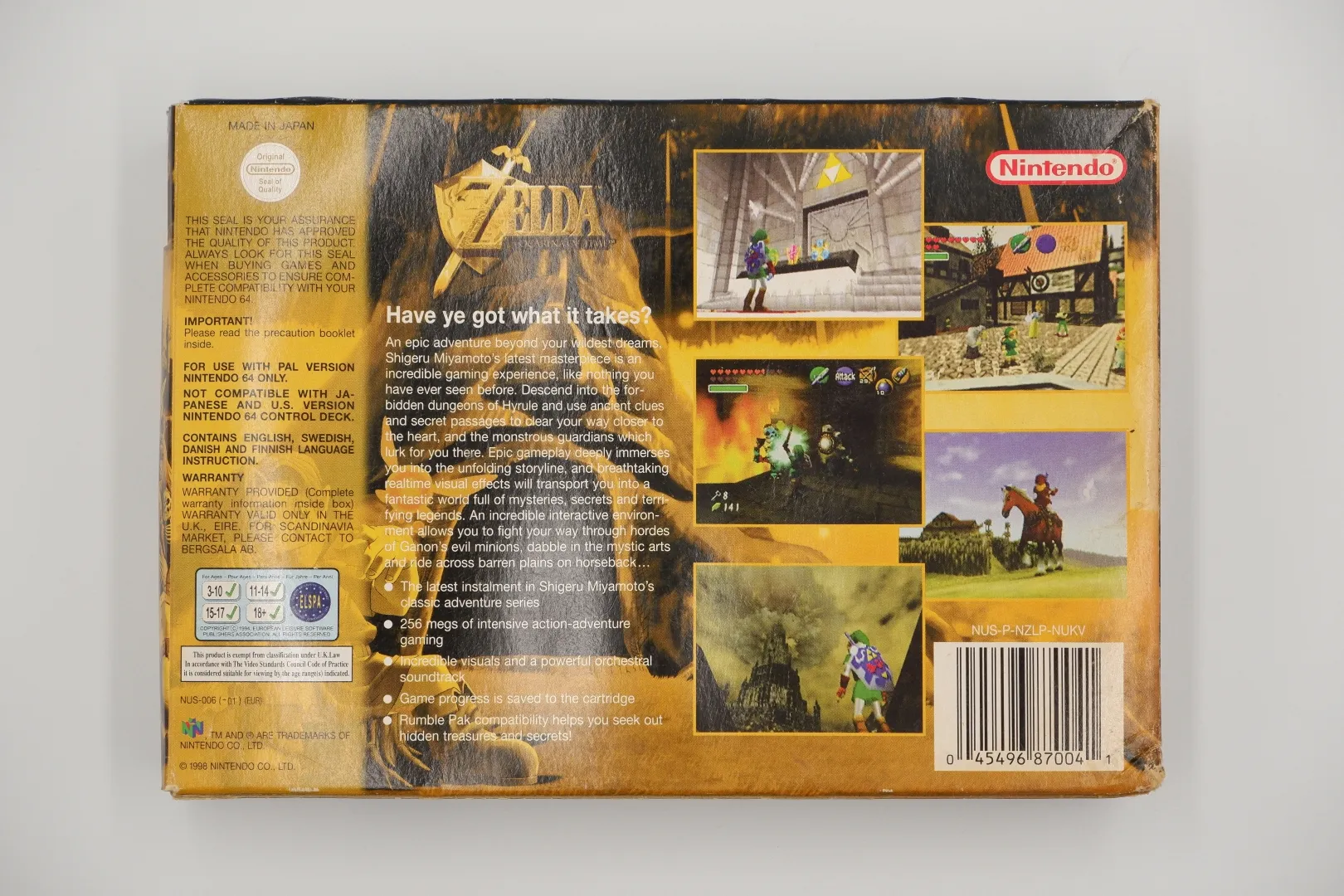
The Legend of Zelda: Ocarina of Time (1998)
Approx Units Sold – 7.60 million
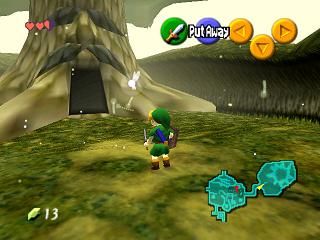
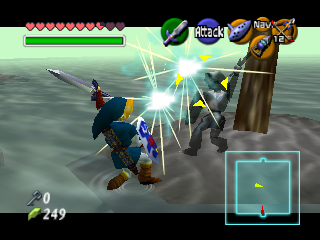
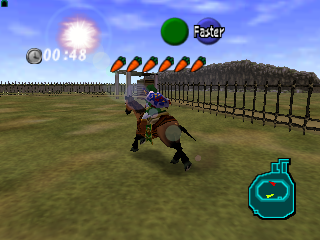
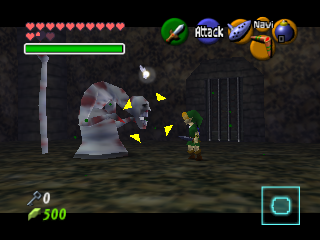
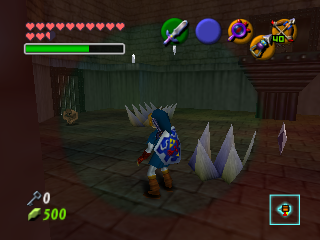
The Legend of Zelda: Ocarina of Time is a fantasy action-adventure game released for the Nintendo 64 in 1998. The story follows the young hero Link on a quest to save the land of Hyrule from the Gerudo King, Ganondorf. The game’s central mechanic is time travel, which allows the player to experience Hyrule as both a child and an adult, each with different abilities and a world that has dramatically changed. This dual-timeline structure is integral to the game’s puzzles and storytelling. Gameplay introduced groundbreaking features for 3D adventure games, most notably the “Z-targeting” system, which allowed players to lock onto enemies and objects, and a context-sensitive button that changed function based on Link’s proximity to objects. Upon release, Ocarina of Time was met with universal acclaim from critics and fans alike, who lauded its innovative gameplay, expansive world, memorable soundtrack, and compelling narrative. It has consistently been ranked as one of the greatest video games of all time and is widely considered a masterpiece that set the standard for 3D adventure games for years to come.
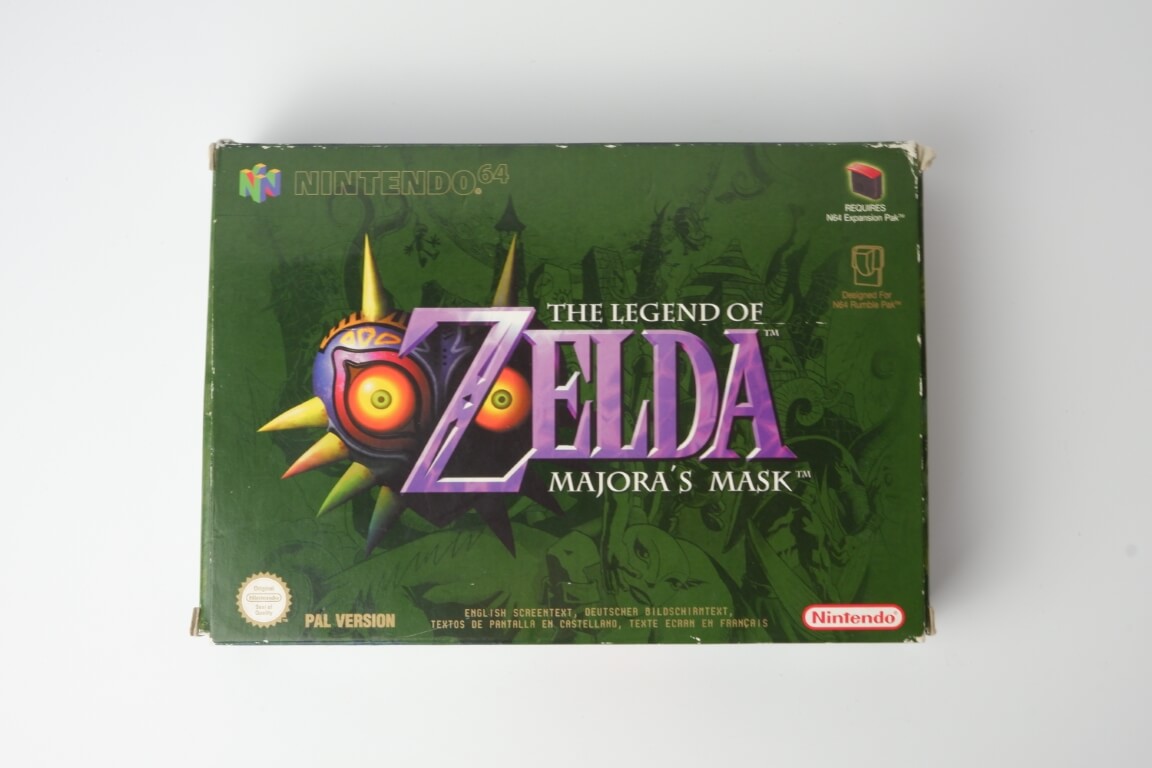
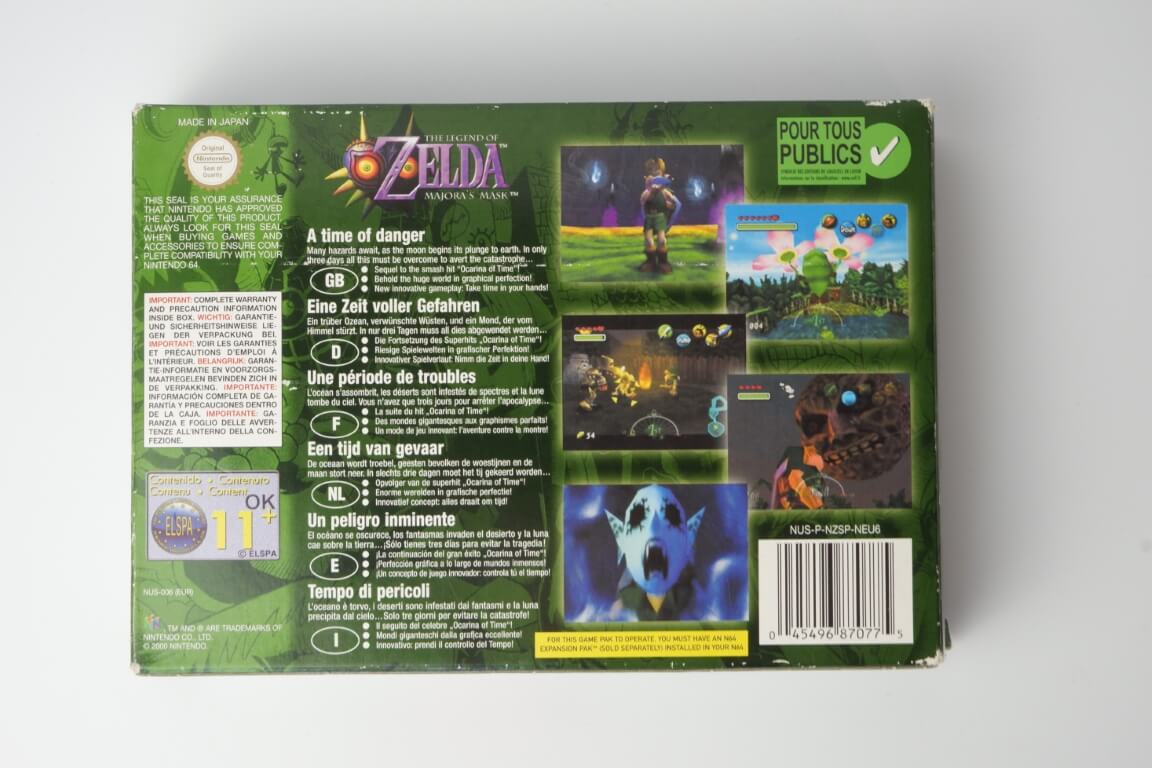
The Legend of Zelda: Majora’s Mask (2000)
Approx Units Sold – 3.36 million
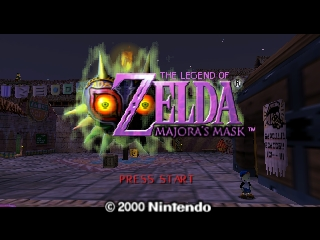
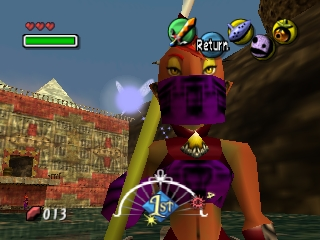
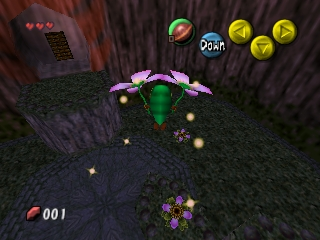
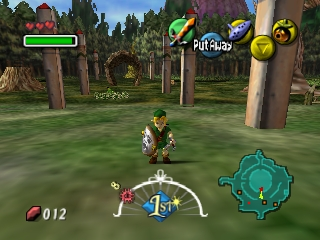
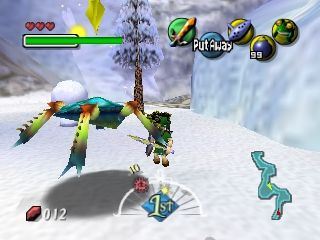
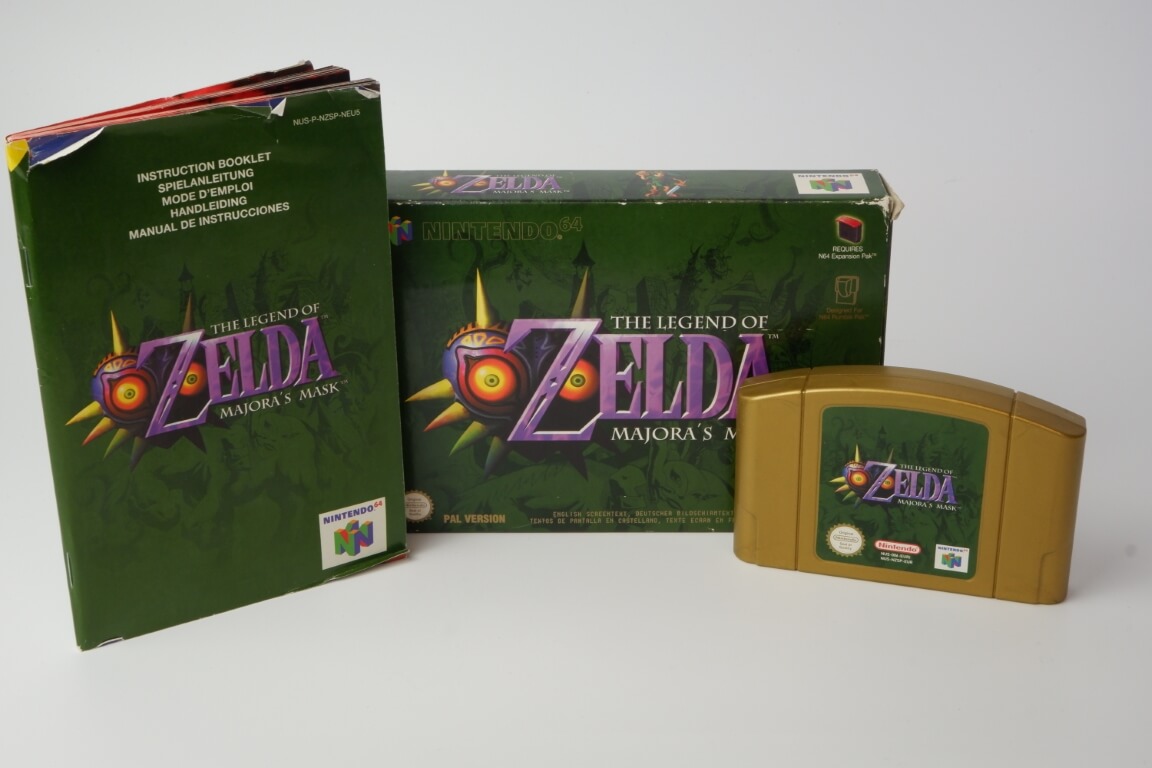
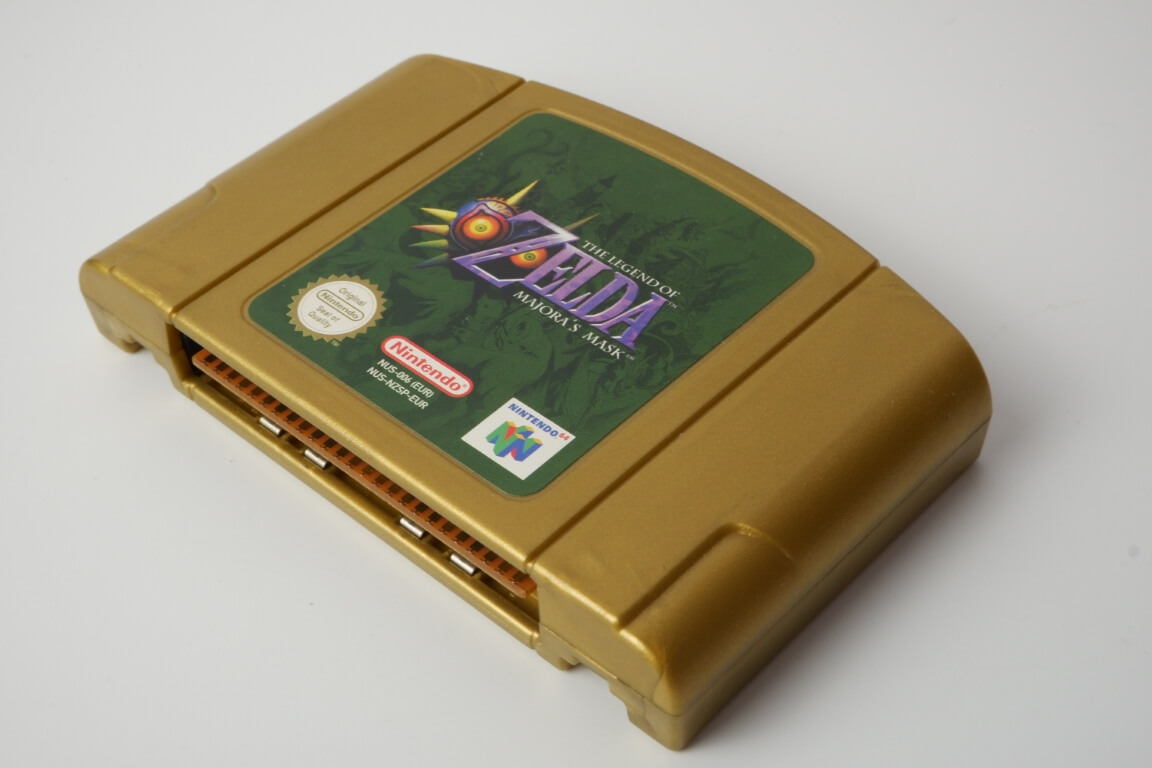
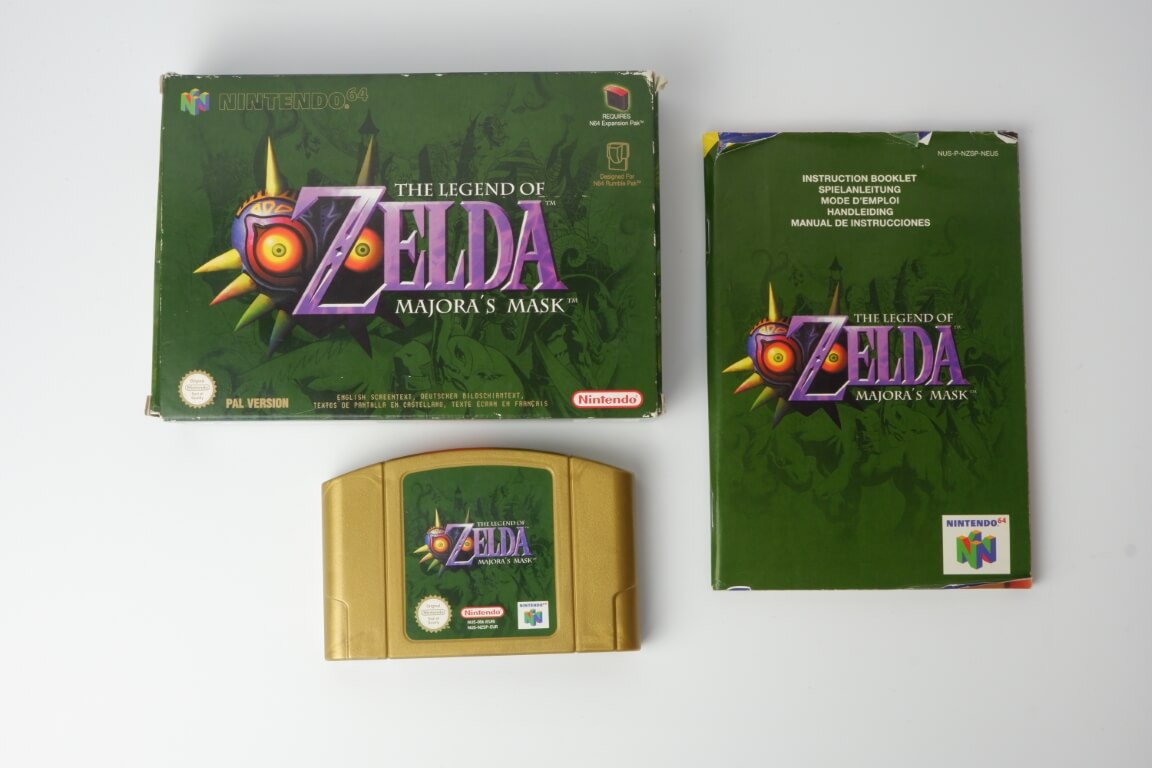
The Legend of Zelda: Majora’s Mask is a unique action-adventure game for the Nintendo 64 that serves as a direct sequel to Ocarina of Time. The story begins with Link searching for his lost fairy companion, Navi, in a mysterious forest. He is ambushed by a mischievous imp called Skull Kid, who, under the influence of the powerful and malevolent Majora’s Mask, transforms Link into a Deku Scrub and curses the land of Termina. The core conflict revolves around a looming moon that will crash into Termina in just three days, destroying everything. To save the world, Link must repeatedly relive this 72-hour cycle, using his Ocarina of Time to travel back to the beginning of the first day while retaining key items and knowledge. This “Groundhog Day” gameplay loop, centered on a ticking clock and a focus on side quests and interacting with a cast of characters who follow specific schedules, distinguishes it from other Zelda games. The game’s use of various masks to transform Link and grant him different abilities is also a central gameplay mechanic. Upon its release, Majora’s Mask received critical acclaim for its innovative time-based mechanics, intricate world design, and darker, more mature tone, though some players found the time limit and repetitive nature of the cycle to be frustrating. It has since garnered a dedicated cult following and is considered one of the greatest video games of all time.
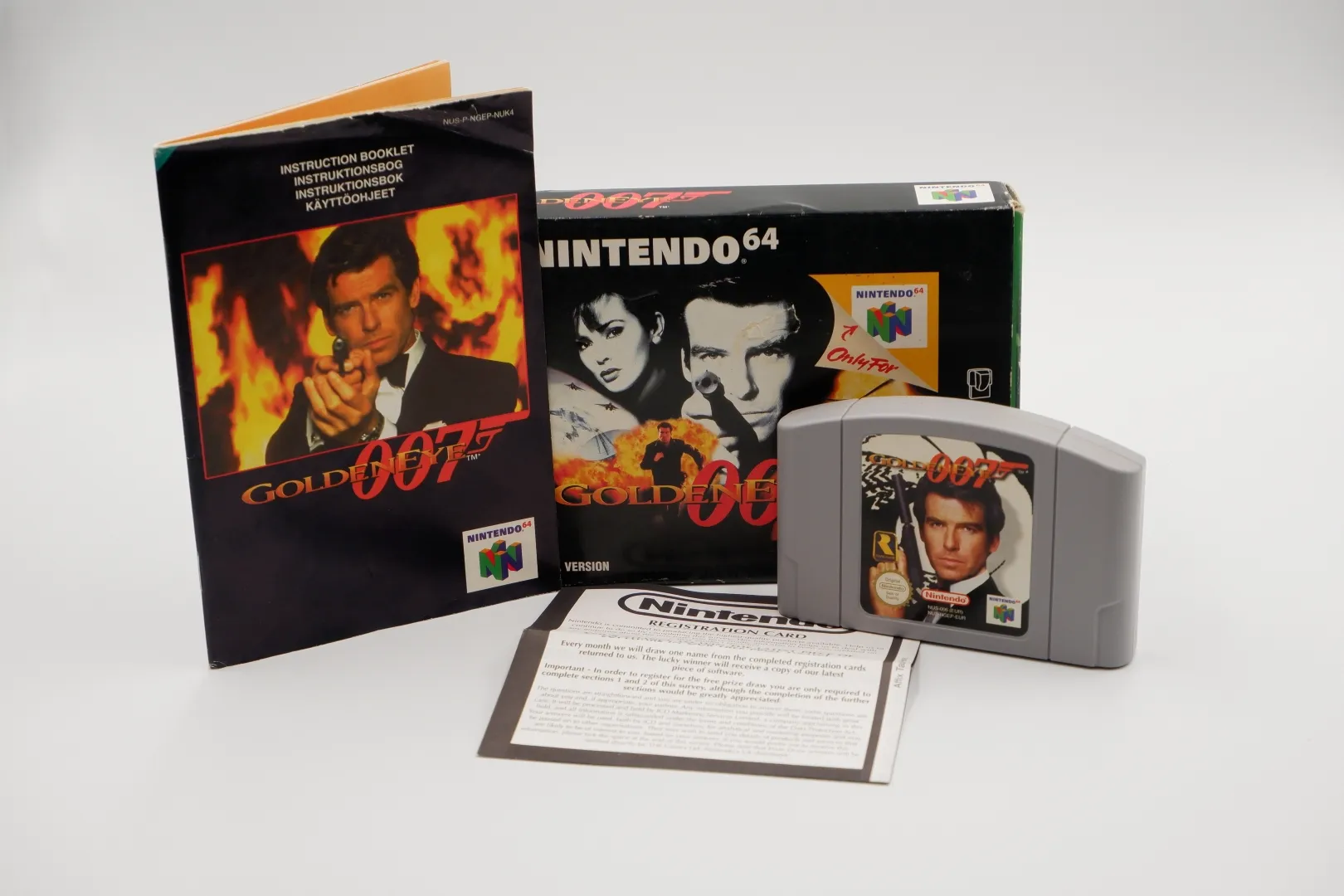
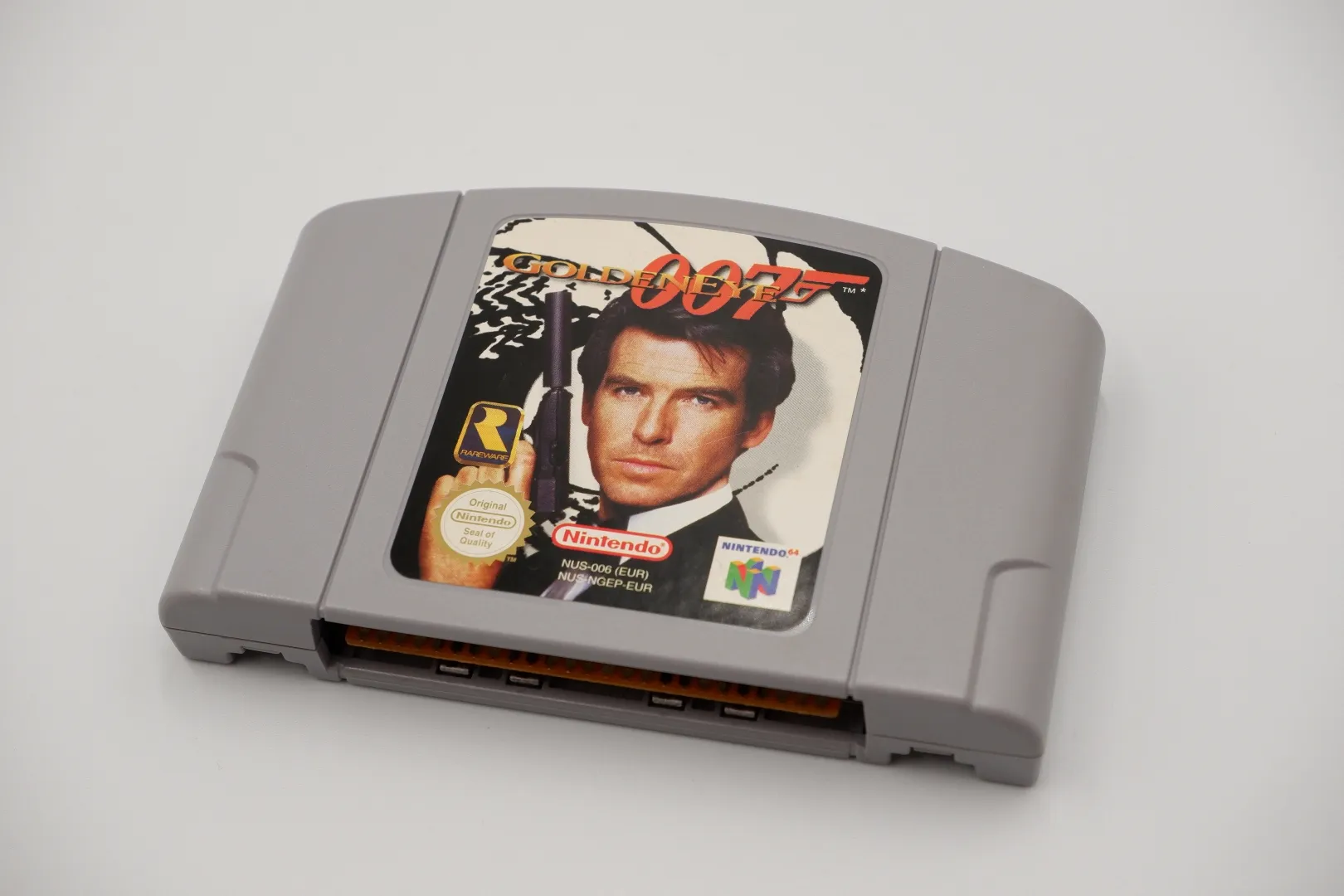
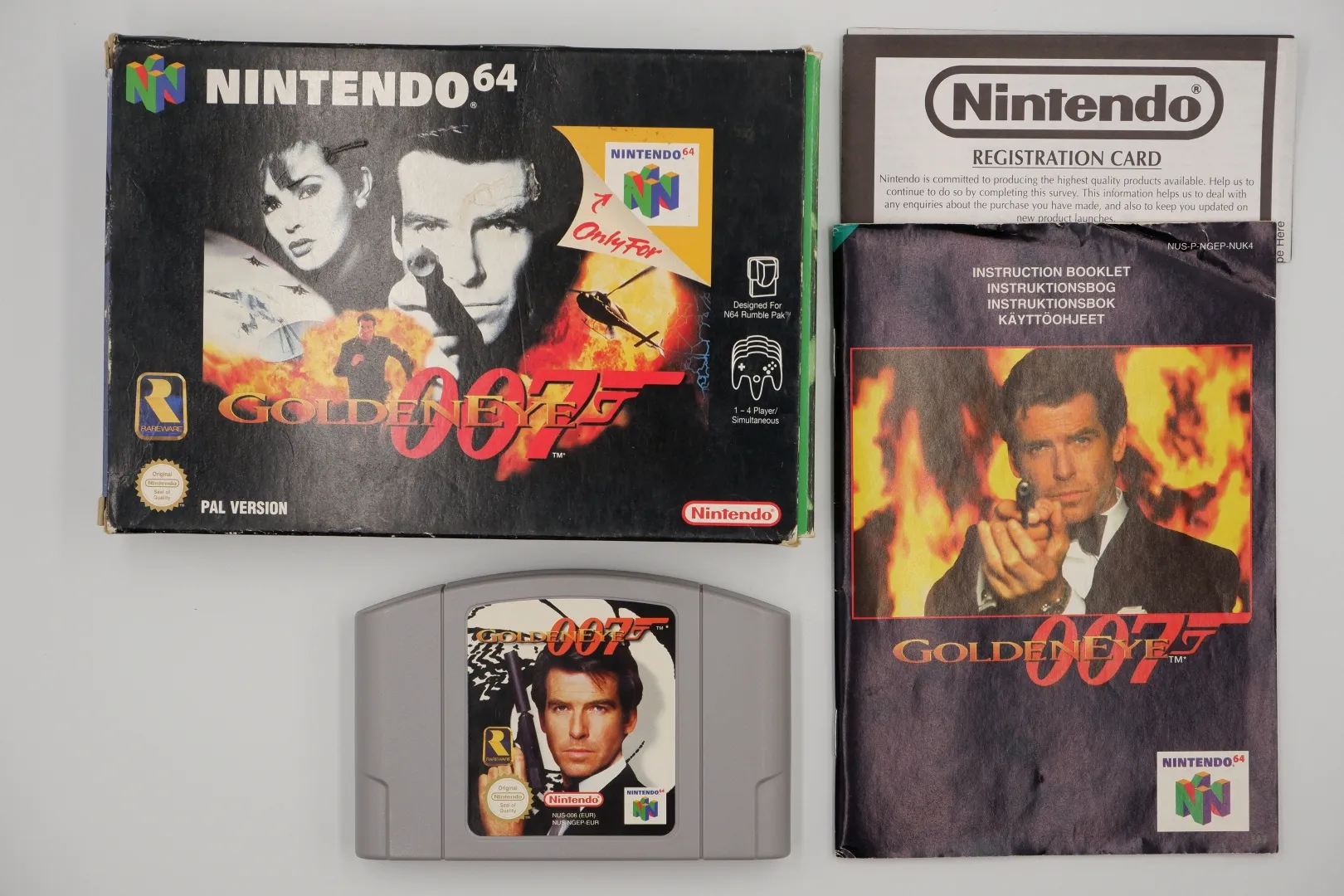
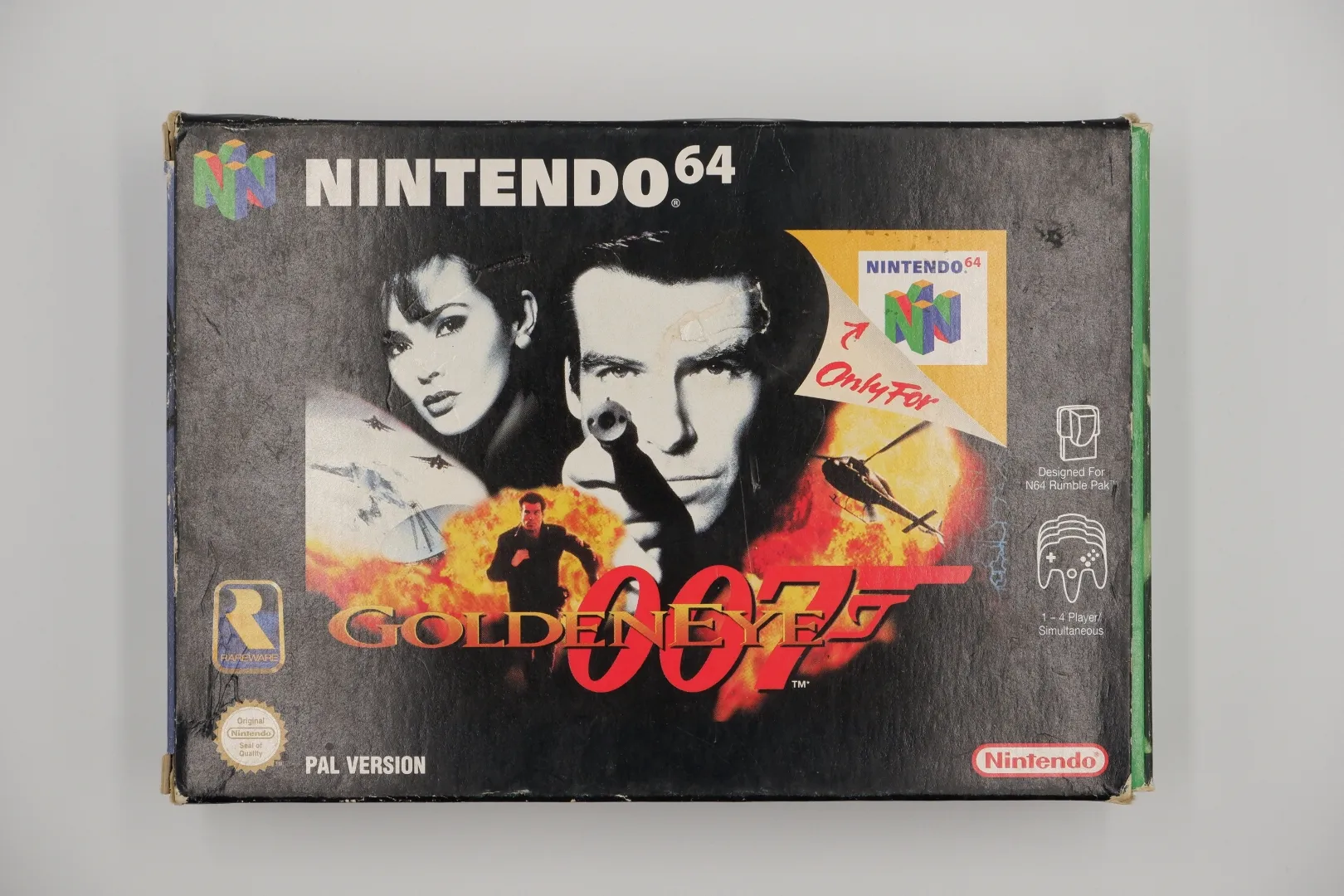
GoldenEye 007 (1997)
Approx Units Sold – 8.09 million
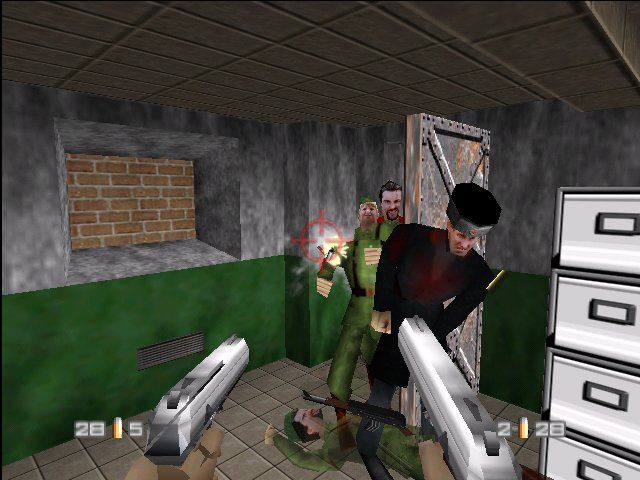
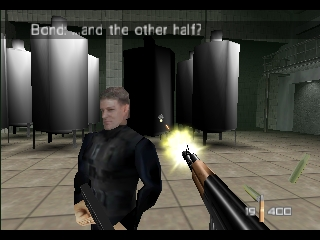
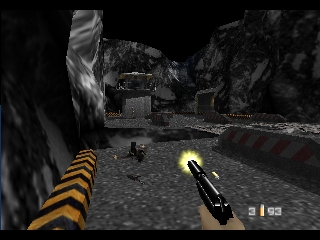
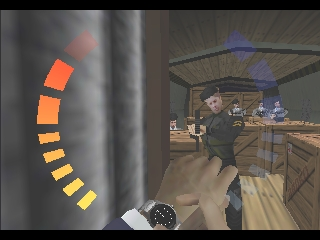
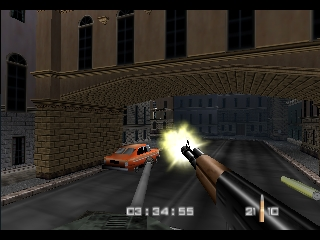
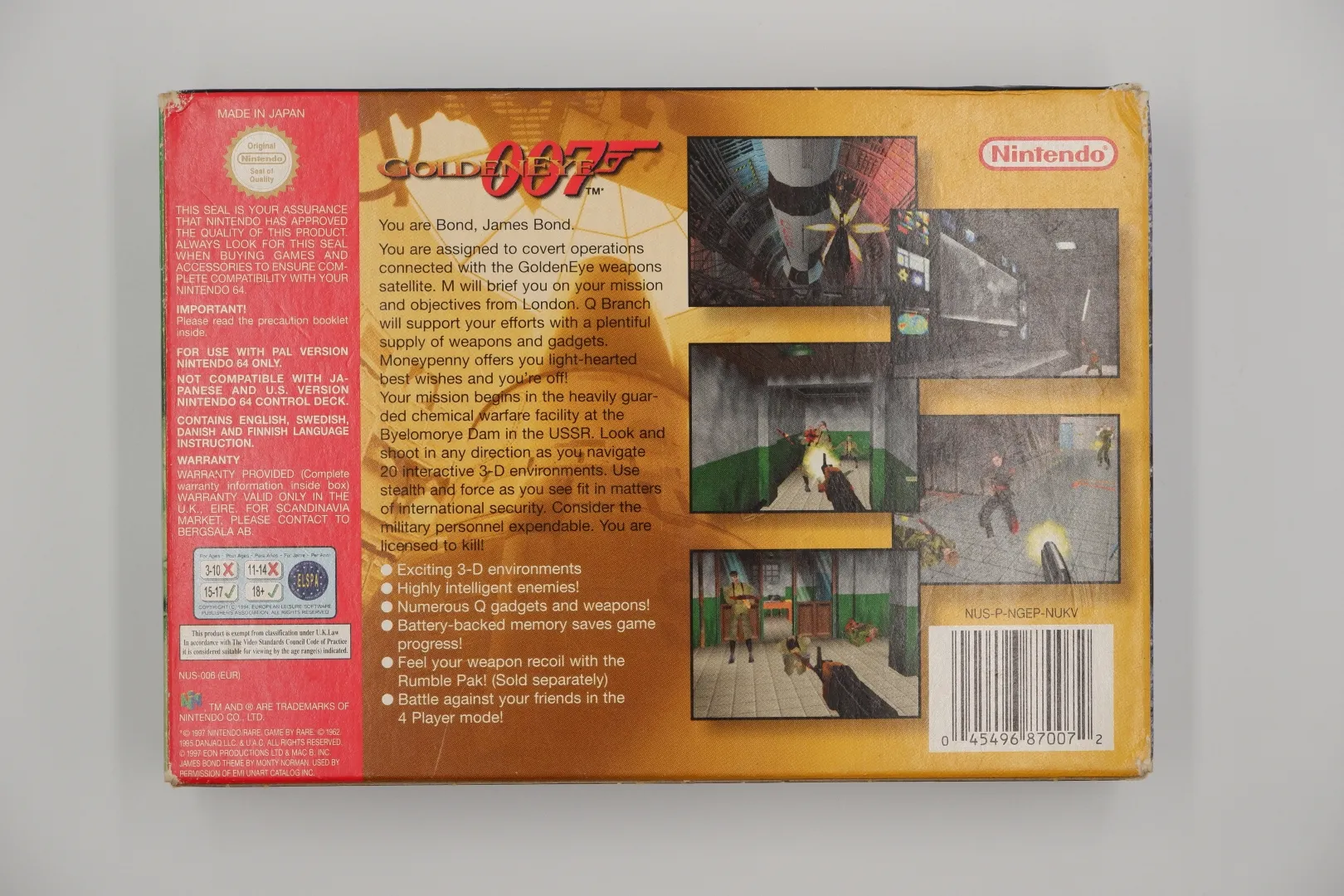
GoldenEye 007 for the Nintendo 64 is a first-person shooter based on the 1995 James Bond film of the same name. The game’s story follows James Bond as he attempts to stop the Janus crime syndicate from using a satellite weapon, GoldenEye, to cause a global financial collapse. Gameplay involves navigating a series of levels with various objectives, from recovering items to rescuing hostages, while using an array of weapons and gadgets. Players can use stealth or brute force to complete missions, with different difficulty settings adding or changing objectives. The game was highly praised for its engaging single-player campaign, innovative level design, and most notably, its highly influential multiplayer mode, which allowed up to four players to compete in split-screen deathmatches. Its critical acclaim and commercial success solidified it as a groundbreaking title for the console and a defining game of its era, influencing the future of first-person shooters on consoles.
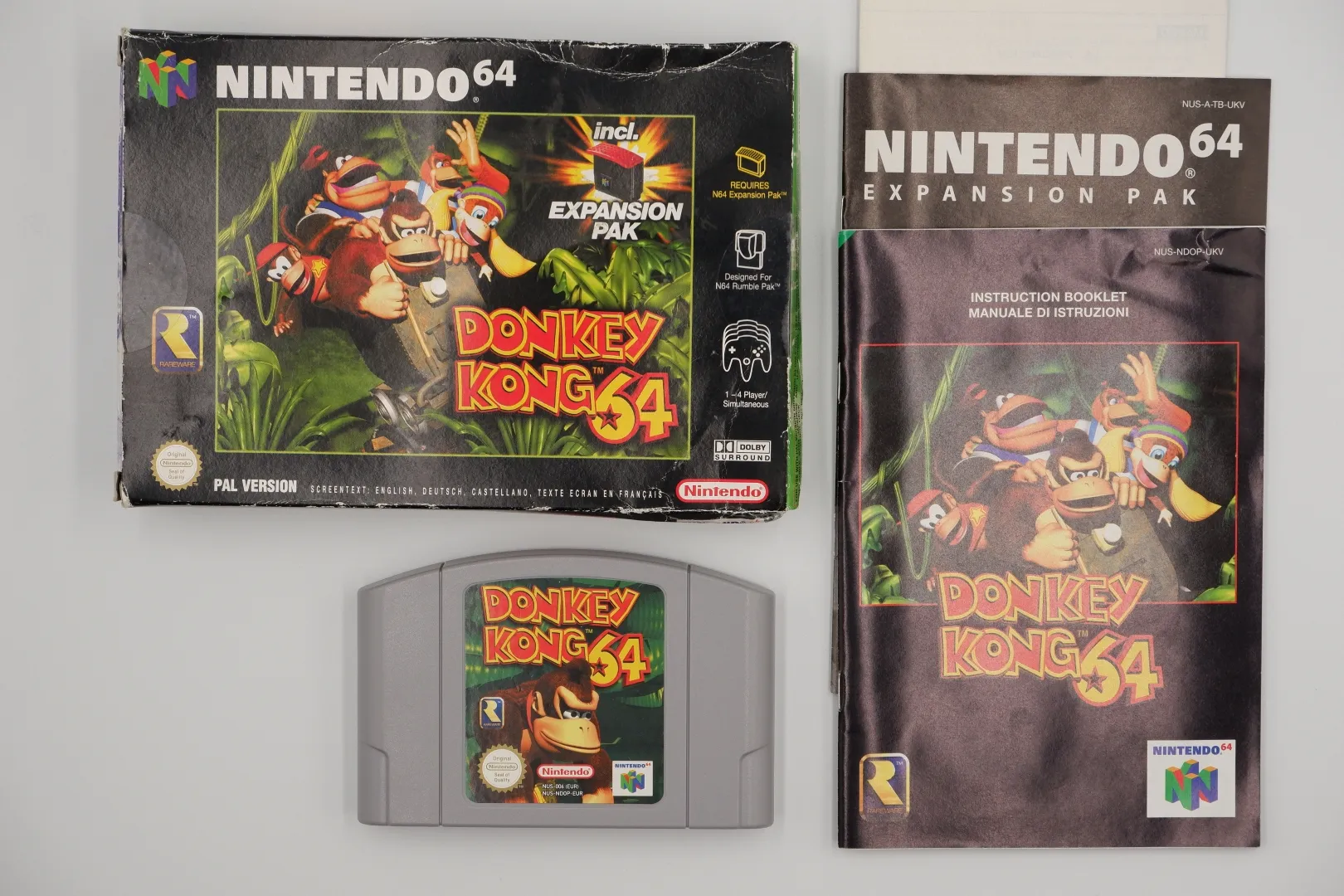
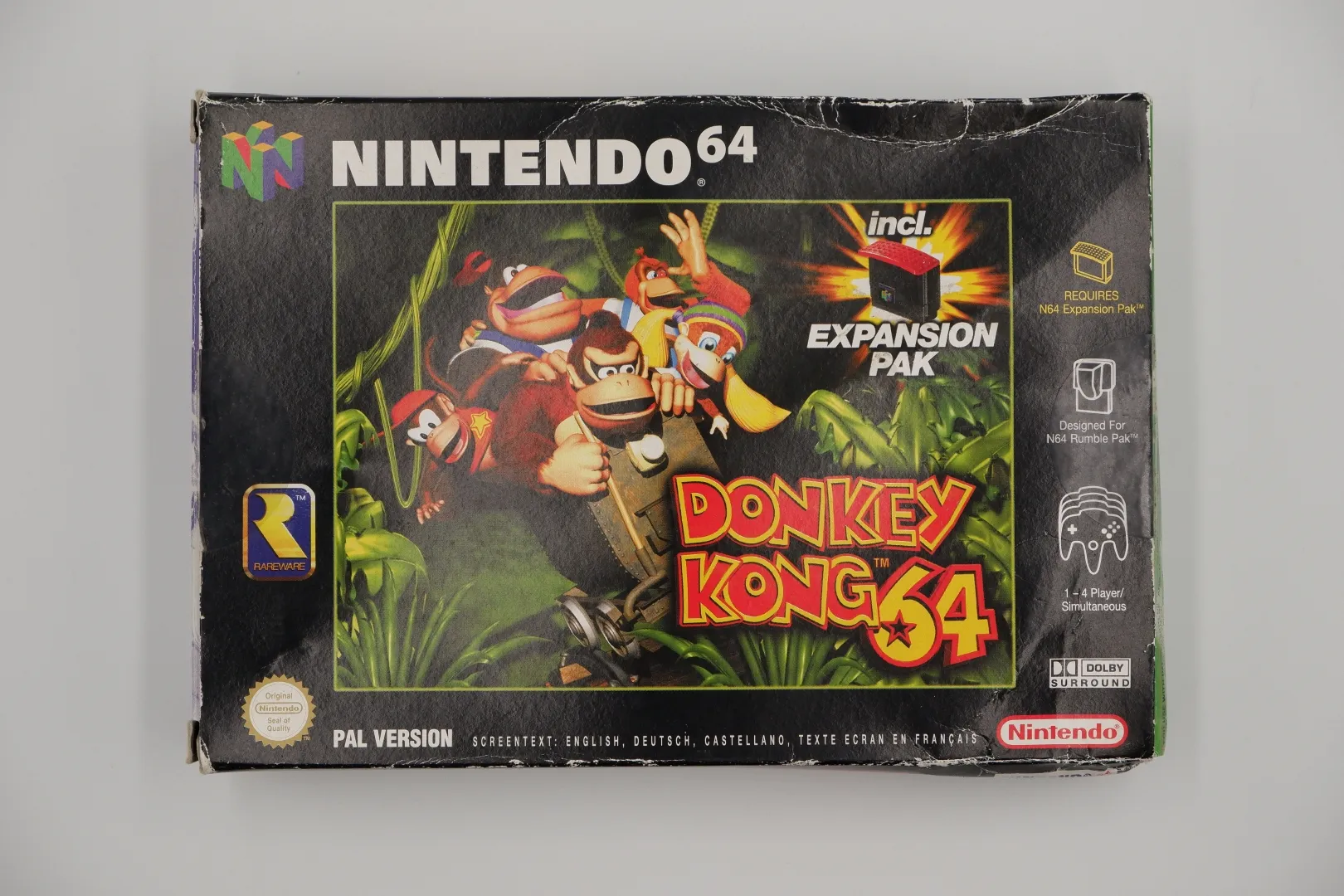
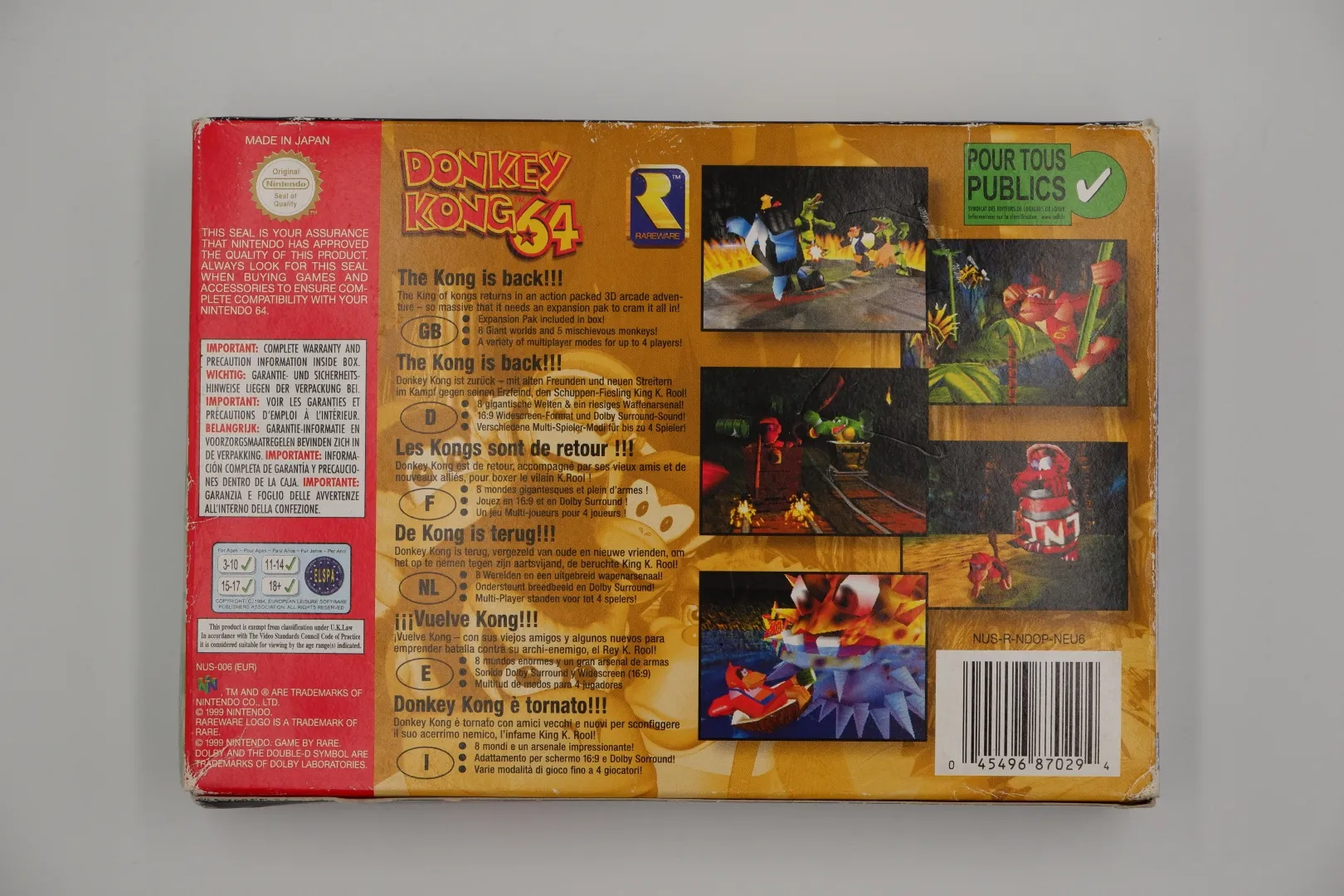
Donkey Kong 64 (1999)
Approx Units Sold – 5.27 million
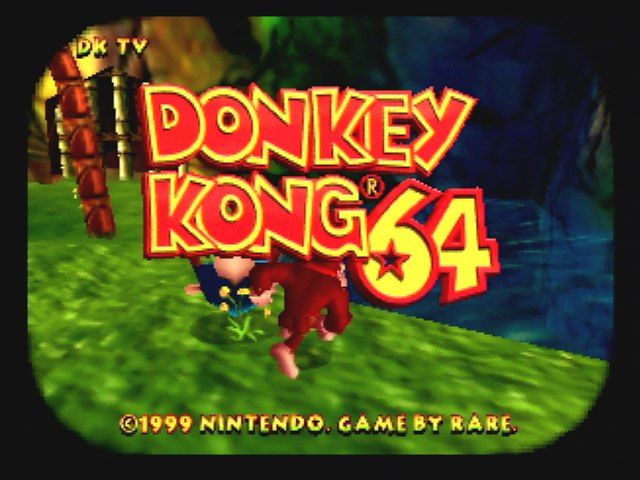
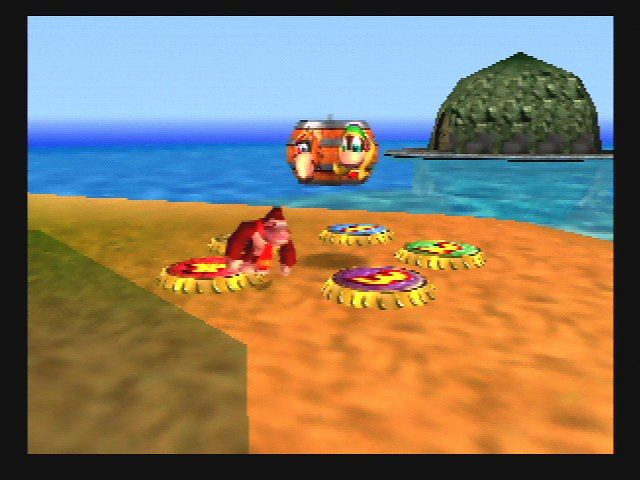
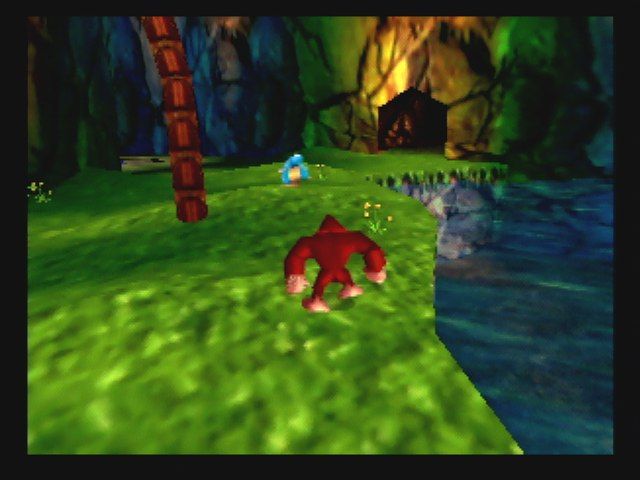
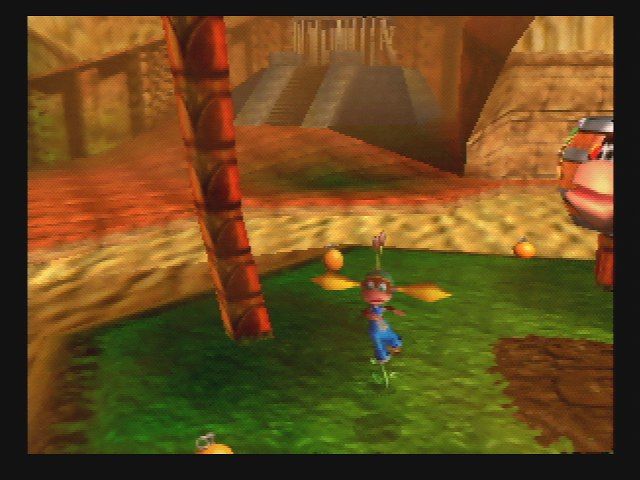
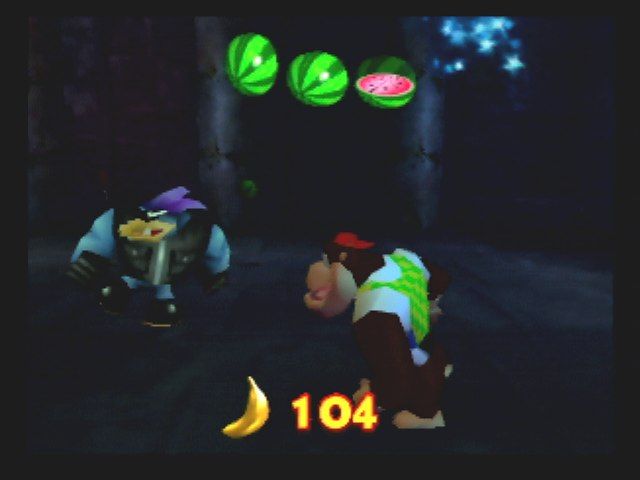
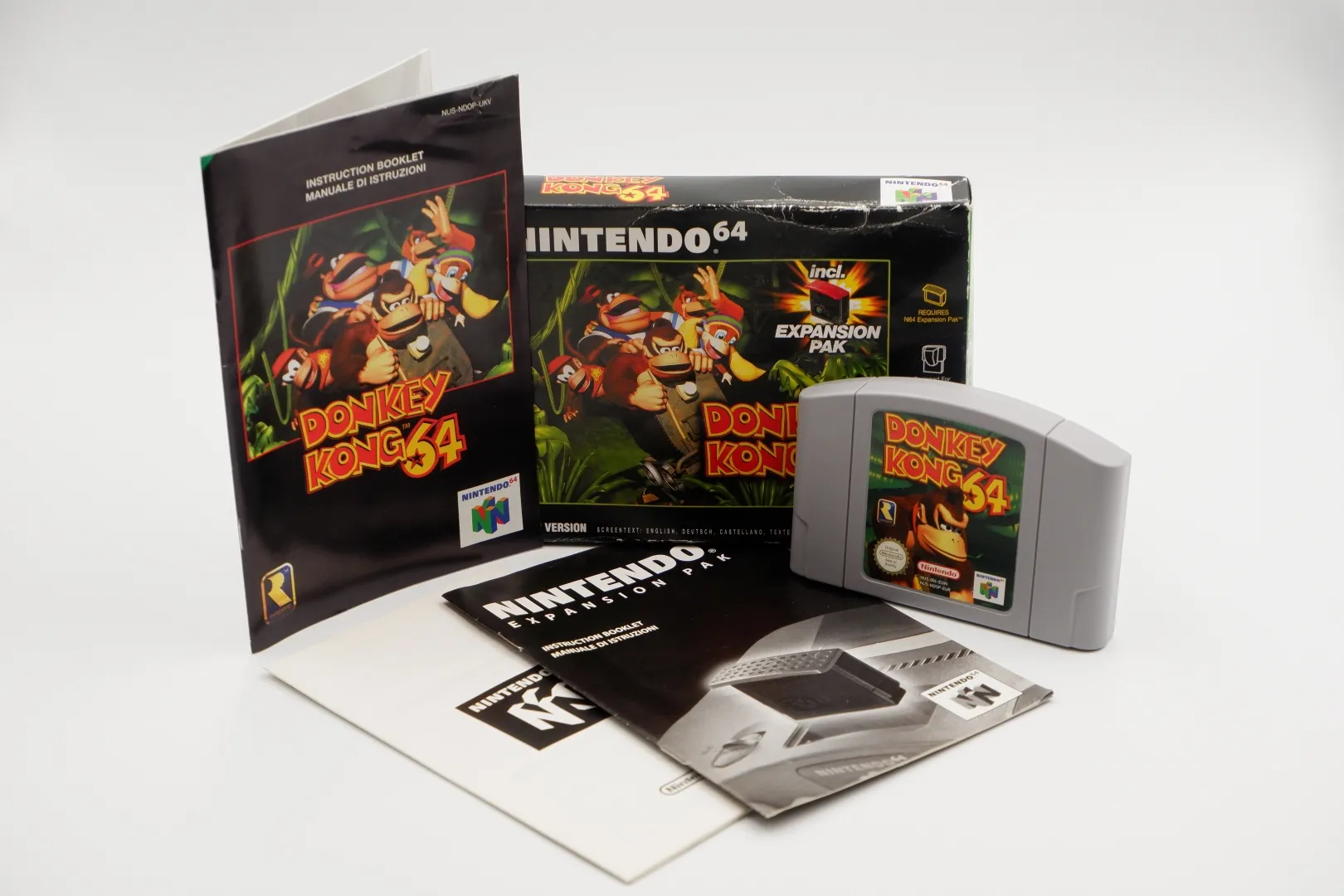
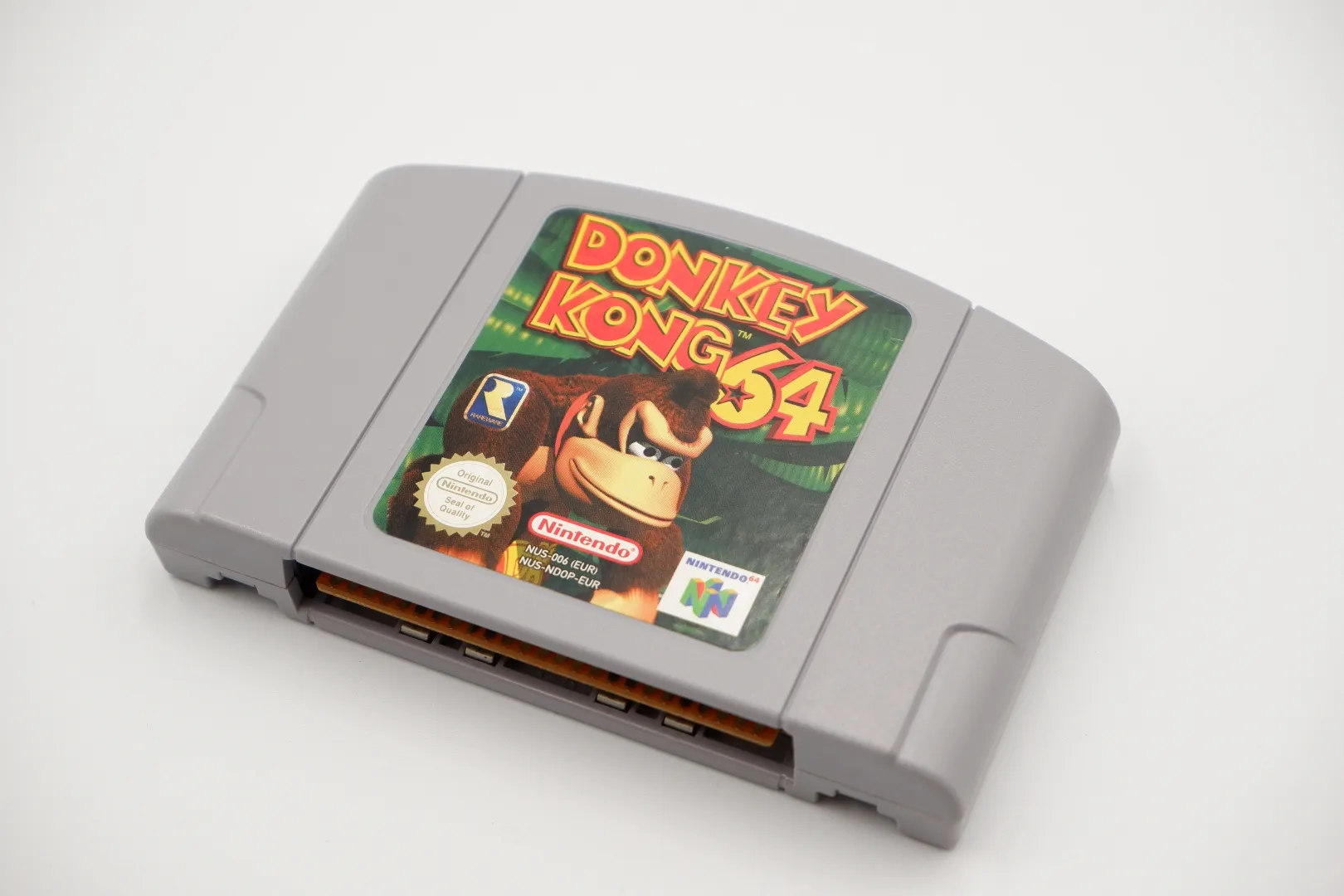
Donkey Kong 64 is a 1999 3D platforming adventure game developed by Rare and published by Nintendo for the Nintendo 64. The story follows Donkey Kong, who, with the help of his friends Diddy, Tiny, Lanky, and Chunky Kong, must stop the evil King K. Rool from destroying DK Isle with his “Blast-O-Matic” weapon. The game is known for its massive scale and collect-a-thon gameplay, requiring players to explore huge, open levels to find an immense number of items, including golden bananas, colored bananas, and banana coins. Each of the five playable Kongs has unique abilities and weapons, making it necessary to switch between them frequently to solve puzzles and access different areas. Upon its release, Donkey Kong 64 received critical acclaim for its ambitious design, graphics, and humor. However, in the years since, it has also garnered criticism for its overwhelming number of collectibles and the constant backtracking required, which some players find tedious and repetitive.
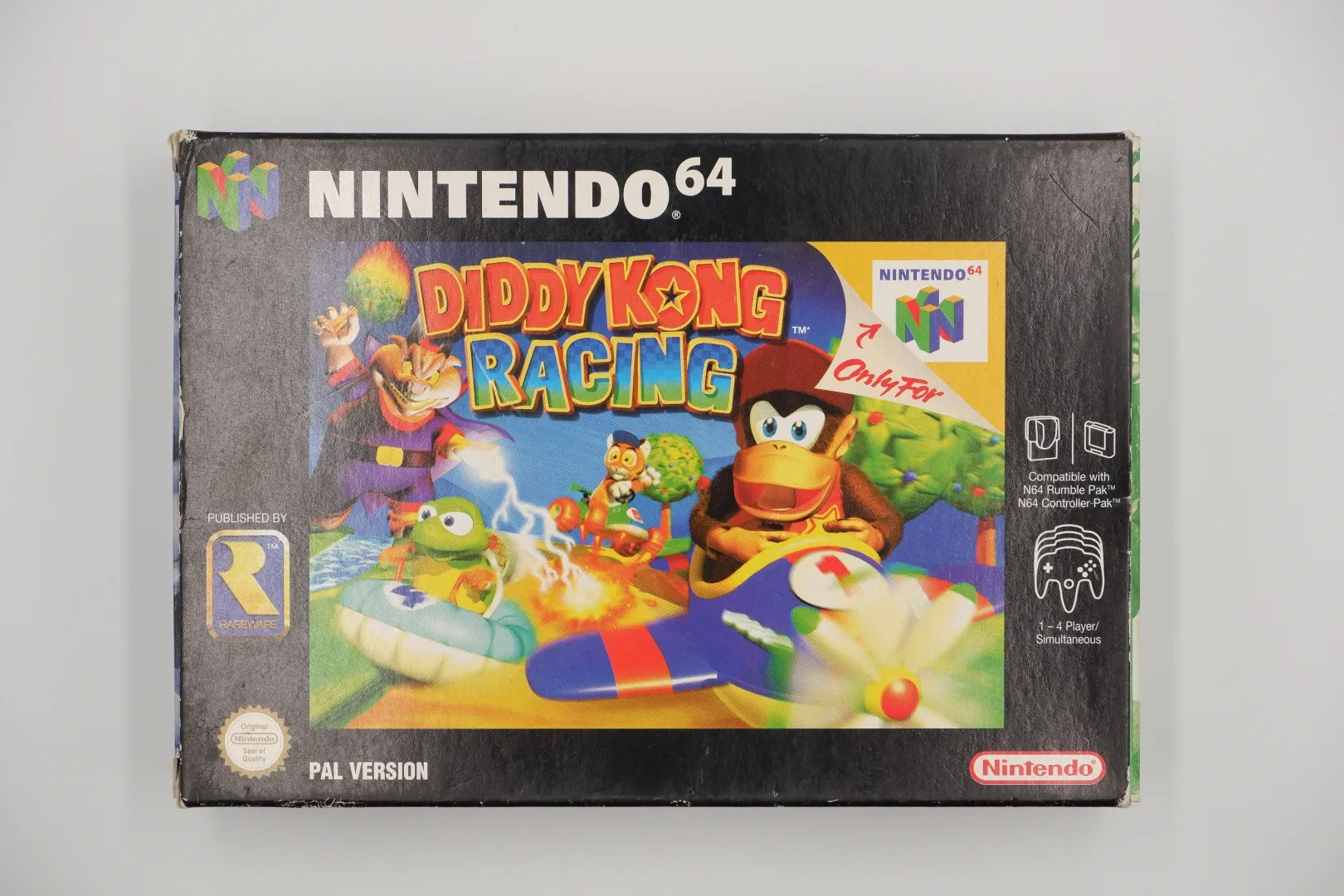
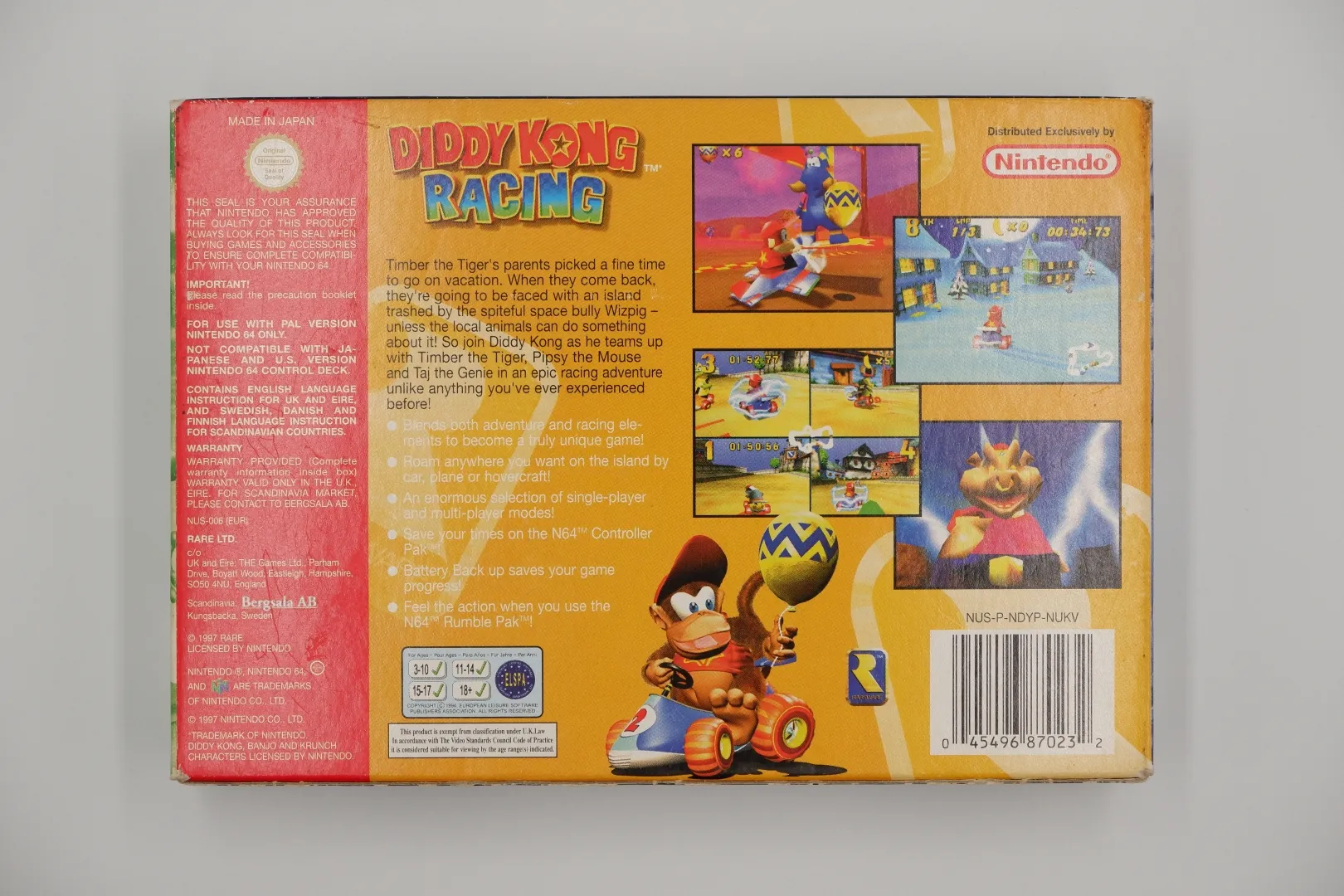
Diddy Kong Racing (1997)
Approx Units Sold – 4.88 million
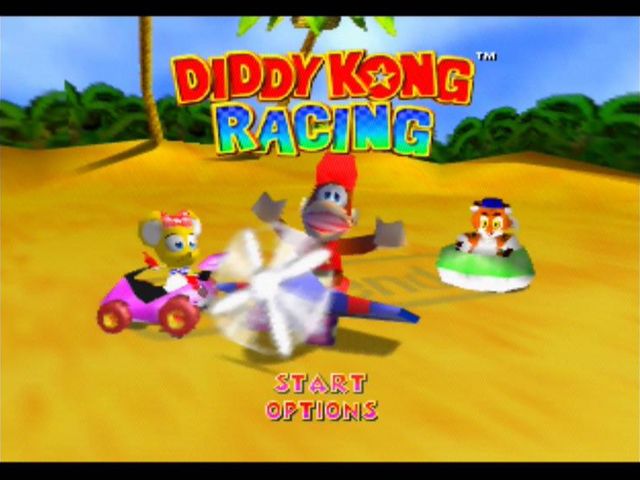
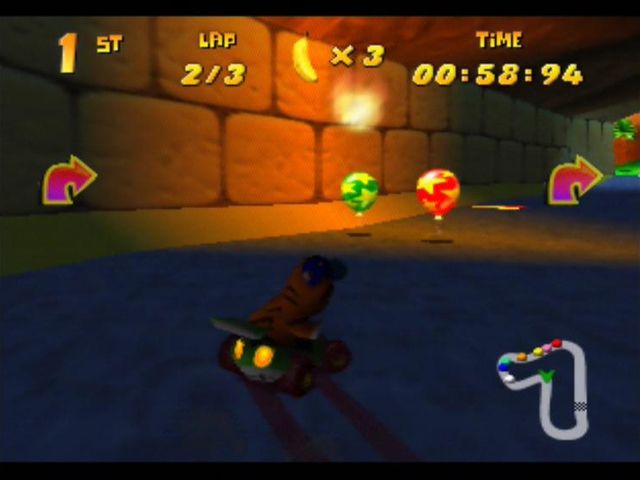
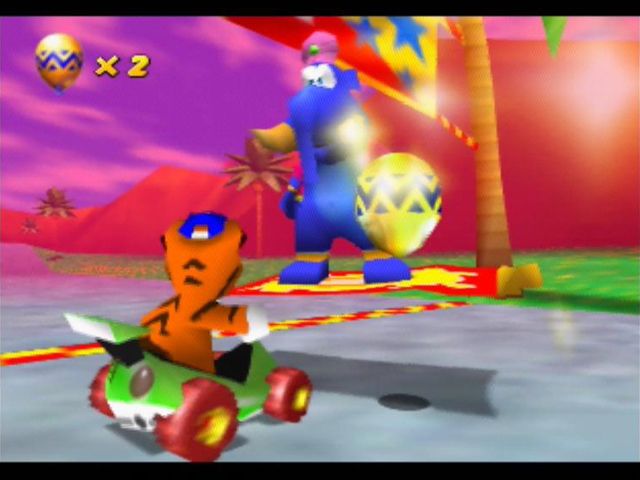
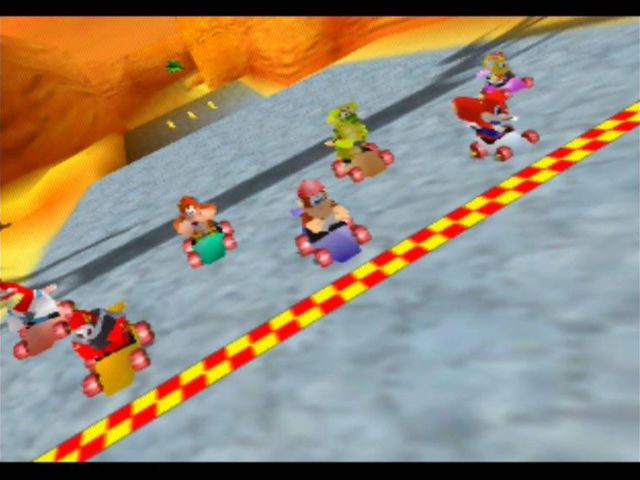
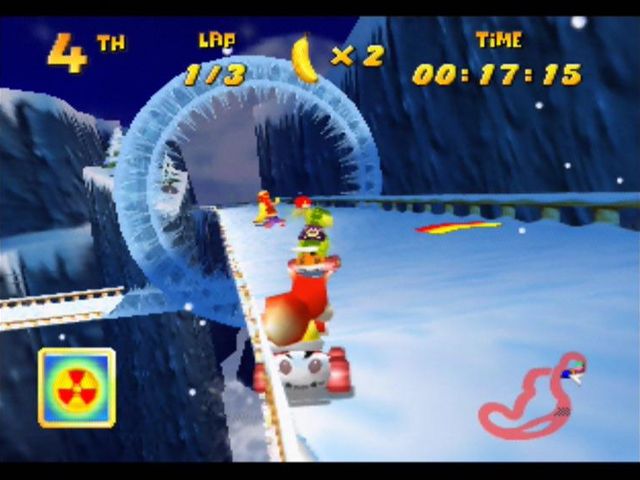
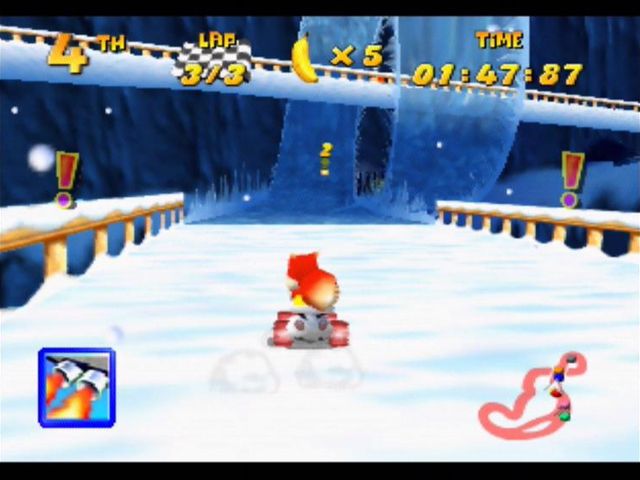
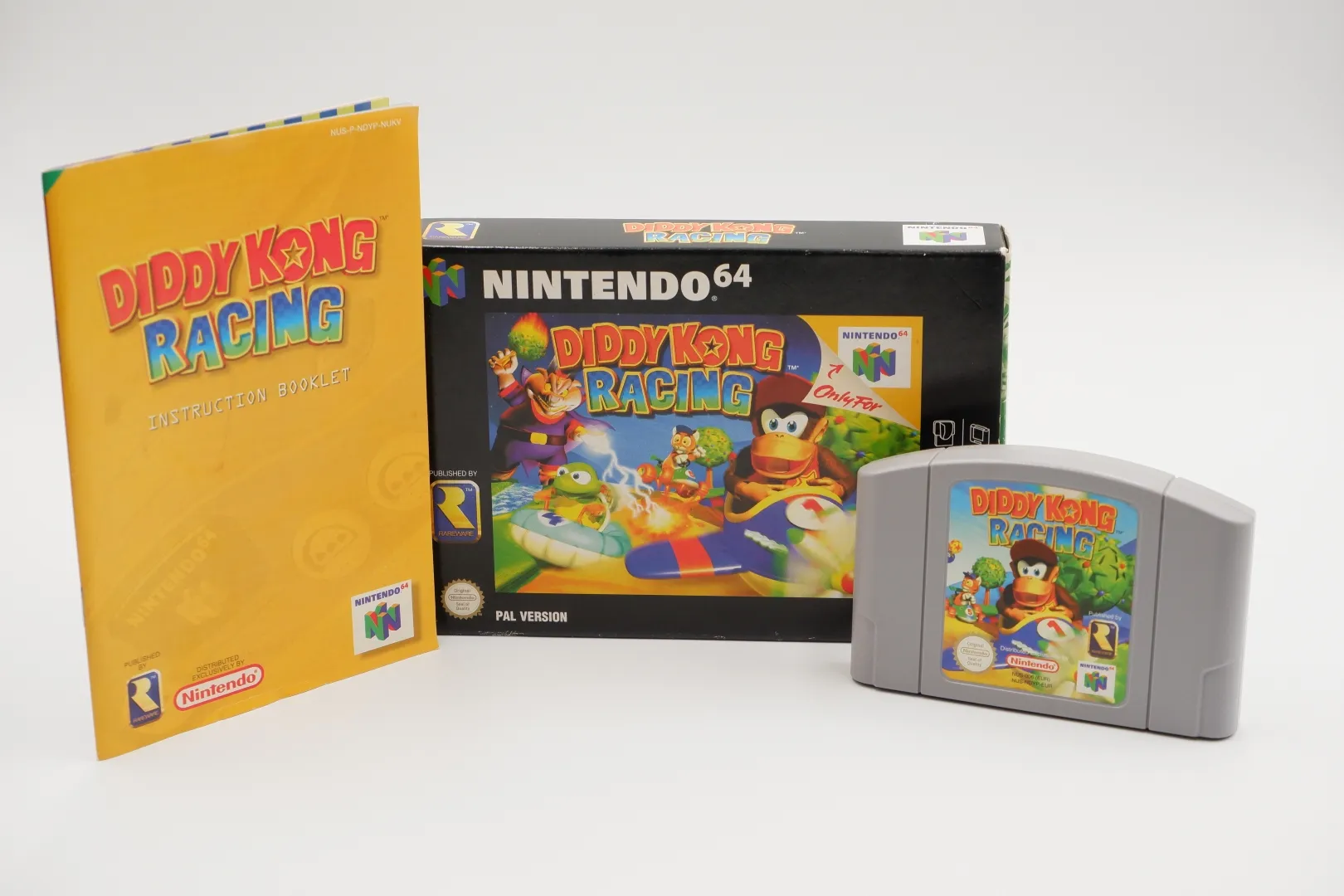
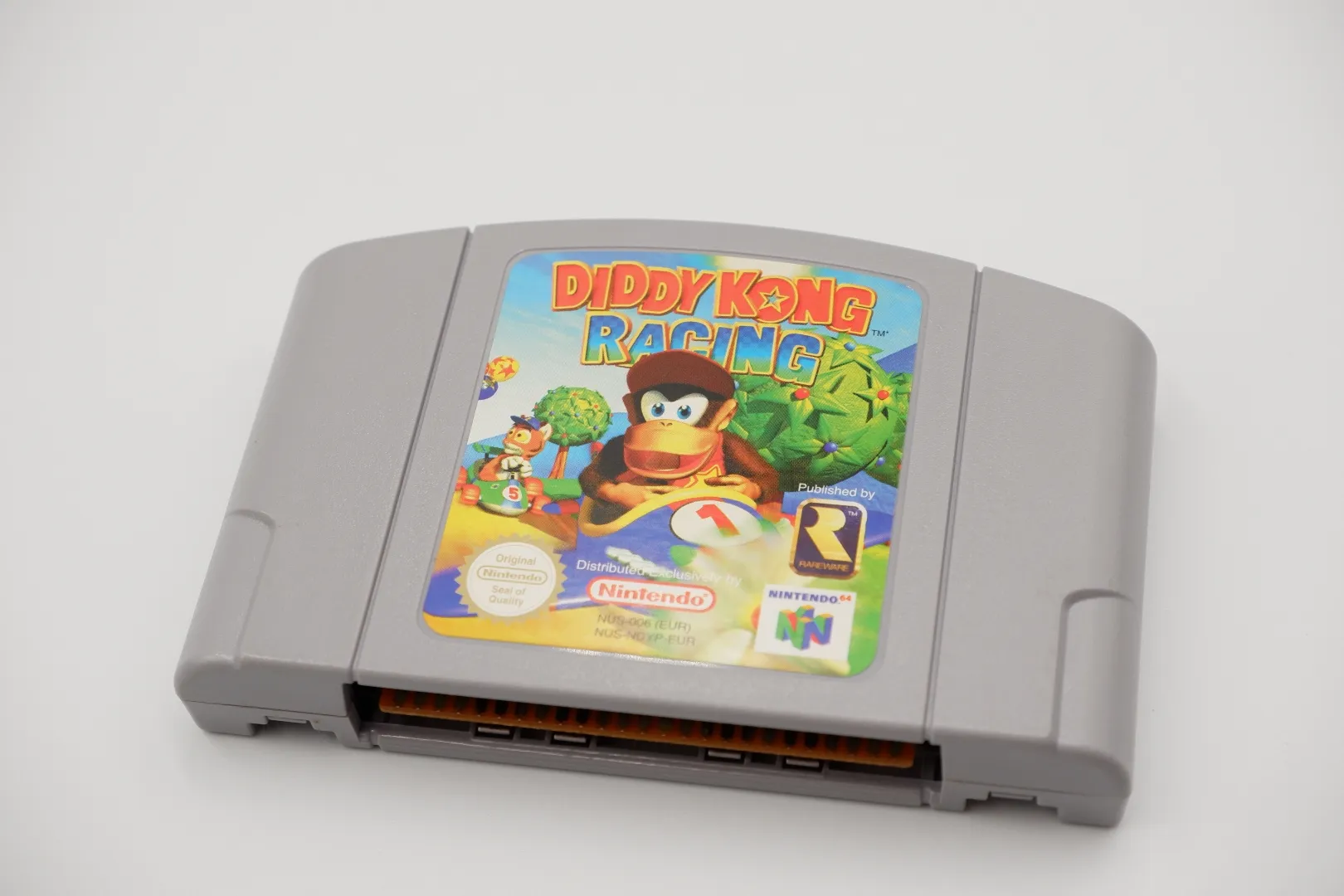
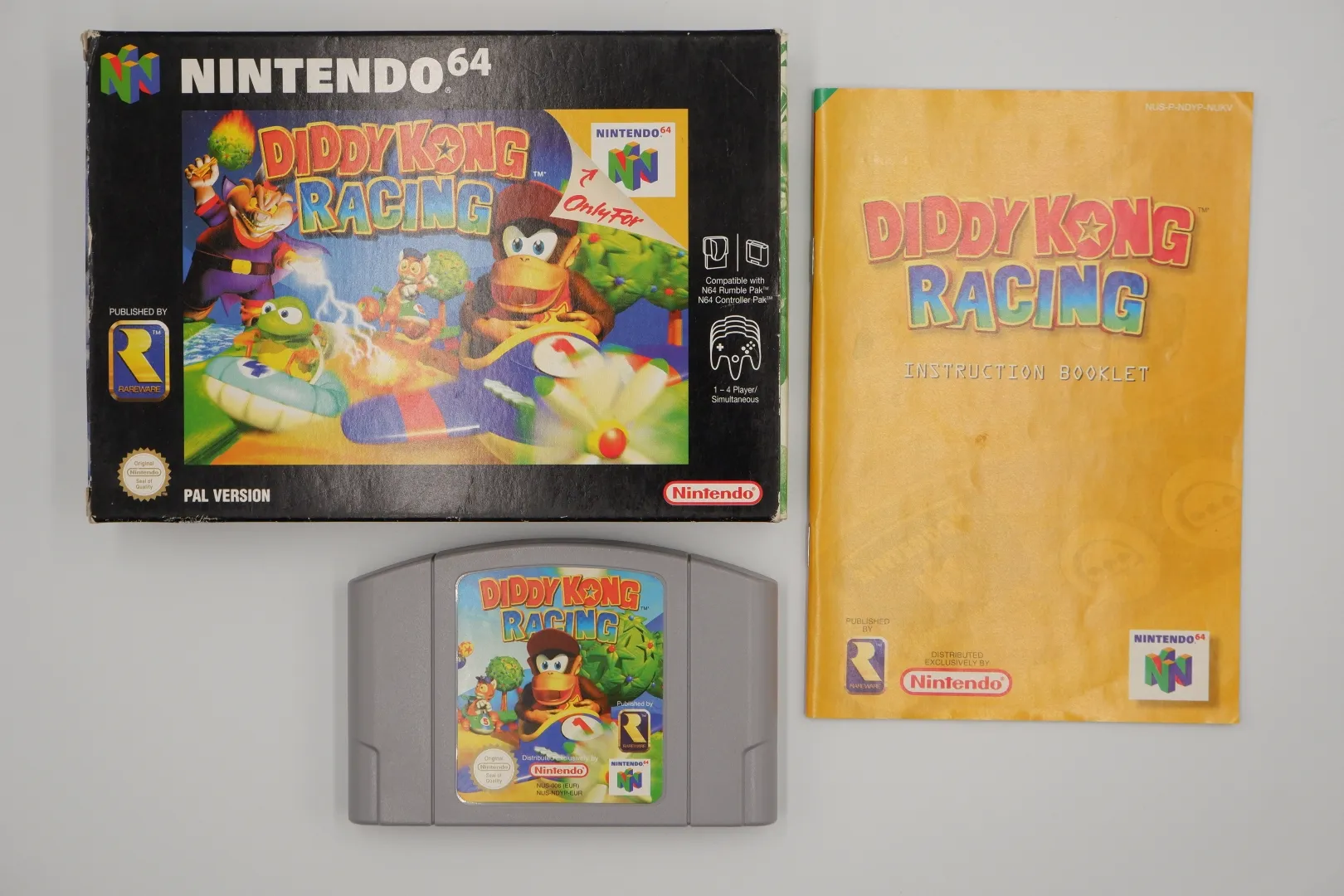
Developed by Rare and released in 1997, Diddy Kong Racing is a kart racing game for the Nintendo 64 that sets itself apart from its contemporaries, like Mario Kart 64, by including a unique adventure mode. The game’s story centers on Diddy Kong and his friends, including pre-debut appearances of Banjo and Conker, who must defeat a villainous intergalactic pig-wizard named Wizpig. Wizpig has taken over Timber’s Island, and the only way to stop him is to win a series of races. Players explore a hub world, which connects to different themed areas, each with its own set of races and a boss to defeat. The gameplay is a significant departure from other racers of the era due to the inclusion of three different vehicle types: karts, hovercrafts, and airplanes. Each vehicle handles differently and is required for specific tracks, adding a layer of strategic variety. The game was a critical and commercial success, praised for its innovative adventure mode, diverse gameplay, and vibrant graphics and music, though some critics noted a bit of repetition and the game’s high difficulty, especially in later stages.
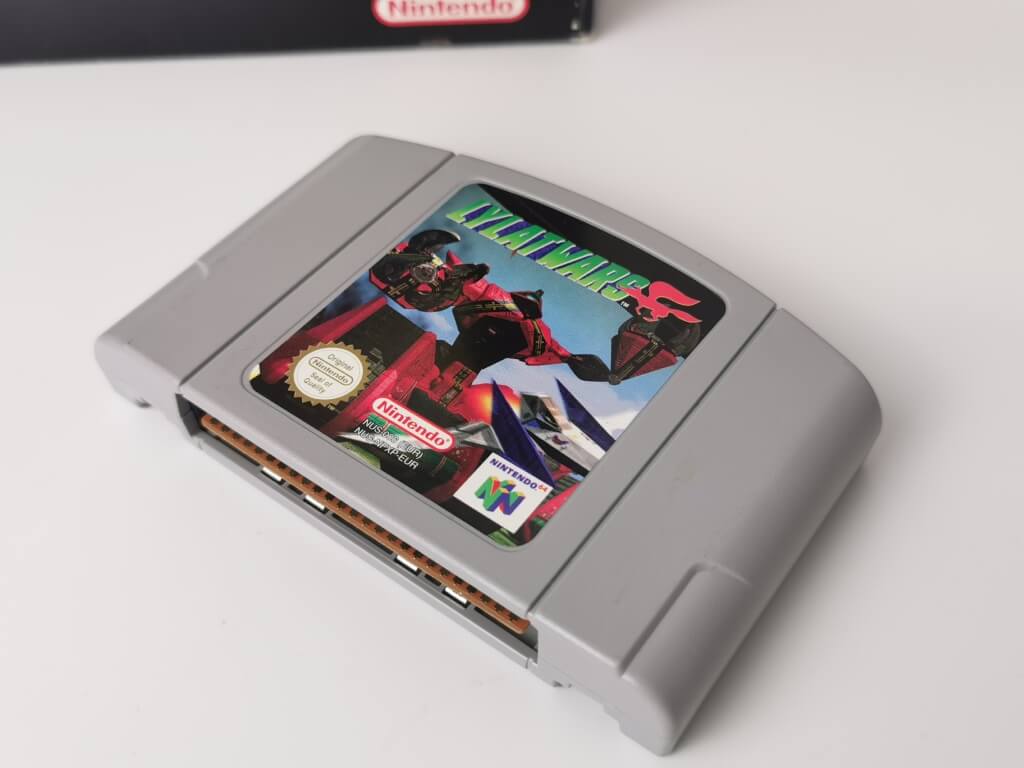
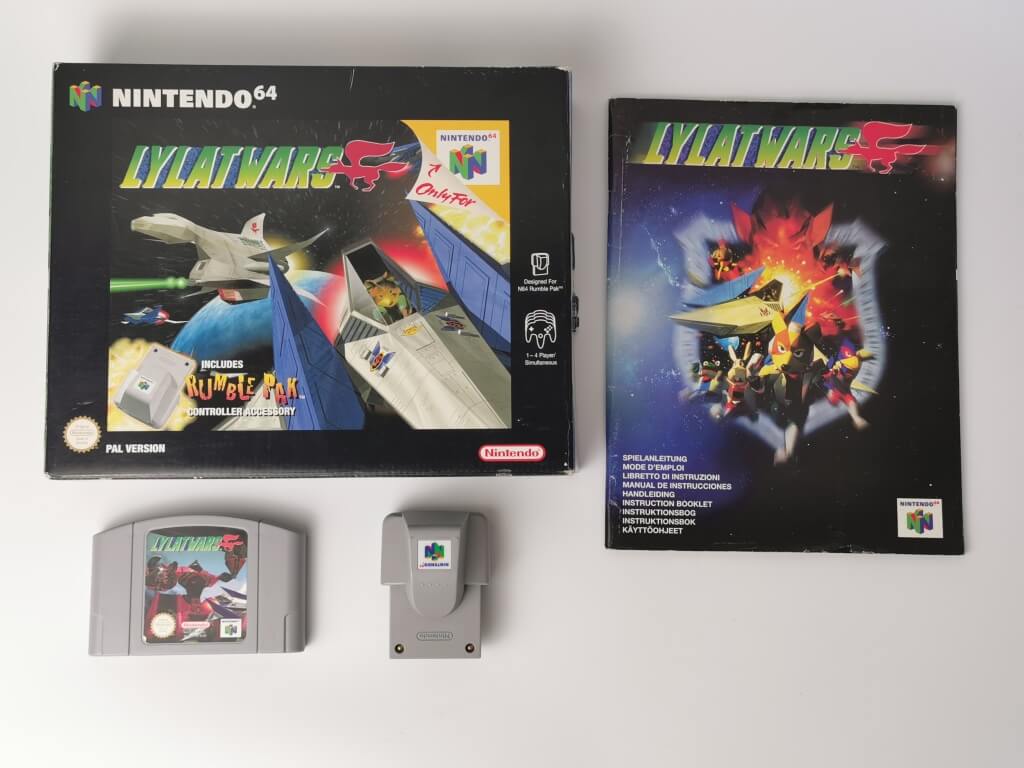
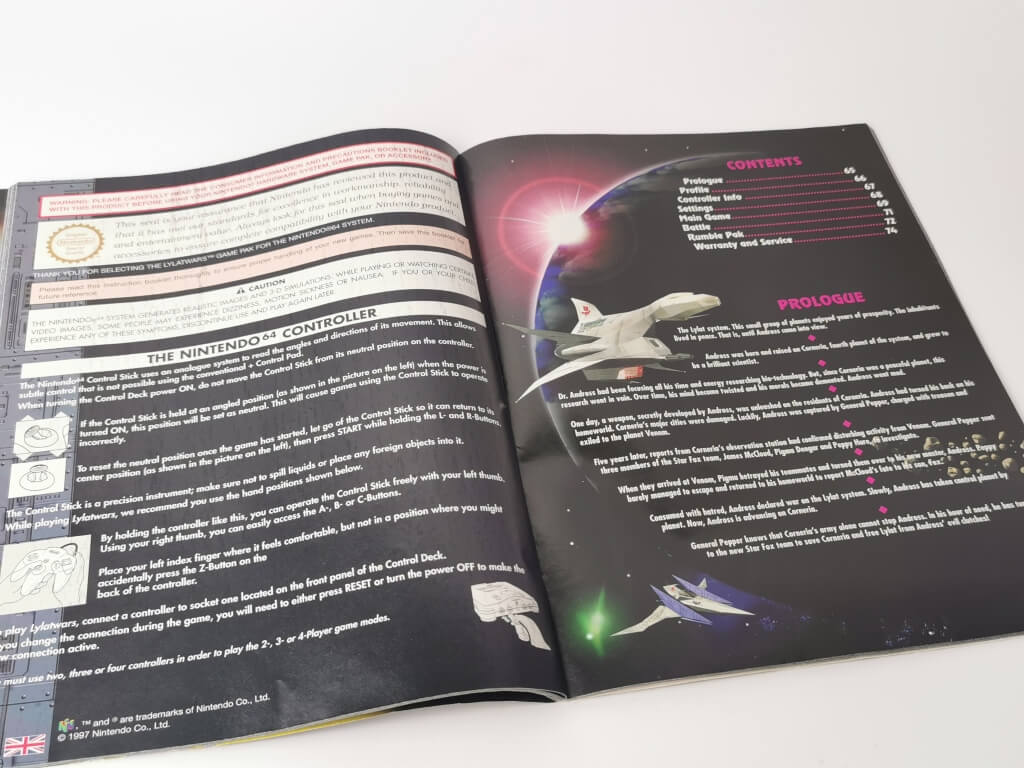
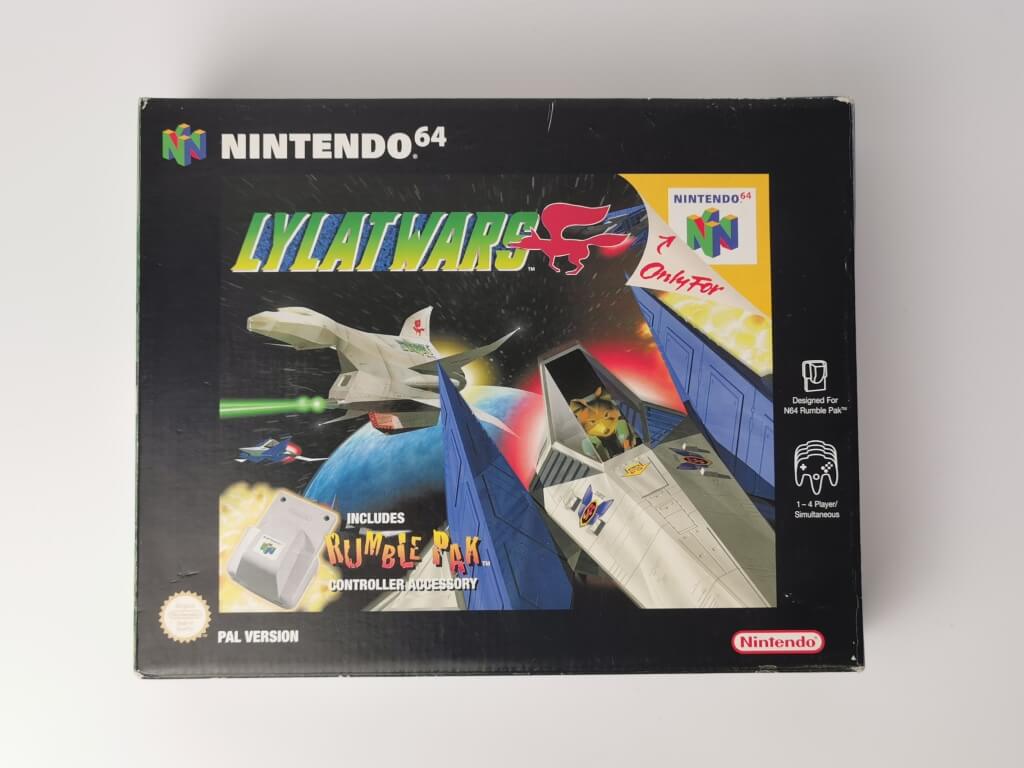
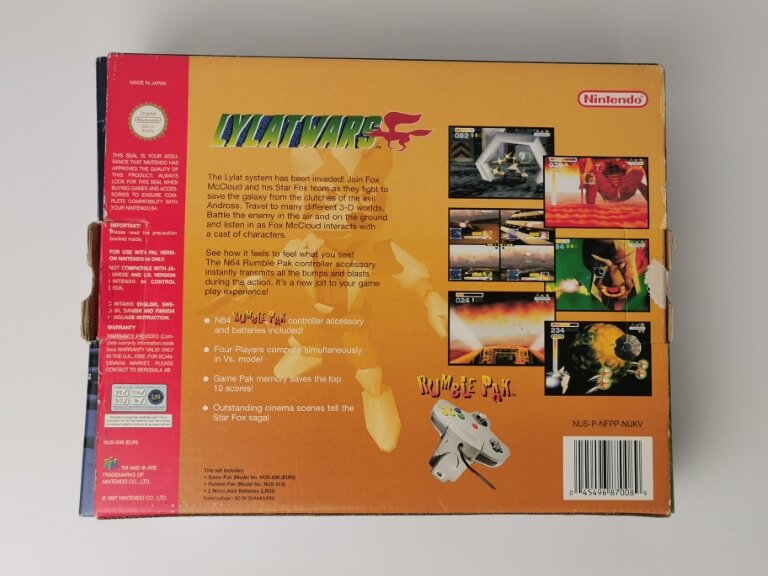
Lylat Wars (1997)
Approx Units Sold – 4.00 million
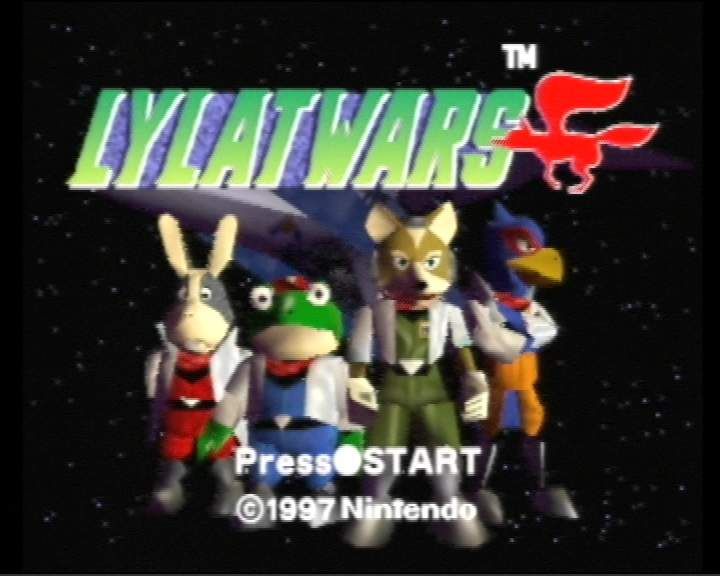
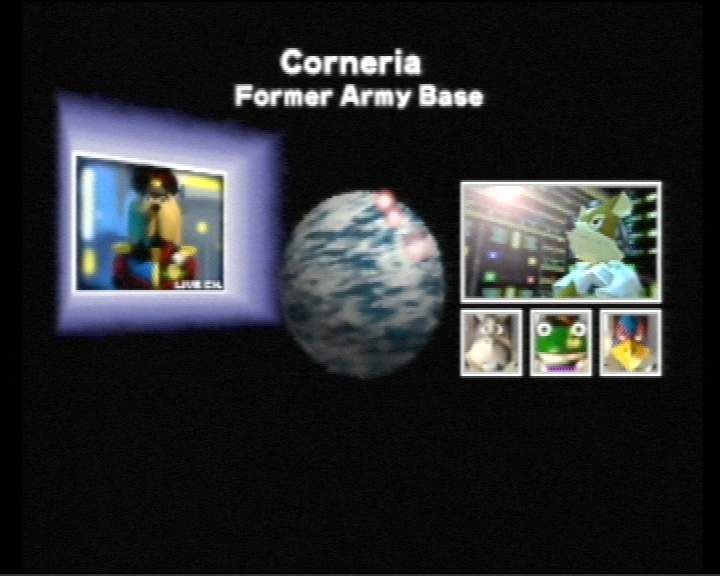
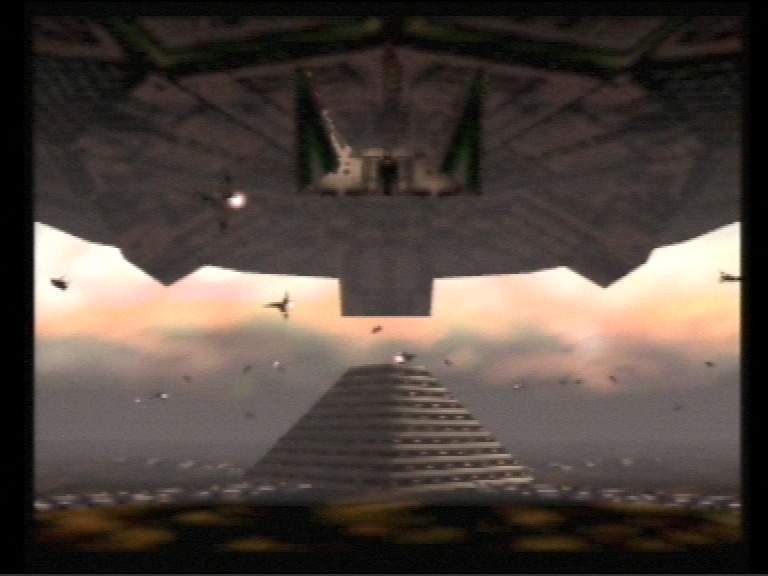
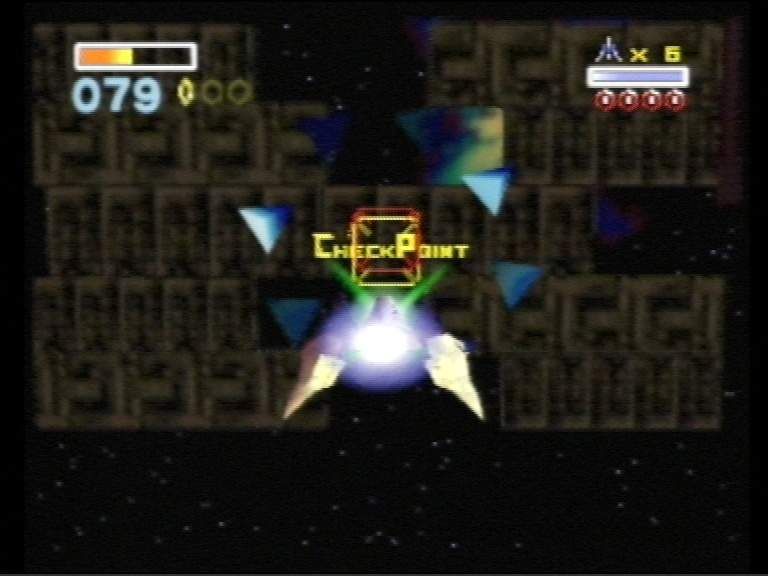
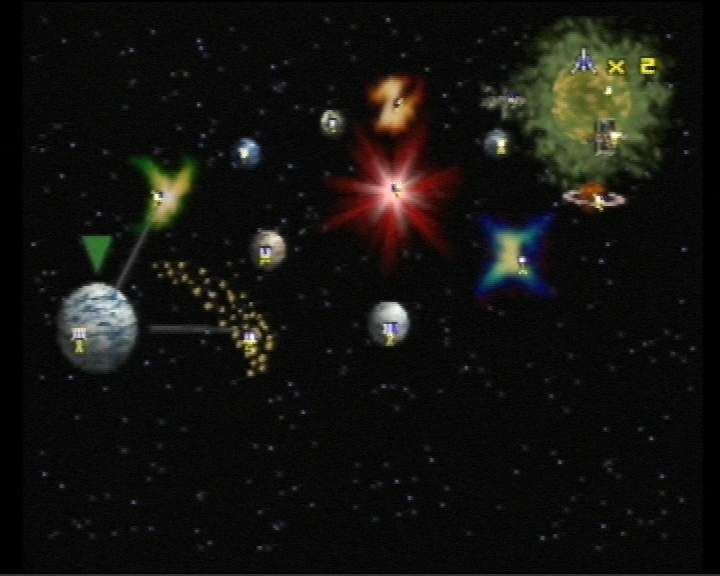
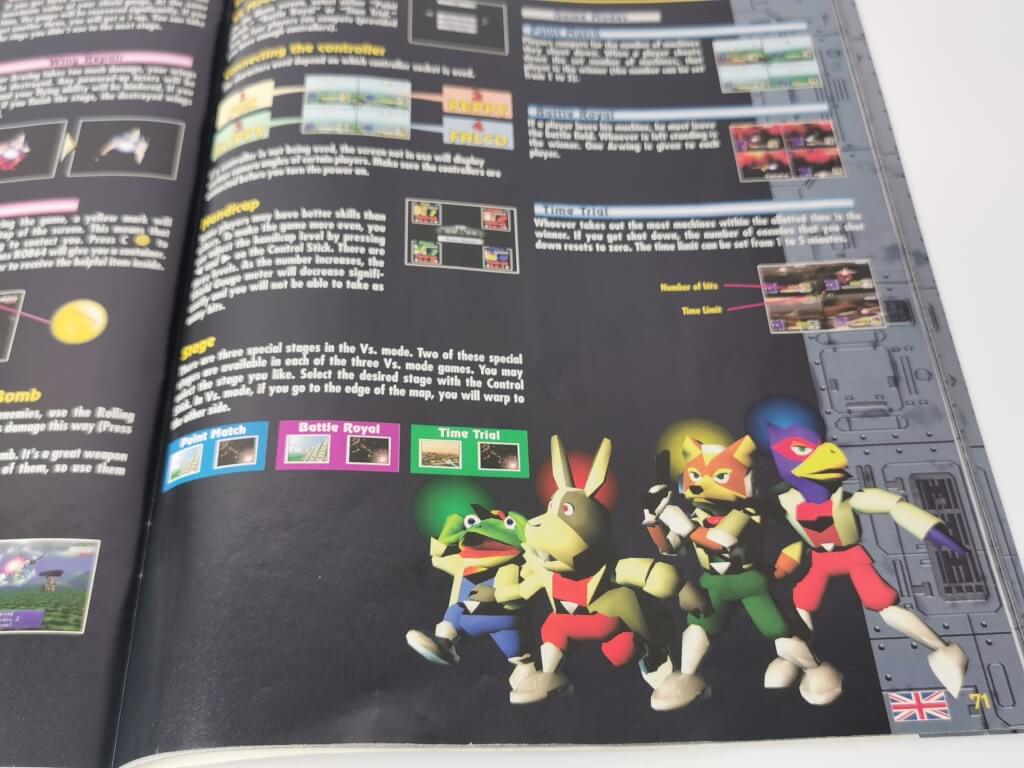
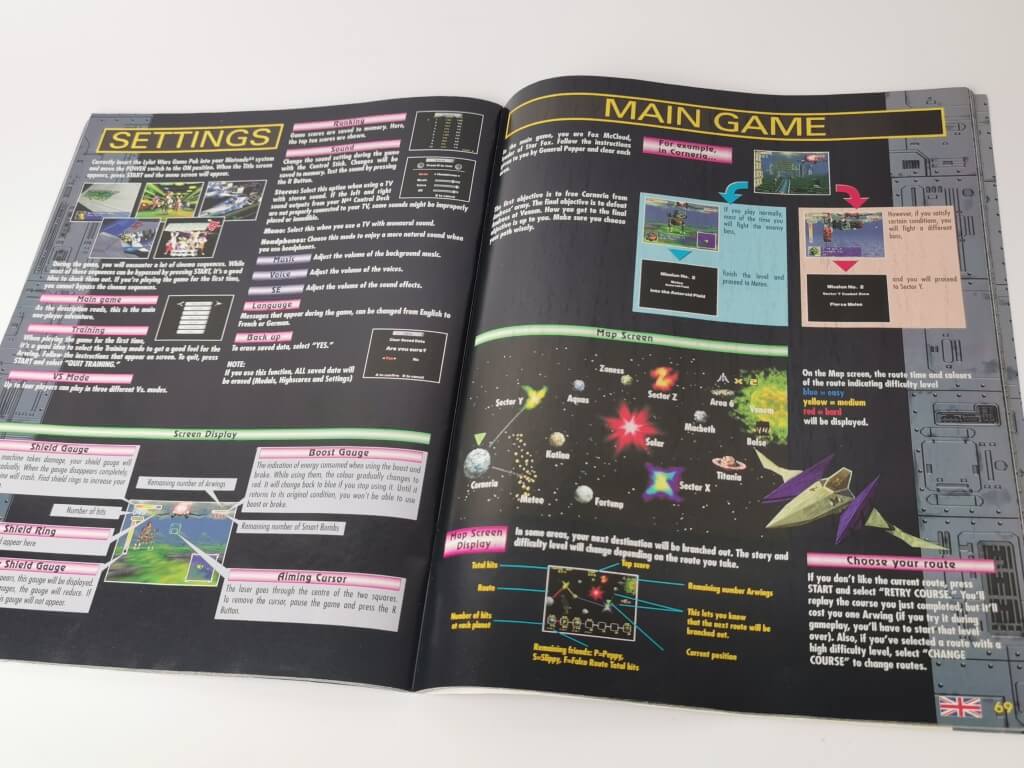
Lylat Wars, known as Star Fox 64 in other regions, is a classic 3D rail shooter game for the Nintendo 64. The story is a reboot of the original Star Fox, following the mercenary team led by Fox McCloud as they fight to save the Lylat system from the evil scientist Andross. The gameplay is primarily “Corridor Mode,” where the player’s vehicle, usually the Arwing fighter, moves along a fixed path, but some levels and boss fights introduce “All-Range Mode,” allowing for free movement within an arena. A key feature of the game is its branching paths, which allows players to choose different routes through the Lylat system by completing specific objectives, adding significant replay value. The game received critical acclaim for its precise controls, vibrant graphics for its time, and memorable voice acting, with some lines becoming iconic internet memes. The game was also notable for being one of the first N64 games to support the Rumble Pak accessory, providing force feedback to the player.
Banjo-Kazooie (1998)
Approx Units Sold – 3.65 million
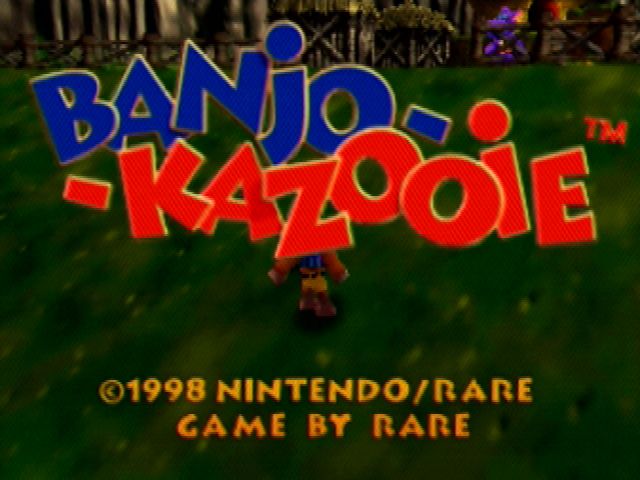
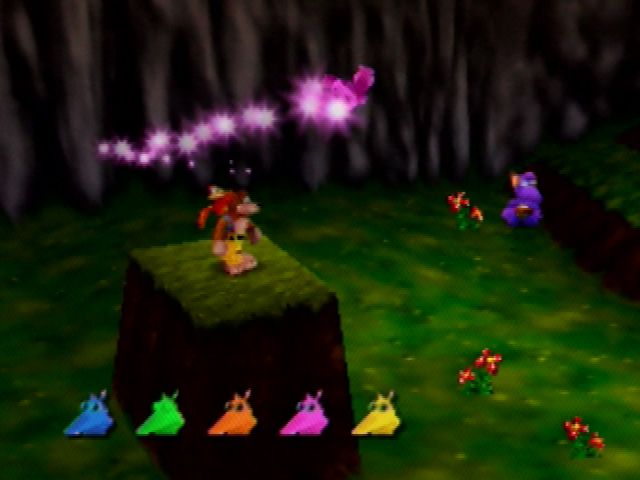
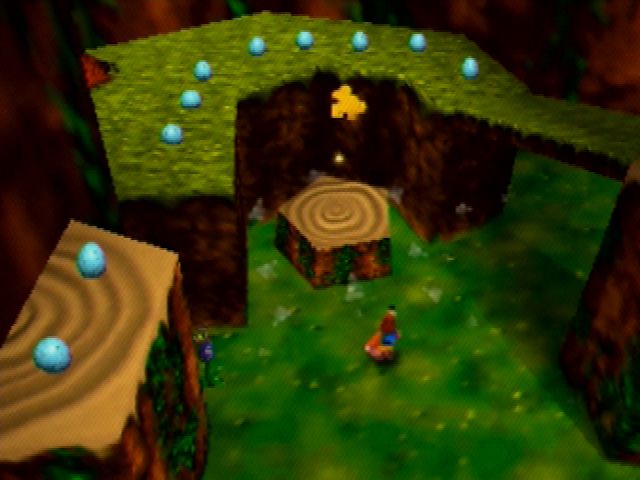
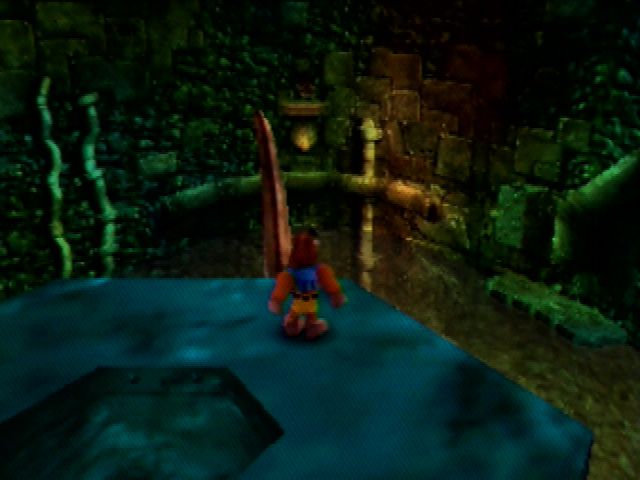
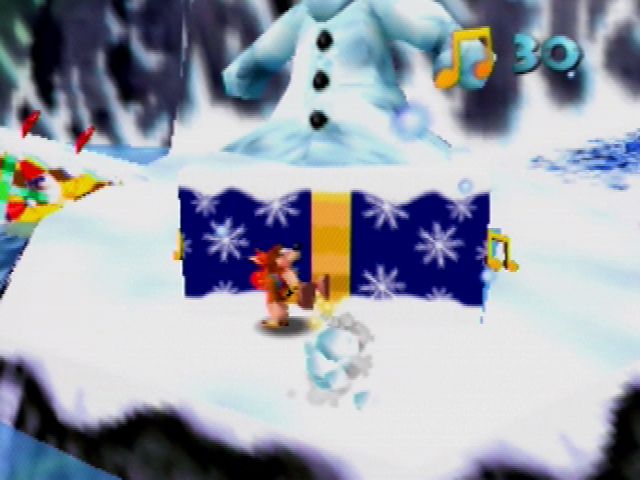
In Banjo-Kazooie, players control the titular bear and bird duo in a 3D platformer developed by Rare for the Nintendo 64. The story follows Banjo, a lazy honey bear, and his wisecracking red bird friend, Kazooie, as they attempt to rescue Banjo’s sister, Tooty, from the evil witch Gruntilda Winkybunion. Gruntilda has kidnapped Tooty to steal her beauty for herself, and the heroes must venture through her labyrinthine lair and the various worlds within it to stop her.
The game’s gameplay is a “collect-a-thon” that was heavily inspired by Super Mario 64, focusing on exploring large, non-linear worlds to find specific collectibles. To progress, players must collect Jiggies (golden jigsaw pieces) to unlock new levels and Musical Notes to open “Note Doors” that lead to new areas within Gruntilda’s Lair. Along the way, the duo learns new abilities from Bottles the mole, such as the Talon Trot for climbing steep hills and the Beak Buster, which is a ground-pound attack. The game is praised for its varied and witty level design, which includes diverse environments like a swamp, a desert, and a winter wonderland.
Upon its release in 1998, the game received critical acclaim for its visuals, soundtrack, and memorable characters. Many critics considered it a worthy successor to Super Mario 64, and some even argued it surpassed Nintendo’s landmark title in terms of gameplay and level design. The game’s distinct humor and charming aesthetic were frequently highlighted as some of its greatest strengths.