
Castlevania: Portrait Of Ruin – Nintendo DS (2006)
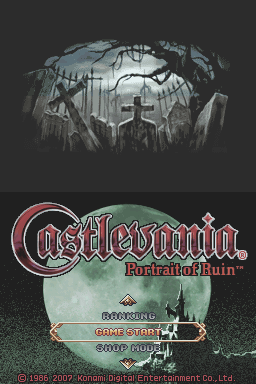
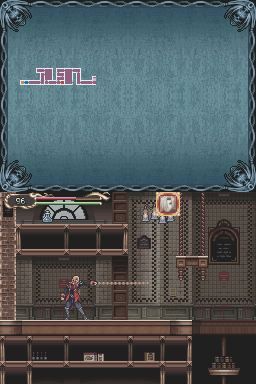
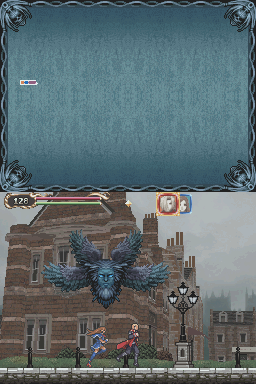
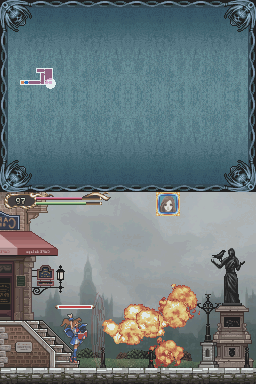
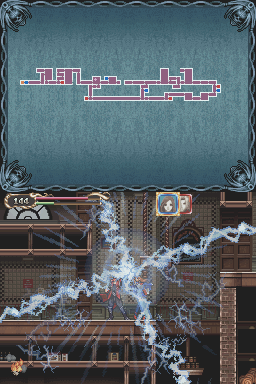
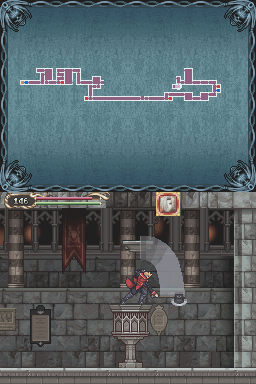
Castlevania: Portrait of Ruin is a standout “Metroidvania” entry set in 1944 during the height of World War II. The story follows Jonathan Morris—son of Bloodlines protagonist John Morris—and his childhood friend, the sorceress Charlotte Aulin, as they investigate the sudden reappearance of Dracula’s Castle. They discover the castle is currently controlled not by Dracula, but by a vampire artist named Brauner, who uses magical paintings as portals to diverse locales like Egyptian pyramids and Victorian London to fuel his power. Gameplay is defined by the “Partner System,” allowing players to swap between Jonathan’s physical prowess and Charlotte’s magical spells instantly, or summon both simultaneously to perform powerful “Dual Crush” attacks. The game was met with critical acclaim for its impressive soundtrack, creative level variety, and the removal of the previous entry’s divisive touch-screen “seals,” though some critics noted that certain painting levels felt more linear than the traditional sprawling castle corridors.
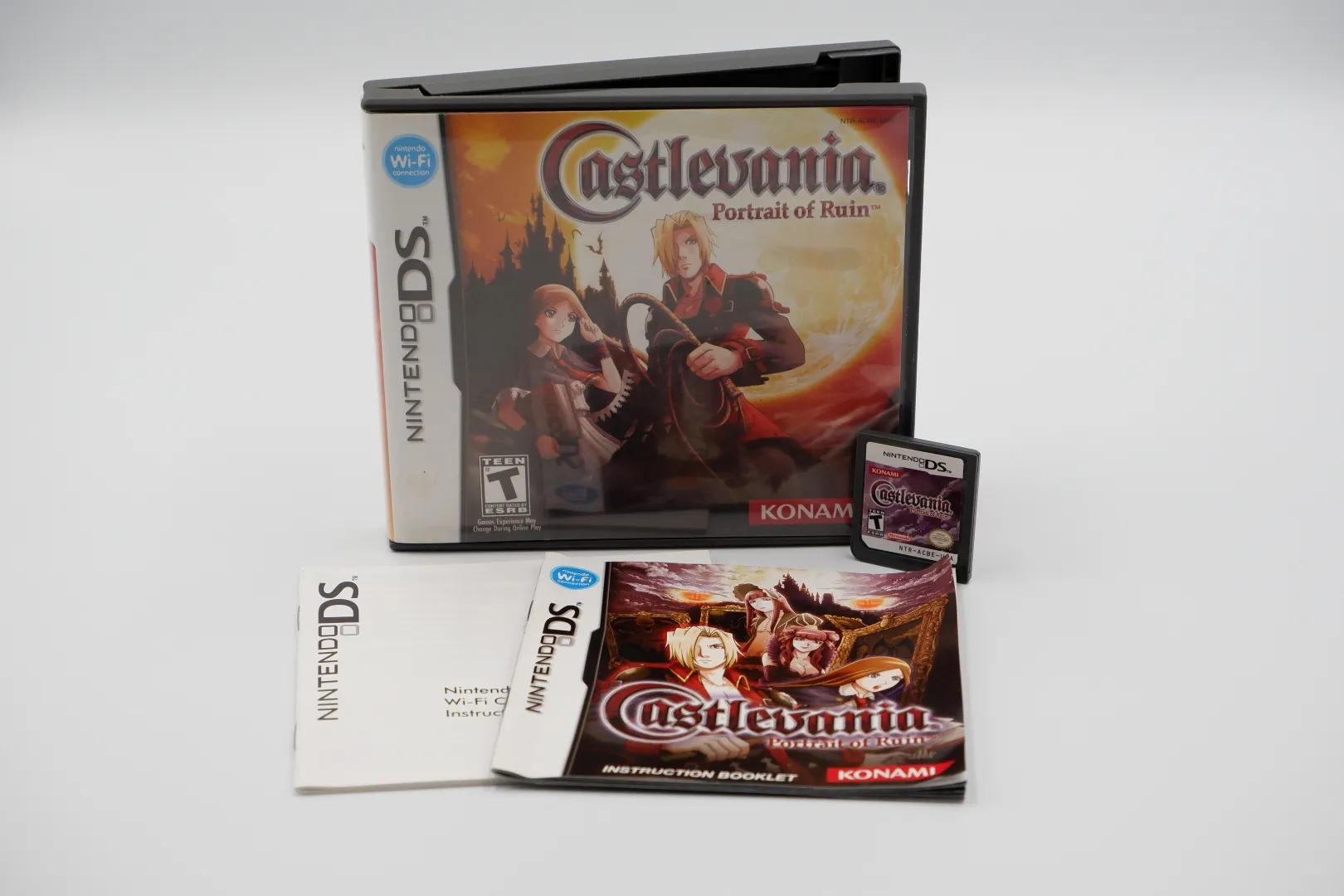
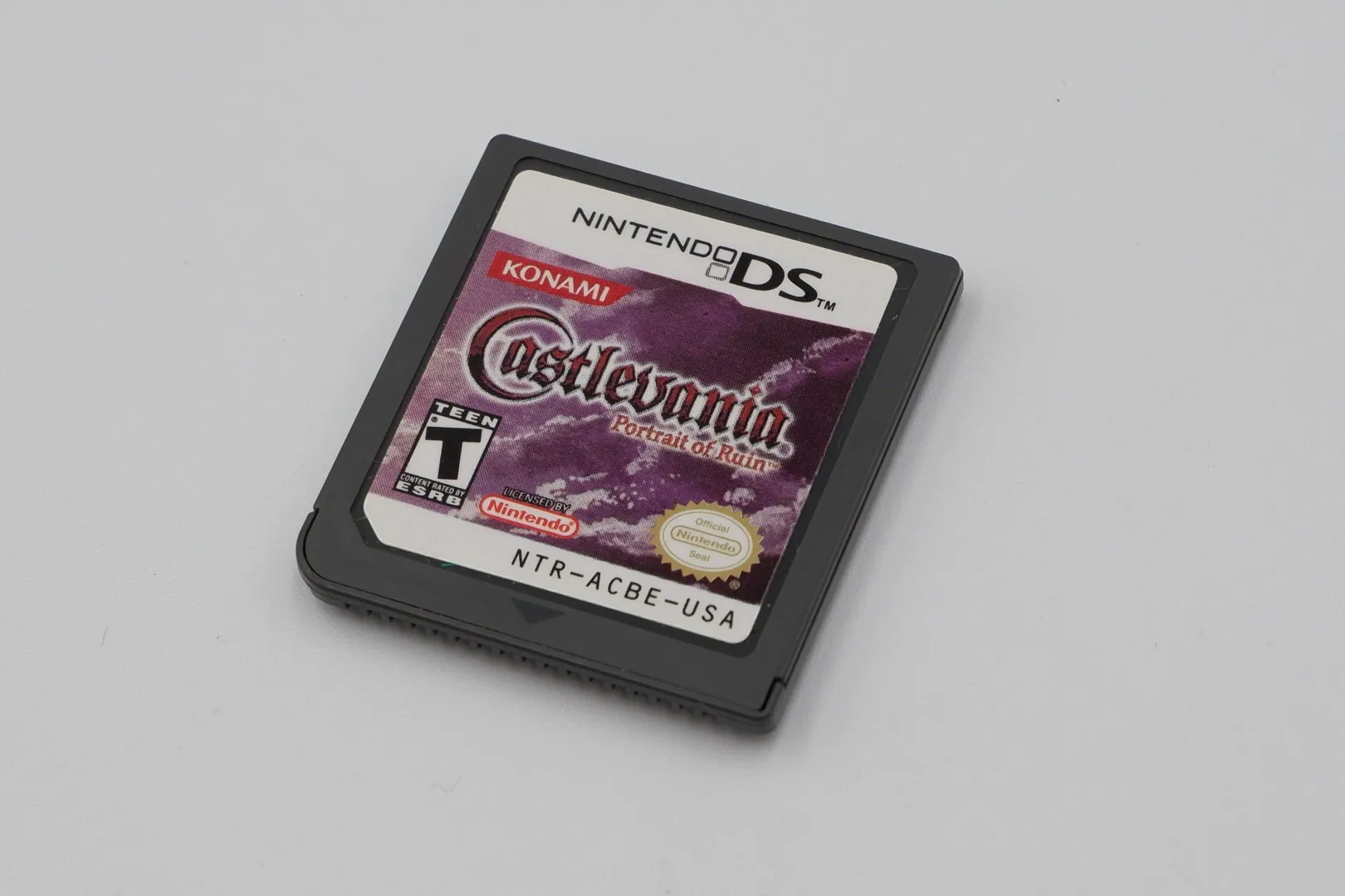
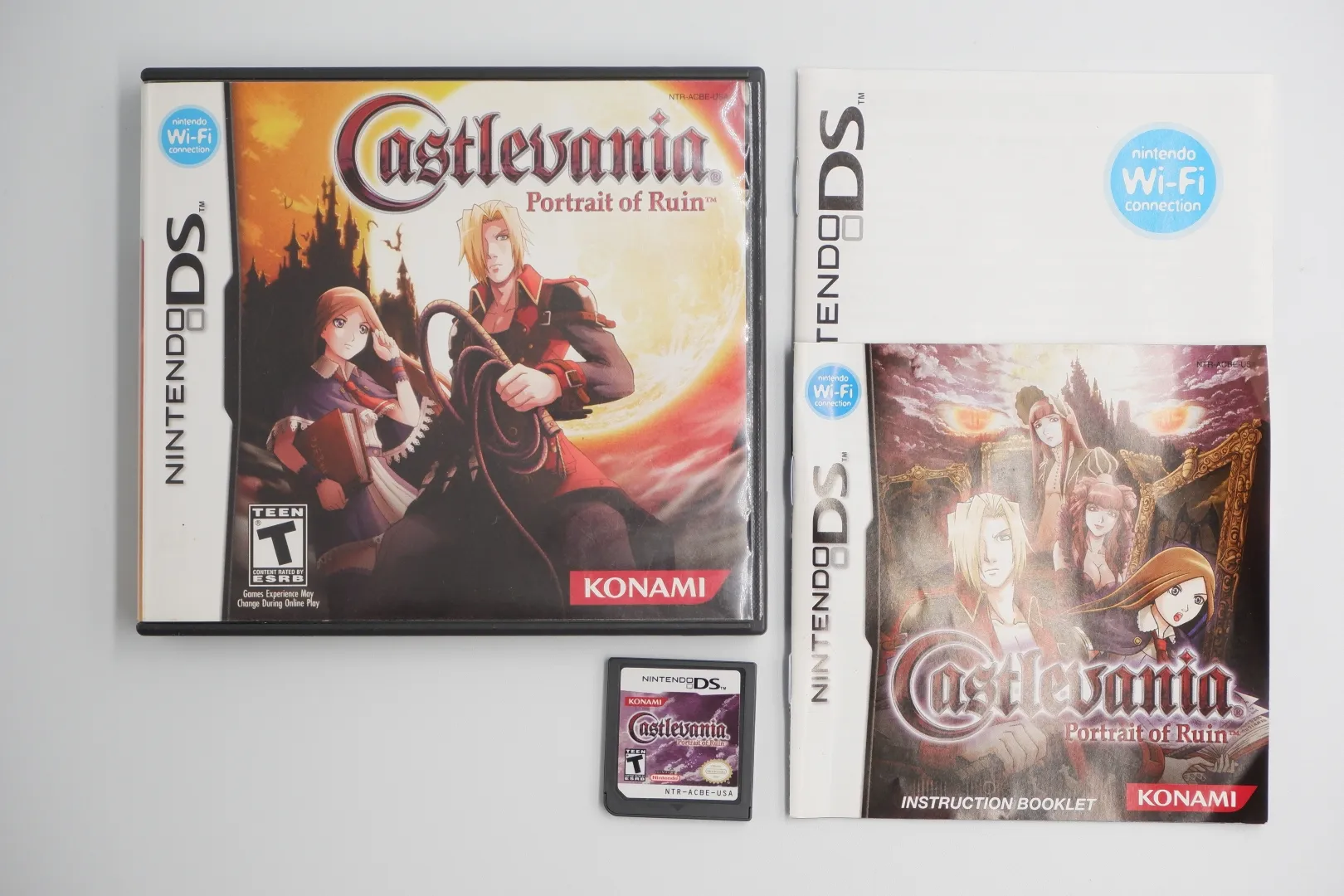
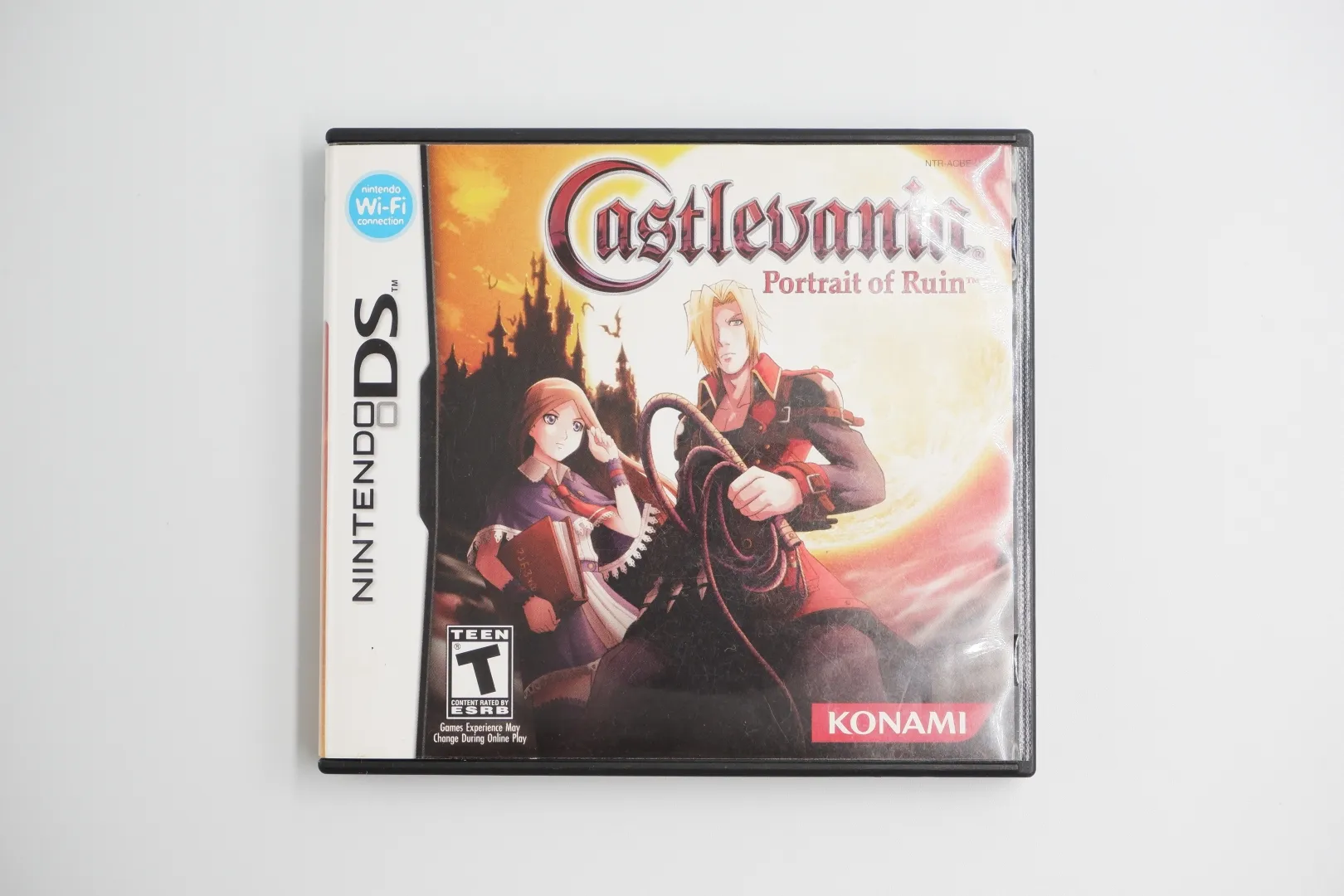
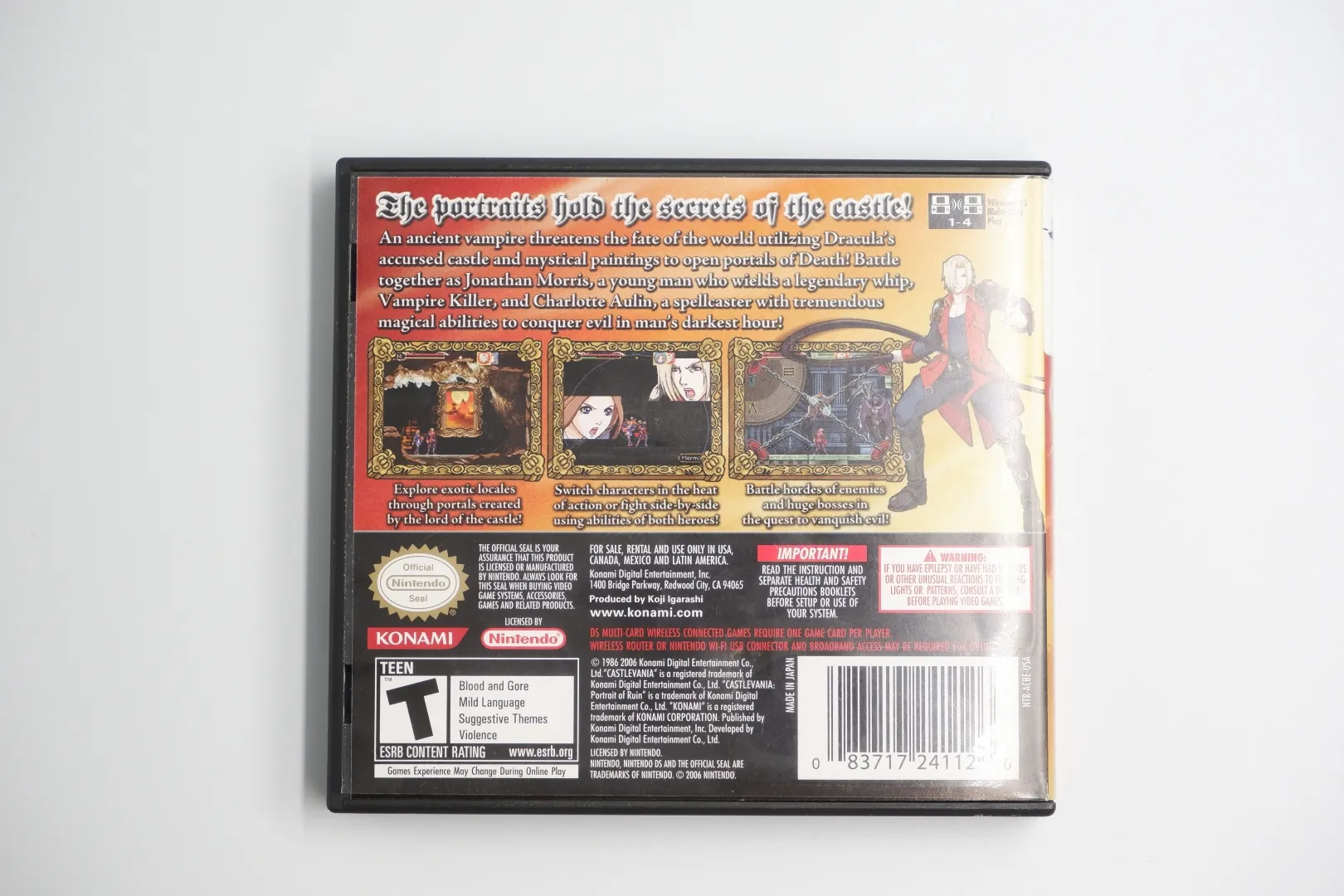
| Game | Box | Manual | Number | Price |
 | | | #2304 | £16.00 |
| COMPLETE – American Version | ||||
Lostmagic – Nintendo DS (2006)
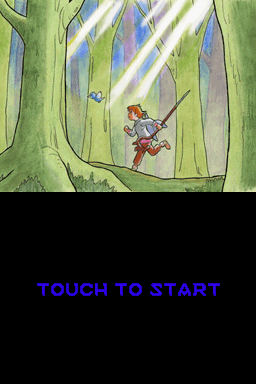
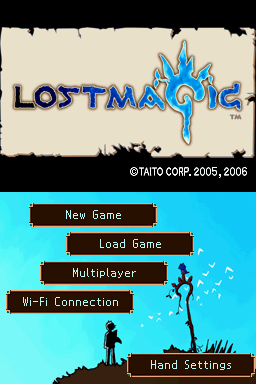
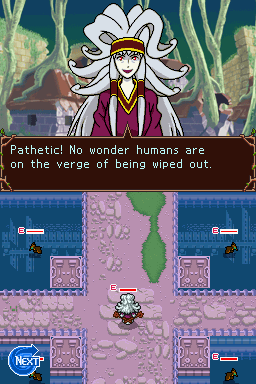
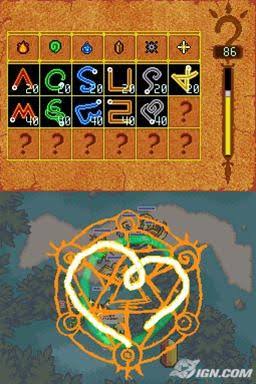
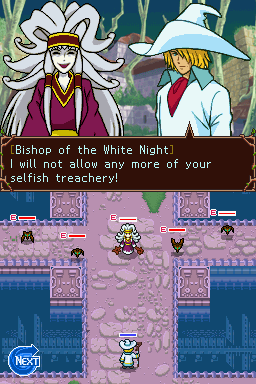
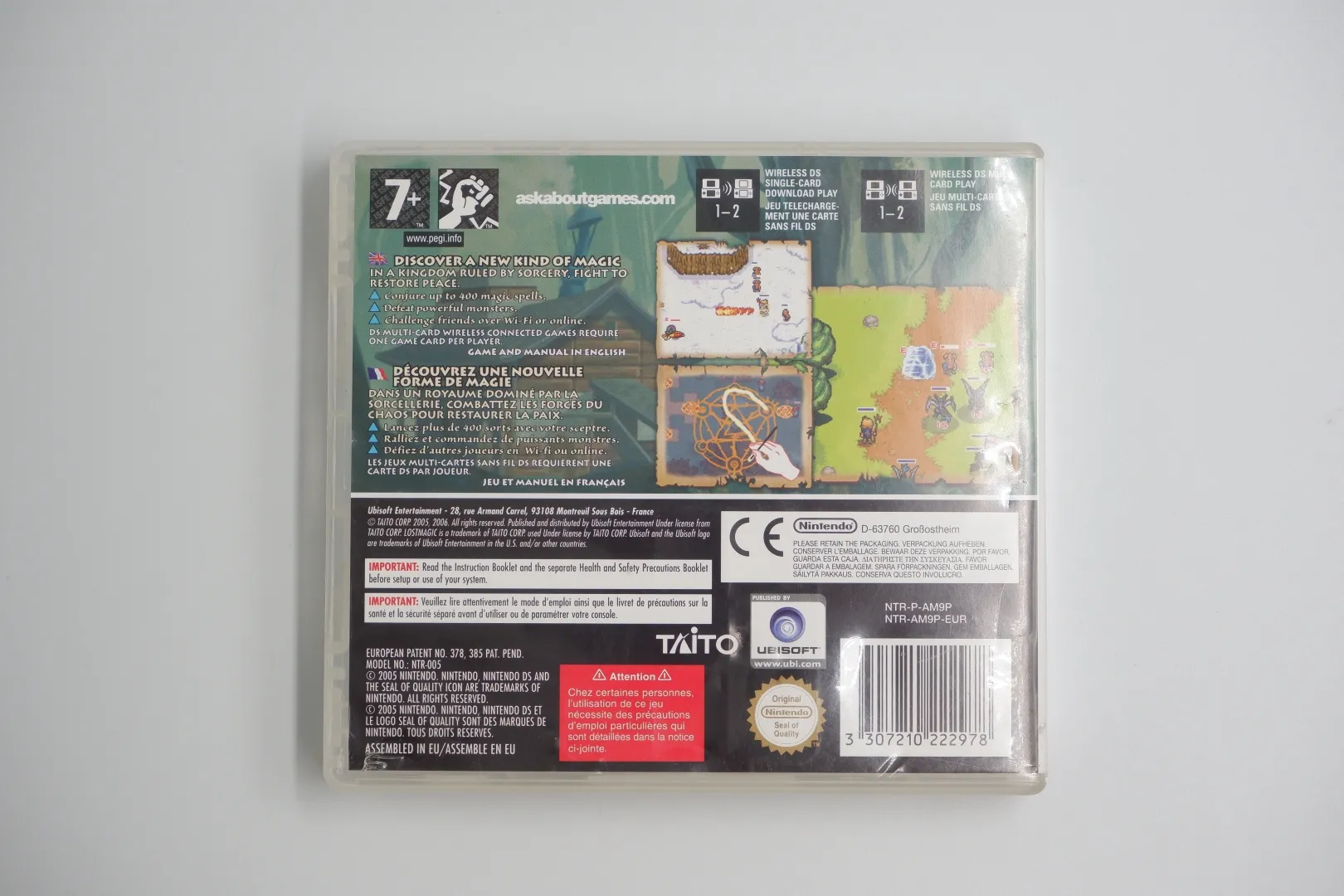
LostMagic is a unique real-time strategy RPG for the Nintendo DS that follows Isaac, a young mage on a quest to find his father and protect the seven powerful wands that maintain the world’s balance. The gameplay is defined by its innovative use of the DS stylus; players cast spells by drawing specific runes directly on the touch screen, with the ability to combine up to three runes to create nearly 400 different magical effects. Alongside spellcasting, Isaac can capture and command various monsters to fight as a unit-based army in real-time battles. Upon release, the game received a generally positive but mixed reception; critics praised its deep, creative magic system and beautiful art style (designed by Studio Ghibli alumnus Yoshiharu Sato), but often cited a steep difficulty curve and occasional frustrations with the touch screen’s recognition of complex runes as notable drawbacks.
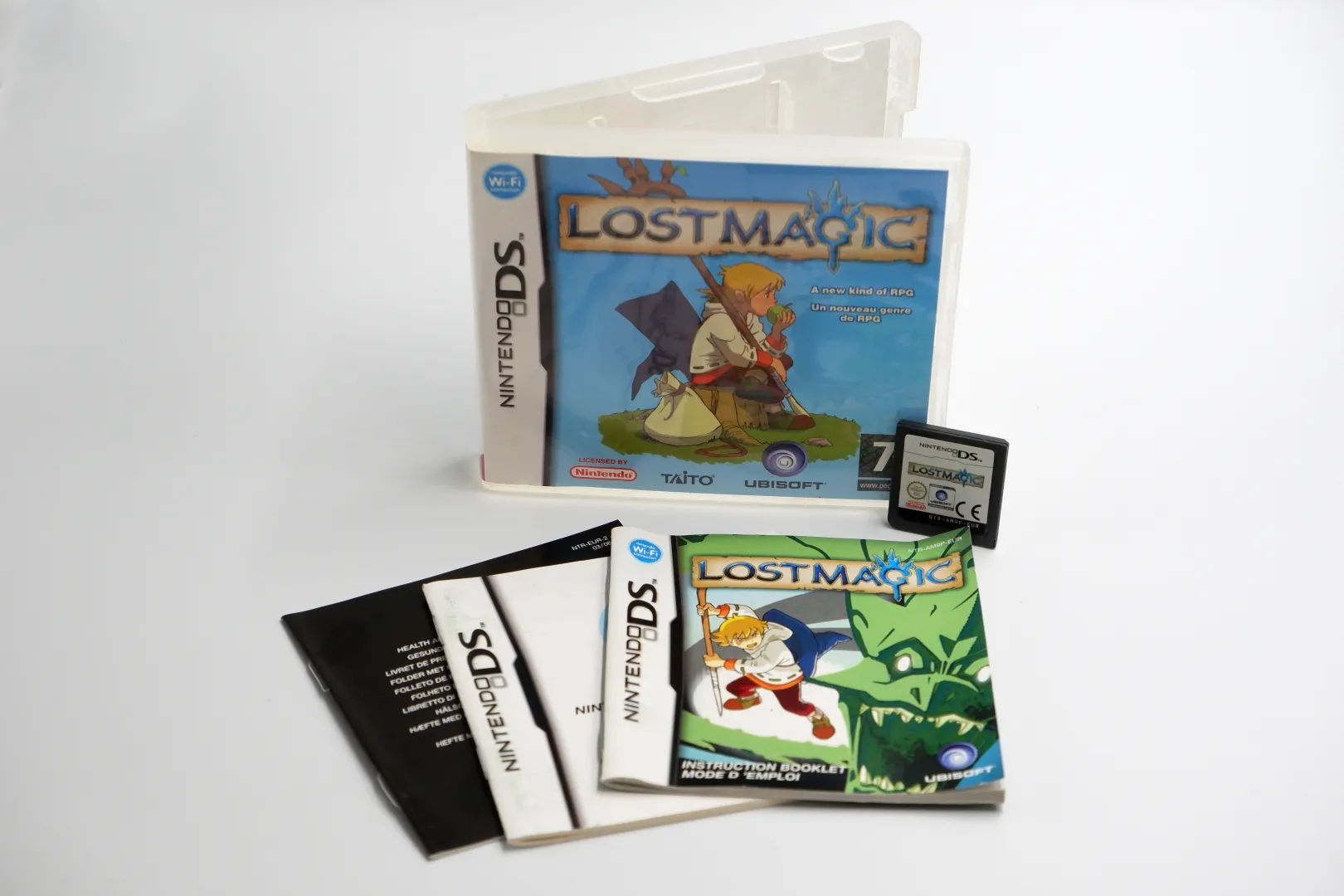
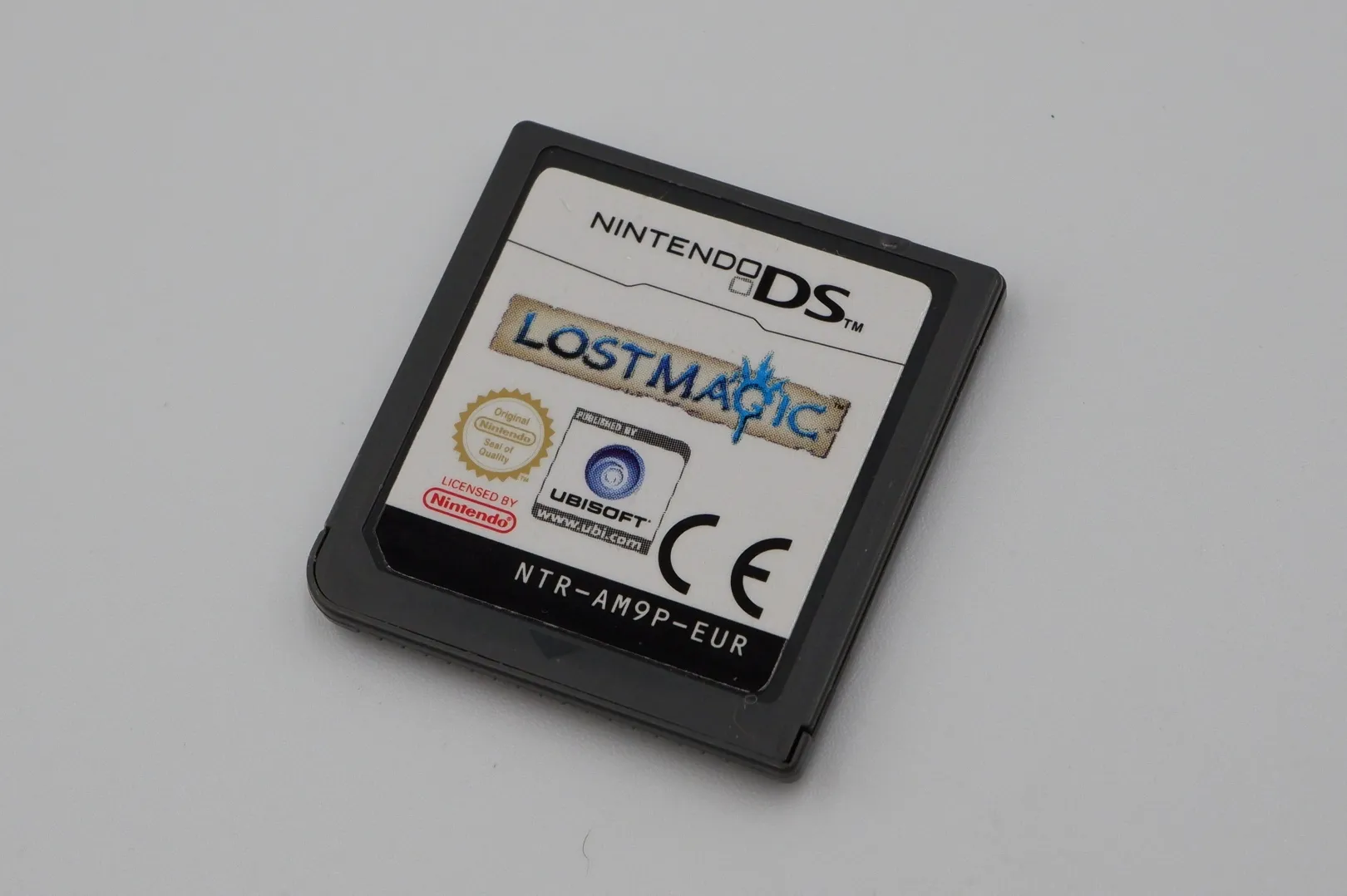
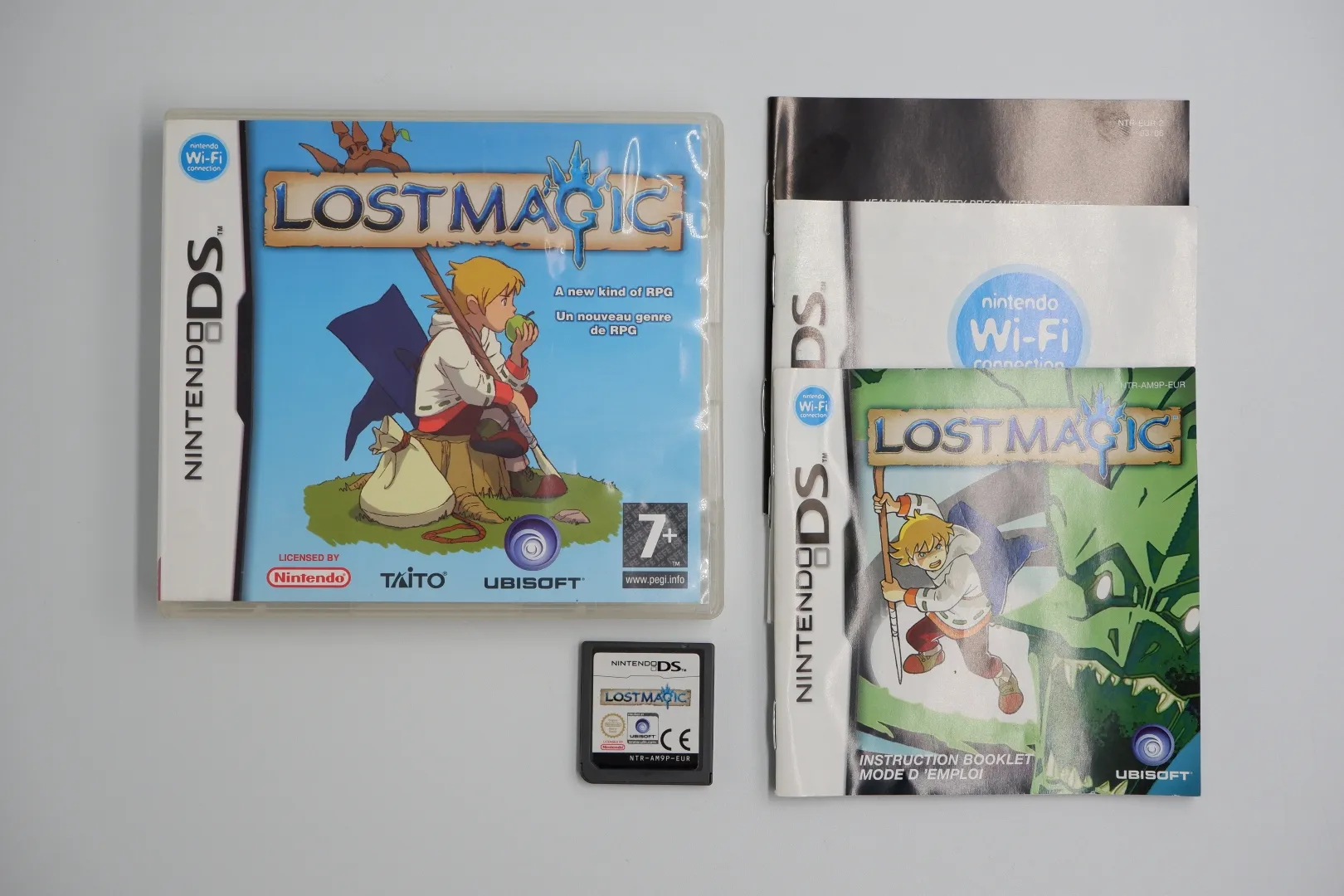
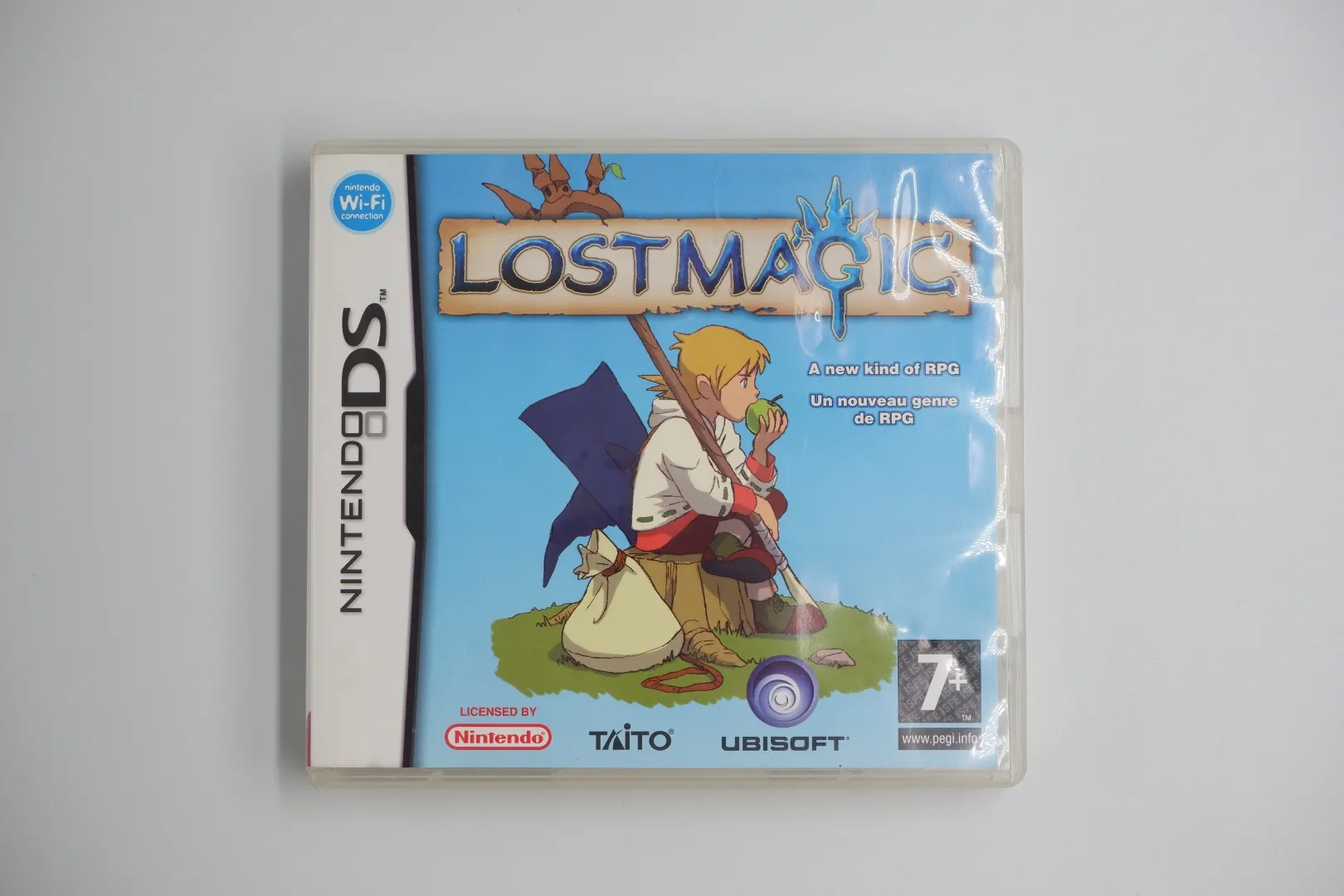
| Game | Box | Manual | Number | Price |
| | | #2305 | £6.40 |
| COMPLETE | ||||
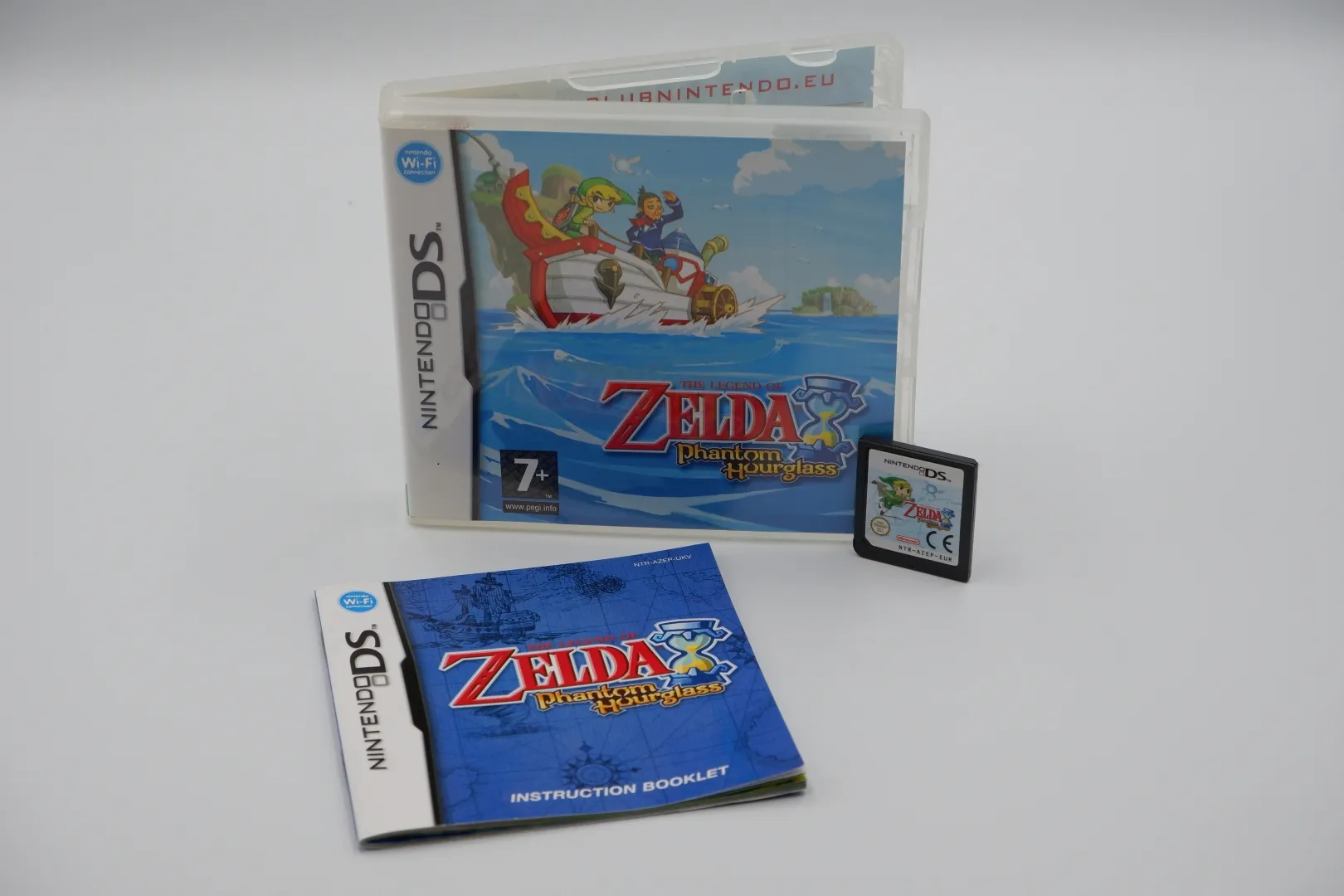
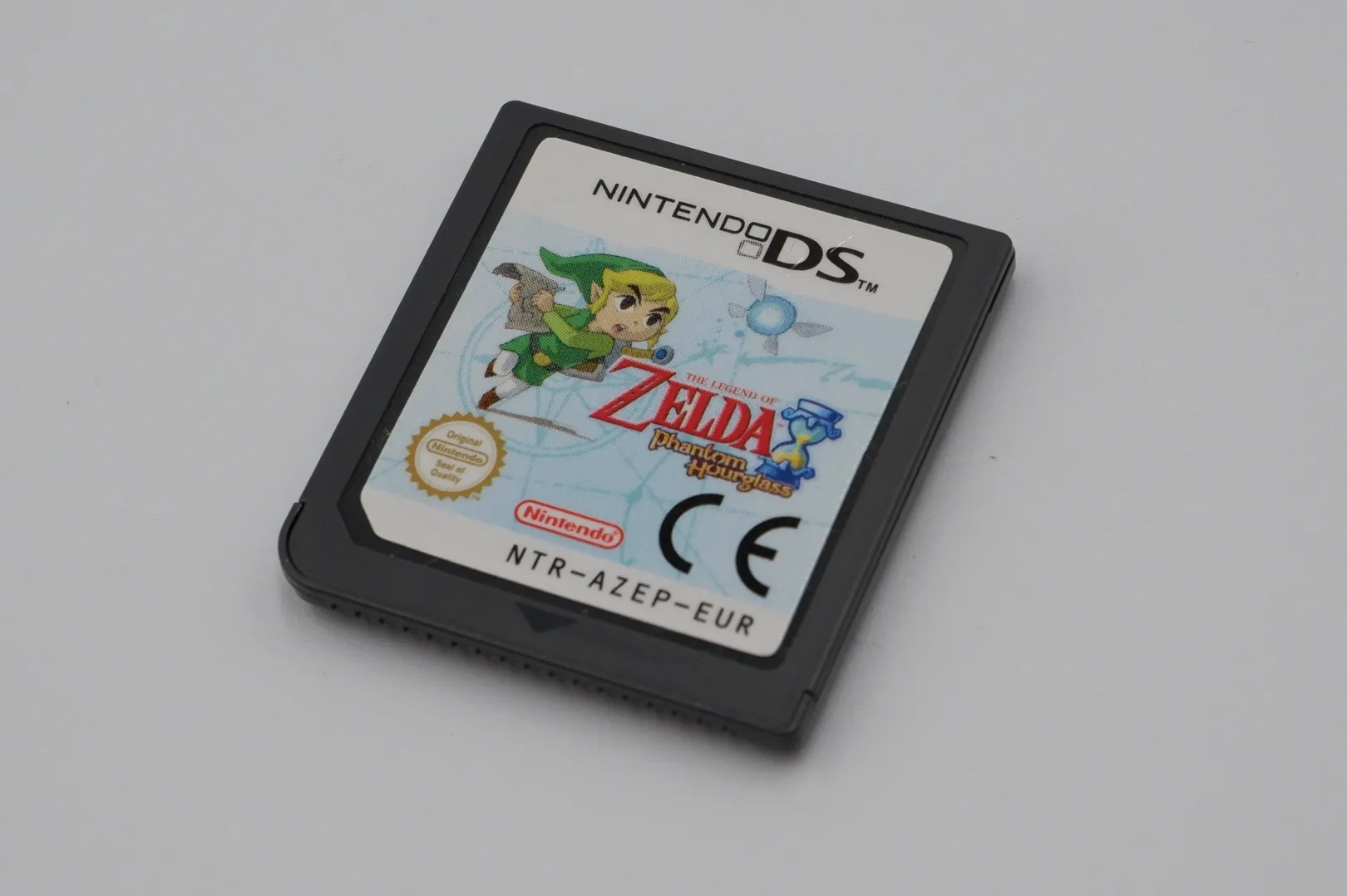
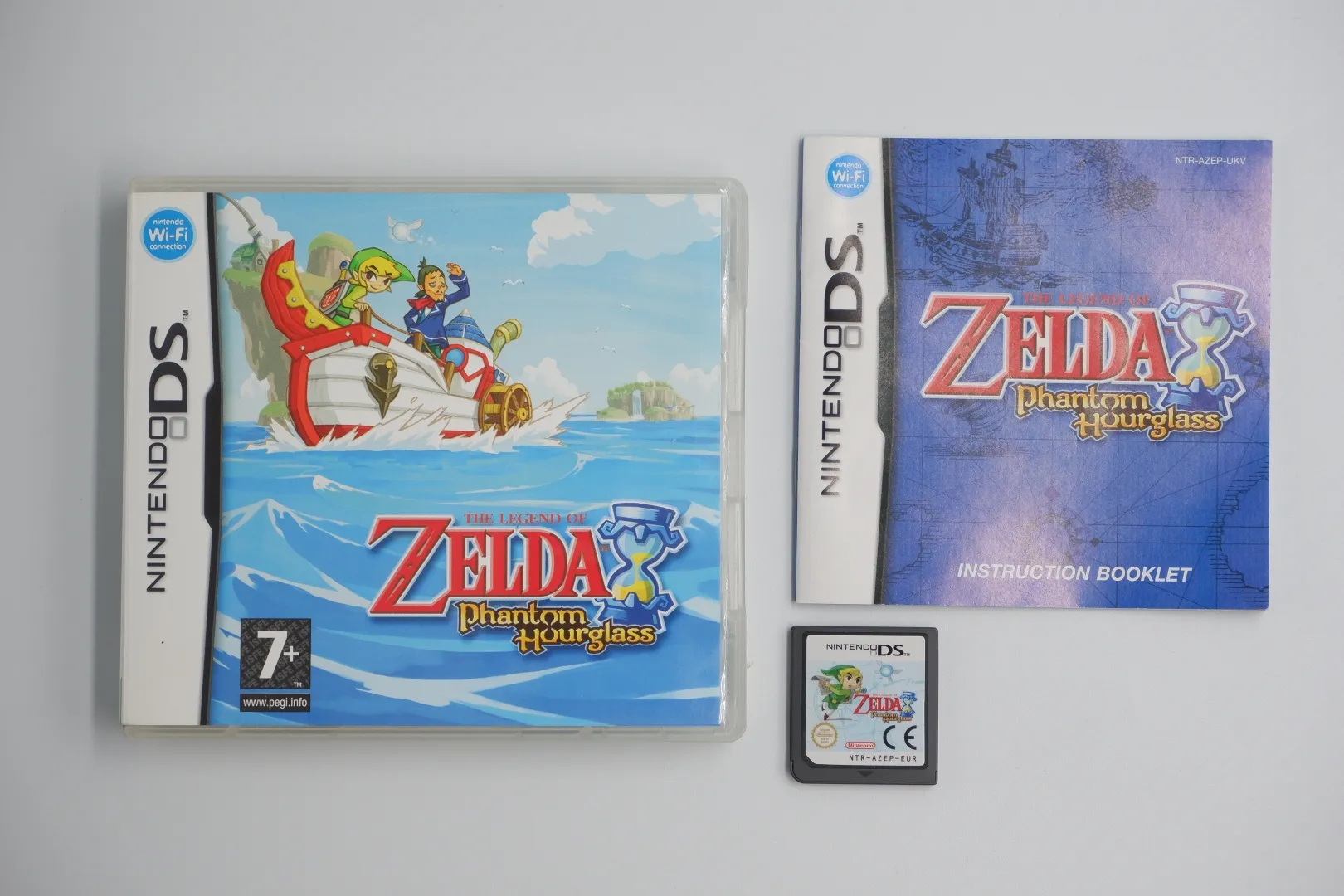
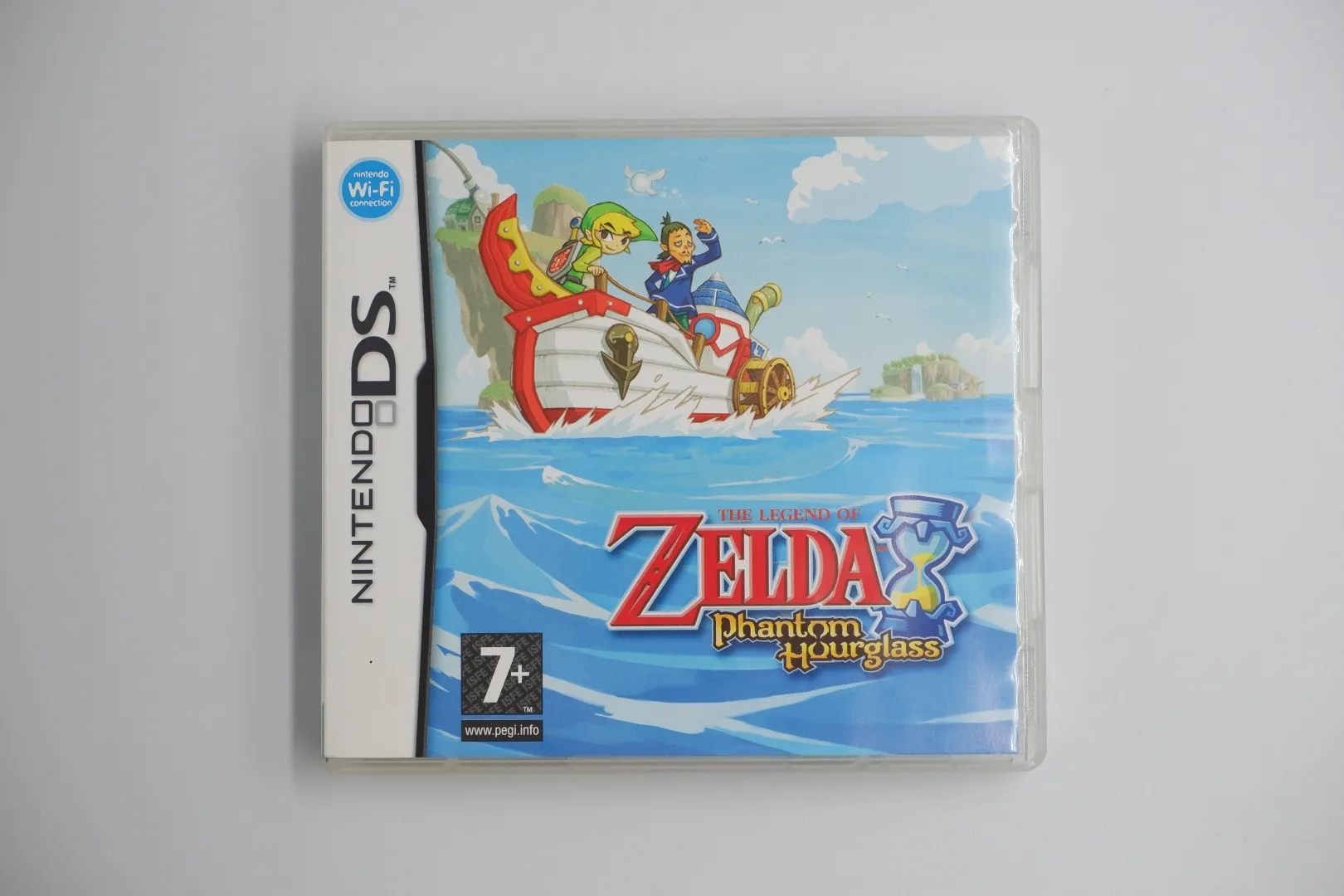
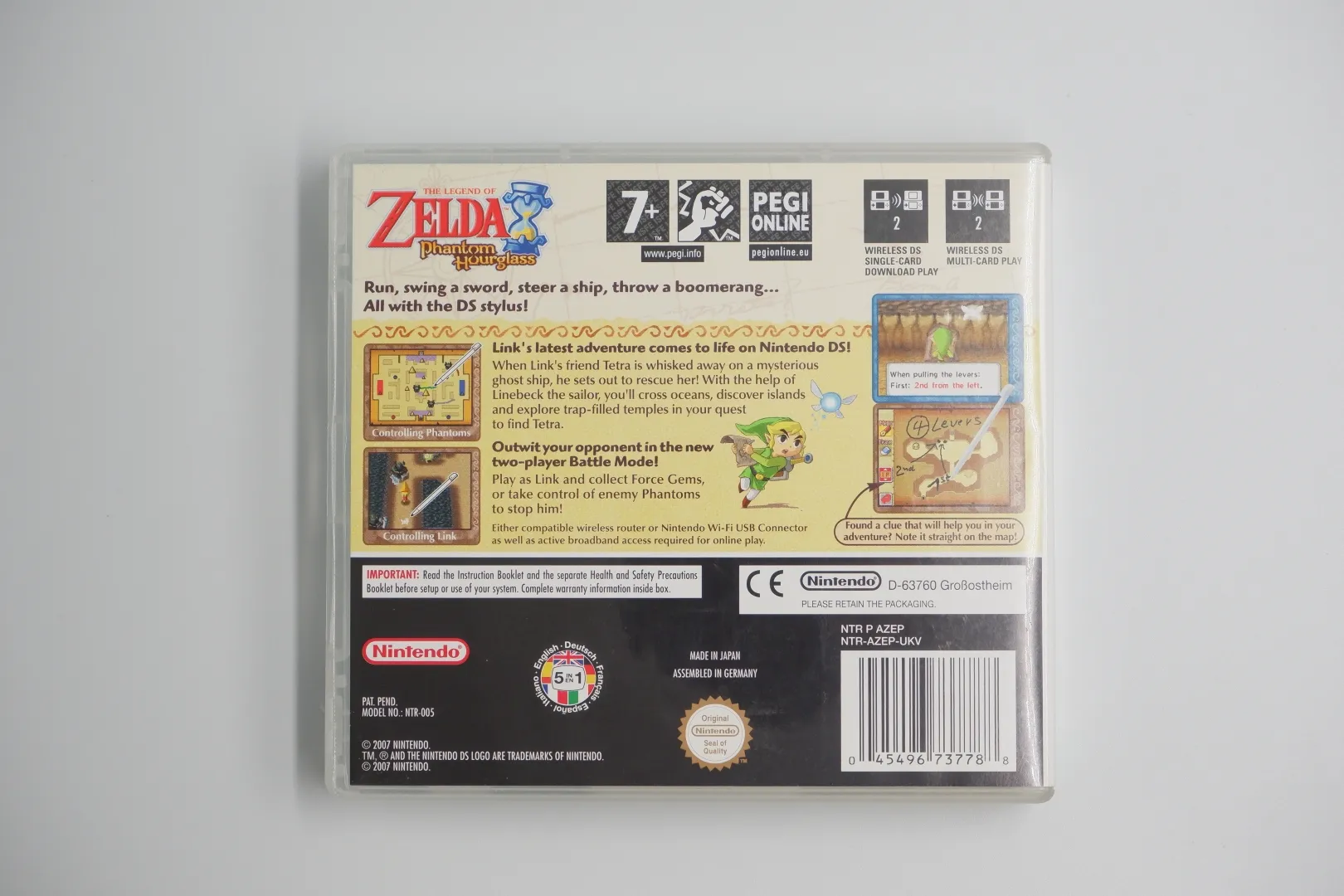
The Legend Of Zelda: Phantom Hourglass – Nintendo DS (2007)
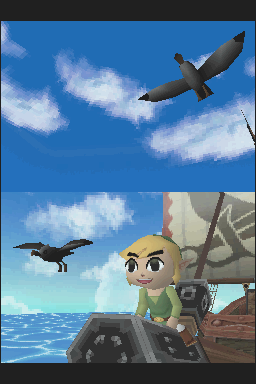
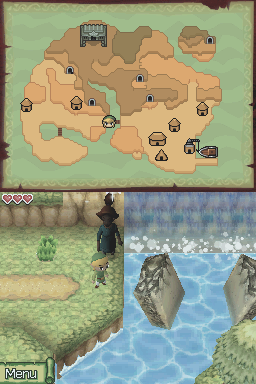
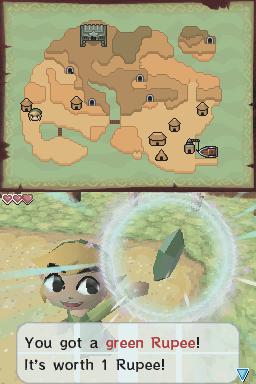
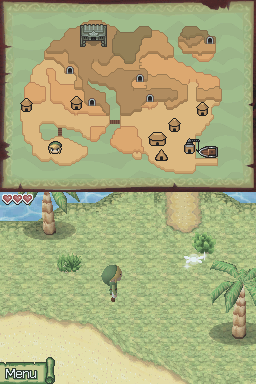
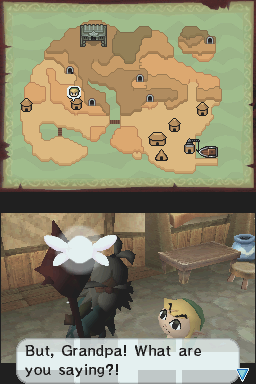
The Legend of Zelda: Phantom Hourglass serves as a direct sequel to The Wind Waker, following Link as he explores the Great Sea to rescue Tetra from a mysterious Ghost Ship with the help of the reluctant Captain Linebeck. The game was a technical showcase for the Nintendo DS, utilizing a unique control scheme where Link is moved and combat is handled entirely via the stylus and touchscreen. This extended to clever puzzle mechanics, such as drawing paths for boomerangs or scribbling notes directly onto the in-game map. While the game received high critical acclaim for its innovation and charming cel-shaded visuals, some players found the “Temple of the Ocean King”—a central dungeon that required multiple timed return visits—to be repetitive. Despite this, it remains a standout handheld title, praised for how deeply it integrated the DS hardware into the core Zelda formula.
| Game | Box | Manual | Number | Price |
| | | #2306 | £16.00 |
| COMPLETE | ||||