Bionic Commando – Nintendo Entertainment System (1988)
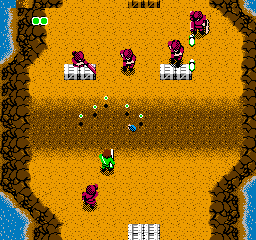
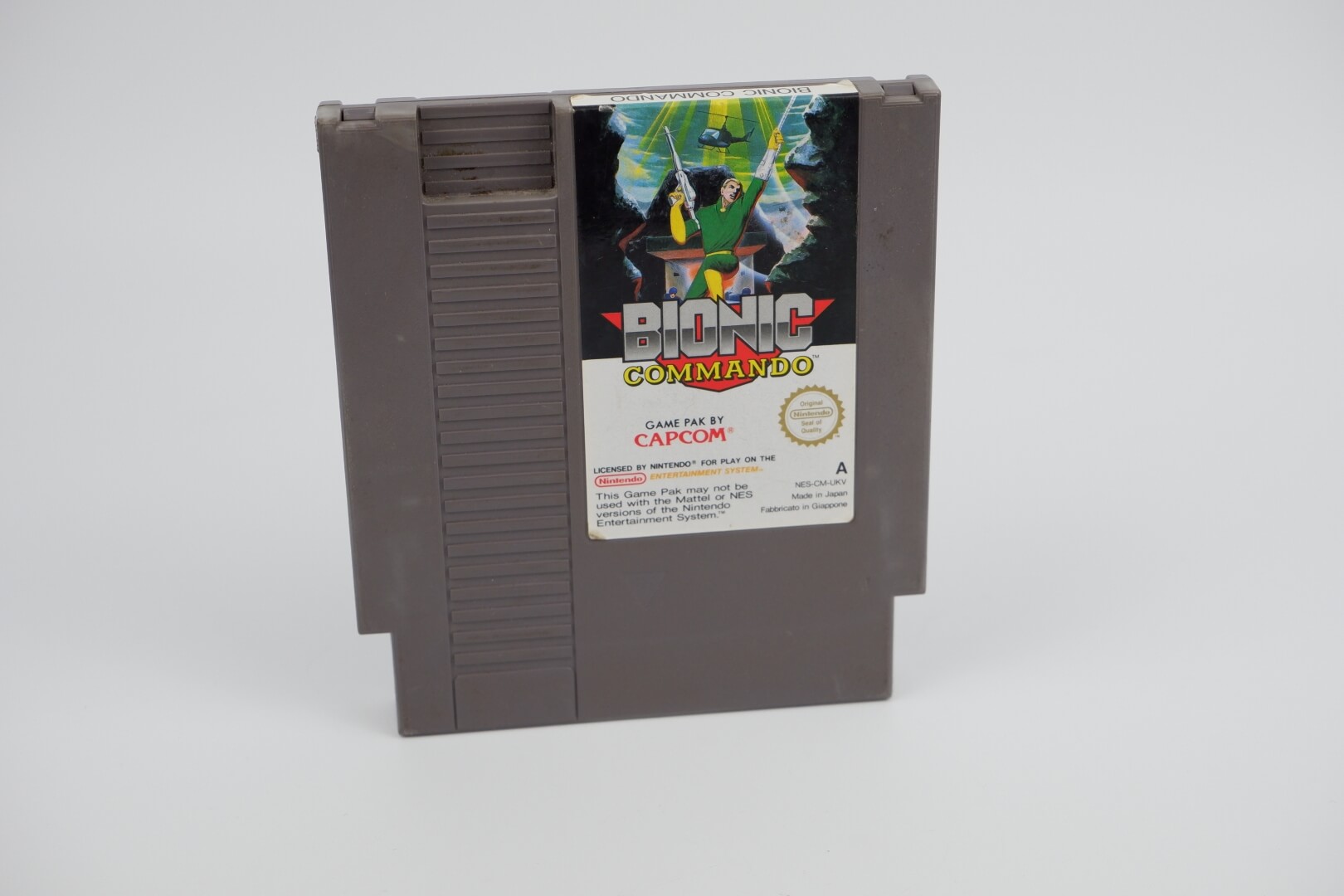
Bionic Commando for the Nintendo Entertainment System (NES) is a unique 2D platforming shooter starring a soldier named Ladd Spencer, whose main method of traversal is his versatile bionic arm—a grappling hook that allows him to swing, climb, and pull himself across gaps, since the game famously prohibits jumping. The non-linear story has Ladd sent by the Federation to rescue the captured national hero Super Joe and stop the Imperial Forces’ terrifying “Albatros” project, which involves resurrecting their leader, Master-D (Adolf Hitler in the original Japanese version), and utilizing a powerful weapon. Gameplay alternates between side-scrolling action stages that demand precise use of the bionic arm, exploration via an overworld map, and top-down combat sequences when engaging enemy convoys. Released in 1988, Bionic Commando was highly regarded for its innovative grappling mechanic that redefined the platformer genre, its memorable soundtrack, and a surprising, gory final scene that featured Master-D’s exploding head, all contributing to its standing as an NES classic.
Loose
2236
£8.00
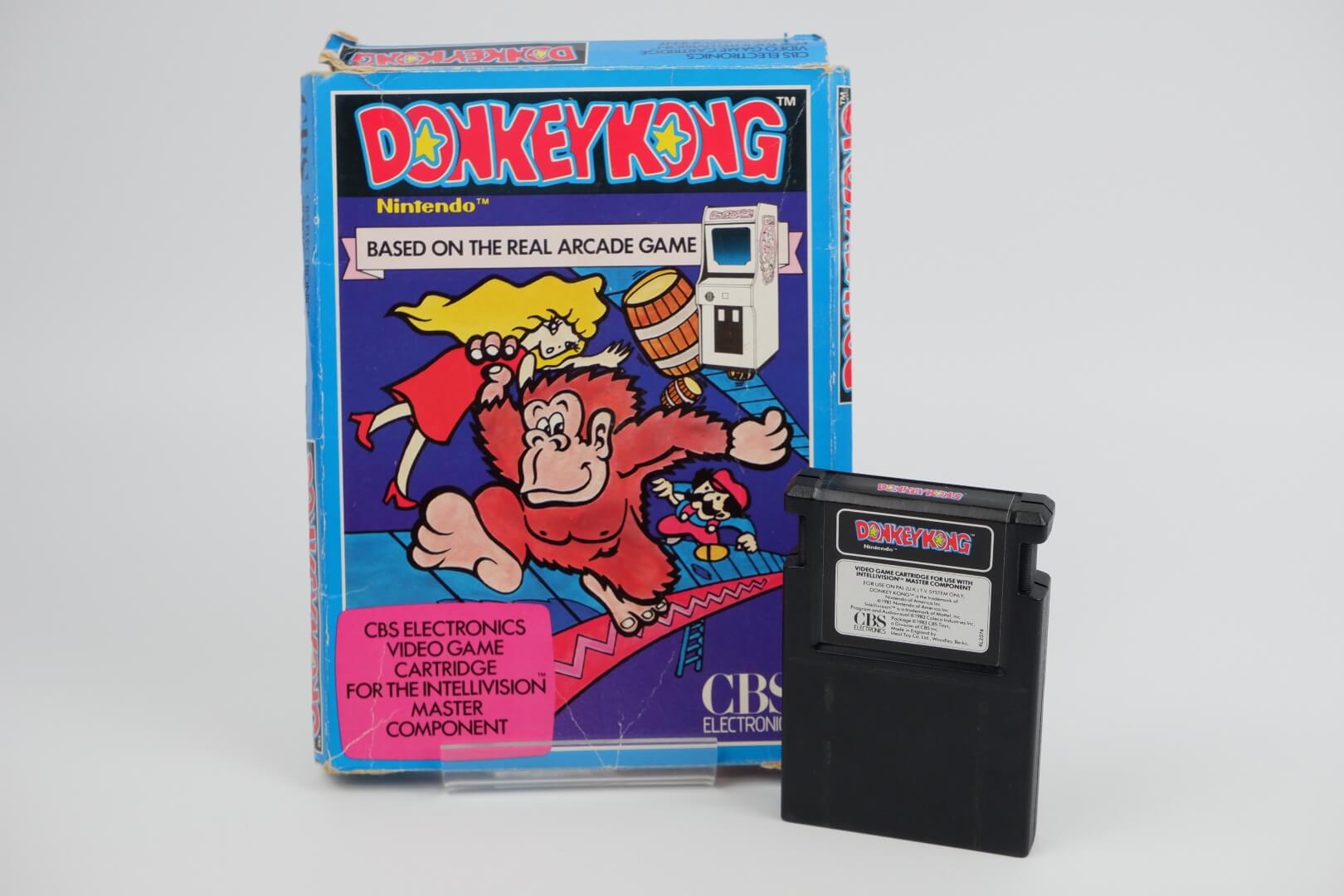
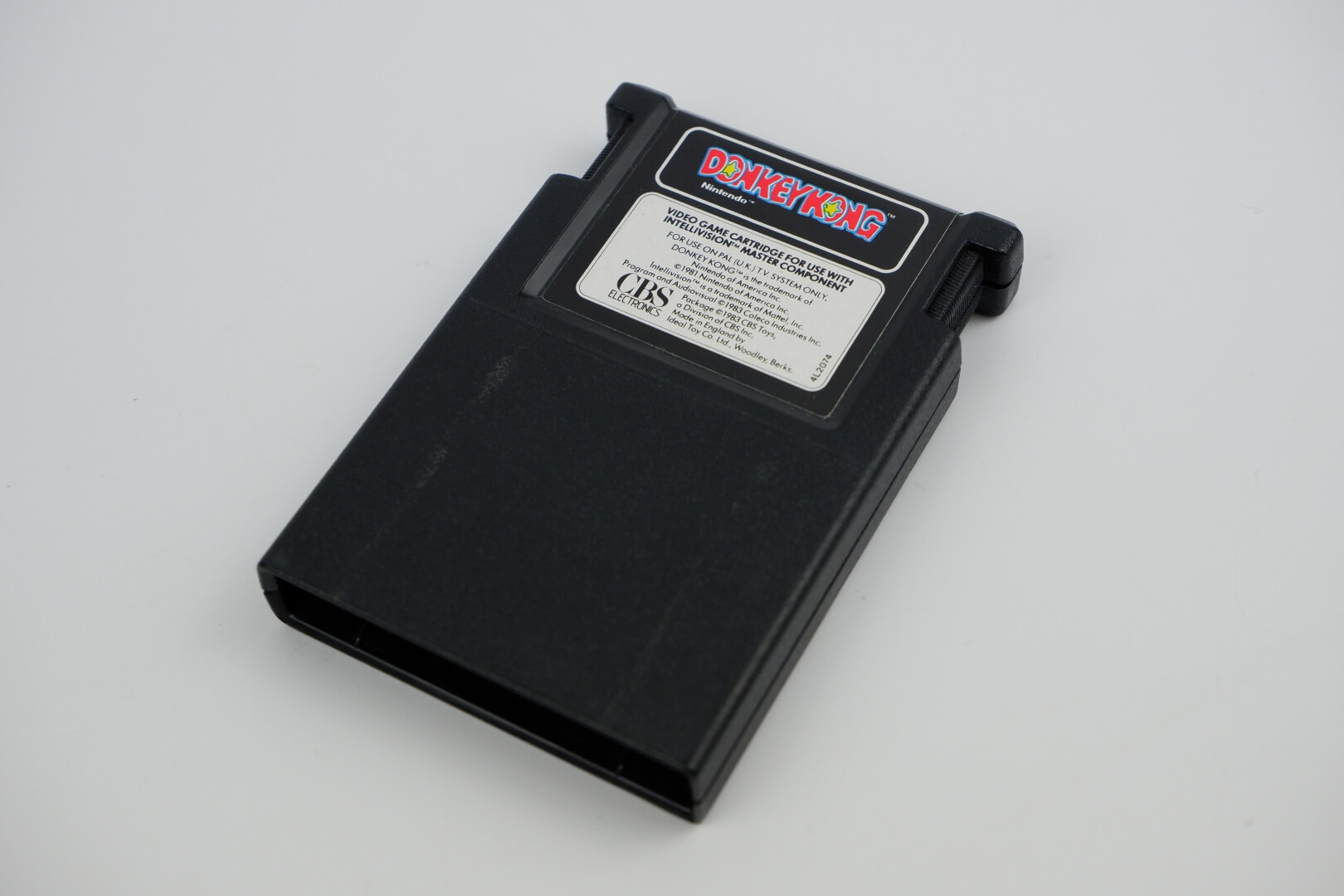
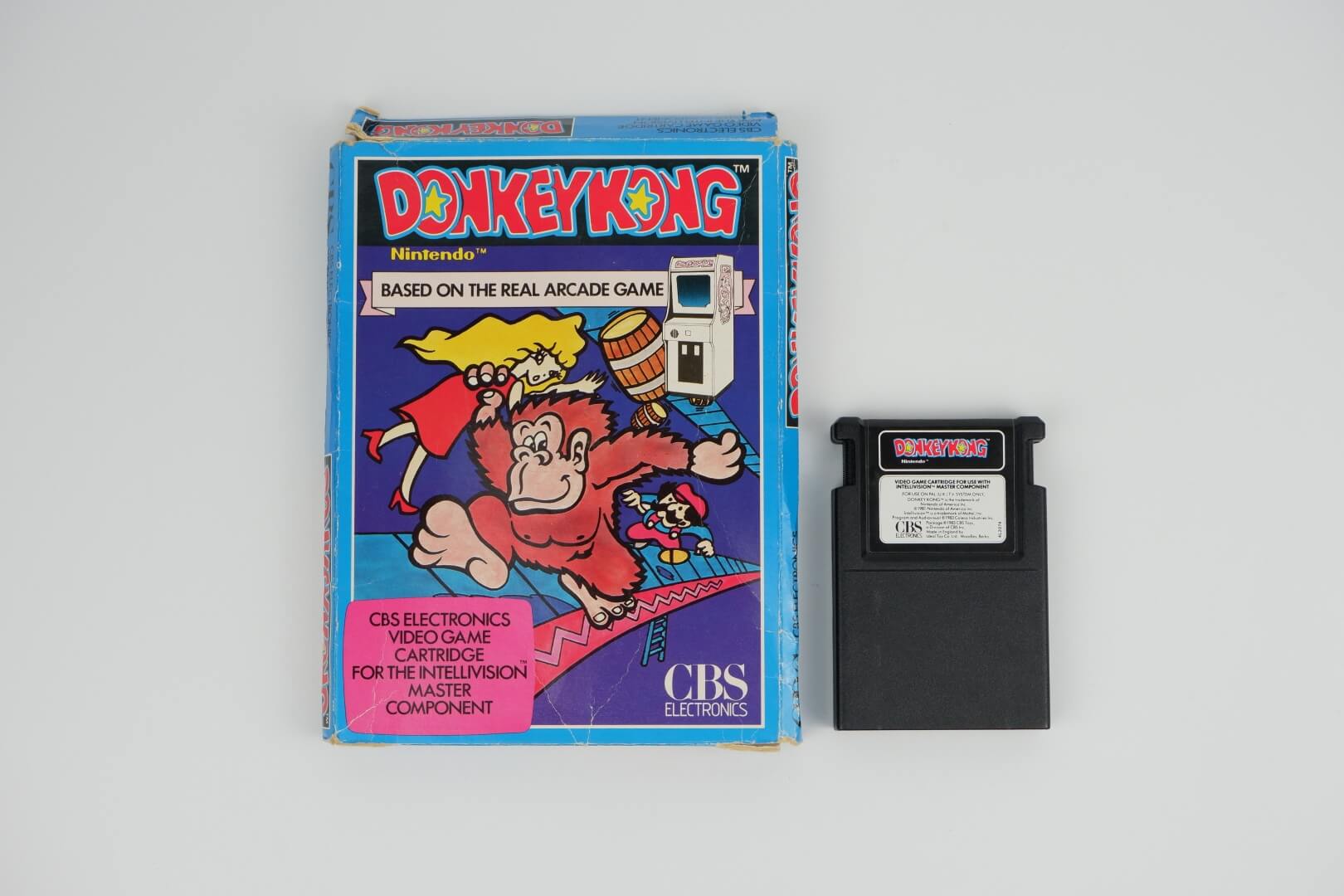
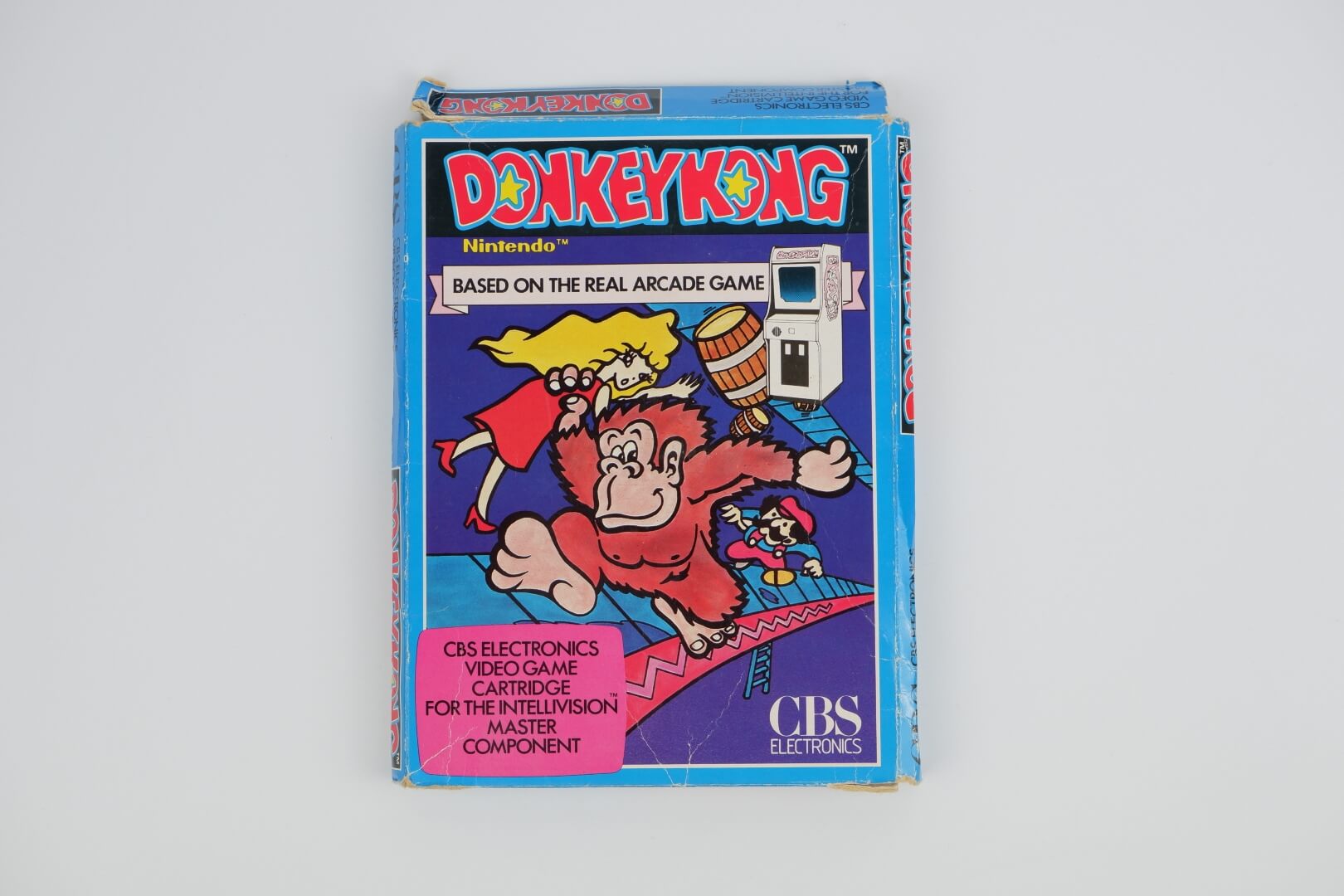
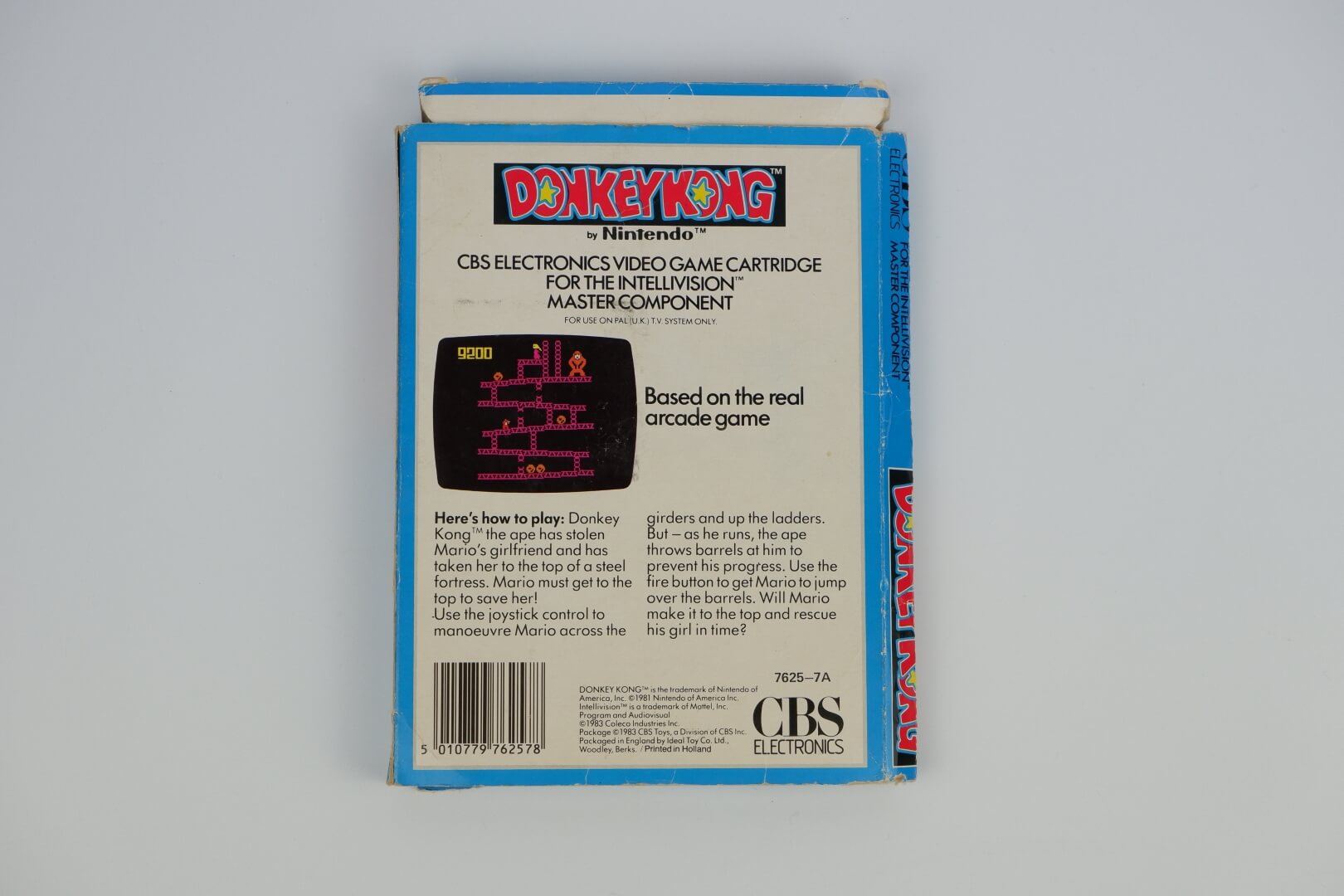
Donkey Kong – Intellivision (1982)
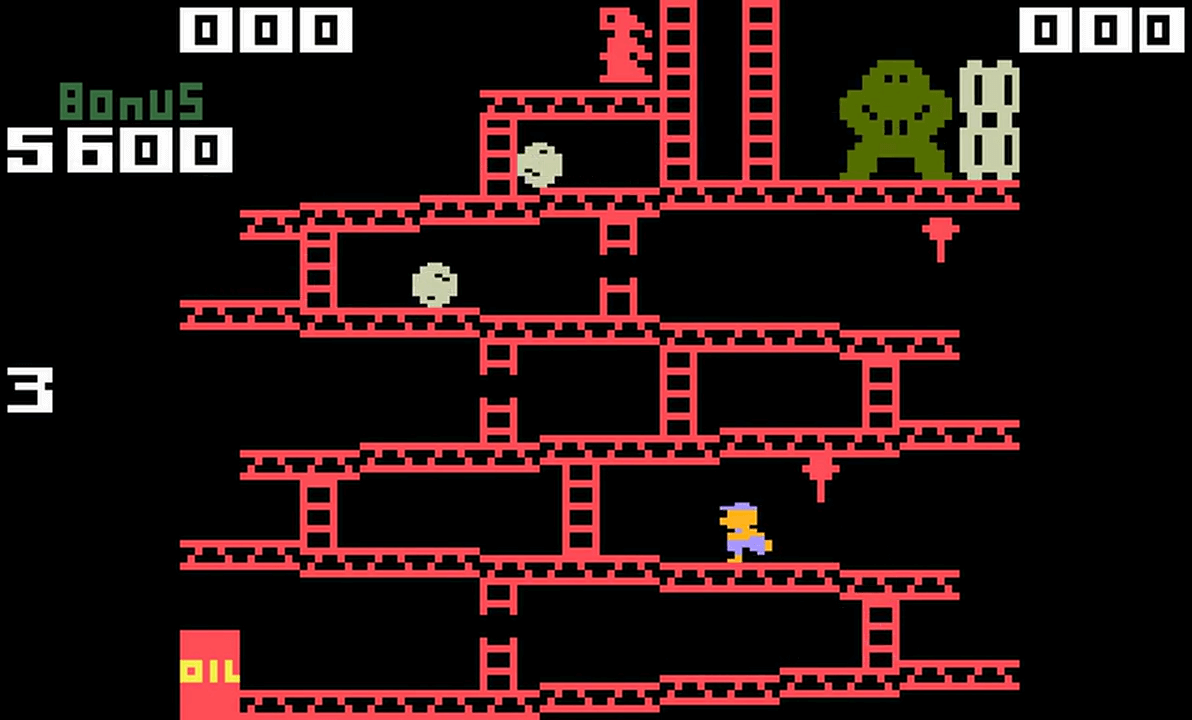
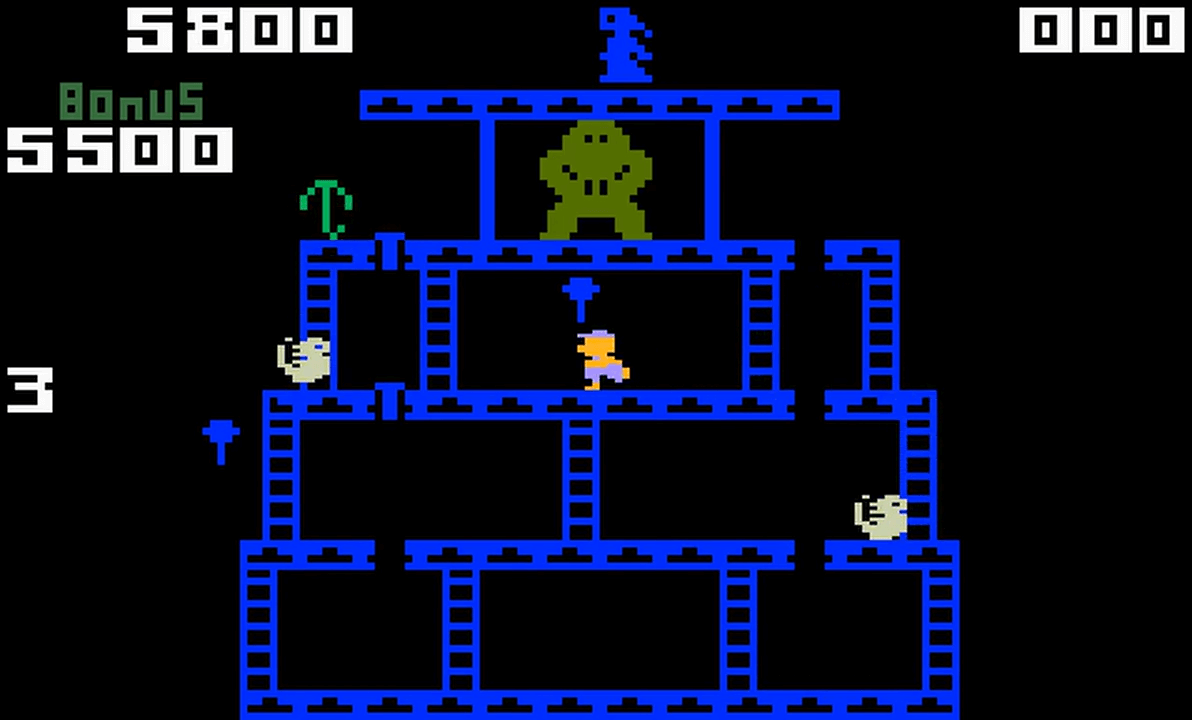
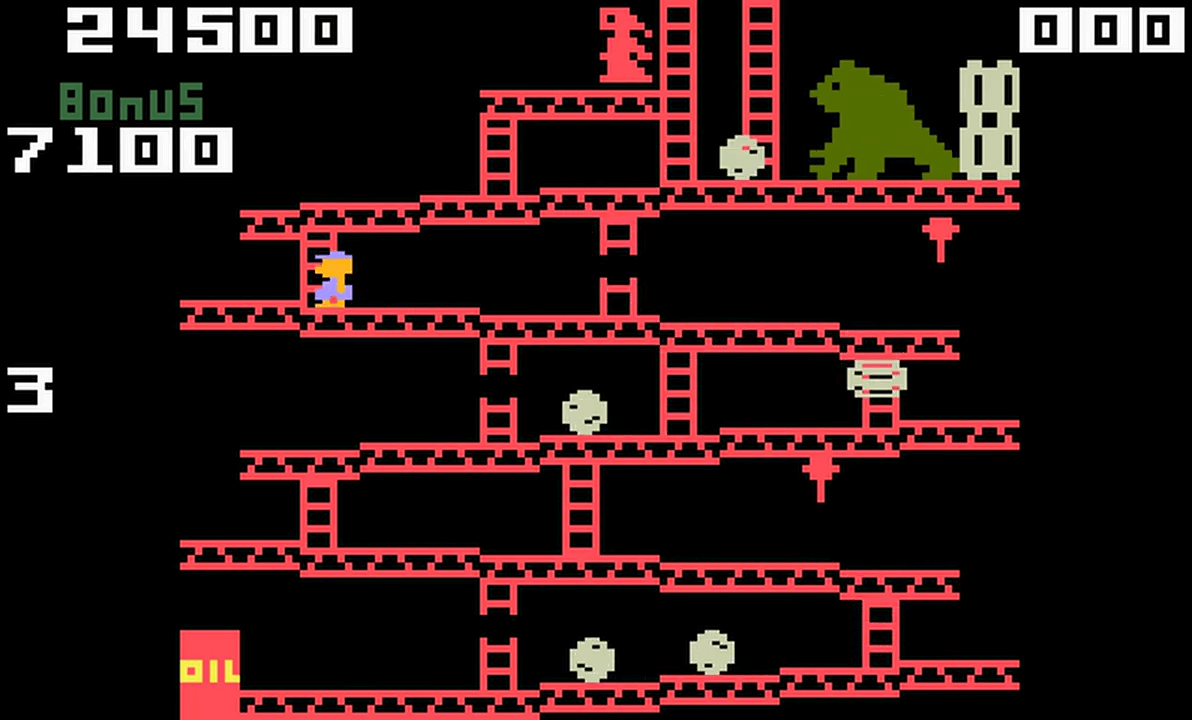
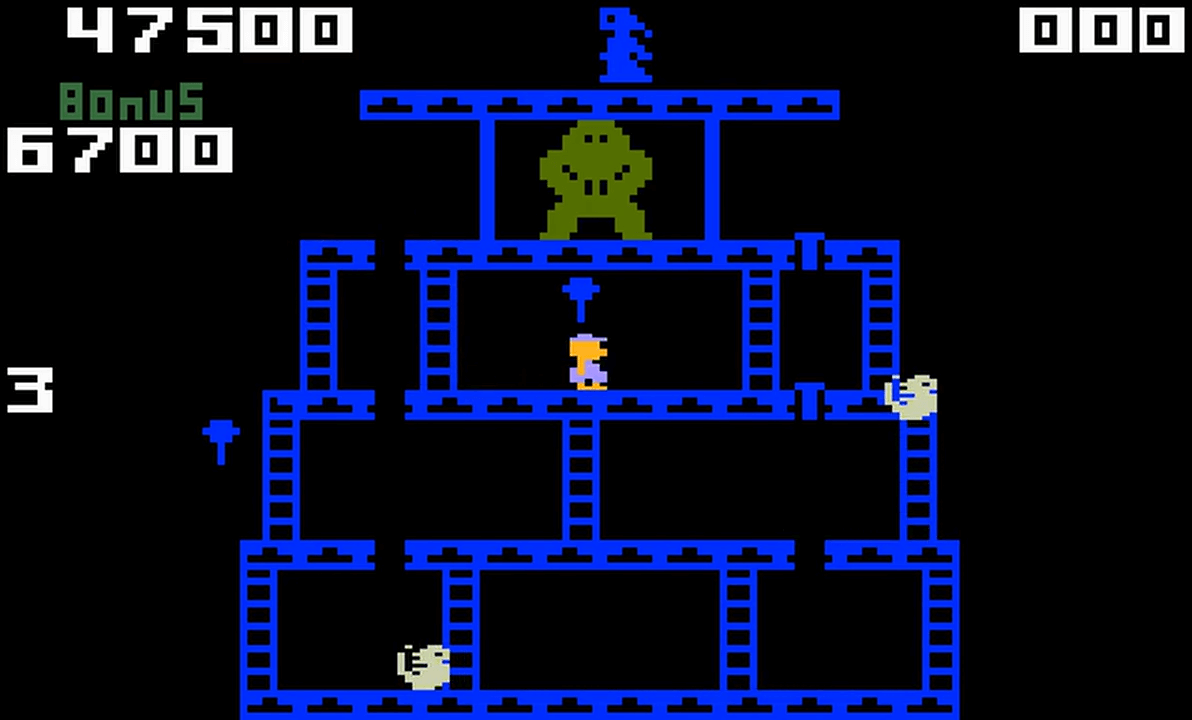
The Intellivision version of Donkey Kong, released by Coleco in 1982, attempted to bring the popular arcade platformer home, maintaining the original’s classic story: the heroic Jumpman (later known as Mario) must ascend a perilous construction site to rescue his girlfriend, Pauline, from the giant ape Donkey Kong. However, the gameplay for this port was severely compromised; it only featured two of the original arcade game’s four unique levels (the “barrel” screen and the “rivet” screen). Furthermore, the graphics were blocky with inaccurate colors (Mario/Jumpman often appeared yellow), and the controls were widely criticized as sluggish and unresponsive, which was particularly detrimental to a time-sensitive platformer. The game’s reception was overwhelmingly negative, with many contemporary reviewers and players considering it one of the worst Intellivision conversions. Its poor quality was so notable that some within Mattel (the Intellivision’s manufacturer) even suspected Coleco, who was also launching the rival ColecoVision console with a superior version, had deliberately released an inferior product to sabotage the Intellivision’s reputation.
Boxed, No Manual Or Overlay
2237
£9.59
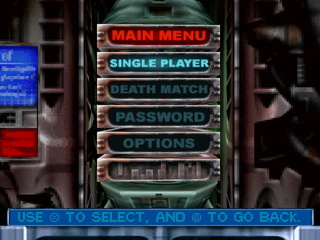
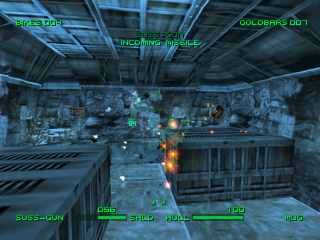
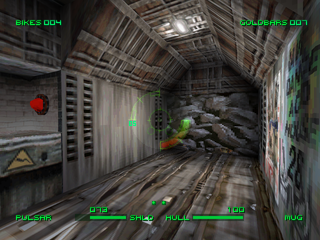
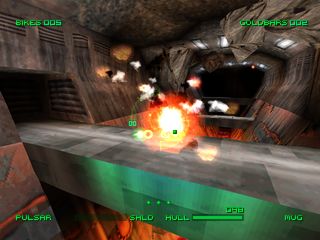
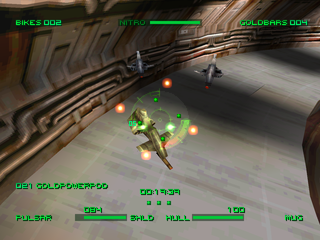
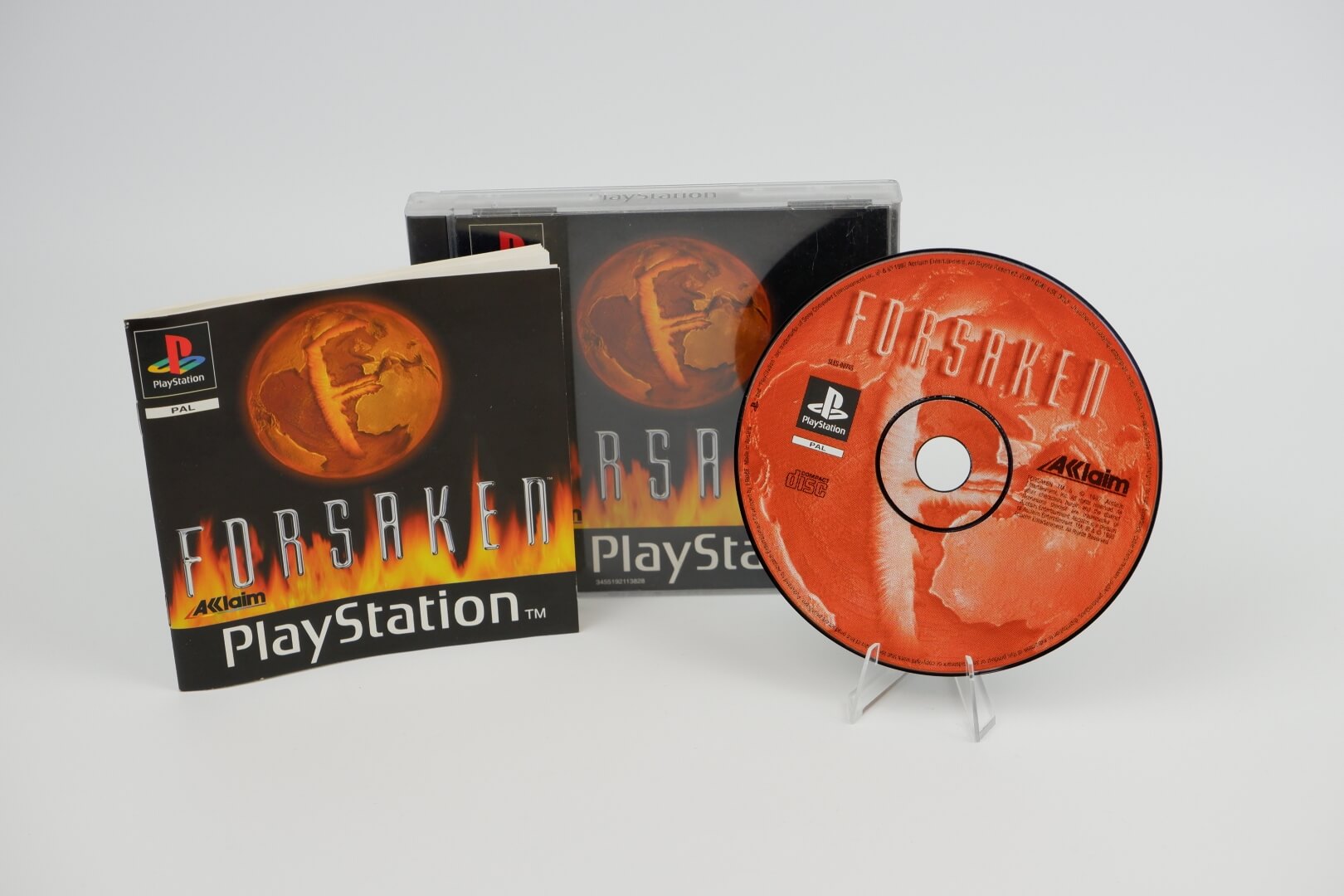
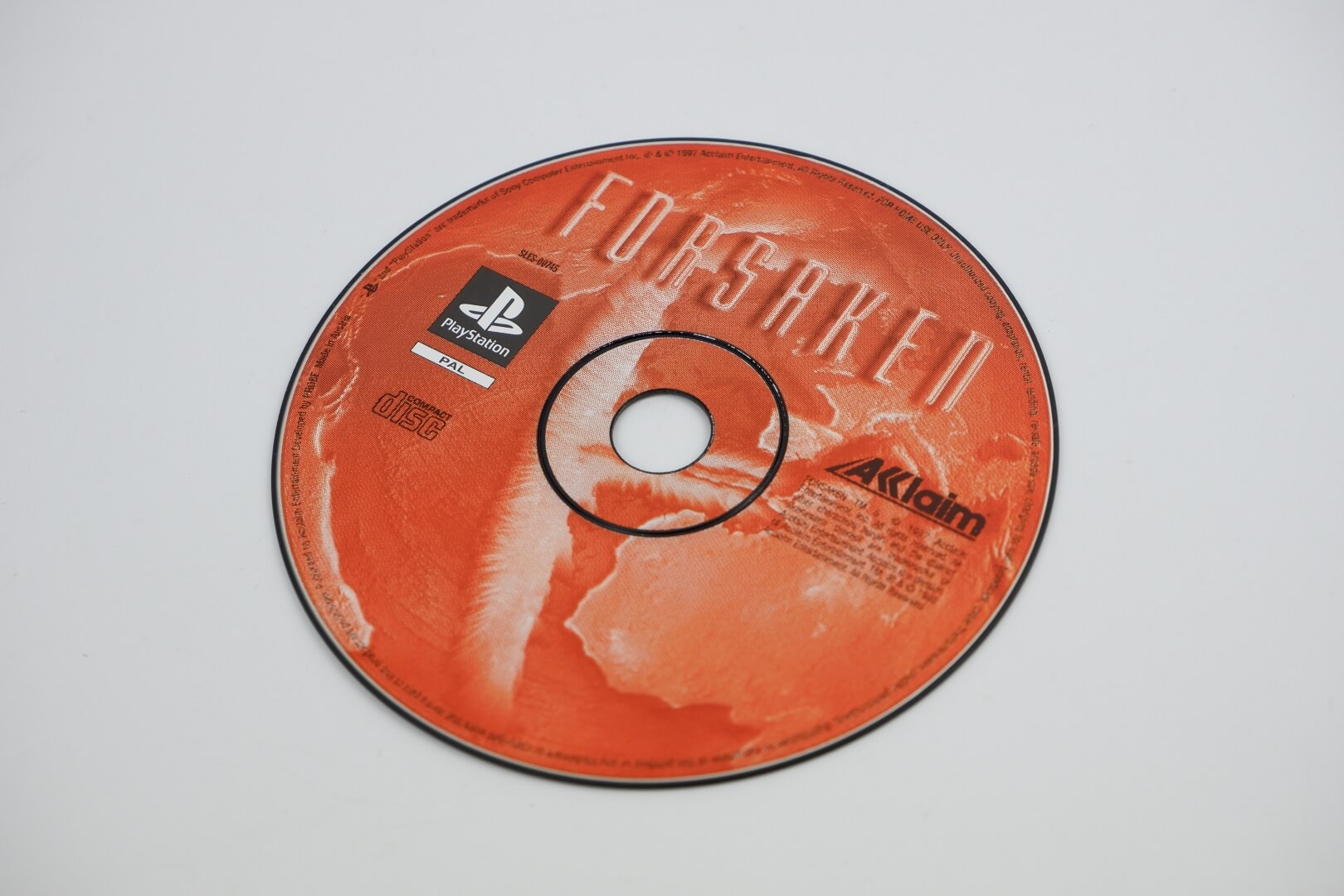
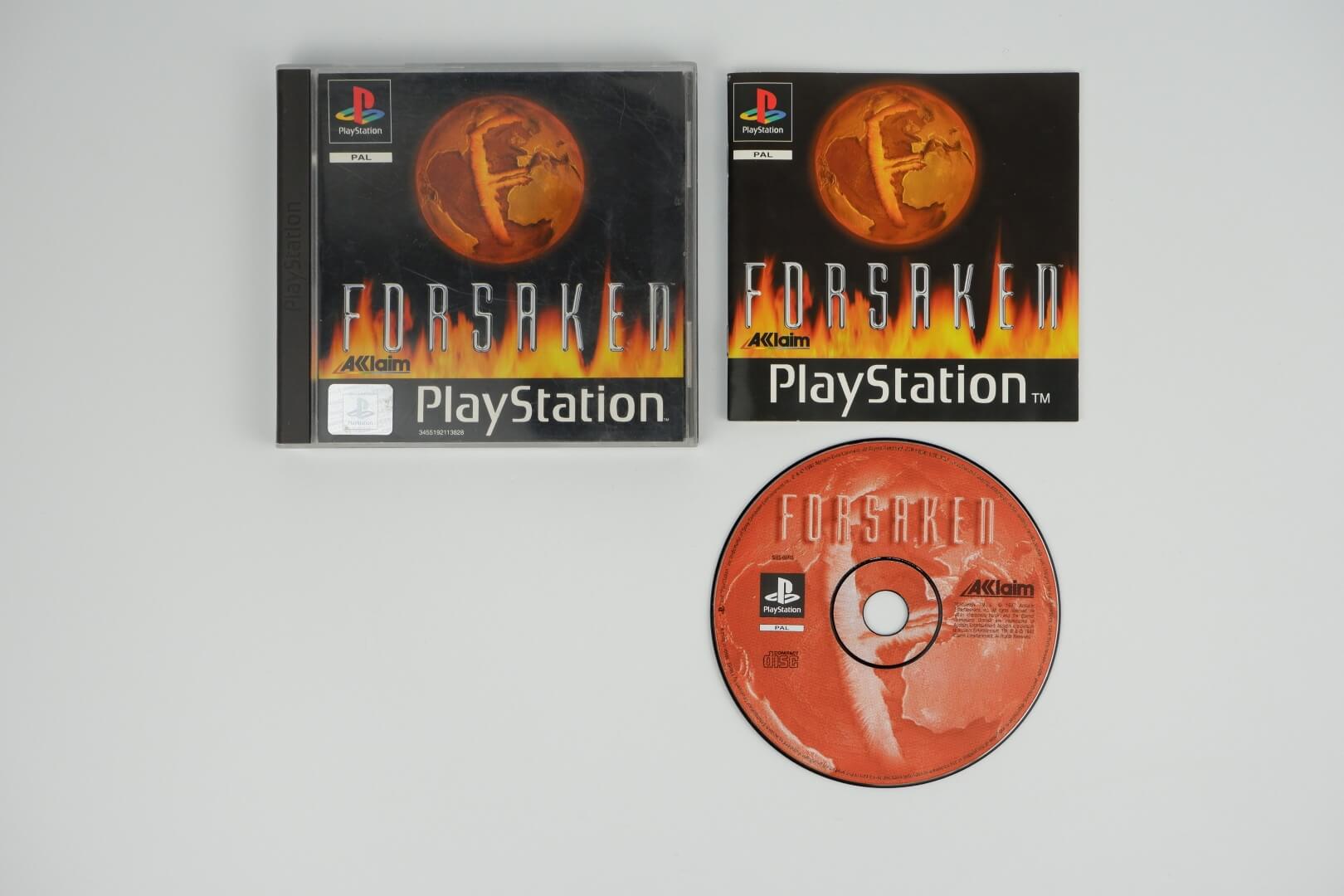
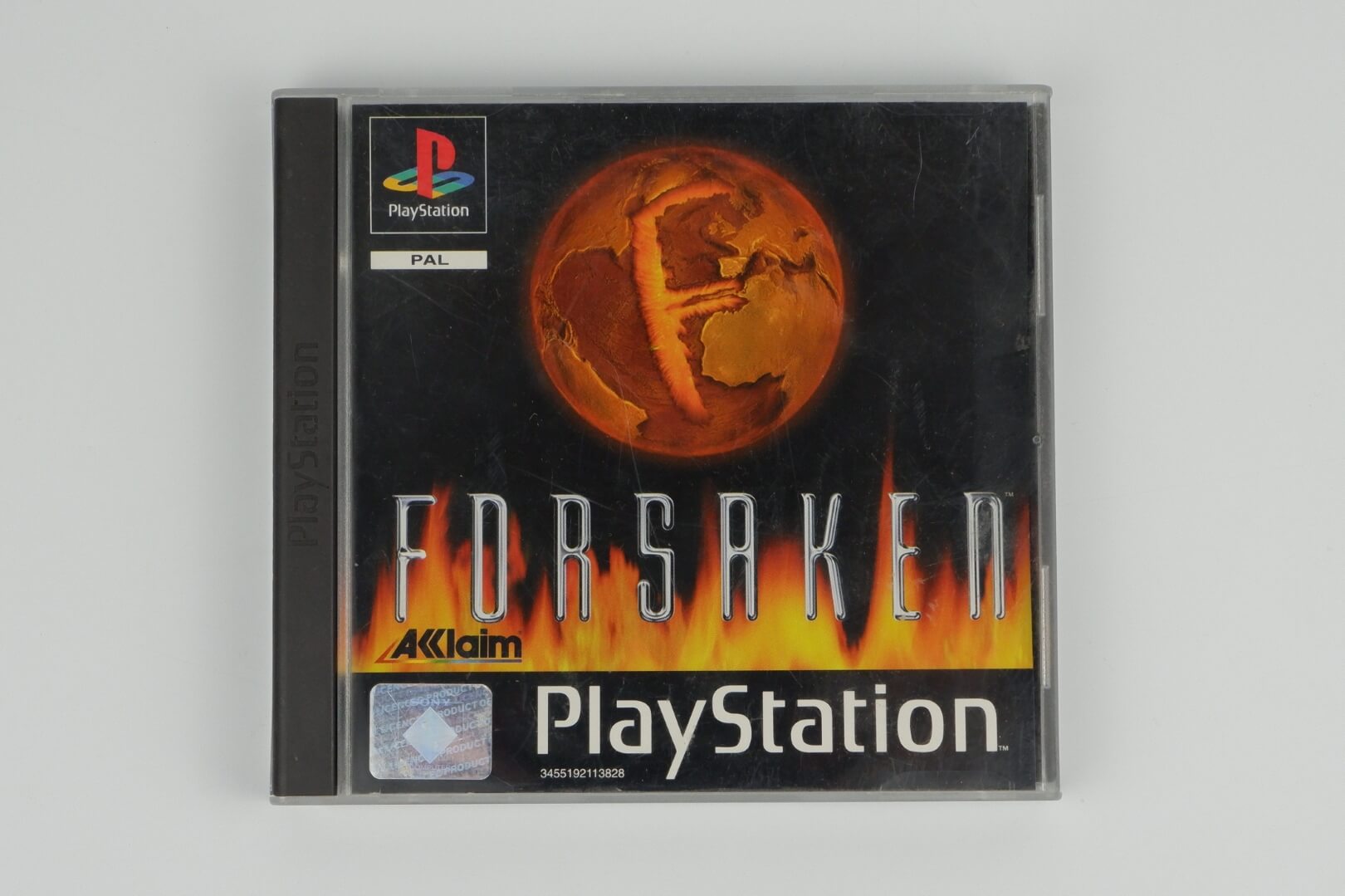
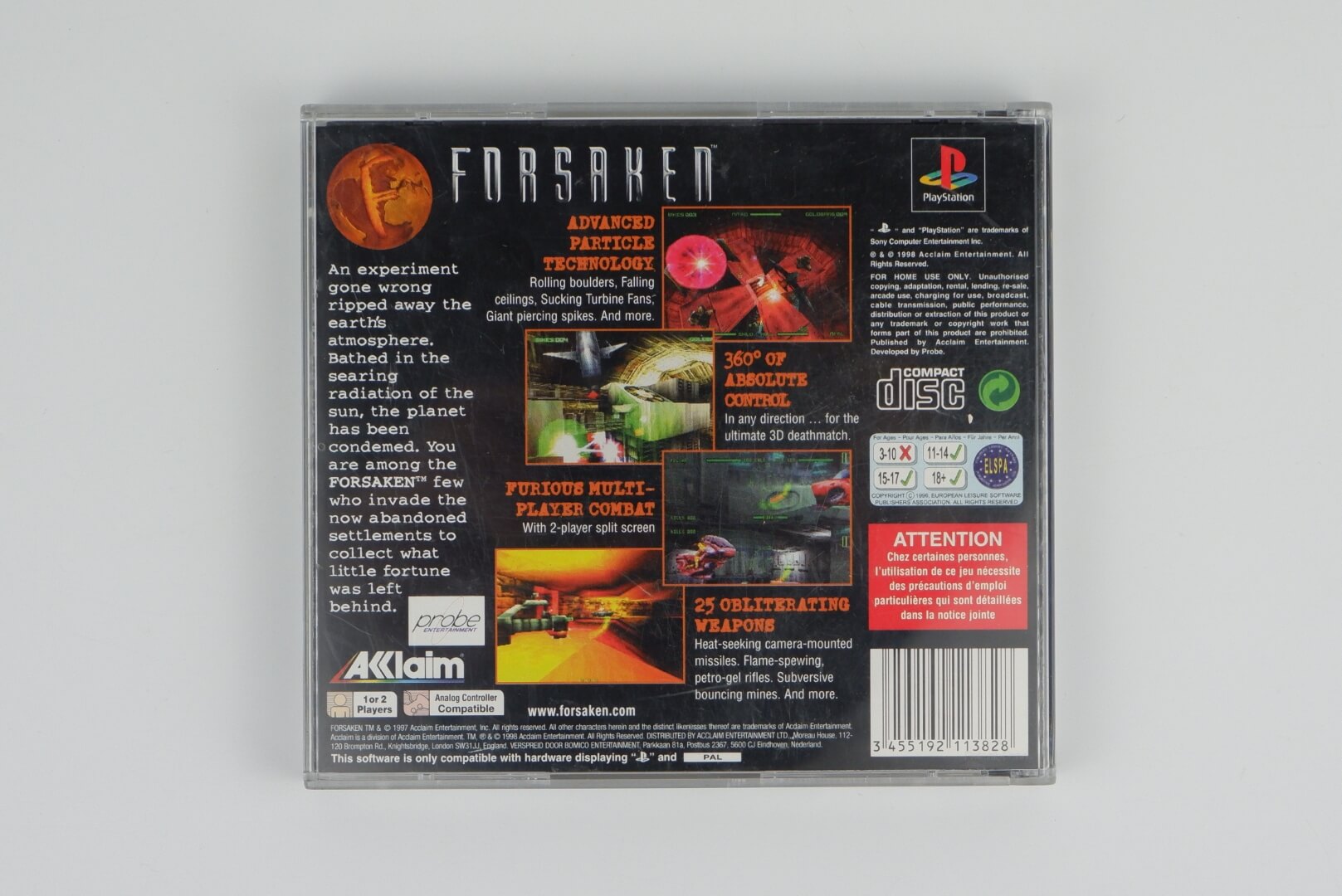
Forsaken – Sony Playstation (1998)
Forsaken (1998) on PlayStation is a high-octane, six-degrees-of-freedom first-person shooter often compared to Descent. The story is a grim sci-fi tale set in the year 2113, where a catastrophic experiment has rendered Earth a “Condemned” world, a shattered ruin bathed in radiation. The player takes on the role of a lone bounty hunter—one of the “Forsaken”—piloting a powerful anti-gravity hover-bike called an ioncycle into the planet’s crumbling, maze-like subterranean complexes to scavenge for lost treasures, battling ruthless robotic sentinels and rival space pirates. The gameplay is fast and chaotic, demanding full 3D control of your craft to accelerate, strafe, and pitch through tight tunnels while managing a diverse arsenal of weapons against swarming enemies, all often under a tight time limit. Reception for the PlayStation version was generally positive, with critics praising the impressive graphics, smooth 60 frames per second performance, and techno soundtrack, though some noted the steep learning curve for the controls and the lack of in-game radar could make single-player navigation frustrating.
Complete
2238
£4.00
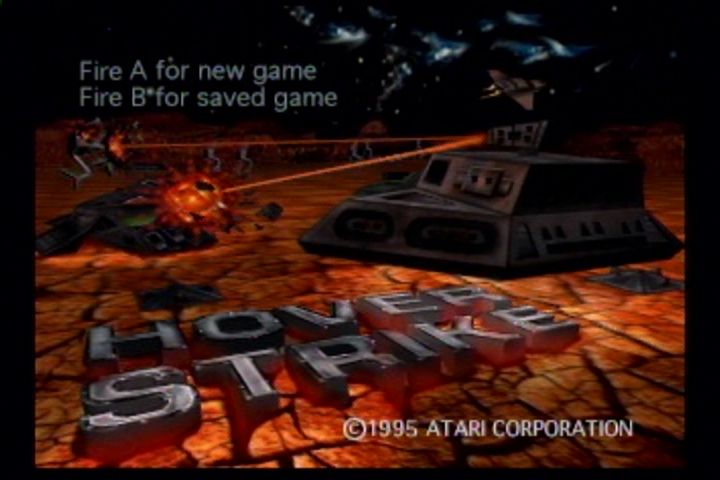
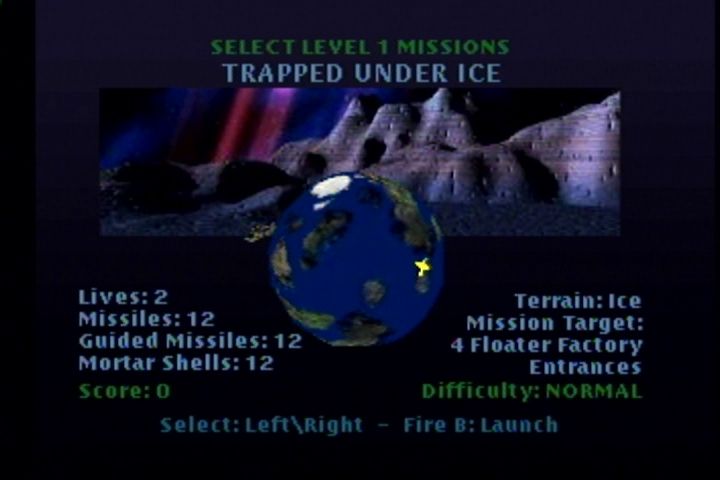
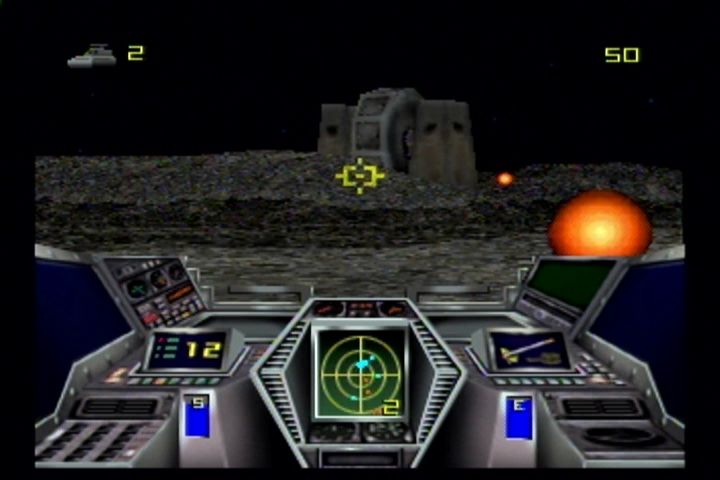
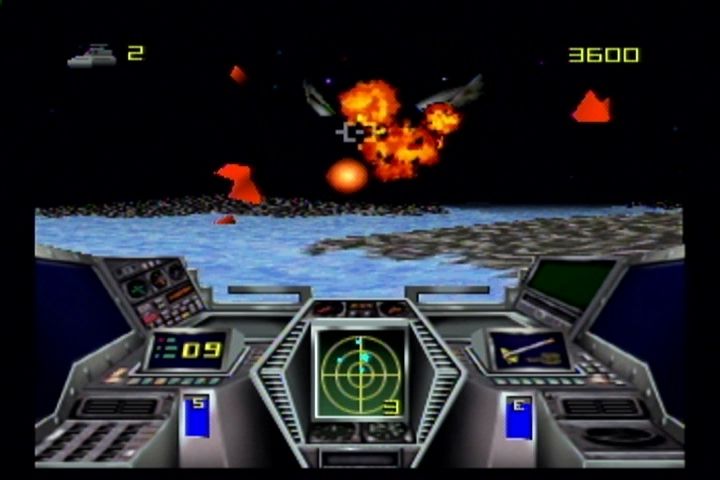
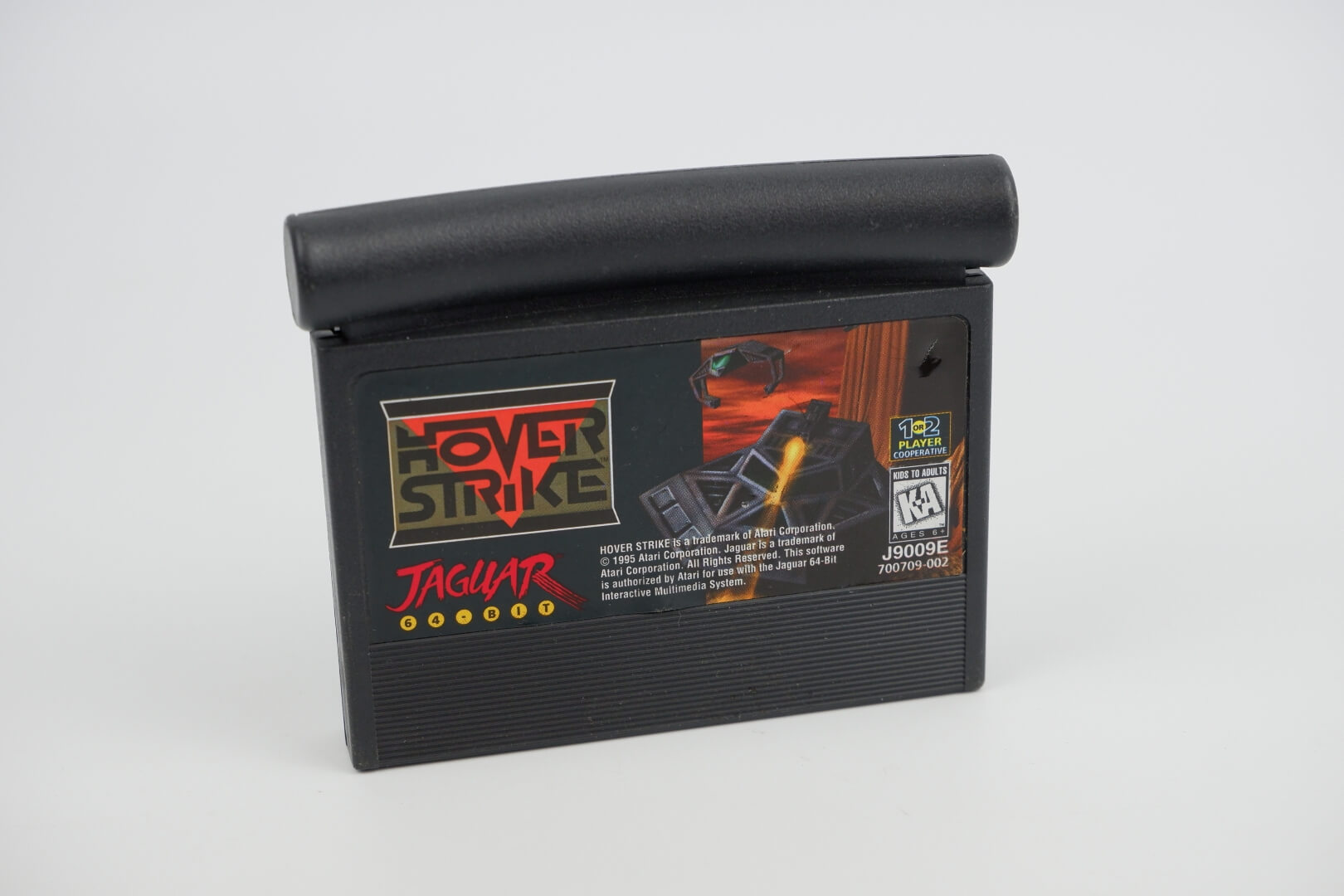
Hover Strike – Atari Jaguar (1995)
Hover Strike is a futuristic first-person vehicular shooter game released in 1995 for the Atari Jaguar, placing the player in the cockpit of a state-of-the-art armored hovercraft. The story sees the distant colonized planet’s communications severed, prompting the Federation to launch a pre-emptive strike after scouts discover that the Terrakian Pirates have taken over the surface, using the missing colonists for sinister purposes in a horrible factory. Your mission is to pilot the hovercraft behind enemy lines to destroy key Terrakian installations—particularly a critical atmospheric cannon—to make way for the Federation armada and save any remaining humans. The gameplay features 30 fully texture-mapped 3D levels where the player pilots the hovercraft over various terrains (including snow, desert, and lava) to complete mission objectives, primarily involving search and destroy. The handling simulates the physics of a hovercraft, with a distinct “floaty” feel requiring players to manage inertia and thrust, which adds a layer of complexity to the combat. Despite its ambition as one of the better-looking 3D titles on the Jaguar, the reception was mixed, with critics divided on its presentation, visuals, and, most notably, the frame rate and control scheme, which some found cumbersome. An enhanced CD version, Hover Strike: Unconquered Lands, was released later, aiming to address some of the technical shortcomings.