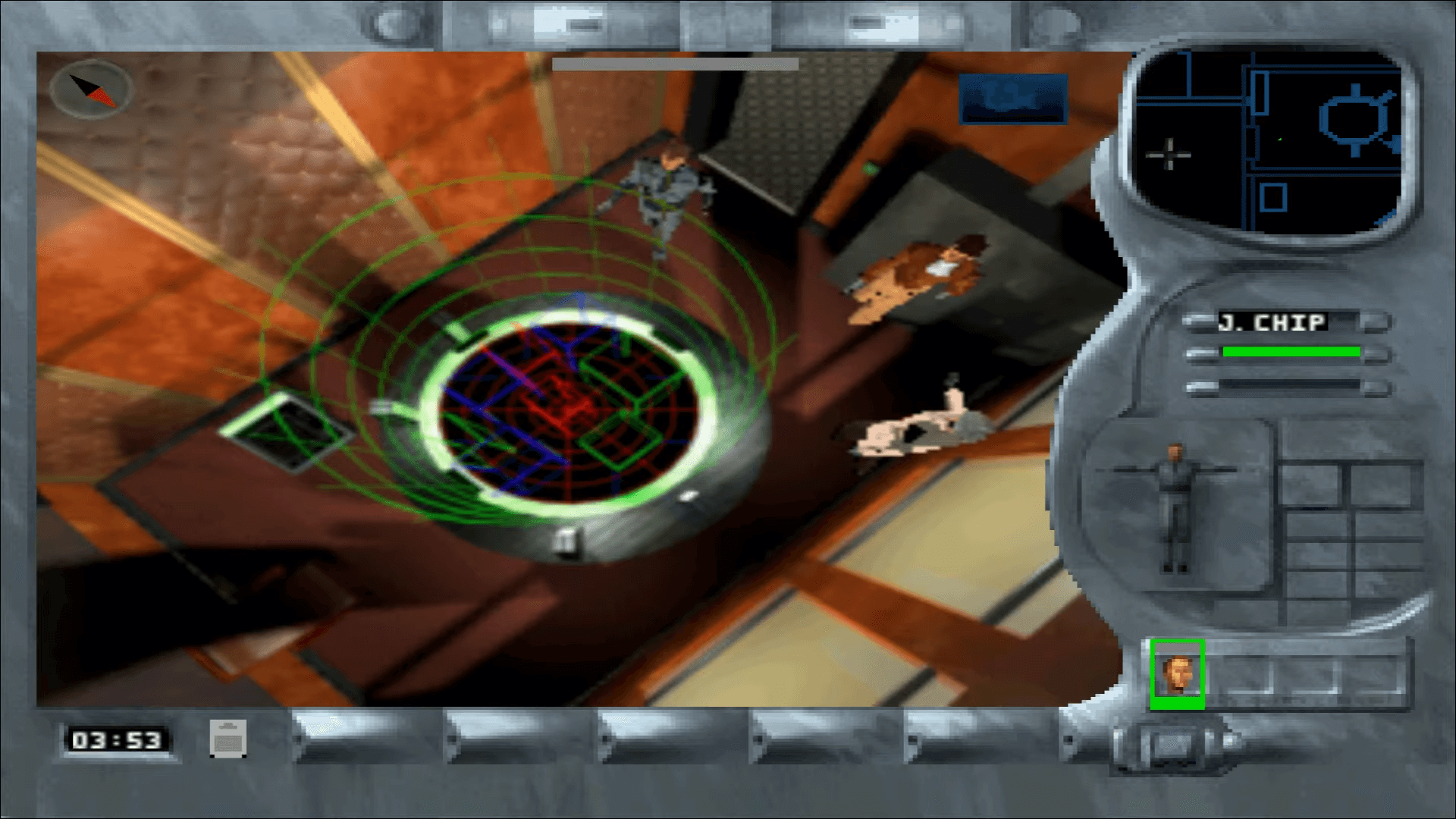
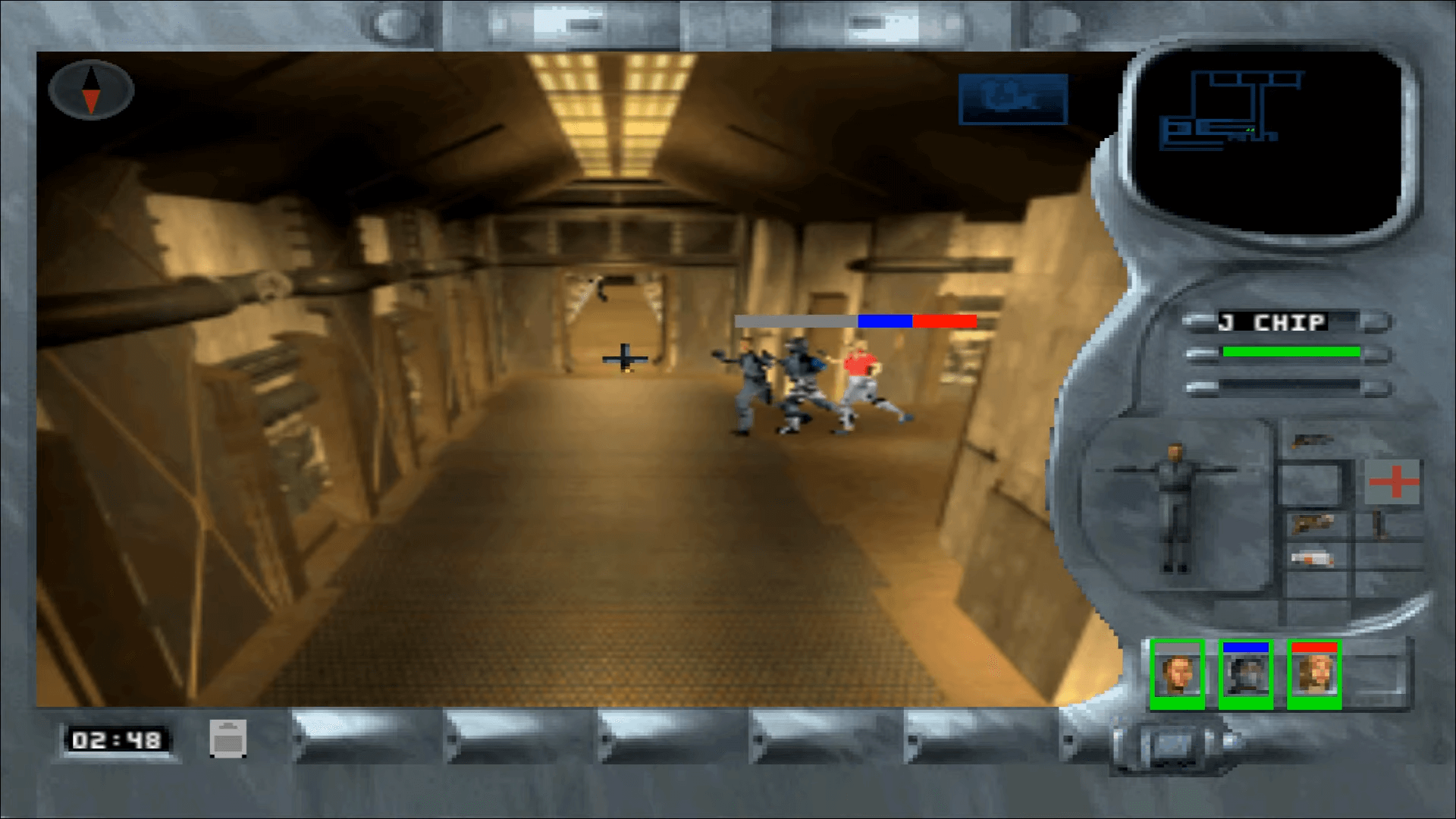
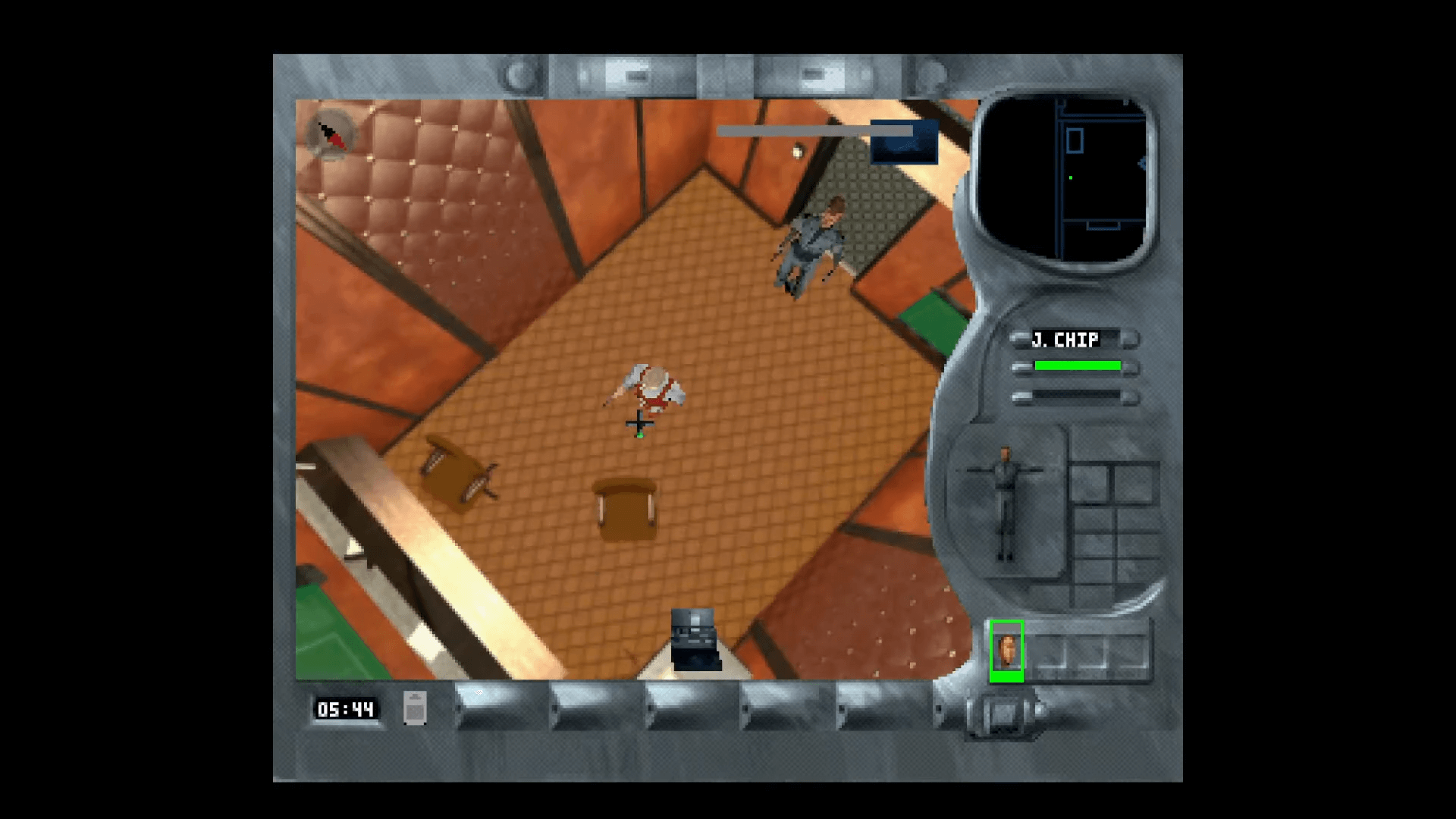
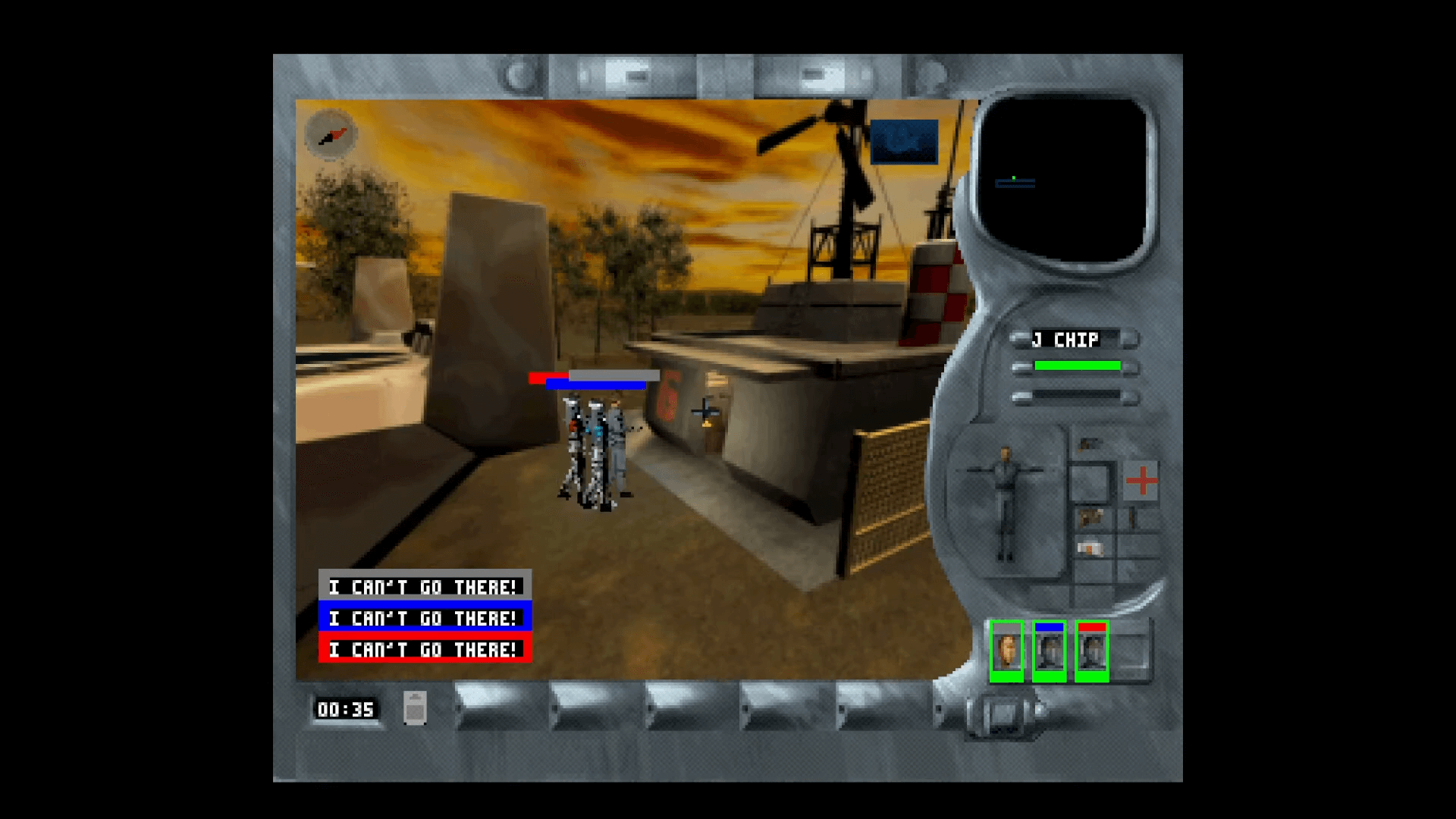
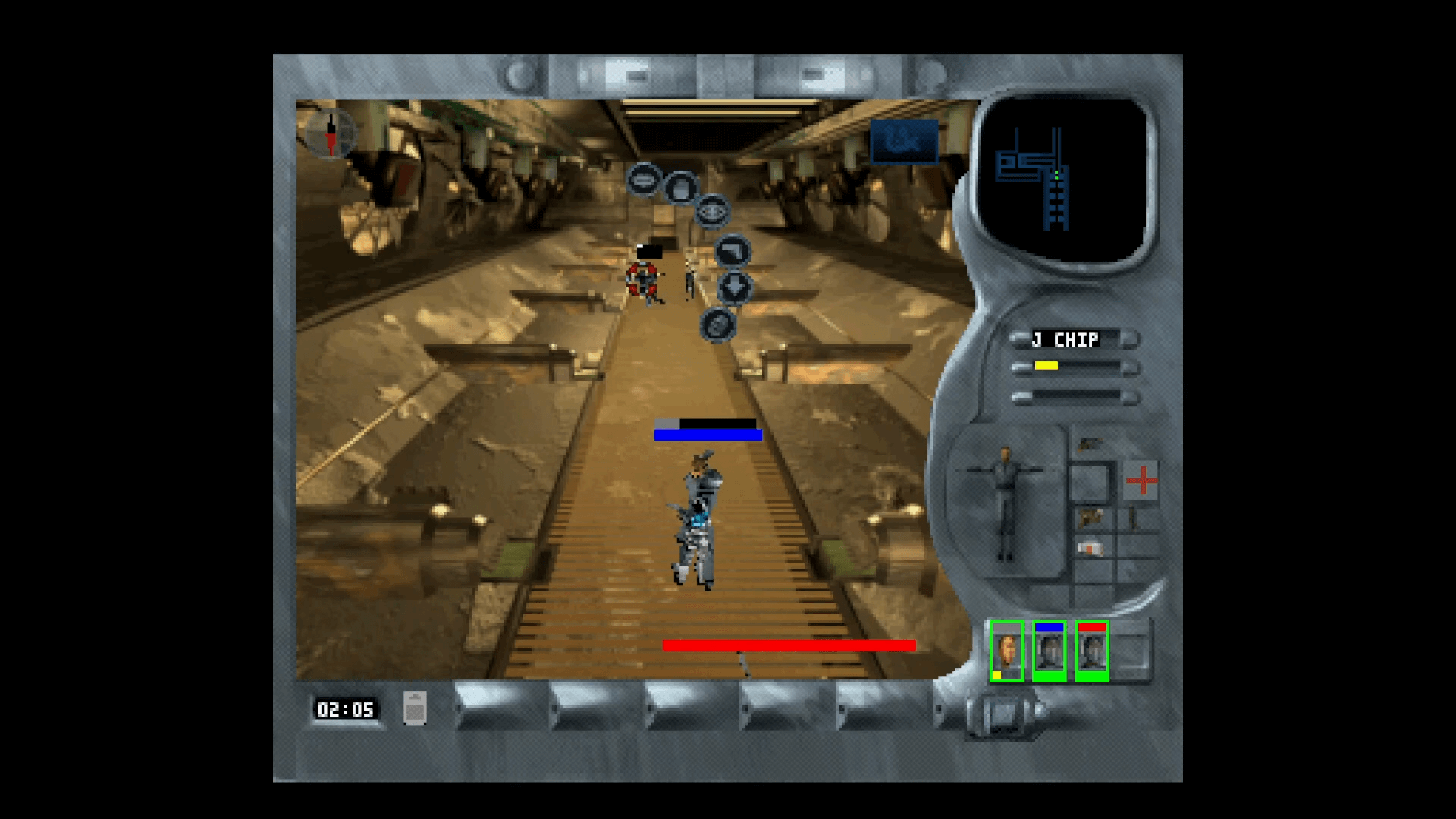
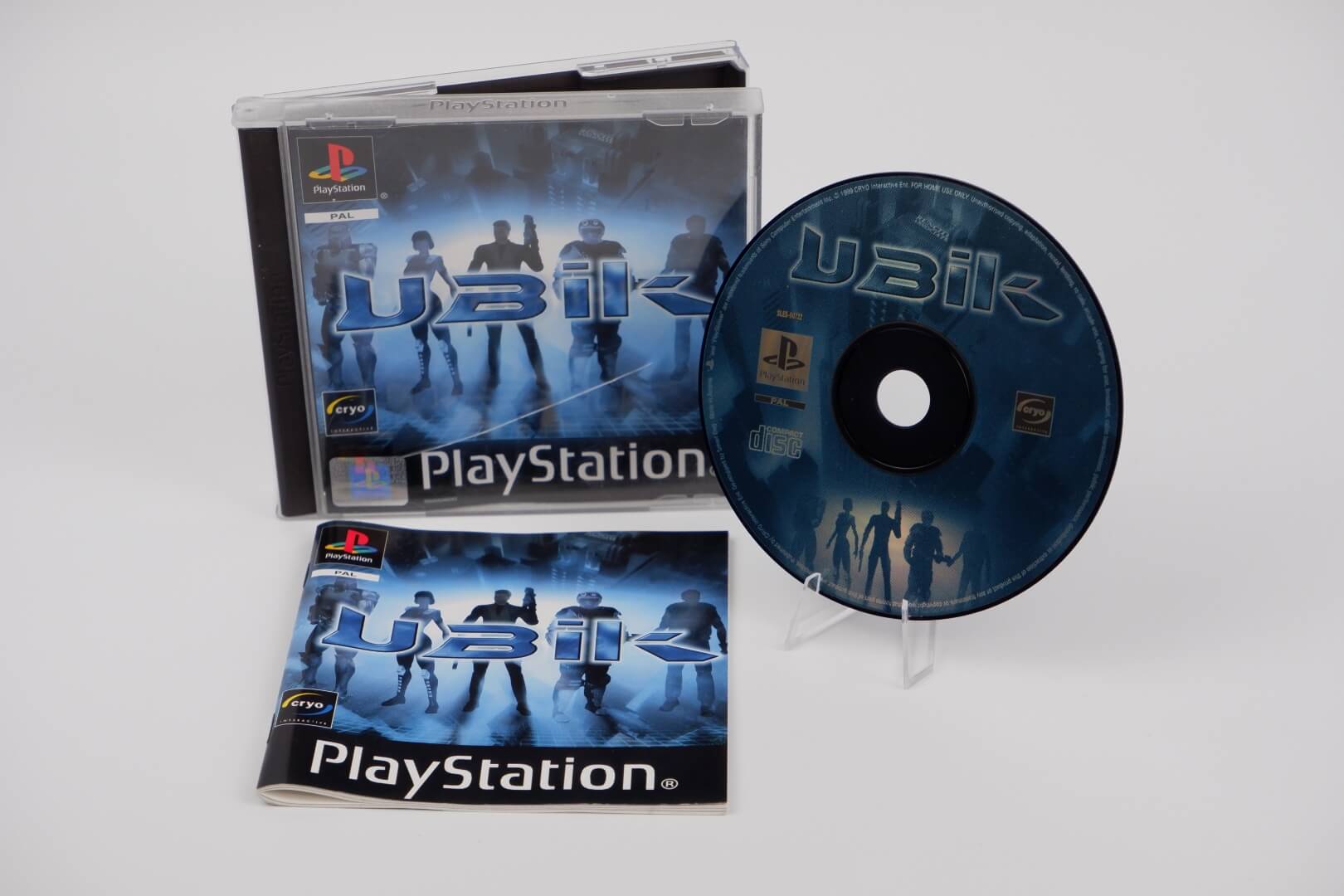
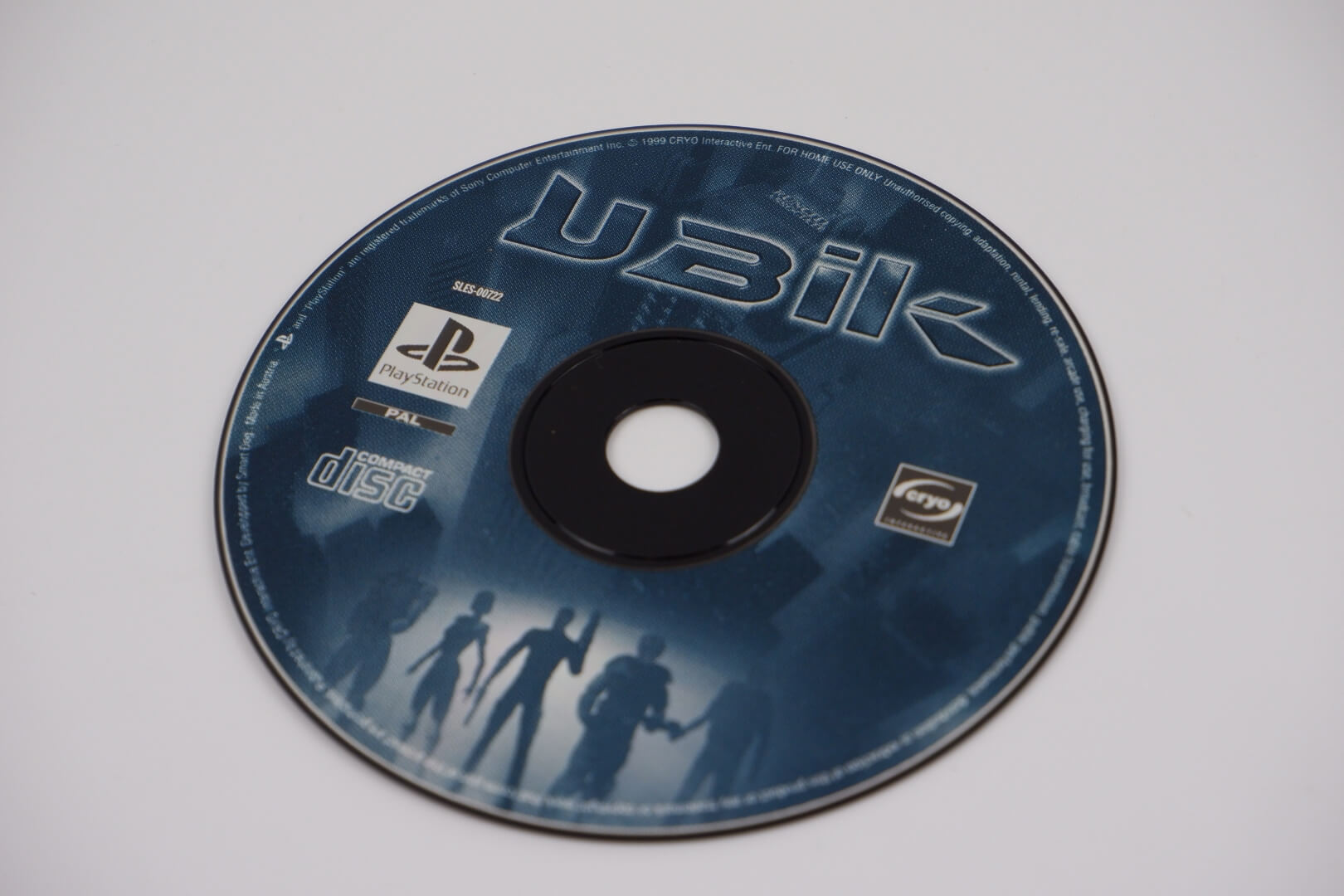
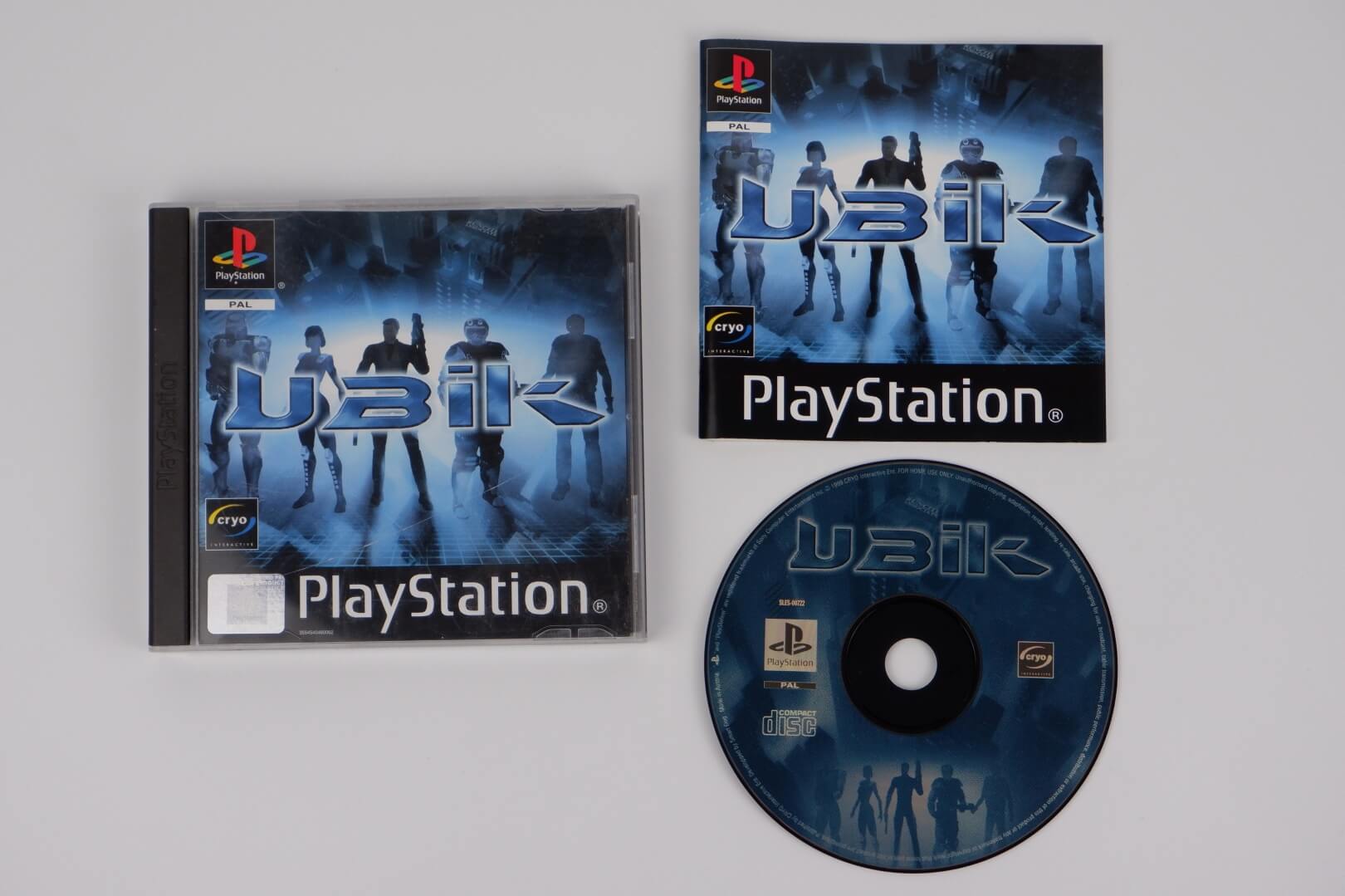
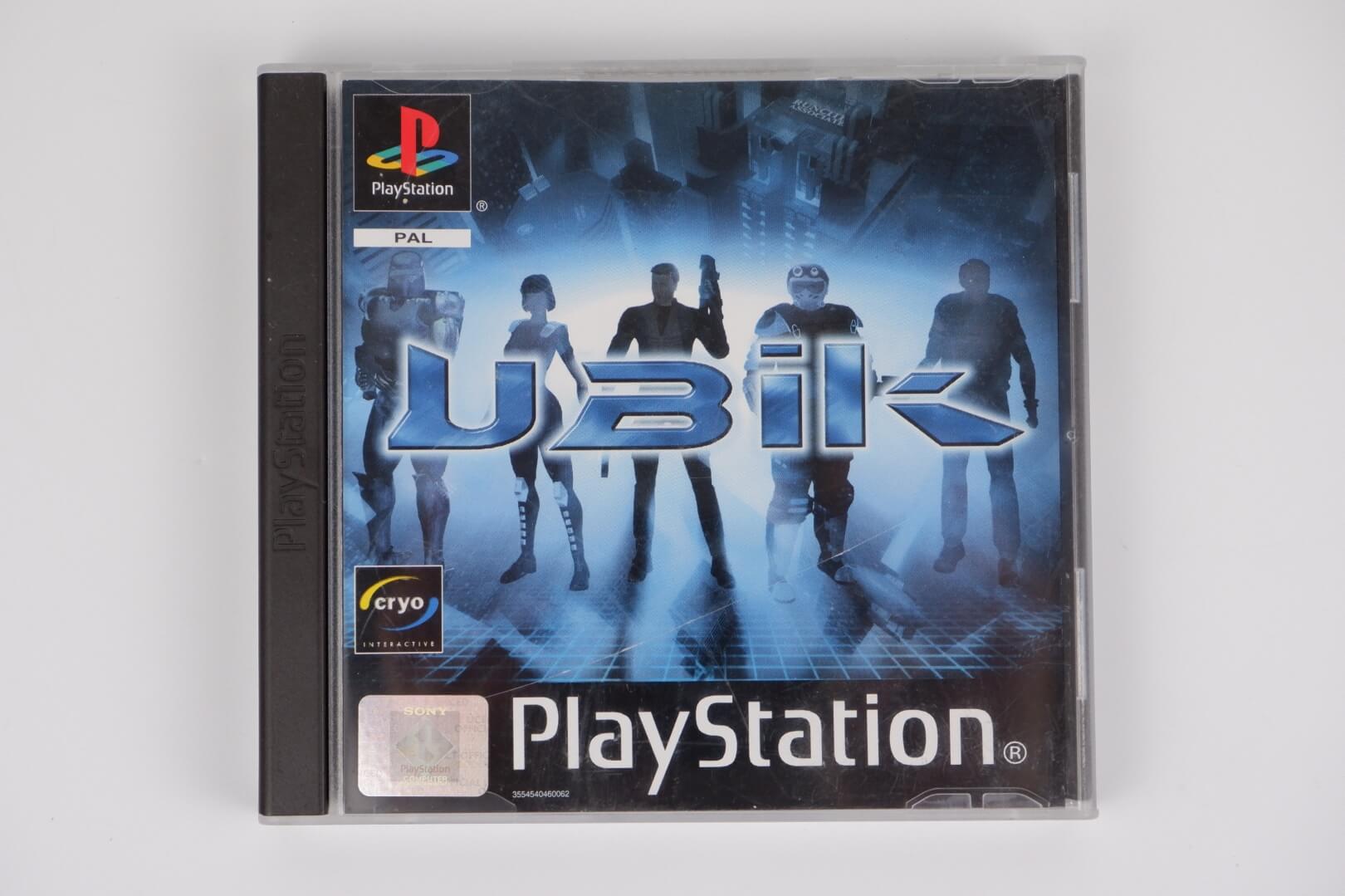
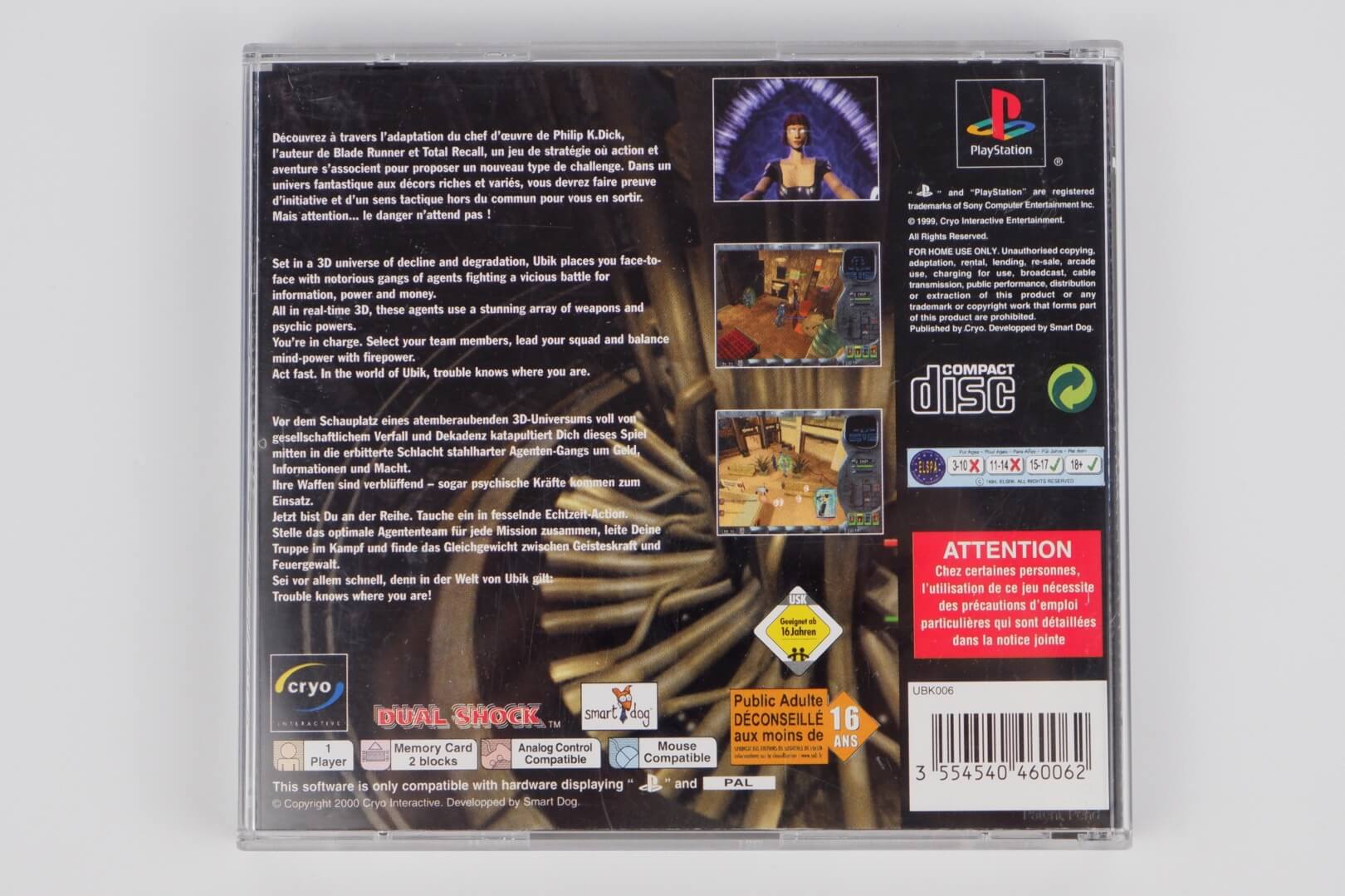
Ubik on the PlayStation is a real-time tactical action/strategy game, loosely based on the mind-bending 1969 Philip K. Dick novel of the same name. The story follows Joe Chip, a technician for Runciter Associates, a company specializing in anti-telepathic services and counter-psychic espionage, as he leads a squad of “inertials” and “psionics” against the rival Hollis Corporation in a dark, dystopian future. The plot is filled with the novel’s themes of paranoia, reality distortion, and death, though some critics felt the game didn’t adequately convey the book’s more complex, existential concepts. Gameplay involves real-time squad-based combat where the player selects, equips, and leads a team of four characters, balancing traditional weapons with various psychic abilities (PSI skills) across missions set in pre-rendered 3D backgrounds with multiple, user-controlled camera angles. However, the game’s reception on the PlayStation was overwhelmingly negative, with critics panning the extremely slow loading times, sluggish character movement, messy controls, and poor character AI, despite praising the atmosphere and the uniqueness of attempting to adapt the source material. While the original PC version was received moderately better, the console port is often cited as a technically flawed and frustrating experience.
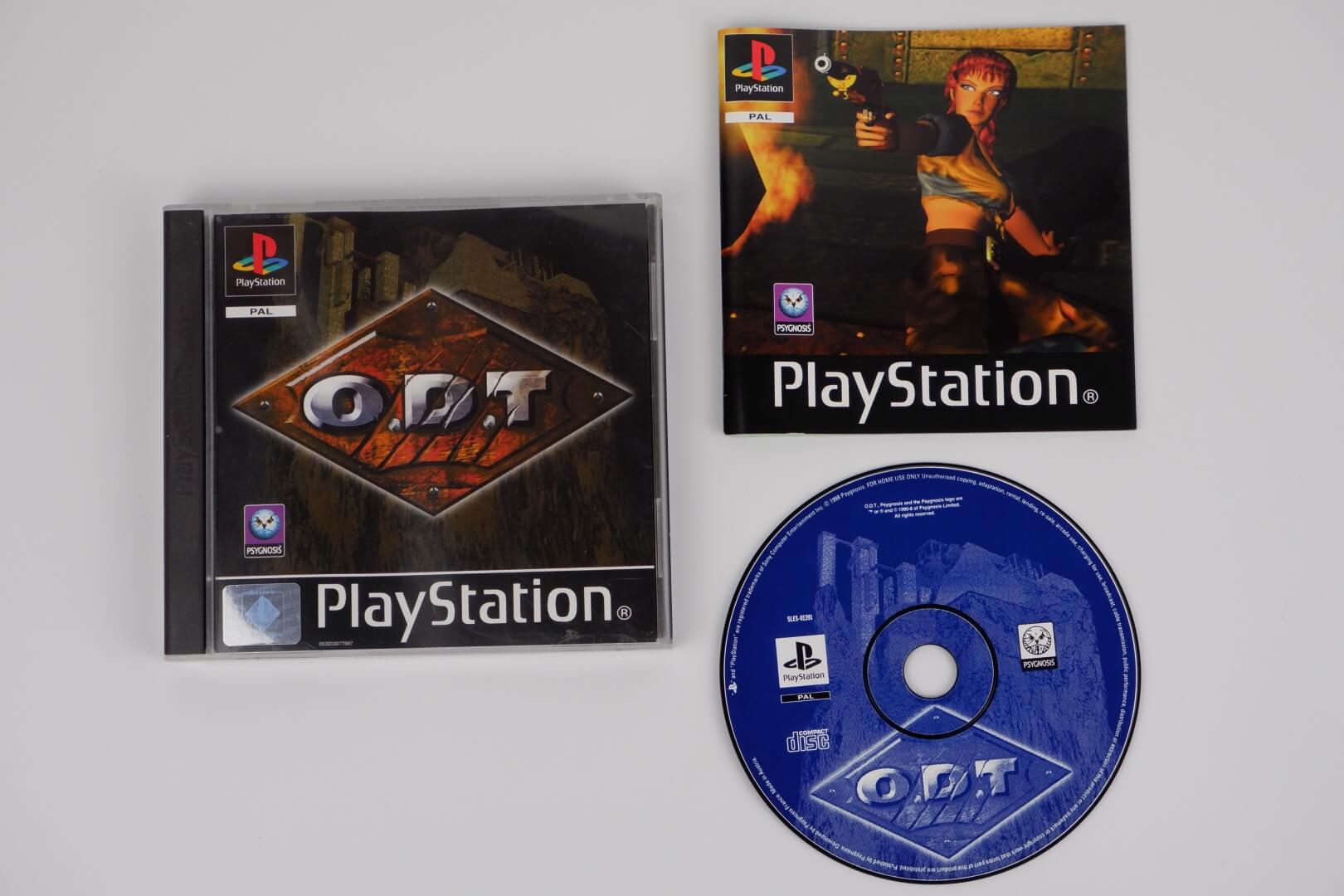
Complete
2234
£6.40
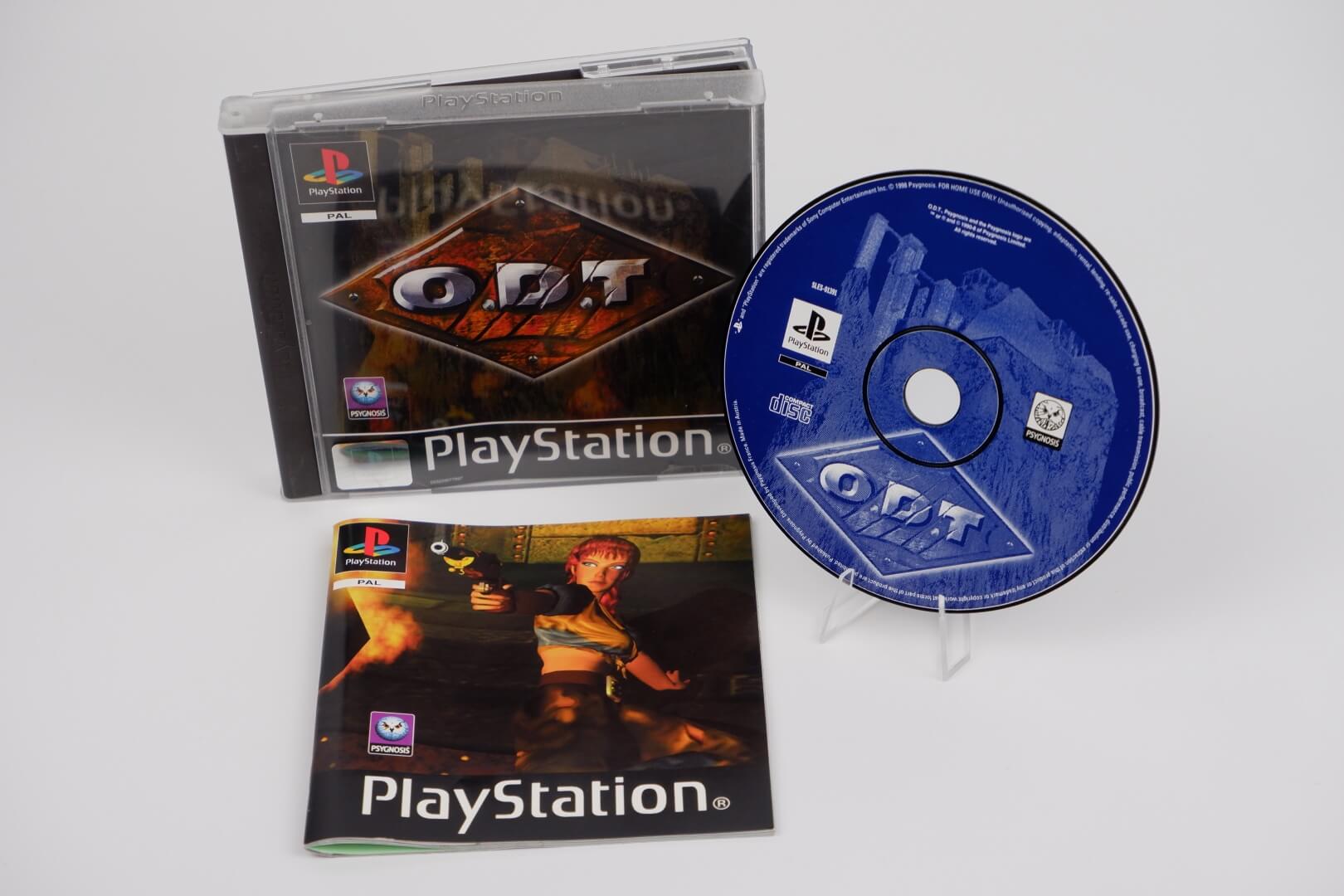
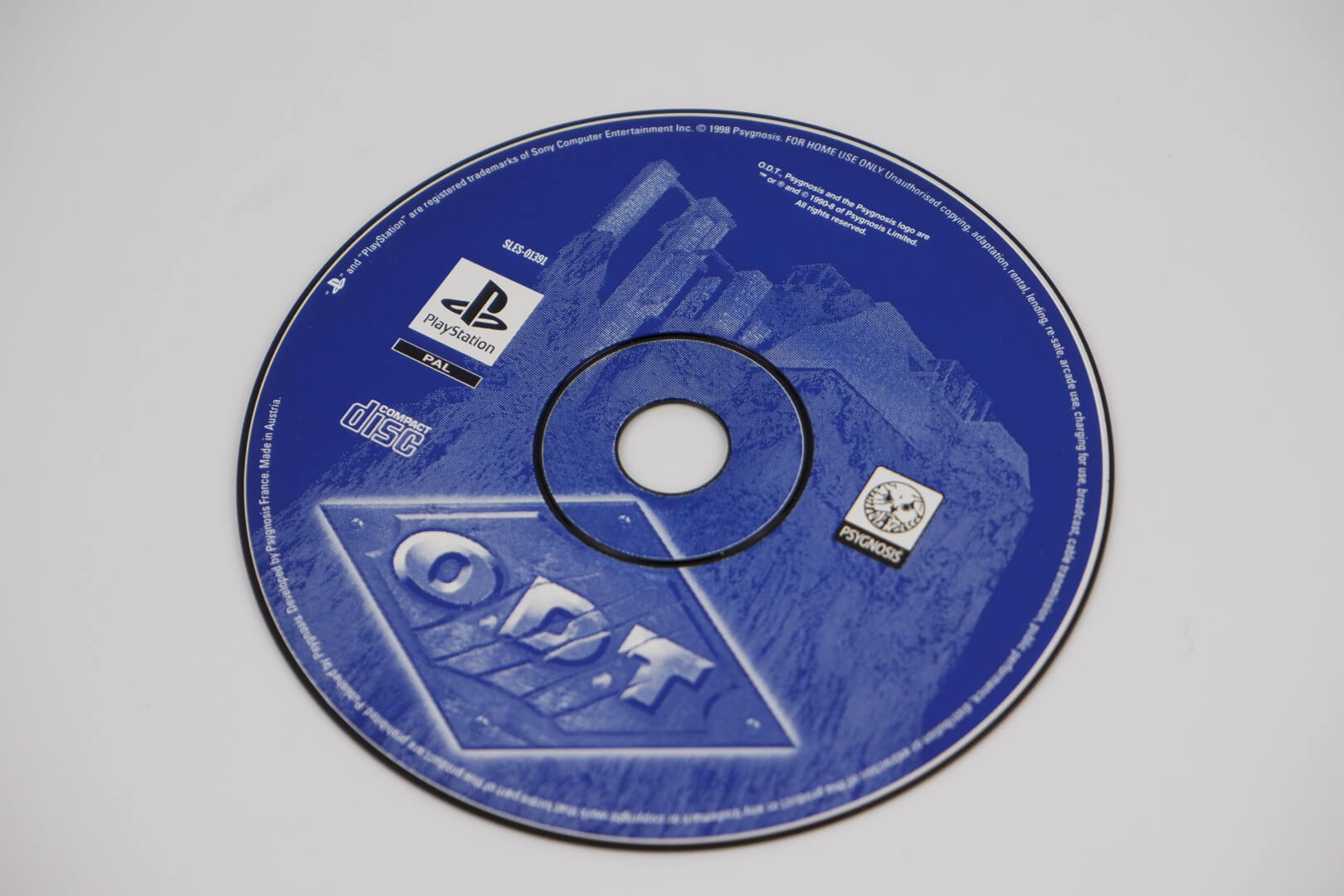
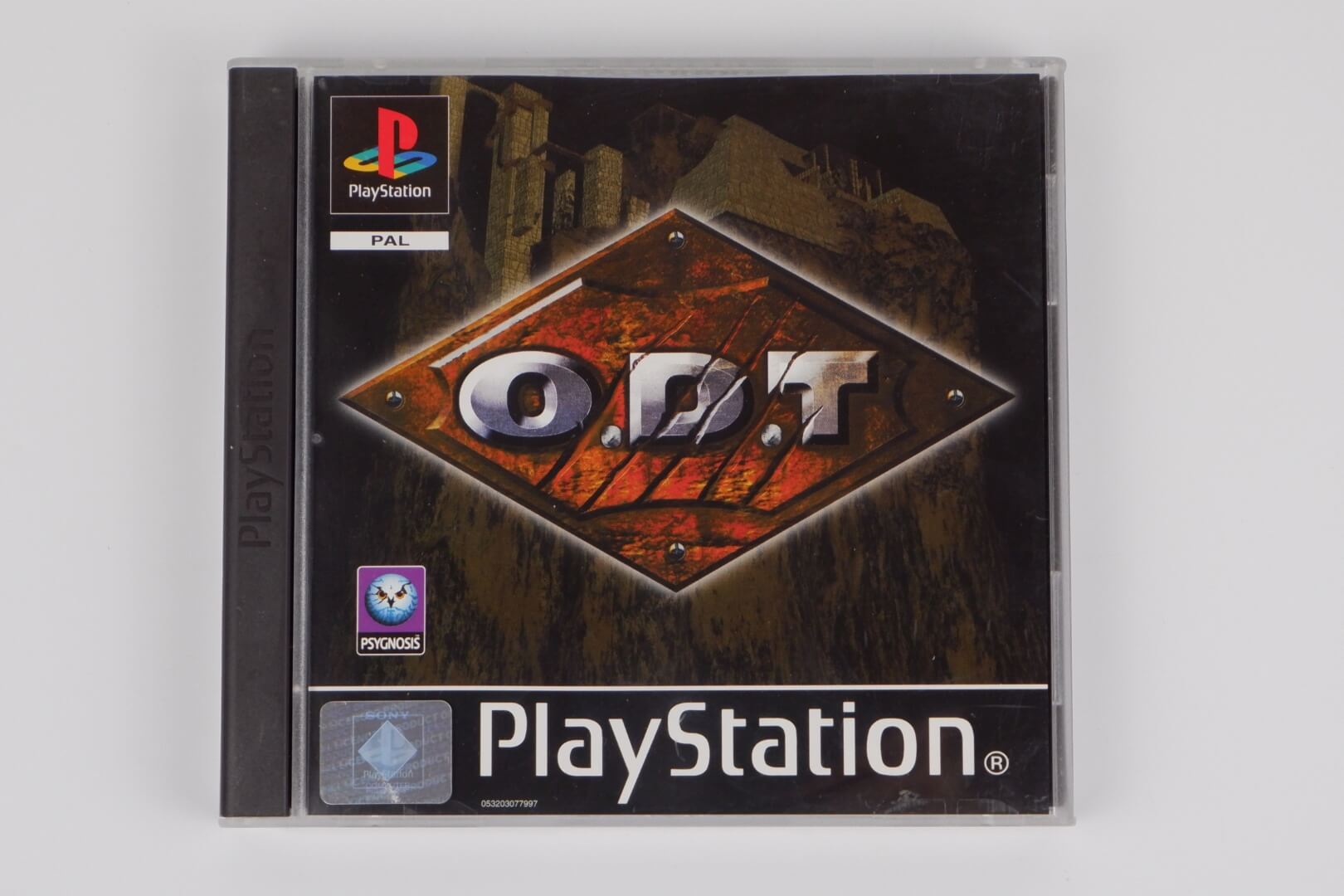
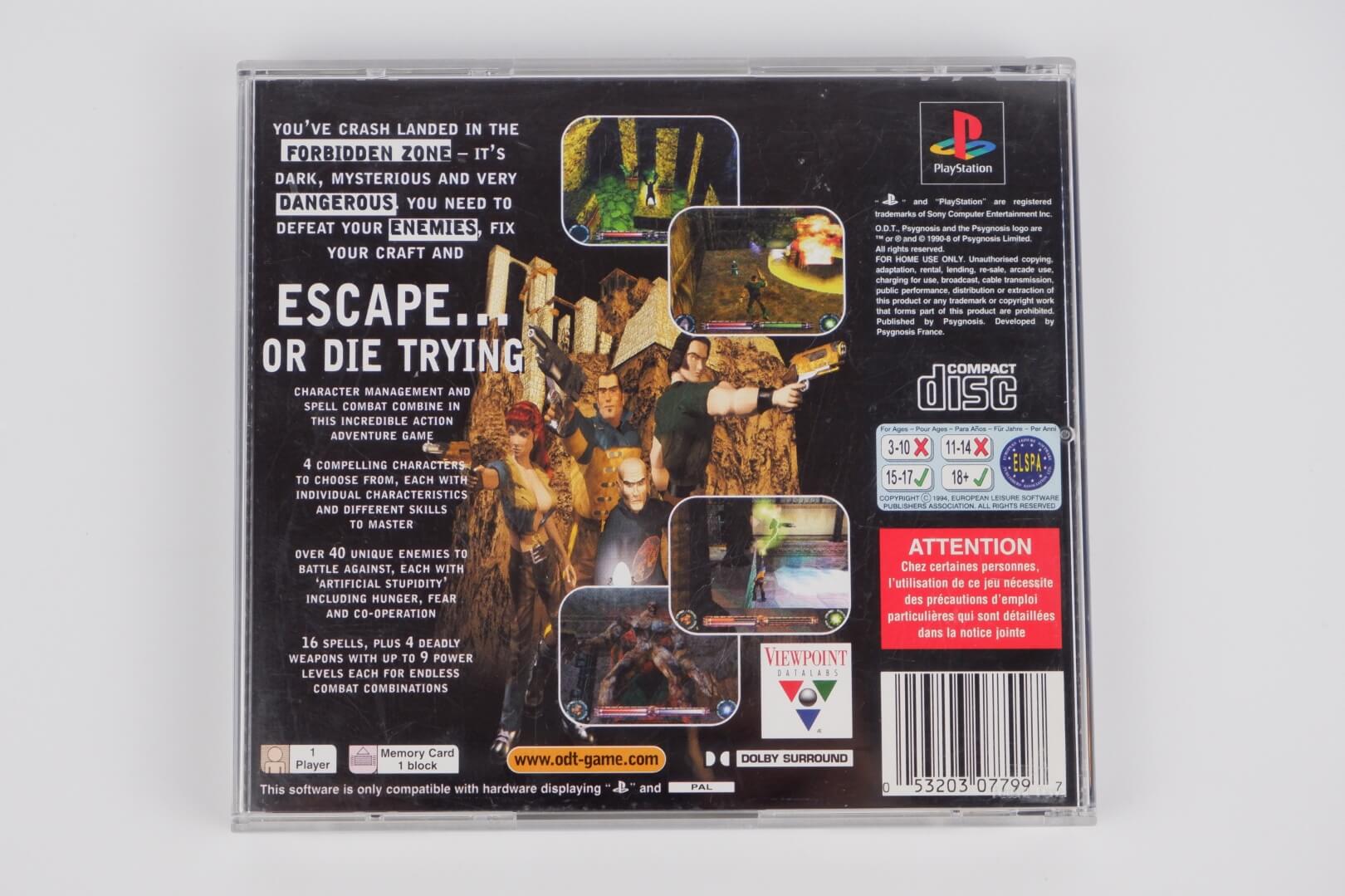
O.D.T – Sony Playstation (1998)
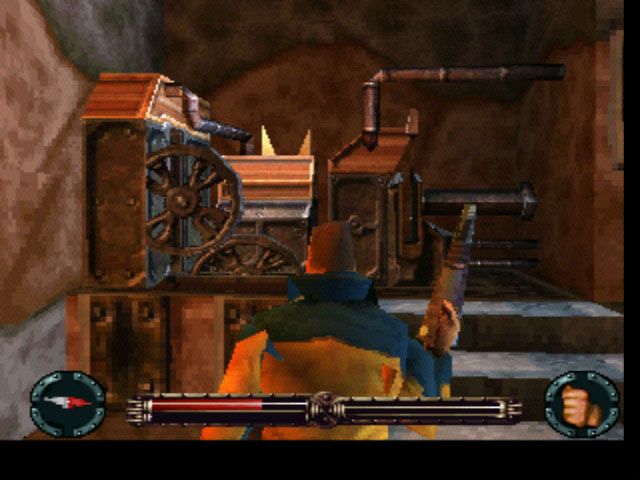
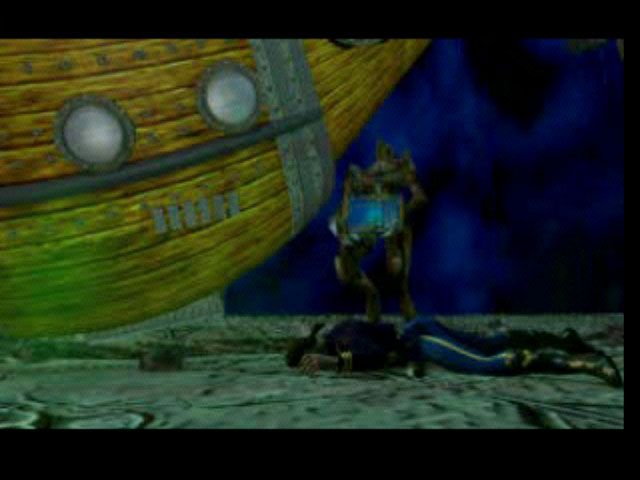
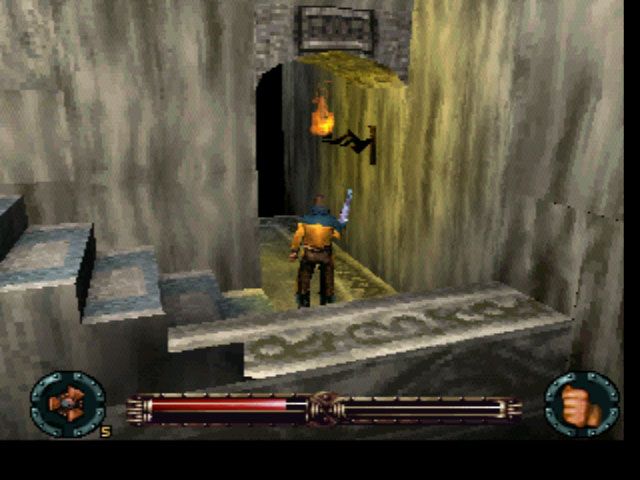
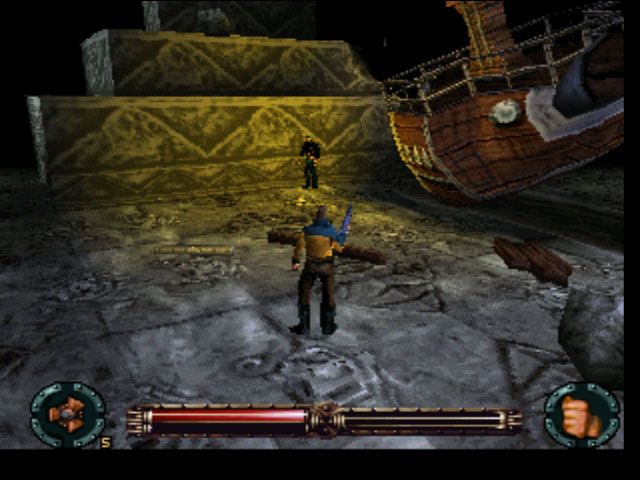
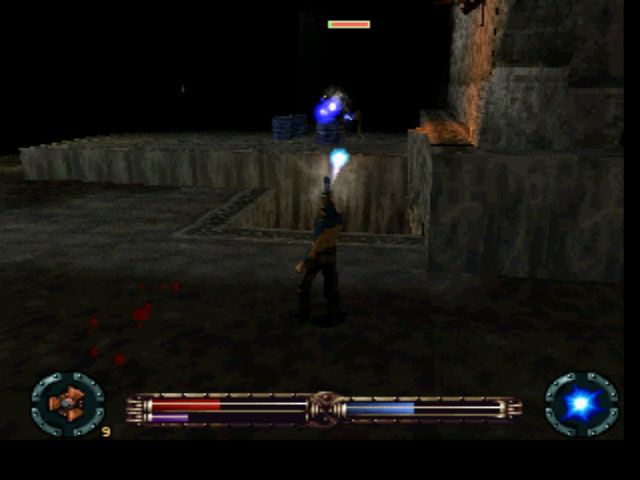
O.D.T.: Escape… Or Die Trying (1998, Psygnosis) is a third-person action-adventure game for the PlayStation with RPG and platforming elements. The story follows a crew from the airship Nautiflyus, which crashes into a mysterious tower in a forbidden zone while attempting to deliver a magical “Green Pearl” to stop a devastating epidemic. Players choose from one of four initial characters, each with unique stats in areas like armor, weapons, and magic, as they explore the strange, often Jules Verne-esque, 3D environments to find fuel for their ship and retrieve the pearl. Gameplay is heavily focused on exploration, combat using a mix of hand-to-hand, weapon-based, and magical attacks, and environmental puzzles, often drawing comparisons to Tomb Raider but with a heavier emphasis on character progression. Upon release, reception was generally poor to mixed, with many critics panning the game for its Tomb Raider-style controls, which were considered crude and imprecise, and for its sometimes unforgiving level design and difficult platforming, despite acknowledging the game’s ambitious graphics, atmospheric steampunk-like setting, and creative enemy designs.