
Game And Watch Gallery 3 – Nintendo Game Boy (1999)
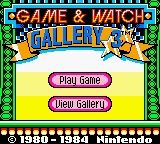
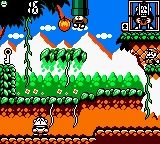
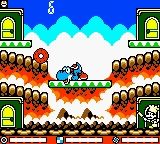
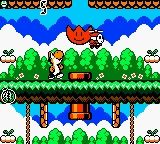
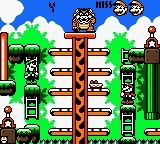
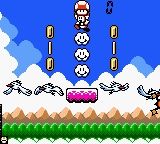
Released for the Game Boy in 1999 (and specifically enhanced for the Game Boy Color), Game & Watch Gallery 3 is a nostalgic compilation that preserves and reimagines Nintendo’s earliest handheld history. The game lacks a traditional narrative, instead featuring a “Museum” or “Gallery Corner” where players unlock historical facts and animations by earning stars. The gameplay is split into two distinct styles: Classic Mode, which provides a faithful simulation of the original 1980s LCD hardware with simple “blip” sounds and stick-figure graphics, and Modern Mode, which updates the games with vibrant colour, scrolling backgrounds, and a Super Mario theme. This version replaces generic characters with icons like Yoshi catching cookies in Egg or Toad delivering packages in Turtle Bridge. Upon its release, the game was highly acclaimed as the best entry in the series to date, with critics praising its massive amount of unlockable content—including six secret games like Donkey Kong II and Fire—and its “just one more go” addictive loop, though some noted that the inherent simplicity of the original LCD mechanics could lead to repetition over long sessions.
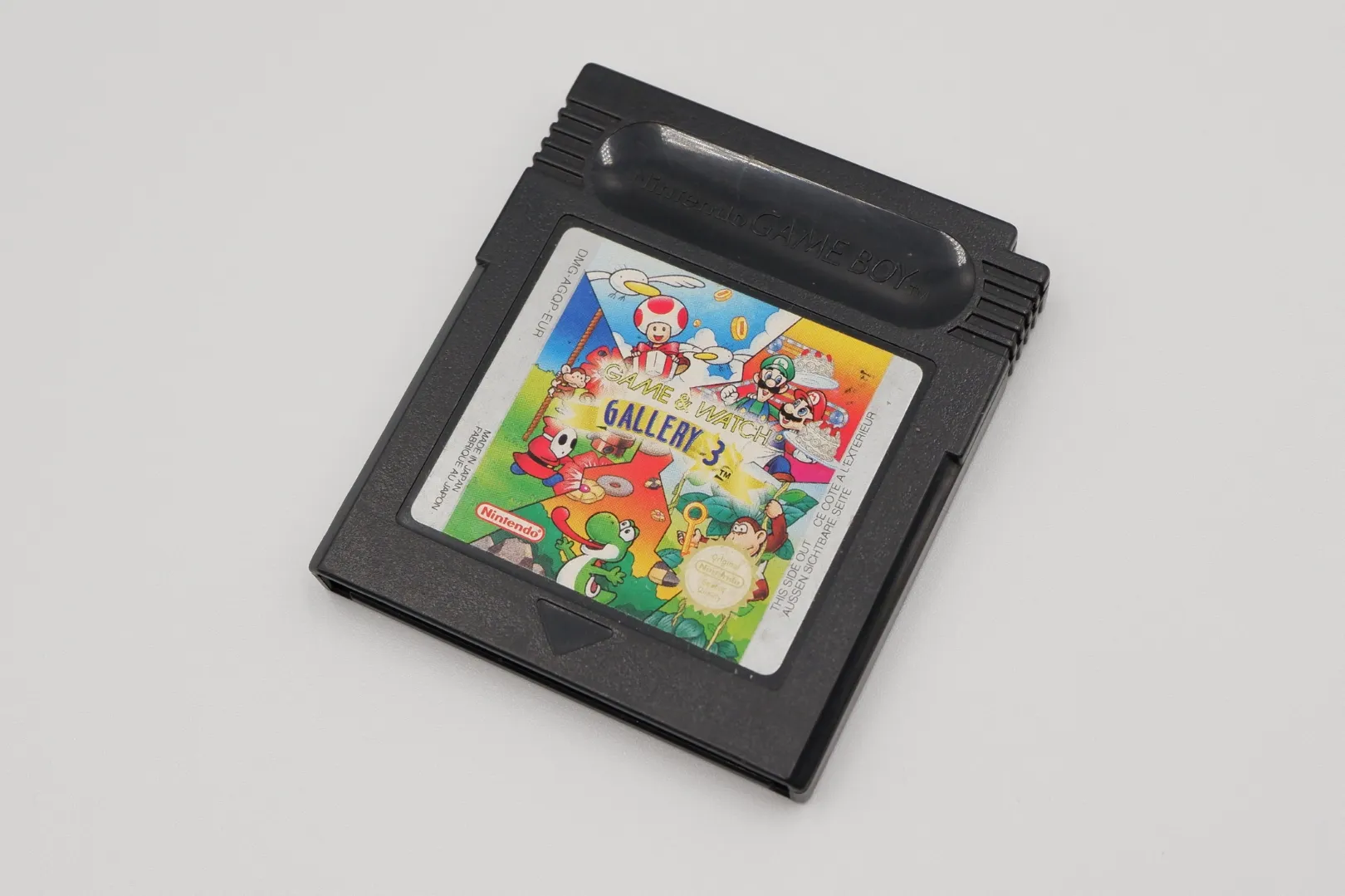
| Game | Box | Manual | Insert | Number | Price |
 |  | | | #2554 | £3.20 |
| LOOSE | |||||
Legends Of Wrestling II – Nintendo Gamecube (2002)
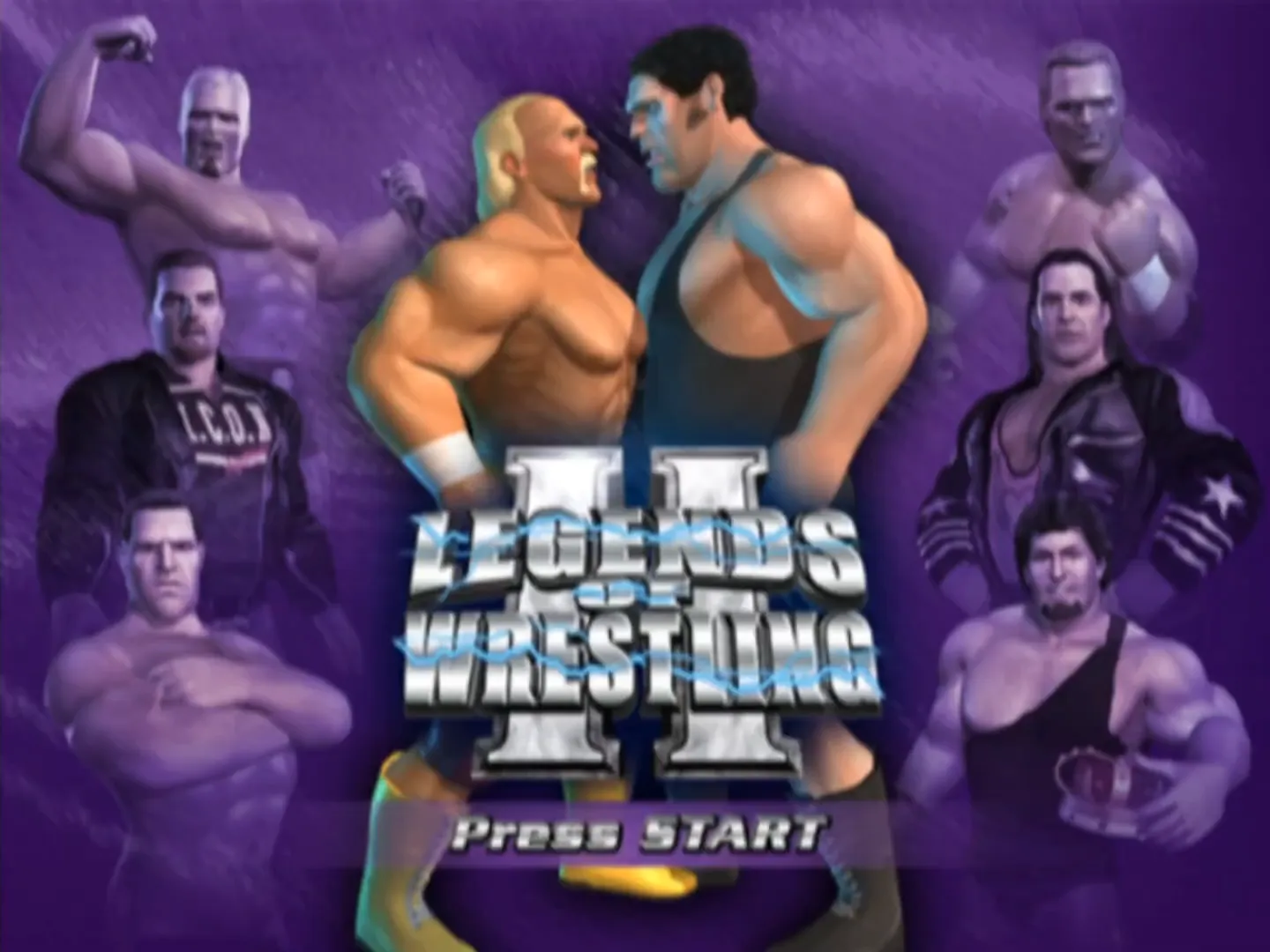
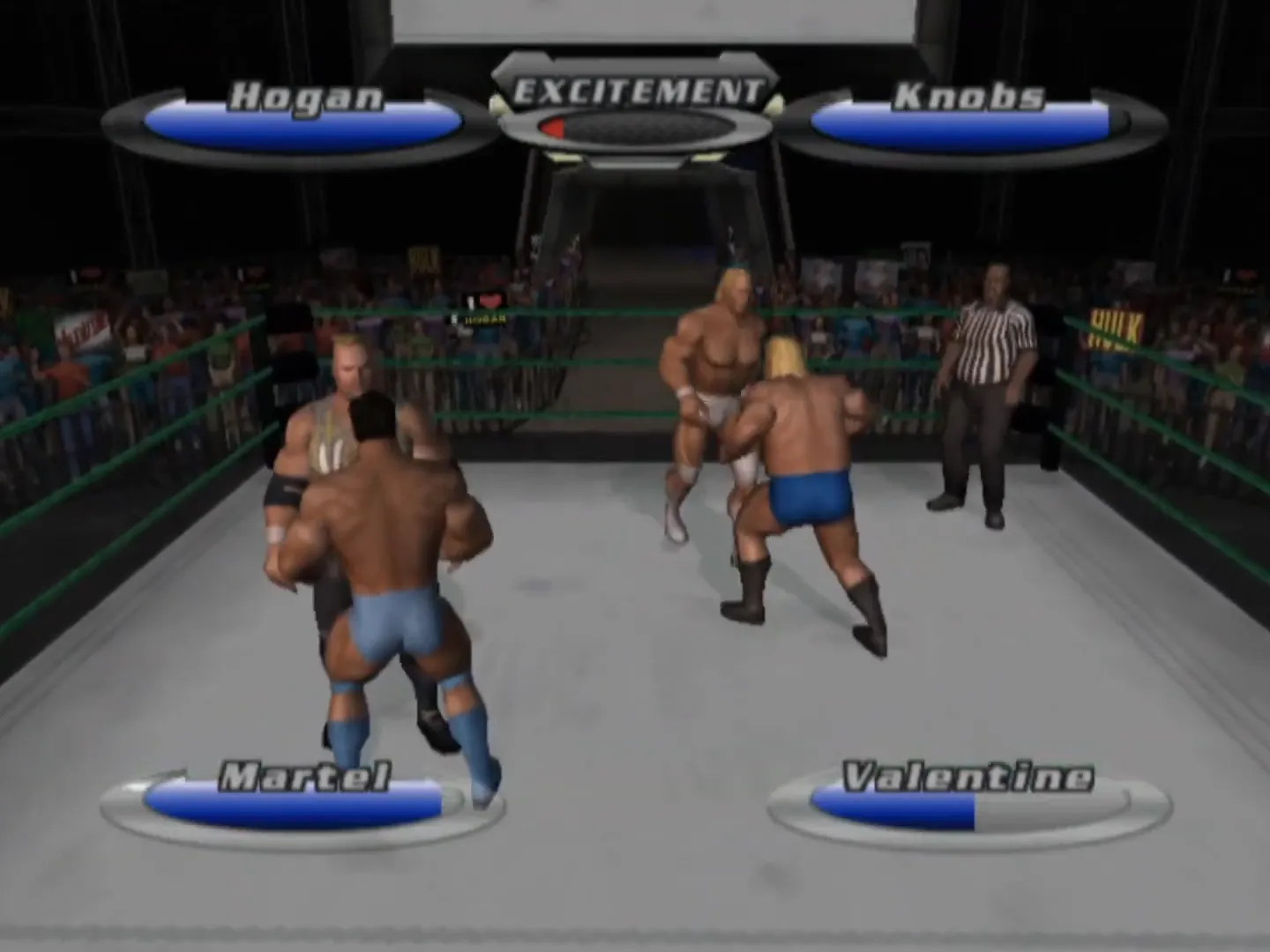
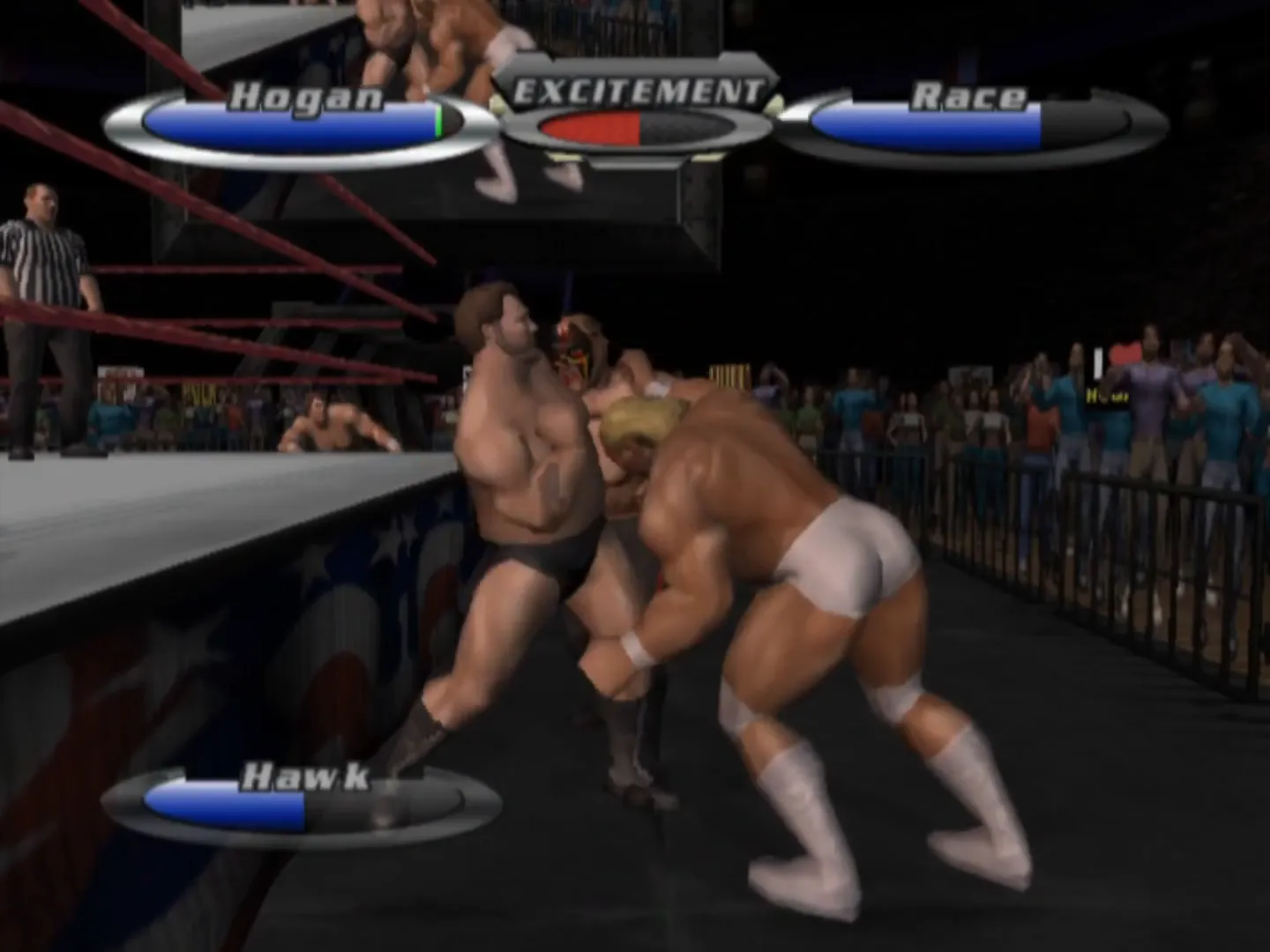
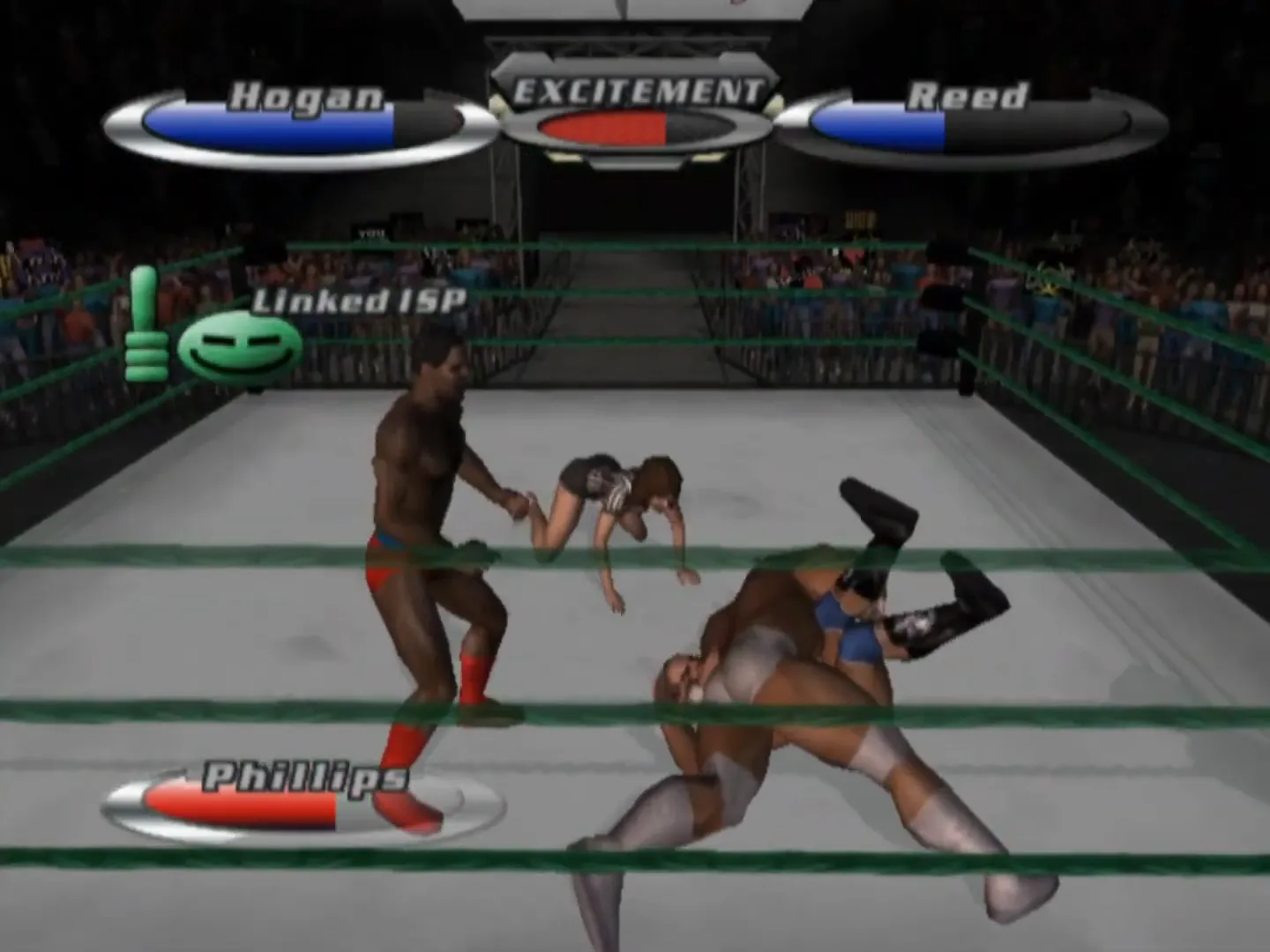
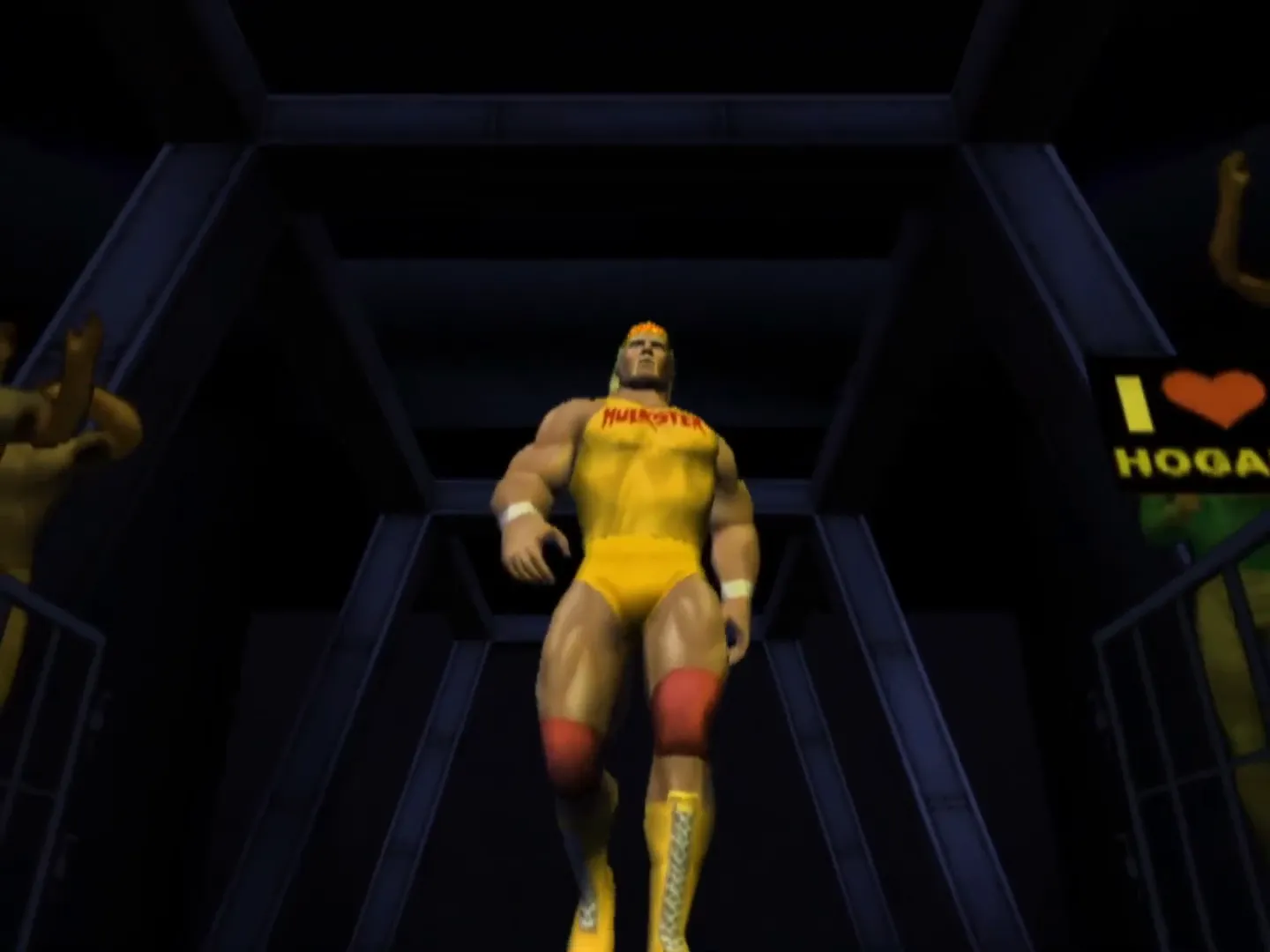
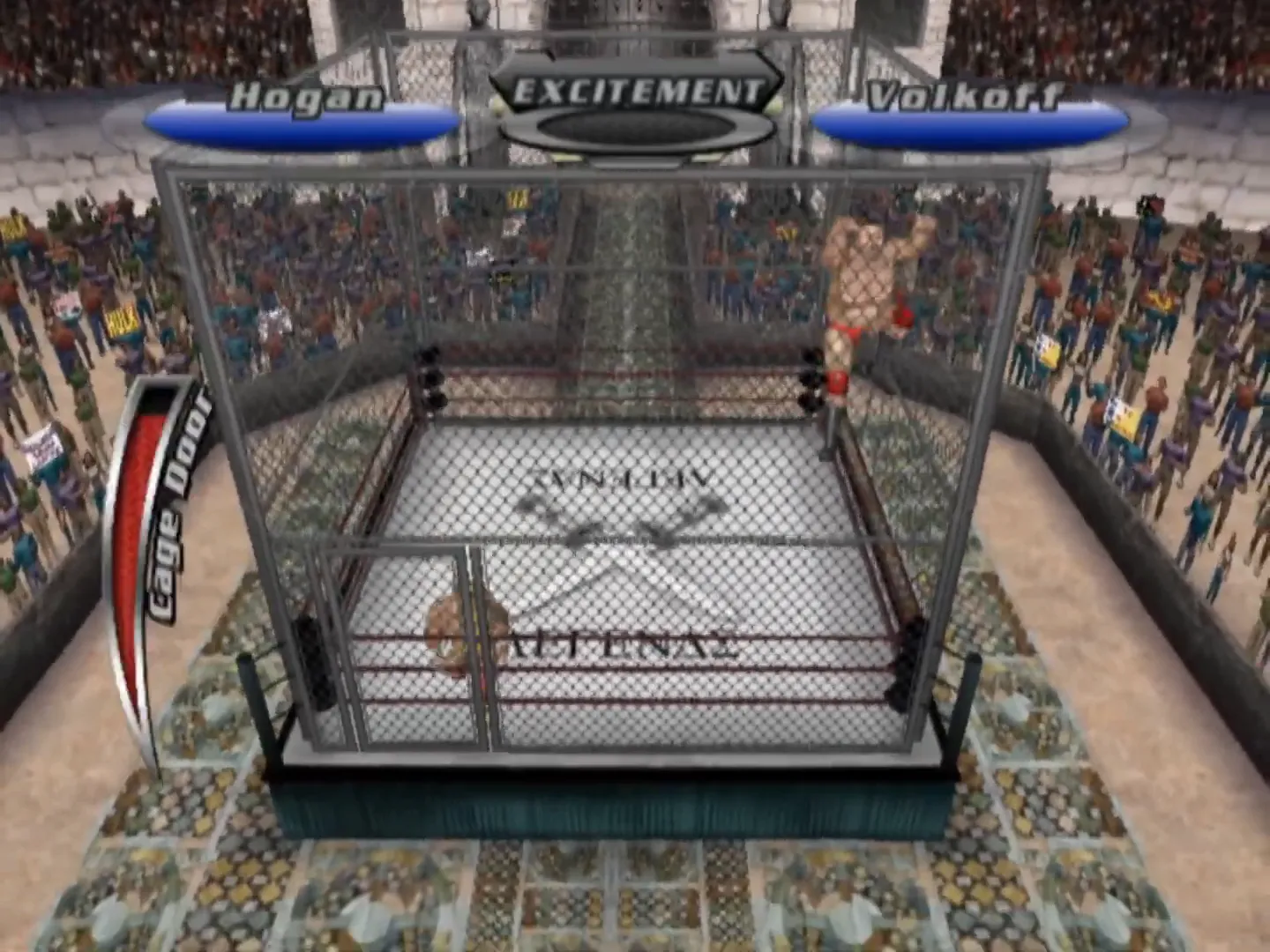
Legends of Wrestling II for the Nintendo GameCube is an arcade-style wrestling title that celebrates the icons of the 1970s, 80s, and 90s, featuring a massive roster of over 65 legends including Hulk Hogan, Andre the Giant, and Bret Hart. The game’s story centres on an expansive “Career Mode” where players travel across five distinct wrestling territories, working for different promoters and engaging in randomly generated storylines to unify regional belts before challenging for the World Heavyweight Title. Its gameplay utilizes a unique “linked” grappling system and an “excitement meter” that rewards players for performing varied, high-risk moves rather than simply winning quickly; however, it was criticized for clunky movement controls and a frustrating button-mashing mechanic for kicking out of pins. Reception on the GameCube was generally mixed; while fans appreciated the deep nostalgia, historical interviews, and the “modern-retro” deformed art style, many critics felt the technical execution and AI were unpolished compared to contemporary titles like WWE WrestleMania X8 or the AKI-developed classics.
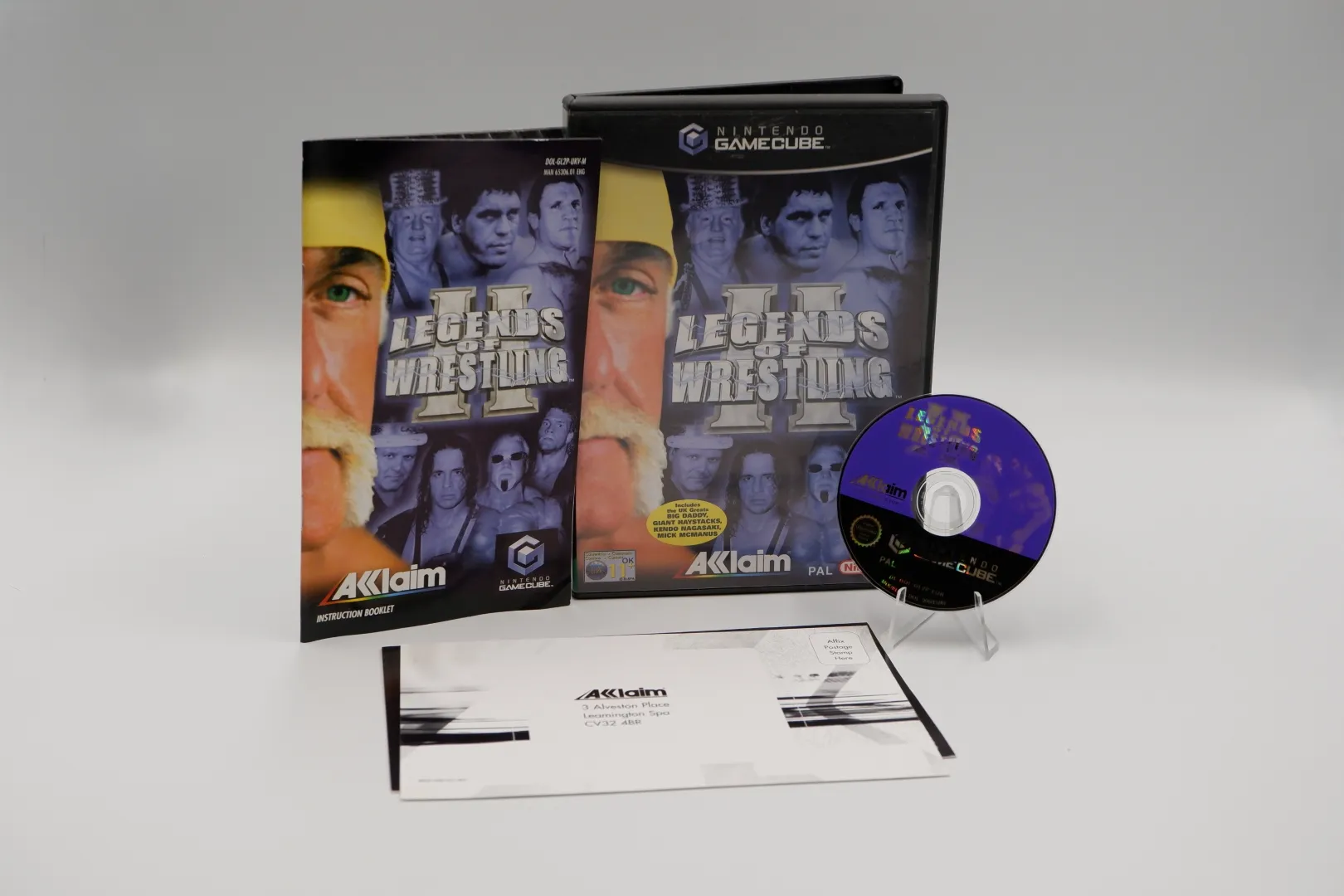
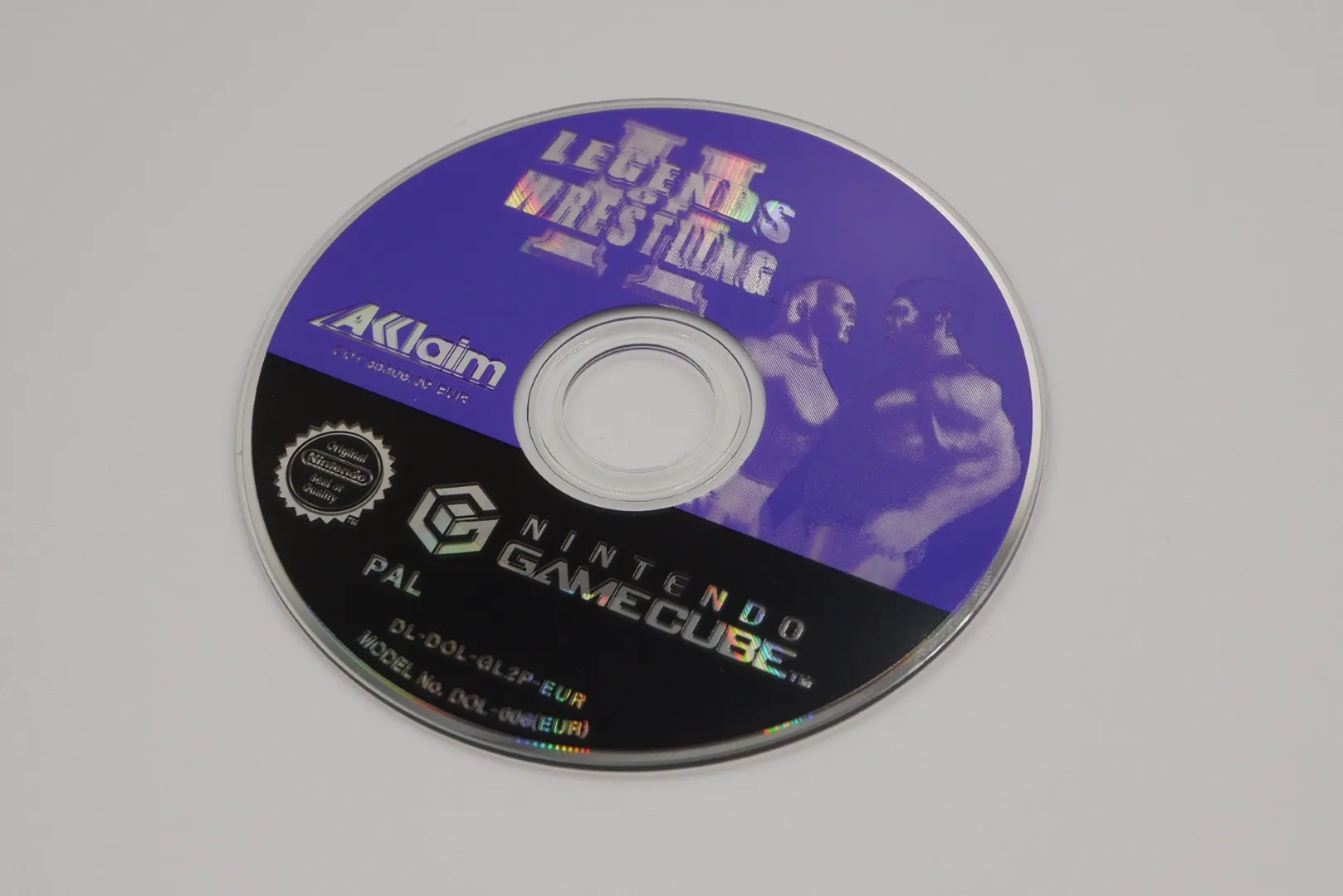
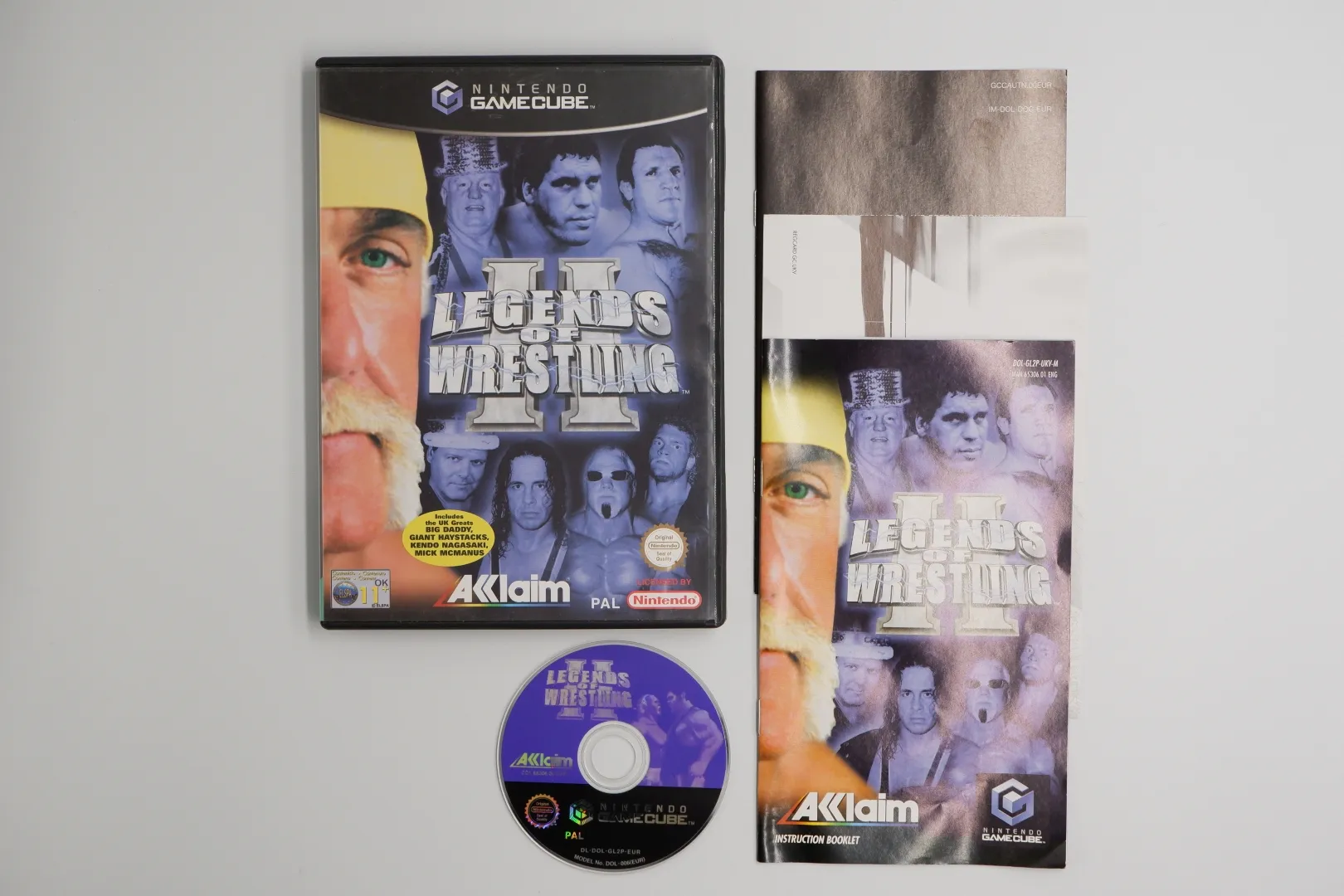
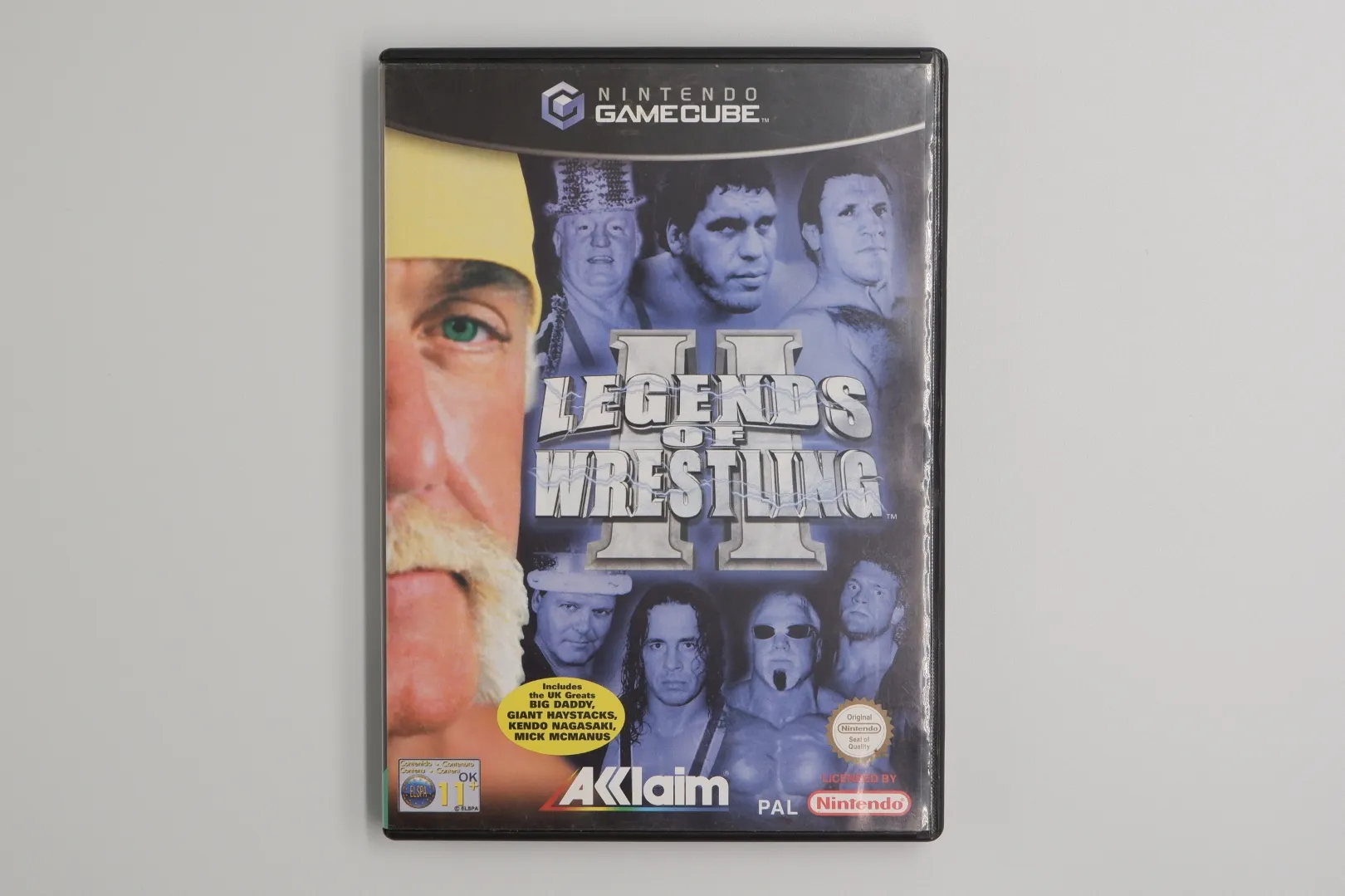
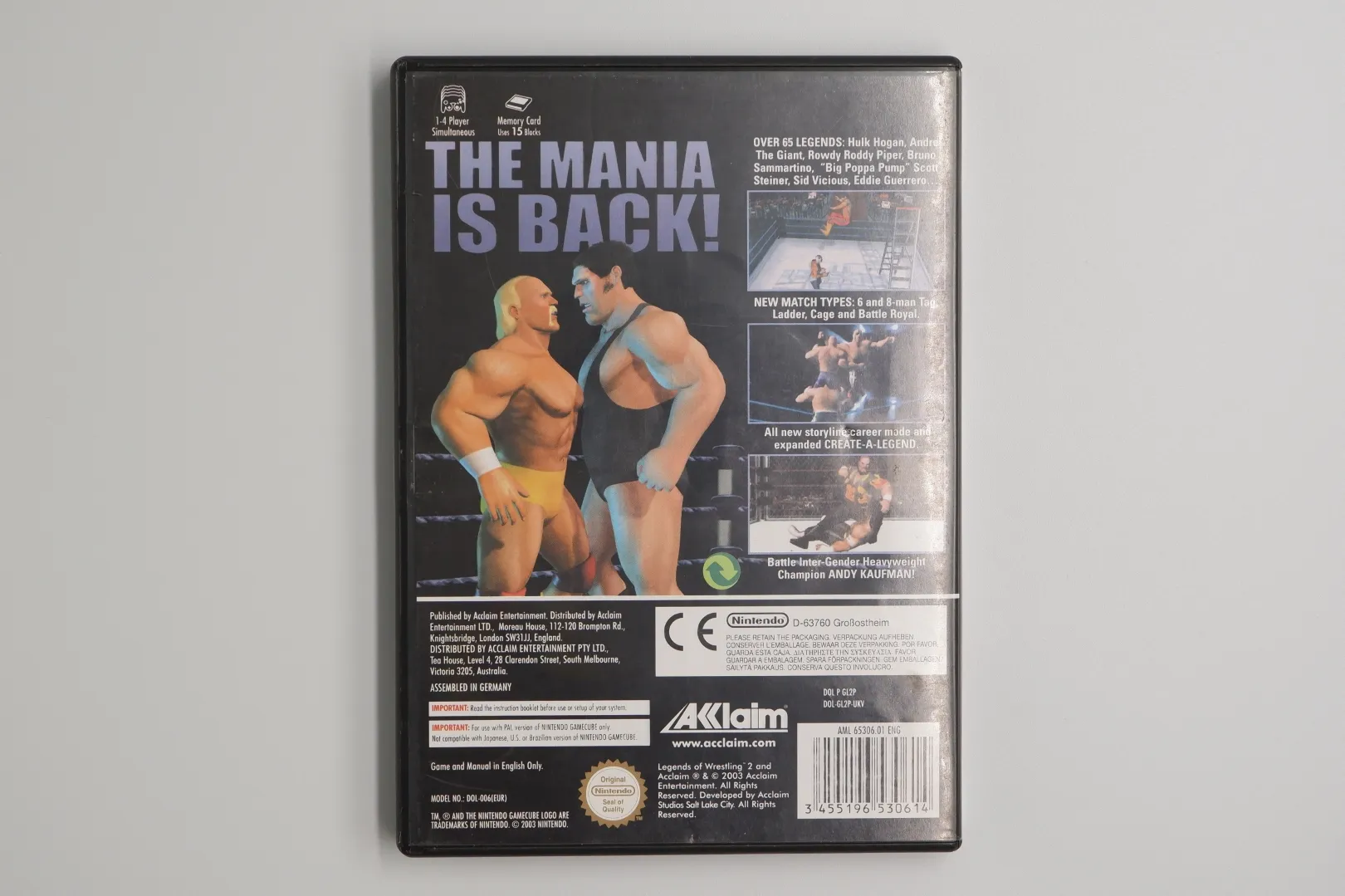
| Game | Box | Manual | Number | Price |
| | | #2555 | £6.40 |
| COMPLETE | ||||
Rocky – Nintendo Gamecube (2002)
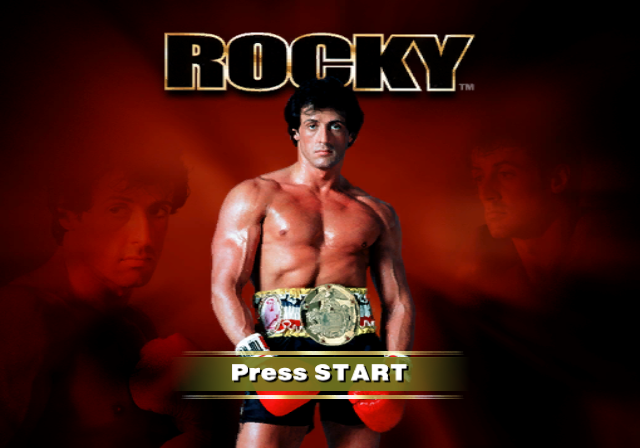
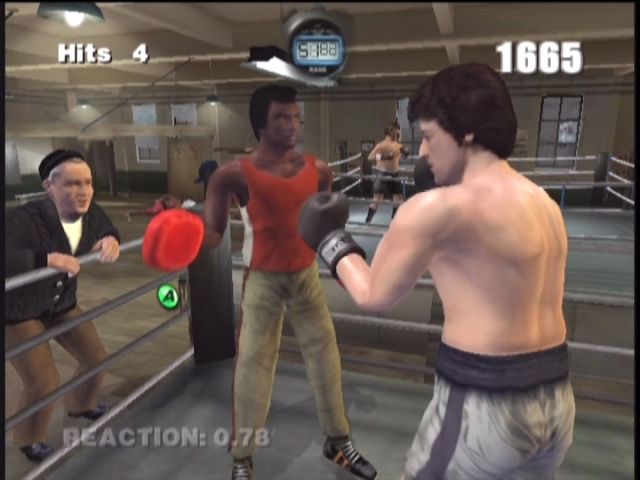
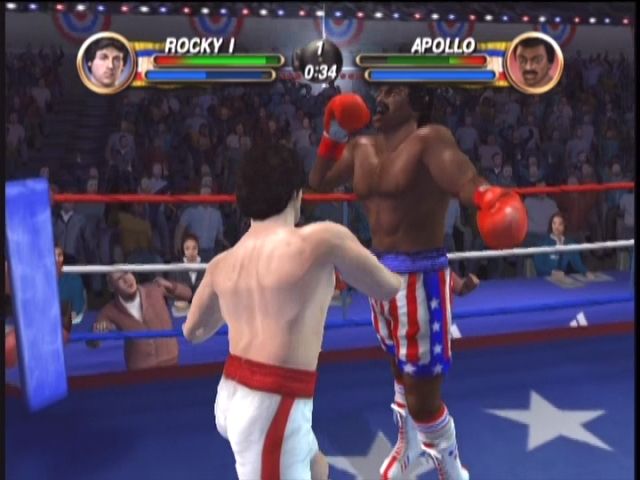
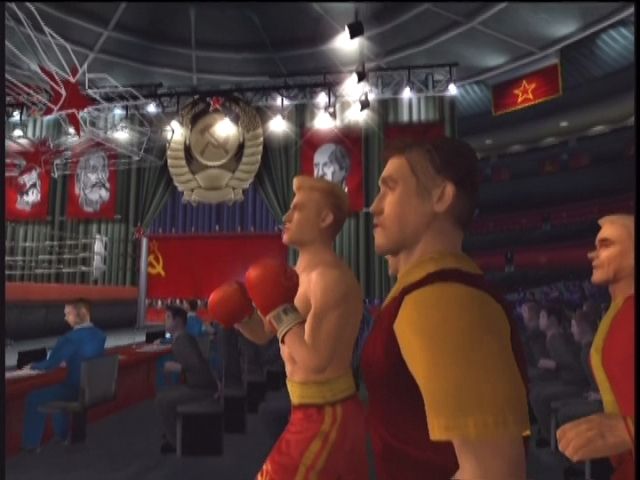
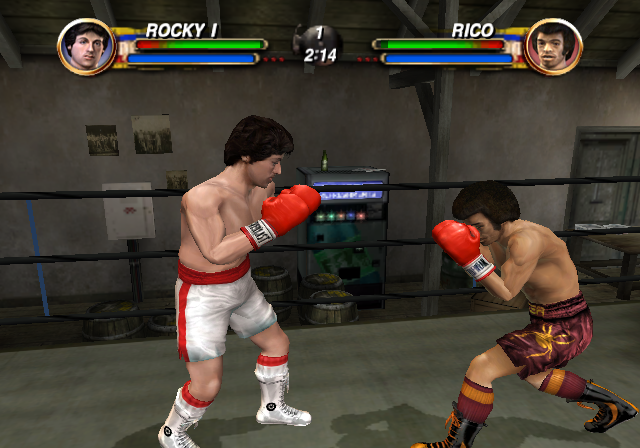
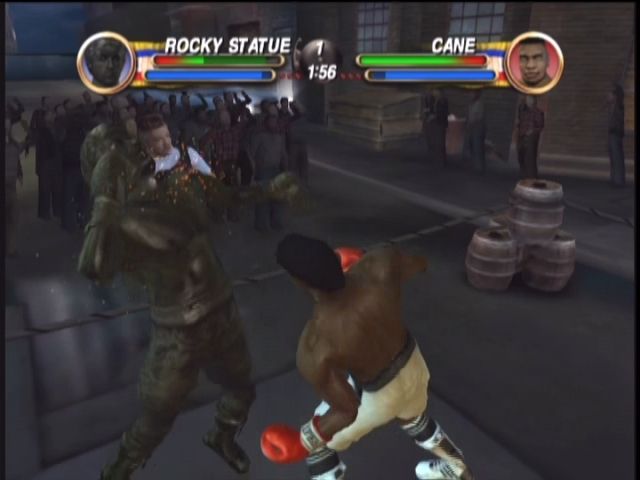
Rocky is a sports-action title developed by Rage Software that allows players to relive the cinematic journey of the “Italian Stallion.” The game’s primary Movie Mode follows the plot of the first five Rocky films, charting Balboa’s rise from a Philadelphia club fighter to the heavyweight champion as he faces iconic rivals like Apollo Creed, Clubber Lang, and Ivan Drago. Gameplay centres on a surprisingly deep boxing system that avoids mindless button-mashing by requiring players to manage a stamina bar, time their blocks, and utilize “super punches.” Between major bouts, players engage in training minigames—such as hitting the speed bag or punching meat carcasses—to manually boost Rocky’s stats in strength, speed, and endurance. Upon release, Rocky received generally positive reception, particularly for its faithful recreation of the film’s atmosphere and impressive character models that featured real-time facial damage. While critics occasionally knocked the audio compression and repetitive training, it remains widely regarded as one of the best movie-licensed games of its era.
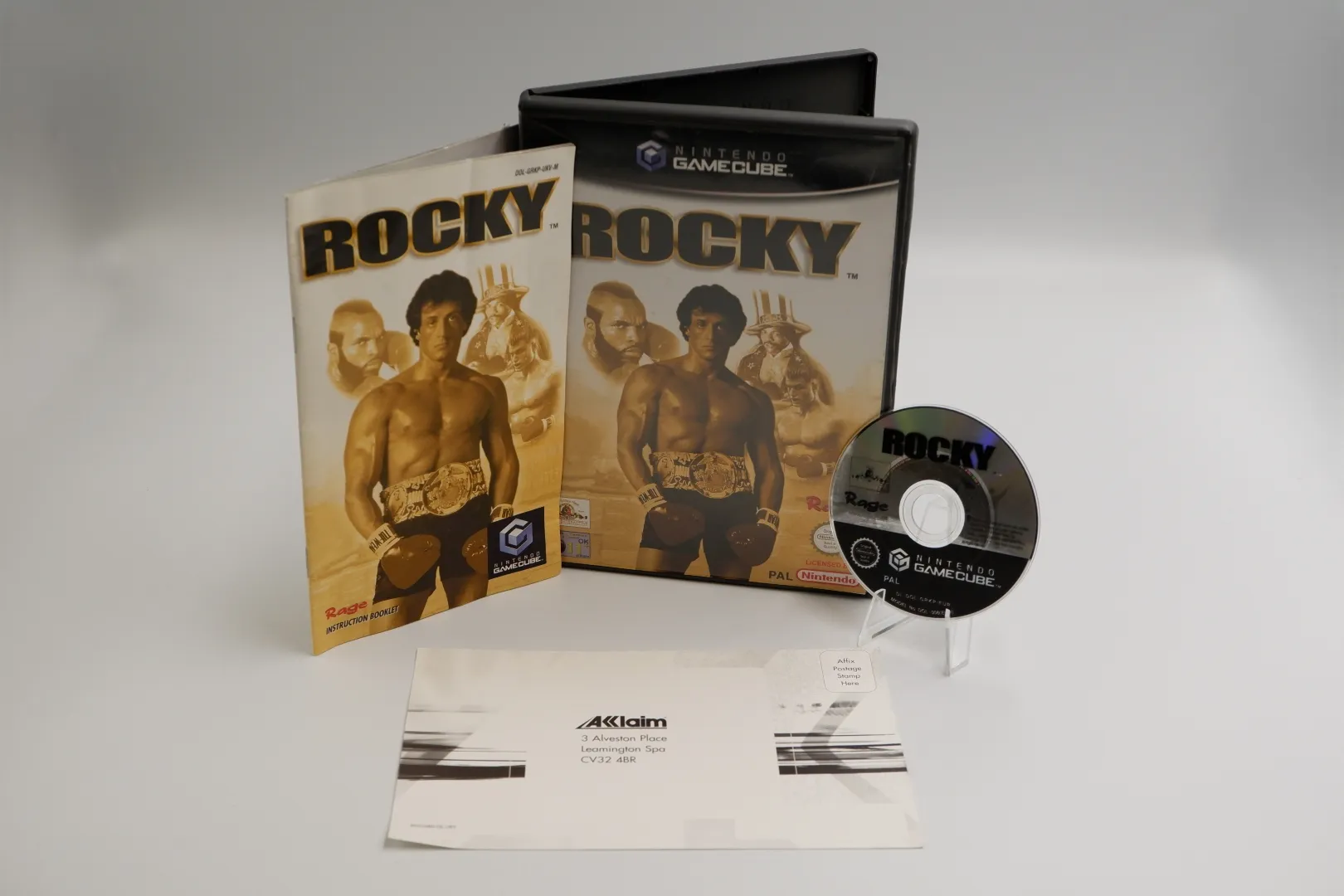
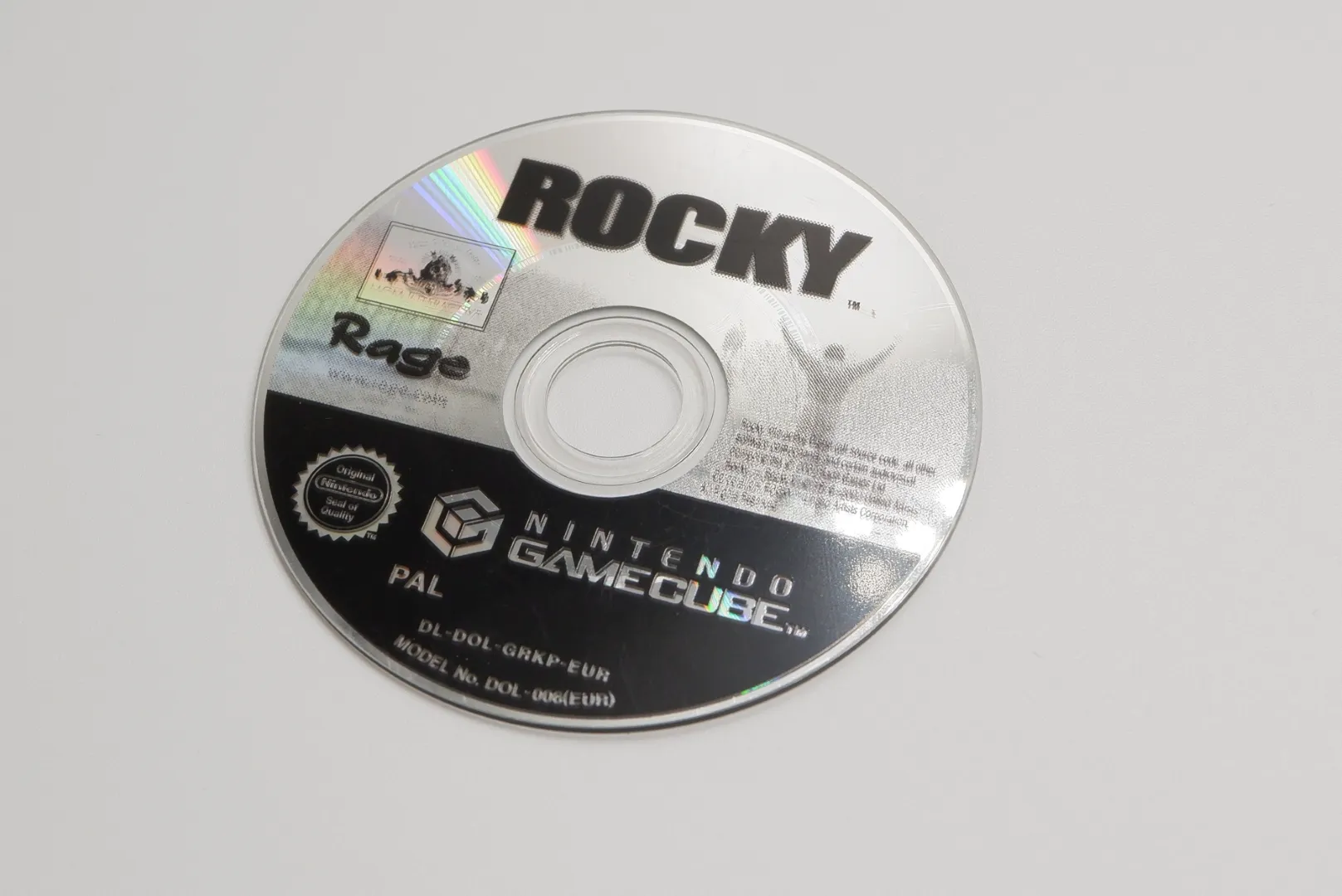
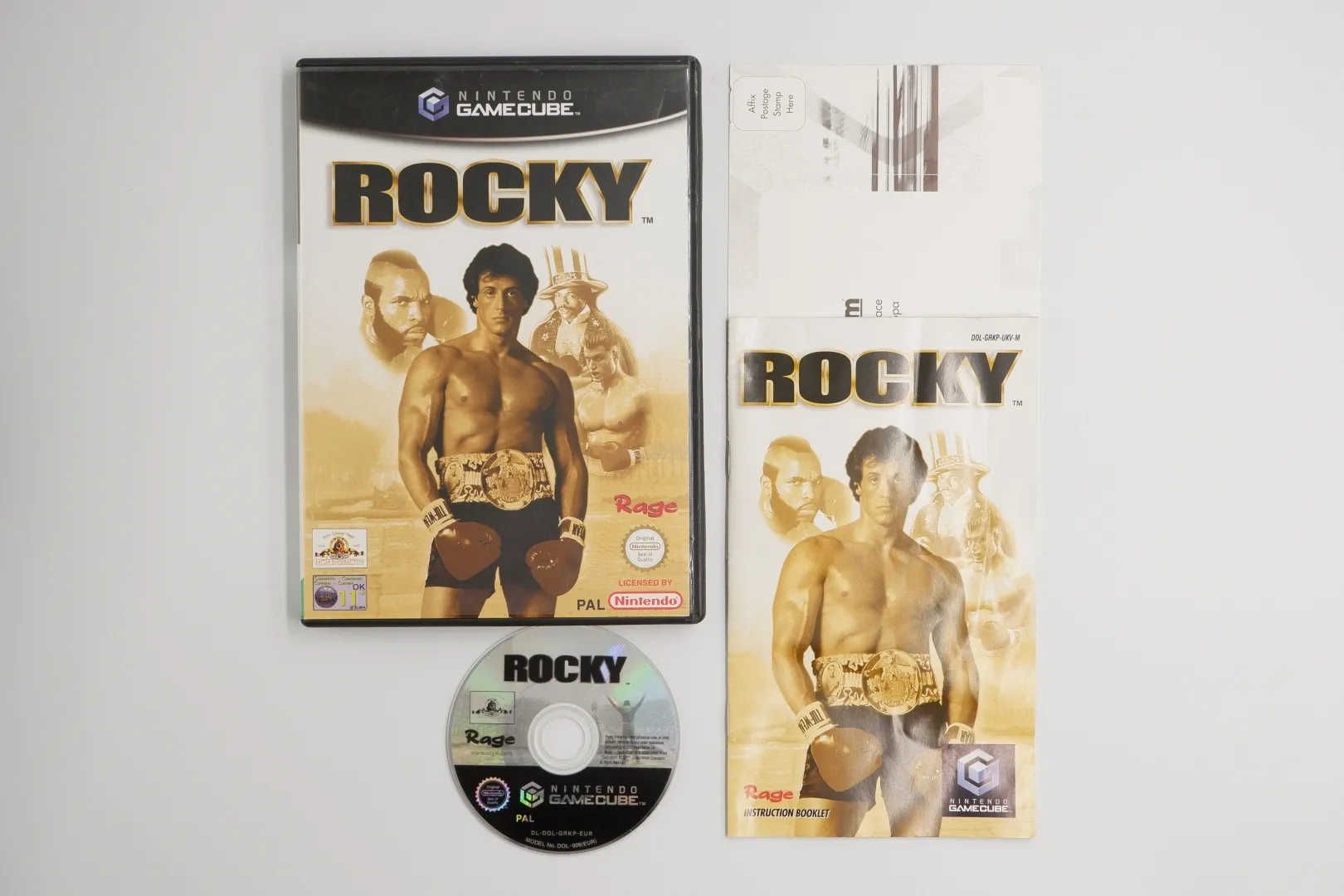
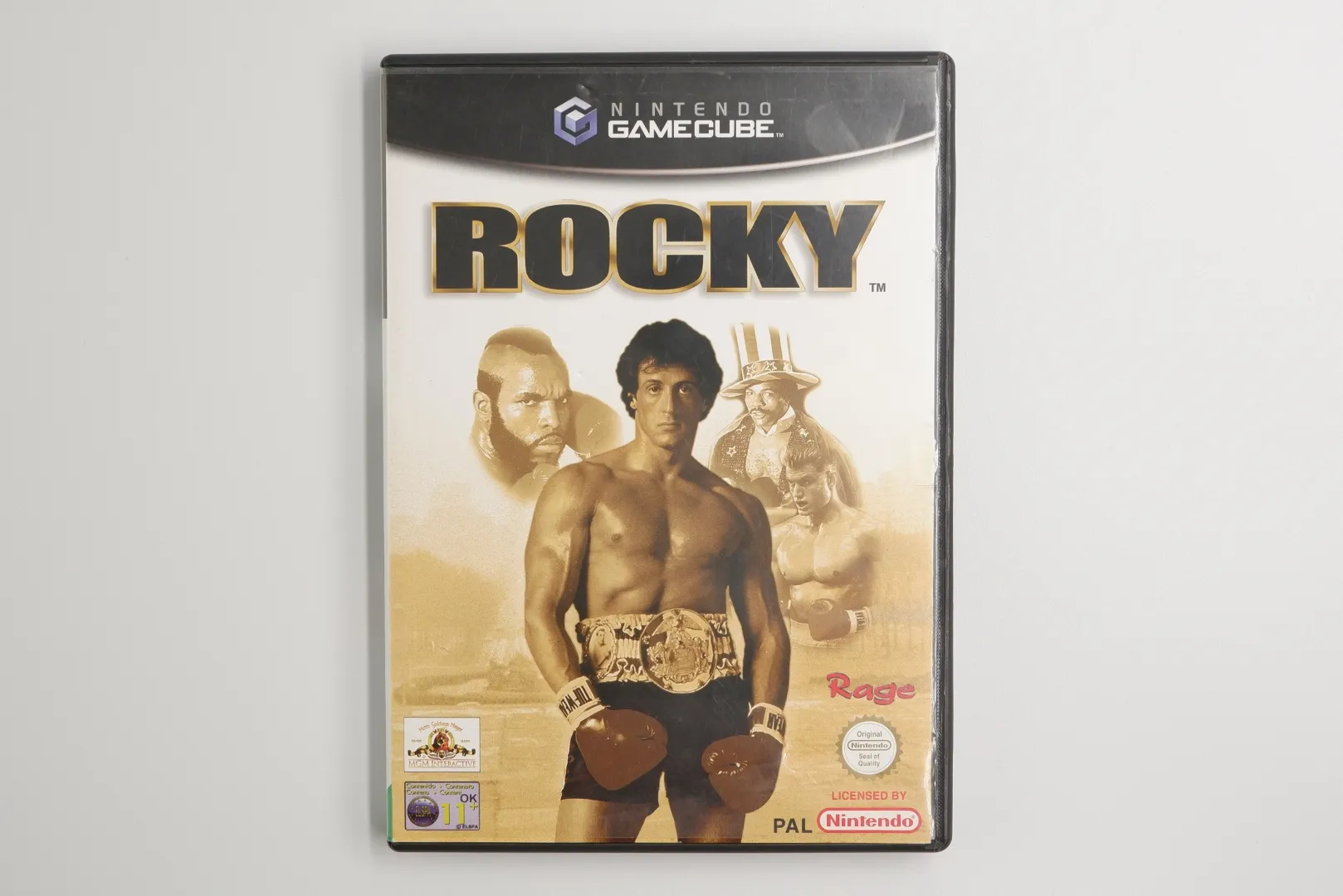
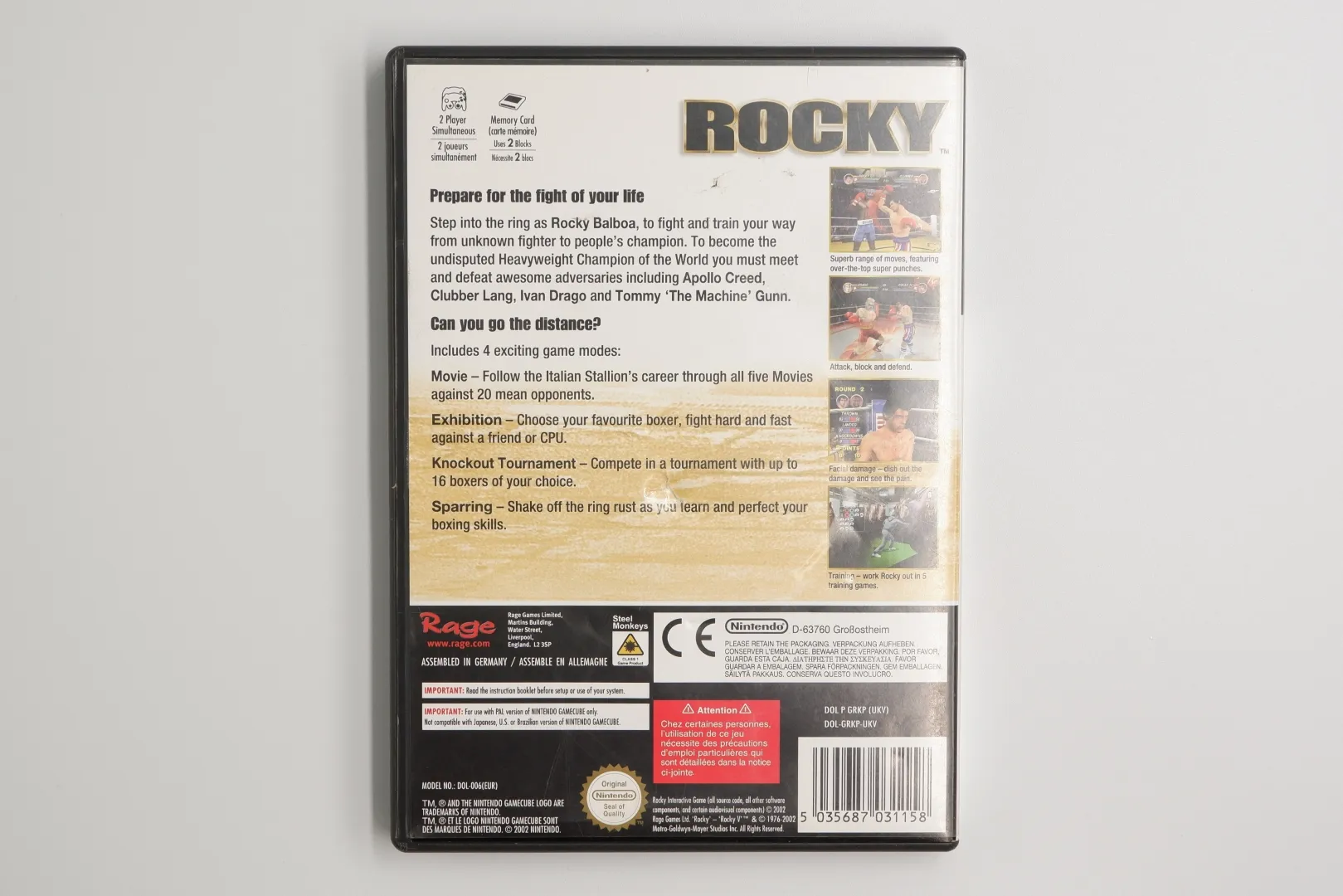
| Game | Box | Manual | Number | Price |
| | | #2556 | £3.20 |
| COMPLETE | ||||
The Walking Dead Destinies – Nintendo Switch (2023)
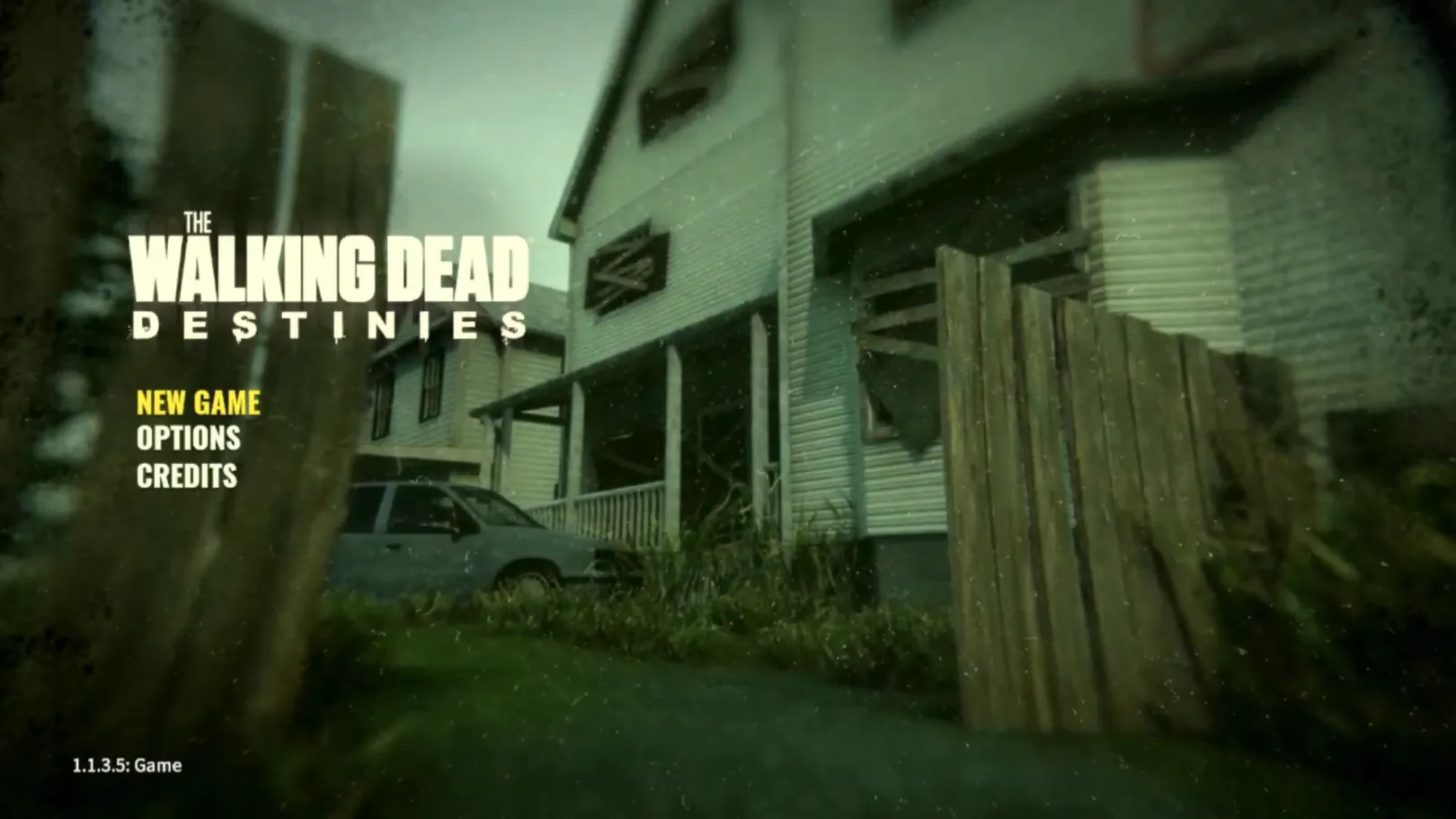
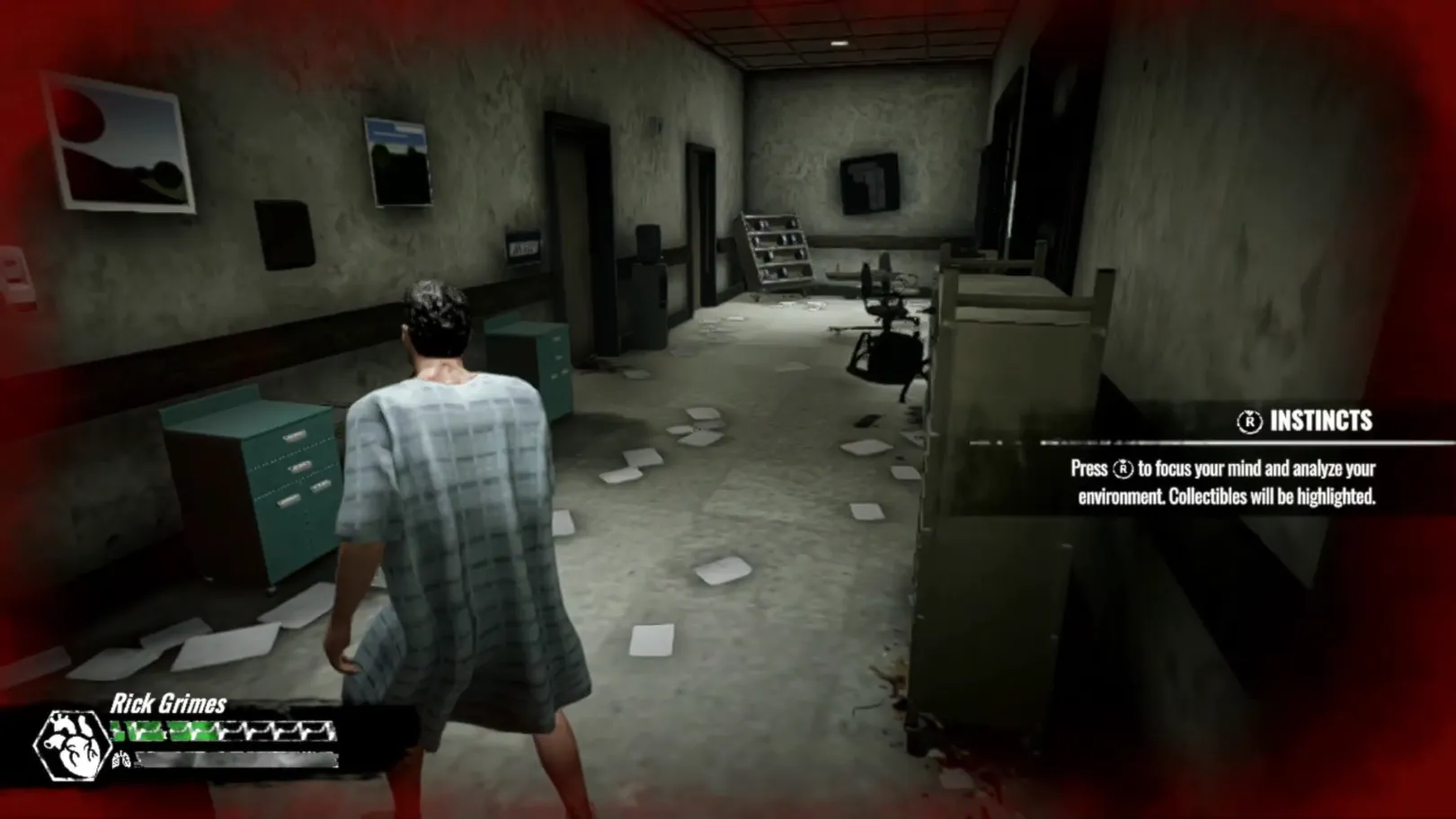
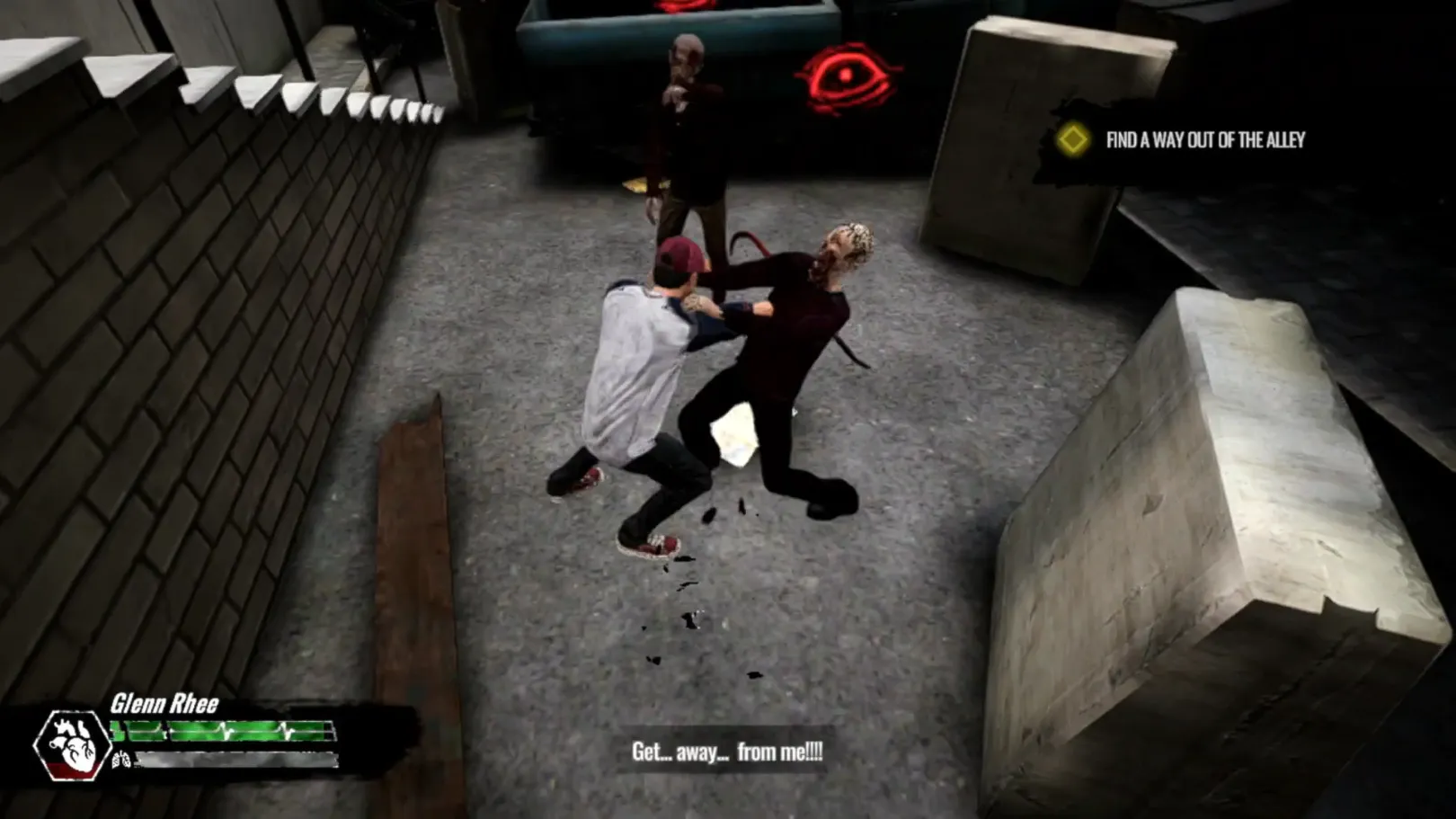
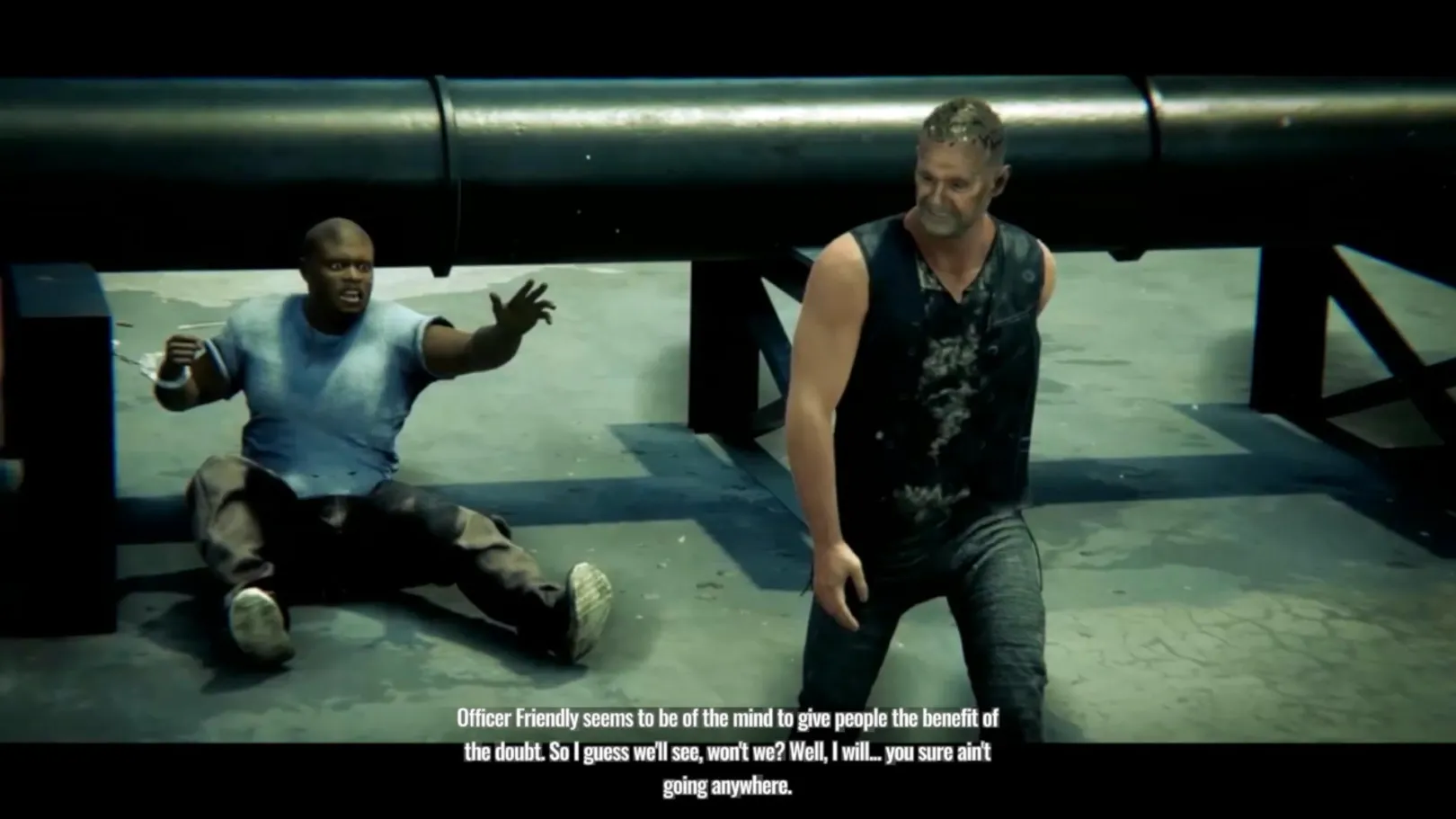
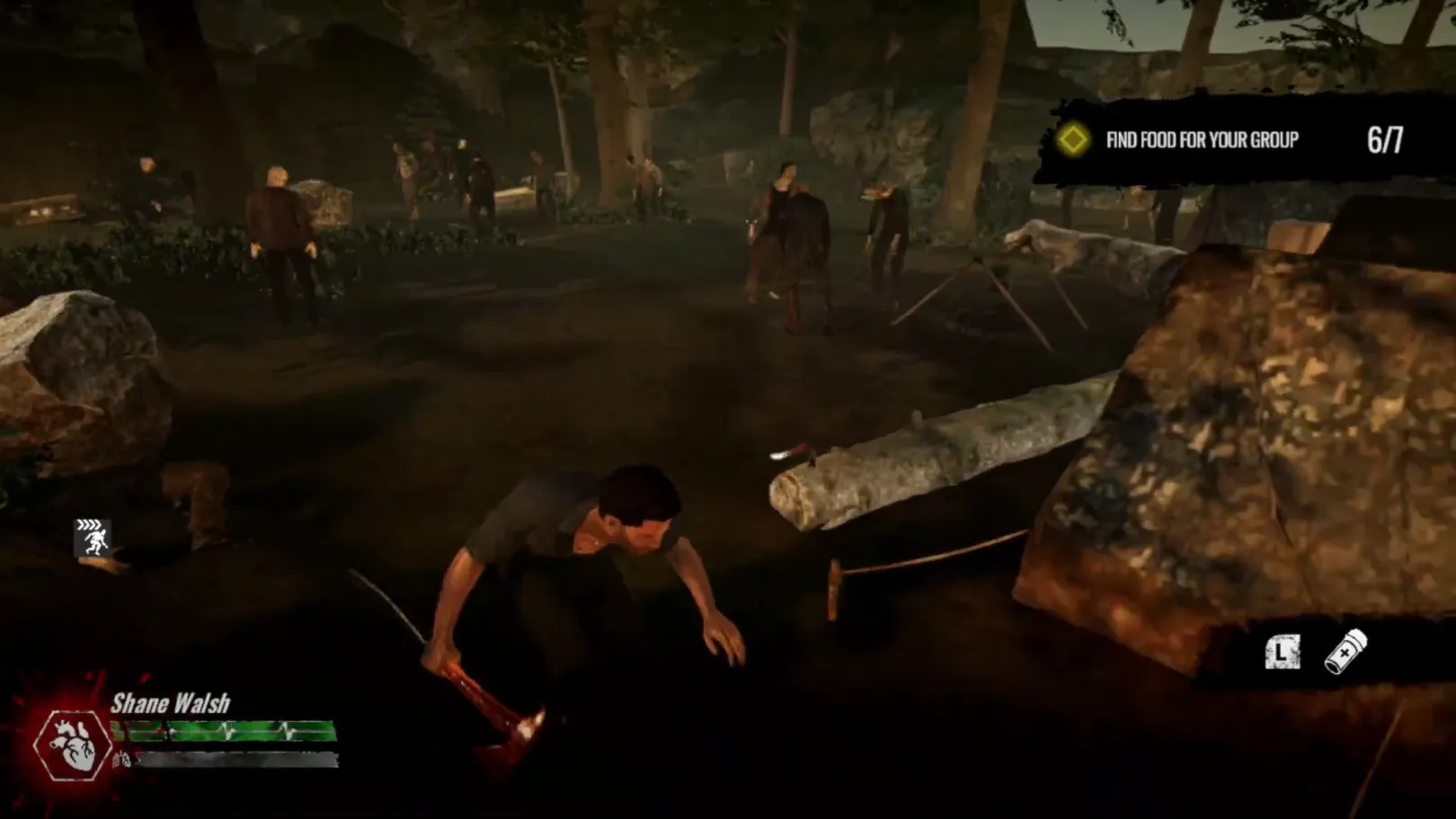
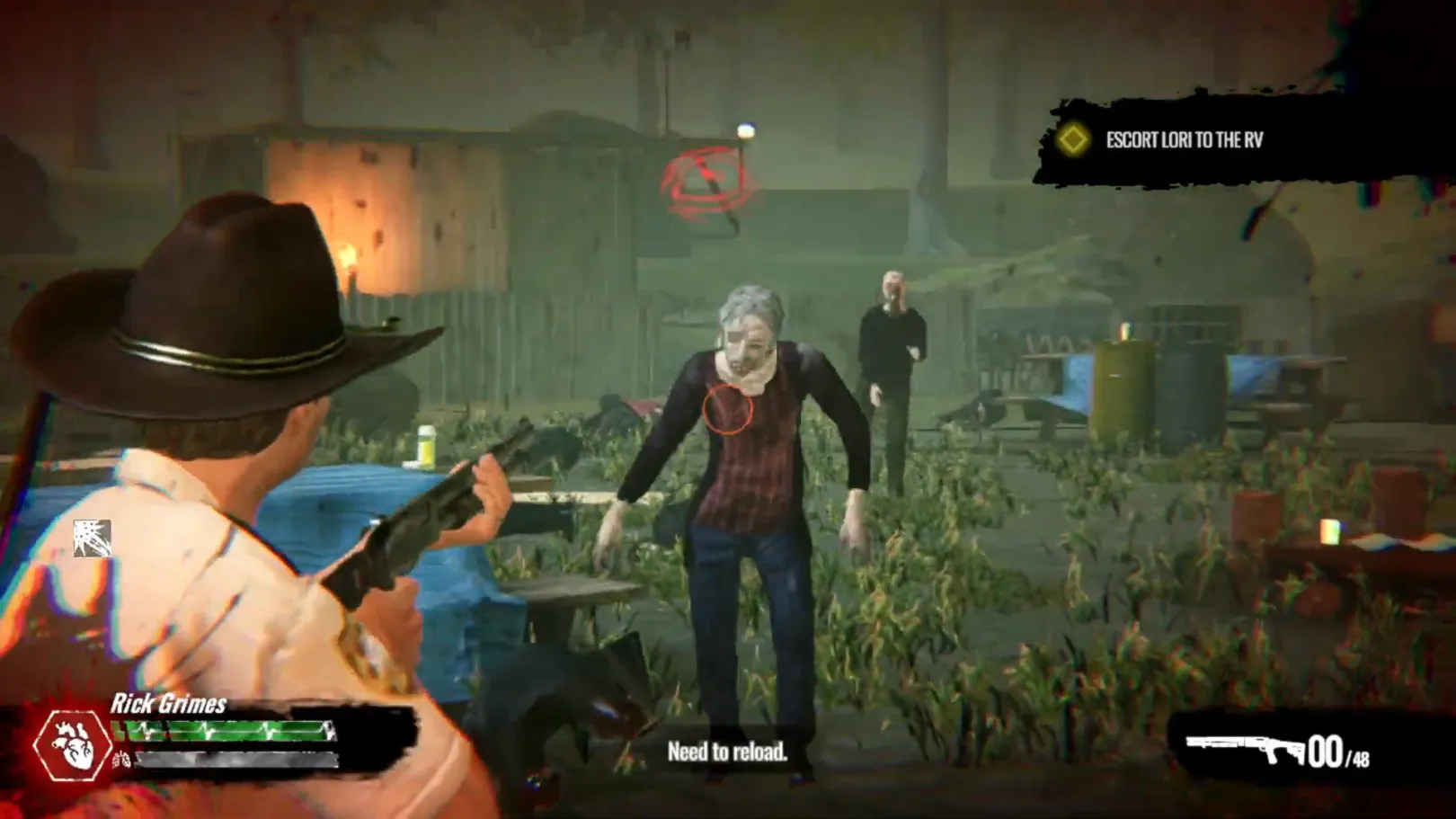
The Walking Dead: Destinies is a third-person action-adventure game that allows players to relive and reshape the events of the first four seasons of the hit AMC television series. The story begins with Rick Grimes waking from his coma, but it introduces a “Shatter Fate” mechanic that lets you make pivotal choices—such as deciding who survives the iconic confrontation between Rick and Shane—effectively creating an alternate timeline. Gameplay consists of a mix of stealth, resource management, and combat using a variety of melee and ranged weapons across famous locations like the Greene farm and the prison. Despite the ambitious concept, the game received overwhelmingly negative reviews upon its release; critics and fans alike panned it for its dated graphics, frequent technical bugs, and “brain-dead” AI, with many comparing its quality unfavourably` to titles from two console generations prior.
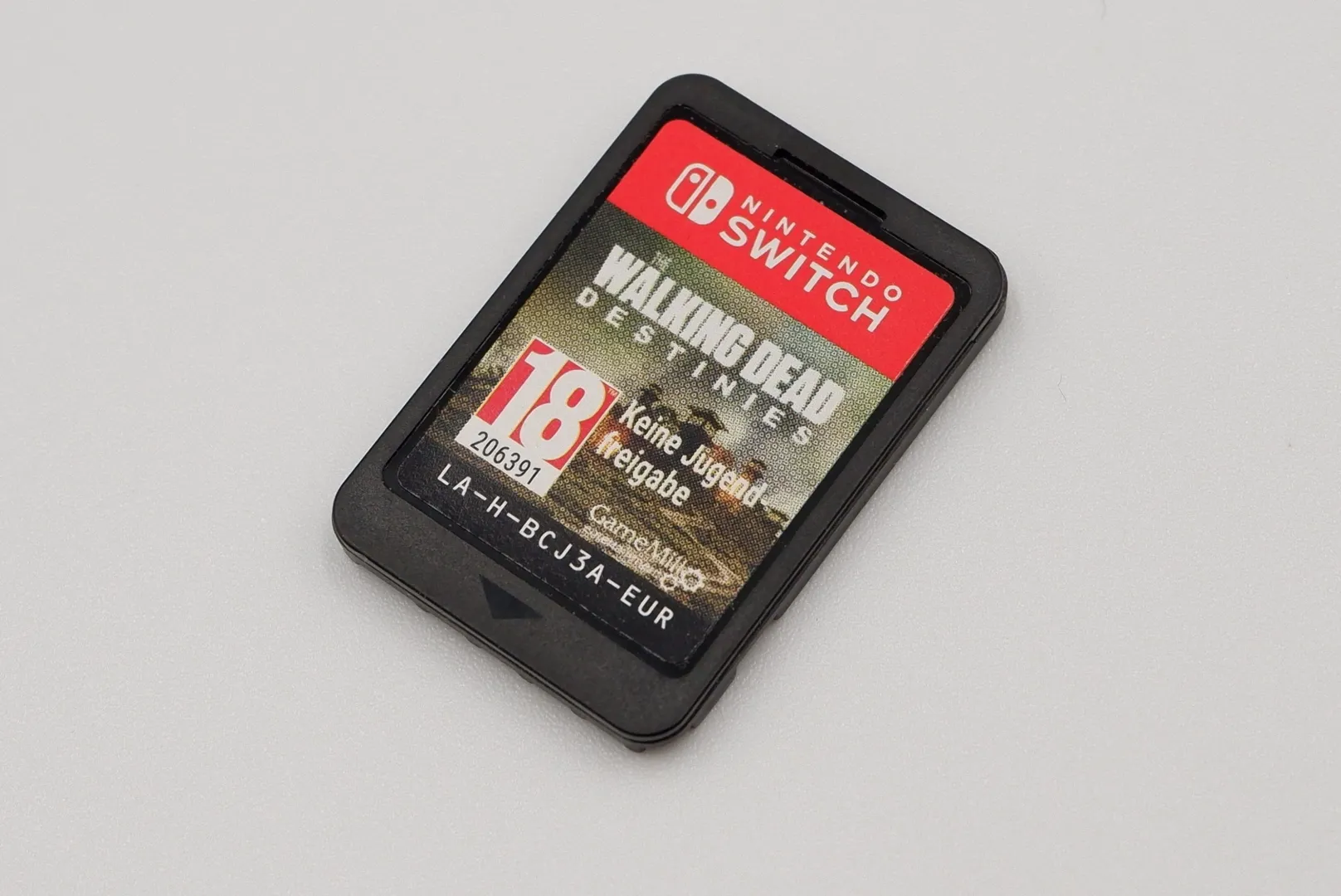
| Game | Box | Number | Price |
| | #2557 | £8.00 |
| LOOSE | |||